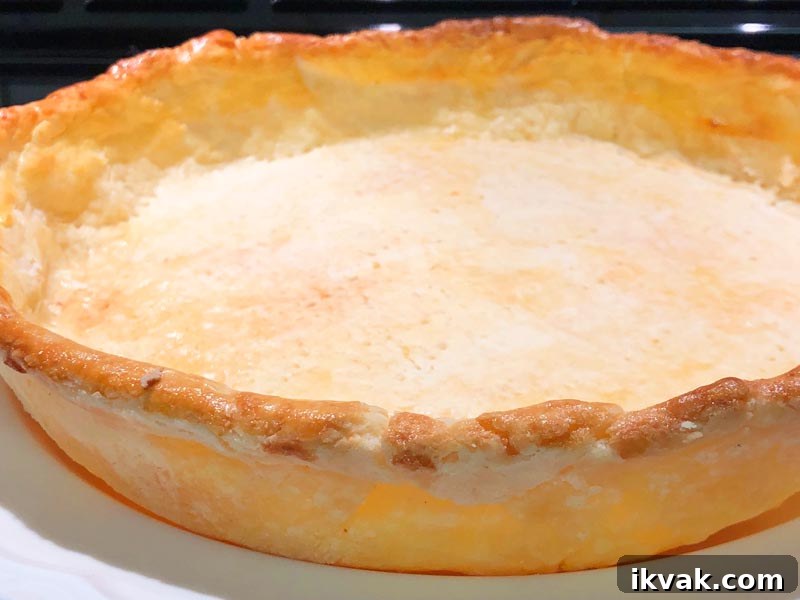
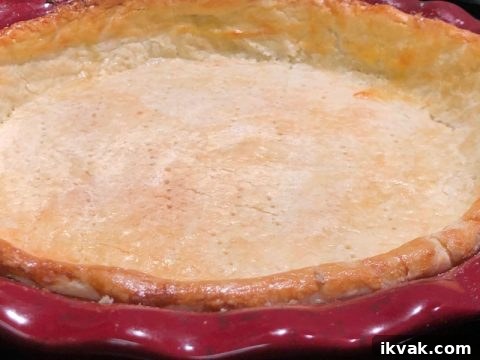
I discovered how to get a golden-brown, tender gluten-free pie crust by adding two simple pantry ingredients. These small additions make a big difference; below I explain what they do and offer tips to help you achieve the texture and color you want.
Watch the video here.
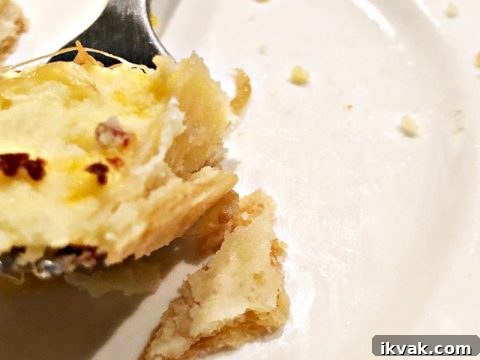
Adding a little vinegar makes pie crusts more tender. If you tend to overwork dough, which develops toughness, a splash of vinegar helps relax the dough and keeps the crust delicate. Vinegar’s effect is different from leavening agents: while baking powder or baking soda create lift and can make a crust crisp or cookie-like, vinegar’s acid helps tenderize the gluten-free flours and keeps the final crust soft and flaky.
I’ve used baking powder before on a professional chef’s suggestion to encourage a crunchier crust. That technique is suitable when you want a crisper result; baking soda will produce an even more cookie-like crunch. For a tender crust, though, vinegar is the better choice. See the blind-baked variation in the linked recipe for a crisp option.
Why I avoided vinegar before
The practical issue with adding vinegar is that it needs to be mixed with water to distribute evenly, and water is what can make pie dough tough if you add too much. I prefer to increase fat (butter or a buttery alternative) when I want a very tender, pliable crust, because fat shortens the texture and adds tenderness without overworking. If you want a medium-tender crust sturdy enough for a double-crusted pie, use only the minimum water needed. Stop mixing when you still see small bits of flour and little pieces of dough—then press them together just before rolling out. This prevents overworking and keeps the crust tender.
Egg yolk’s role
Egg yolk improves browning because of its fat and pigment. In this recipe I replace 1 tablespoon of butter with one egg yolk to swap fat for fat. The result is a richer color and nicely browned crust without sacrificing tenderness. If you prefer not to use egg yolk, you can substitute an extra tablespoon of butter or a suitable dairy-free alternative.
Crust edges
There are many ways to finish a pie edge: braids, leaf cutouts, scallops, spoon-turned ridges, fork crimping, and more. I didn’t fuss with the edges on this particular crust, but any of those techniques will work well. Choose the style that fits your pie’s presentation.
Egg wash alternatives and browning guide
For the deepest golden color, brush the crust with a mixture of egg yolk and heavy cream. If you want slightly lighter browning, try one of the combinations below. From darkest to lightest, typical results are:
Egg yolk + heavy cream
Egg yolk + whole milk
Whole egg + heavy cream
Whole egg + milk
Egg yolk + water
Whole egg + water
Egg white + heavy cream
Egg white + whole milk
Egg white + water
Higher-fat washes (cream, whole milk) yield a darker, more vibrant crust. If you use lower-fat milk, the browning will be lighter.
Tender Gluten Free Pie Crust
Dessert
American
pie crust, sweet rice flour
Ingredients
For the Pie Crust:
-
1-1/4
cups
sweet rice flour
161g -
1/4
cup
potato starch
38g -
1/4
cup
tapioca flour*
29g (or cornstarch) -
2
teaspoons
granulated sugar** -
1-1/4
teaspoons
xanthan gum -
1/4
+ 1/8 teaspoon salt -
9
tablespoons
1 stick + 1 tablespoon cold, unsalted butter, cut into tablespoons and then into fourths
(or half dairy-free buttery sticks Earth Balance and half organic palm oil shortening – Spectrum) -
2-1/2
tablespoons
ice water
or as needed (the less the better) -
1
large egg yolk
(or 1 additional tablespoon butter/margarine) -
1
teaspoon
apple cider vinegar
For the Egg Wash (Optional):
-
1
egg yolk -
1
tablespoon
heavy whipping cream
(optional)
Instructions
-
In a small or large food processor or medium bowl, combine the sweet rice flour, potato starch, tapioca flour (or cornstarch), sugar, xanthan gum, and salt. Reserve about 1/4 cup of the mixture for dusting; you may only need 2 tablespoons.
-
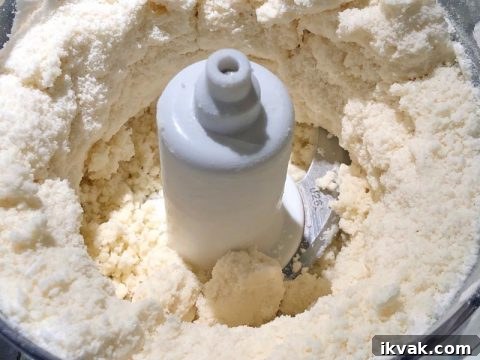
Add the cold butter pieces and pulse until the mixture resembles coarse crumbs. If working by hand, smear the butter into the flour until small pea-sized pieces remain.

-
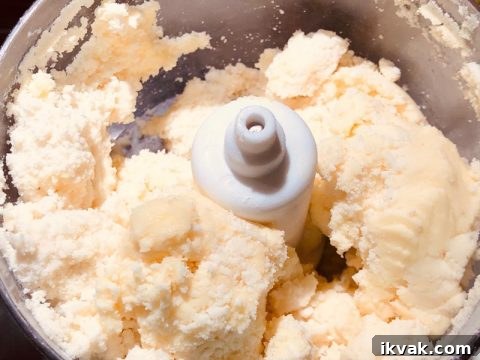
Whisk together 3 tablespoons ice water, the egg yolk, and the vinegar. Add this mixture to the dry ingredients and pulse just until the dough begins to come together, leaving a little loose flour. Add extra water by 1/2 teaspoon increments only if needed. If mixing by hand, knead just until the dough holds together. Do not overmix.
-
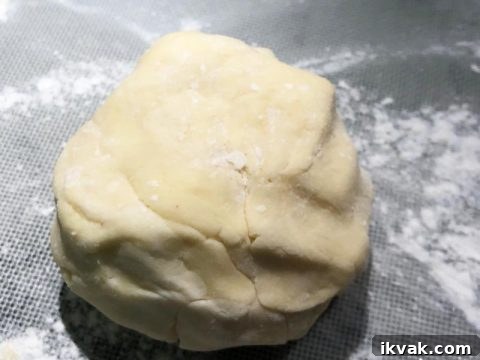
Dust a work surface with 2 tablespoons of the reserved flour mix. Turn the dough out and gather it into a ball. If it feels dry, add water 1/2 teaspoon at a time until it is pliable and like fresh Play-Doh.
-
Roll the dough to fit your pie plate and allow enough for a scalloped edge—about 14 inches for a 9-inch dish with 2-inch sides (9 inches for the bottom + 2 inches for each side + about 1 inch extra to tuck under).
-
Brush off excess flour and invert the crust over the pie dish. If you rolled on a silicone mat, roll the dough around the rolling pin and unroll it over the dish. Gently settle it into place, trim and tuck edges, and shape as desired (scalloped, fork-crimped, or spoon-turned).
-
Prick the bottom of the crust several times with a fork, especially where the sides meet the bottom.
-
Place a lightly oiled sheet of parchment on the dough, oil side down, and fill with dried beans, long-grain rice, or pie weights. Trim the paper to expose the crust edge and freeze for 15 minutes.
-
Preheat the oven to 425°F.
-
Bake the unfilled crust on the center rack for 15 minutes.
-
Optionally baste the bottom with egg white to seal small cracks and prevent sogginess, and brush the edges with the egg yolk and cream wash (or an oil-based brush for an egg-free option). Egg white also promotes light browning.
-
If making a pie with a filling that must be baked, add the filling now.
Tips
*Tapioca flour browns better than cornstarch, while cornstarch contributes slightly more flavor. **For savory pies use as little as 1 teaspoon sugar; for sweet pies up to 3 teaspoons (1 tablespoon).