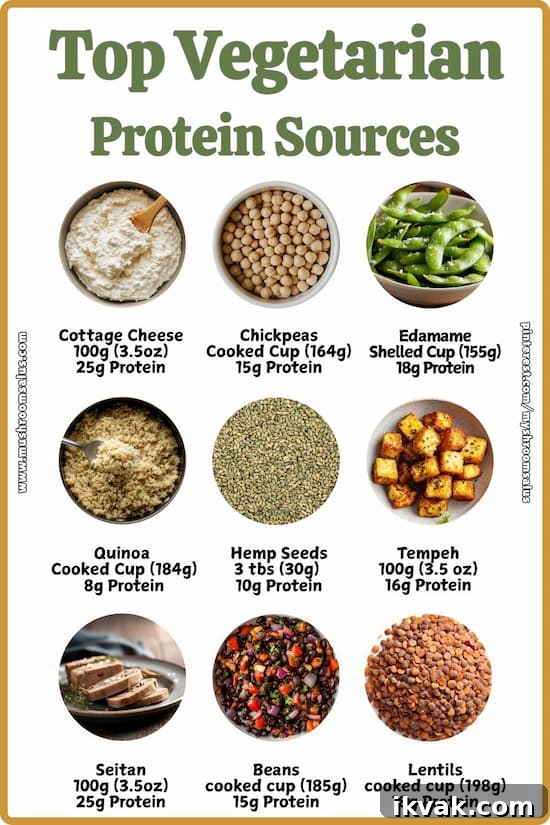
Getting enough protein on a meat-free diet is easier than many people think. You don’t need expensive powders or strange additives to feel full and strong. These nine staples are the ones I keep in my kitchen to stay nourished, satisfied, and on track.
The Heavy Hitter
Seitan is the plant-based heavyweight when it comes to protein and texture. Made from wheat gluten, it has a chew and mouthfeel that closely resembles chicken or beef, making it a favorite for hearty dishes. Per 100 grams, seitan delivers about 25 grams of protein—on par with many animal proteins.
I like to slice seitan thin and pan-fry it with soy sauce until the edges caramelize. It soaks up marinades and spices, so don’t hesitate to experiment with bold flavors.
- Plain seitan chunks
- Seasoned seitan strips
- Vital wheat gluten (for making seitan at home)
The Curd Comeback
Cottage cheese has moved beyond its “diet food” reputation and for good reason. At roughly 25 grams of protein per 100 grams, it ranks among the top plant-friendly—or in this case dairy—protein sources.
Its creamy, slightly salty profile works in both savory and sweet preparations. Blend it into a velvety sauce for a high-protein mac and cheese, stir it into fruit for a quick snack, or use it as a filling for savory bowls. It satieties quickly without leaving you feeling heavy.
- Small-curd cottage cheese
- Large-curd cottage cheese
- Low-fat or whipped versions
The Fast Cook
Lentils are ideal when time is short but you still want a substantial, nourishing meal. One cooked cup provides about 18 grams of protein plus plenty of fiber to support digestion. Unlike many beans, lentils cook quickly and don’t need long soaking.
Red lentils break down to thicken soups and stews, while green and brown lentils keep their shape and are great in salads or as taco fillings. Stock a few varieties so you can adapt them to different dishes.
- Red split lentils
- Green Puy lentils
- Standard brown lentils
- Black beluga lentils
The Easy Snack
Edamame is one of the simplest, most convenient protein sources to keep in the freezer. Steam the pods or heat shelled beans for a few minutes, add a pinch of flaky salt, and you have about 18 grams of protein per cup. I keep shelled edamame on hand to toss into stir-fries, fried rice, or salads at the last minute.
Their slightly sweet, buttery flavor appeals to many palates and they feel lighter than dense protein sources, making them a great snack or side.
- Frozen edamame in pods
- Shelled edamame beans
- Dry-roasted edamame snacks
The Fermented Block
Tempeh is a textured, fermented soy product that gives you around 16 grams of protein per 100 grams. Its nutty, savory depth comes from fermentation, and that flavor makes it an excellent addition to sandwiches, bowls, and stir-fries. Many people who find tofu hard to digest tolerate tempeh better.
Marinating tempeh in something acidic—lime juice, vinegar, or a tangy sauce—before pan-frying helps tenderize it and boost flavor. Its firm, chewy bite satisfies those who miss the texture of meat.
- Original soy tempeh
- Flaxseed or mixed-grain tempeh
- Smoky pre-marinated tempeh strips
The Kitchen Workhorse
Chickpeas are a cornerstone of many vegetarian kitchens thanks to their versatility and sustaining texture. One cooked cup provides about 15 grams of protein and a starchy, filling mouthfeel. Use them mashed as a “tuna” salad, roasted for crunchy snacks, or blended into smooth hummus.
I keep several cans in the pantry as a reliable, inexpensive base for countless meals. Chickpeas pair well with a wide range of cuisines, from Indian curries to Mediterranean salads.
- Canned chickpeas
- Dried garbanzo beans
- Chickpea flour (besan)
The Pantry Staple
Beans in general are a go-to source of plant protein and iron. A cup of cooked beans typically offers around 15 grams of protein and a good dose of minerals. Varieties like black, kidney, and pinto beans keep meals affordable and nutritious.
Slow-cooking beans with aromatics such as onion and bay leaf yields a creaminess that canned beans can’t match, but canned beans are a convenient alternative when time is tight. Beans are an economical way to feed a group without sacrificing nutrition.
- Black beans
- Kidney beans
- Pinto beans
- Cannellini beans
The Tiny Powerhouse
Hemp seeds are small but nutritionally dense. Three tablespoons deliver roughly 10 grams of protein, and they contain all essential amino acids, making them a complete protein source. Their mild, grassy flavor is similar to sunflower seeds or pine nuts.
I sprinkle hemp hearts on oatmeal, blend them into smoothies, or whisk them into dressings to add protein and creaminess without changing a dish’s character.
- Raw shelled hemp hearts
- Hemp seed powder
- Toasted hemp seeds
The Better Grain
Quinoa is actually a seed that cooks up light and fluffy, and one cooked cup contains about 8 grams of protein—more than white rice or pasta. It’s a dependable base for meal-prep bowls because it keeps well in the fridge without getting mushy.
Use quinoa as a side, a salad base, or cook it with spices and milk for a protein-rich breakfast porridge. Swapping quinoa for other starches is an easy way to boost the protein in many meals.
- White quinoa
- Red quinoa
- Black or tri-color quinoa
The Final Word
Building a protein-rich, meat-free diet doesn’t need to be complicated. Choose a few items from this list to feature regularly—start with higher-protein choices like seitan and cottage cheese, and round out meals with beans, lentils, seeds, and whole grains. Variety keeps meals interesting and ensures you get a full spectrum of nutrients.
These foods are often more affordable and longer-lasting than fresh meat. Keep meals simple, focus on flavor, and enjoy creating satisfying dishes that support strength and well-being.