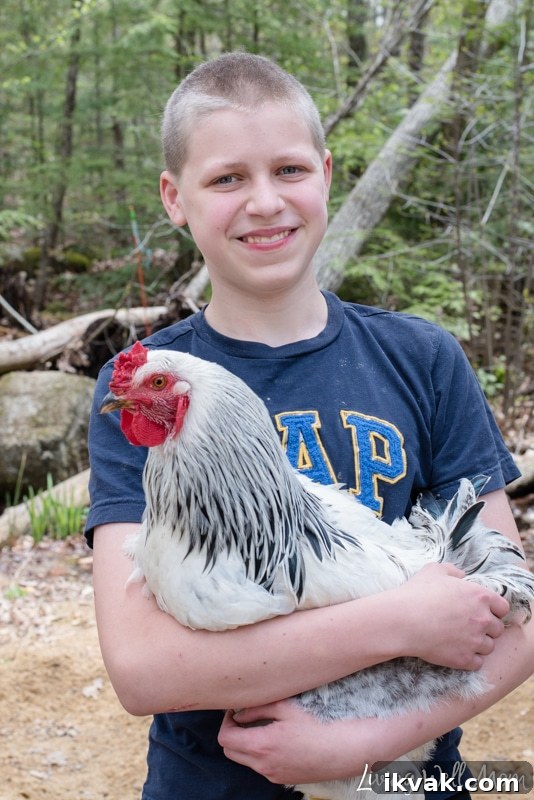
My son, Nathan, has high-functioning autism, commonly referred to as Asperger’s syndrome.
Today I want to share our autism story—from the early signs that led to his diagnosis to where we are now.
Nathan is 14 now. He was diagnosed with autism at age 11.

The Beginning:
He was born in 2003, a happy, healthy baby who met early milestones. Motherhood was new to me, and everything seemed fine until Nathan was about 15 months old. He began to change—he stopped babbling and avoided eye contact. The pediatrician reassured me he was fine, but by age three he still wasn’t talking and was essentially non-verbal.
During those early years he communicated with screams, whines, and repetitive noises. He stimm ed by rocking back and forth in his crib and needed that motion to fall asleep. Doctors kept saying boys often talk later, but our instincts told us something was different.
Physically he was meeting milestones and generally healthy, but his social and communication skills lagged. By four he began to add words and then caught up quickly, though the feeling that something was “off” never left me.
We had him evaluated through our school district. They identified a speech delay but did not diagnose autism or ADHD. We enrolled him briefly in a special-ed preschool for speech therapy, but he was the most advanced child there and I worried the environment might not be the right fit, so we pulled him and I stayed home with him.
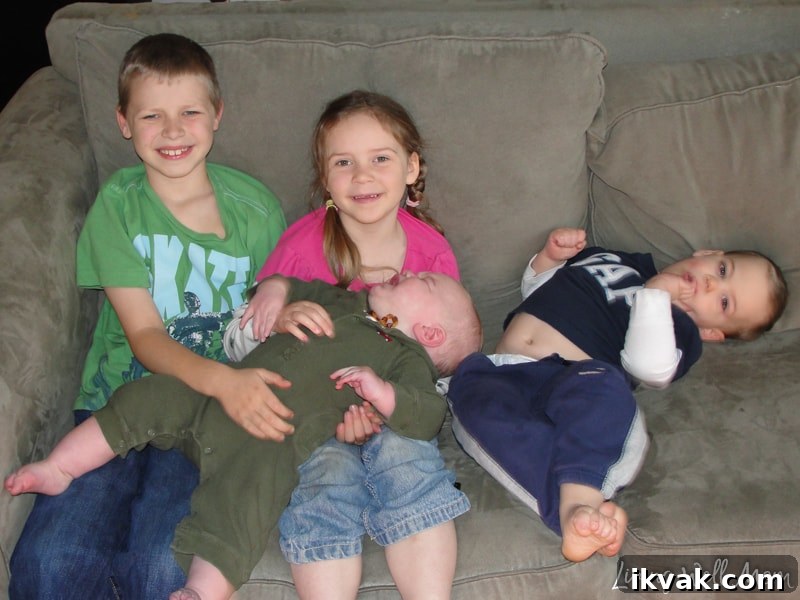
When our daughter Emily was born and Nathan was homeschooled for kindergarten, it became clear he was academically capable. He was gifted in many areas, but behavioral challenges remained. He threw major tantrums, overreacted to small changes, hated having his hair cut or his ears touched, and didn’t understand non-verbal cues. He didn’t respond to pointing or warning looks the way other children did.
Several doctors suggested ADHD, but nothing definitive was identified. As he grew, his rigidity and difficulty with changes in routine intensified. By age eight I had three younger children and was exhausted, managing my own health struggles while trying to support Nathan.

After struggling through third grade, we decided to transition Nathan into public school for fourth grade. He started without an IEP and initially did well, but soon boredom and overstimulation led to acting out. He learned behaviors that reduced stimulation—like trips to the guidance counselor—and began to come home overstimulated and prone to outbursts and aggression toward family members.
School:
School staff did not initially suspect autism or ADHD, but his daily challenges made it clear to us something deeper was present. Therapy helped briefly but not enough. By that Christmas we pulled him from school and homeschooled again while seeking further evaluation.
Searching for Answers
We worked with different therapists and pursued testing. Early assessments placed Nathan in a gray area—showing ADHD and unclear results for autism. He also tested with a very high IQ—nearly 140—and evaluators felt his frustration during testing likely suppressed that score.
Our family doctor suggested testing for MTHFR, a genetic marker often found in children with autism. The test was positive and we began B-vitamin supplementation. We also removed dyes, corn syrup, and high-fructose corn syrup from Nathan’s diet. These changes helped, though they didn’t resolve everything. This period marked the start of our exploration into natural supports.
After a five-month wait we finally saw a pediatric neurologist who provided a definitive diagnosis: autism spectrum disorder, specifically high-functioning autism (previously called Asperger’s), along with Semantic-Pragmatic Disorder—a language processing issue affecting social communication.
The Official Diagnosis
Receiving the official diagnosis in April 2014 brought a mix of emotions: relief, validation, and sadness. I no longer blamed myself for Nathan’s struggles, but hearing he would be listed in the state autism registry was difficult to hear. The neurologist recommended ABA therapy, but insurance and logistics made intensive ABA unworkable for our family.
Thankfully Nathan qualified for an IEP. We finished fifth grade at home and enrolled him in public middle school for sixth grade. His school was supportive, and we learned to advocate effectively for his needs. Working with teachers and administrators, we developed plans that reduced stress and helped him succeed.
Our Life Now
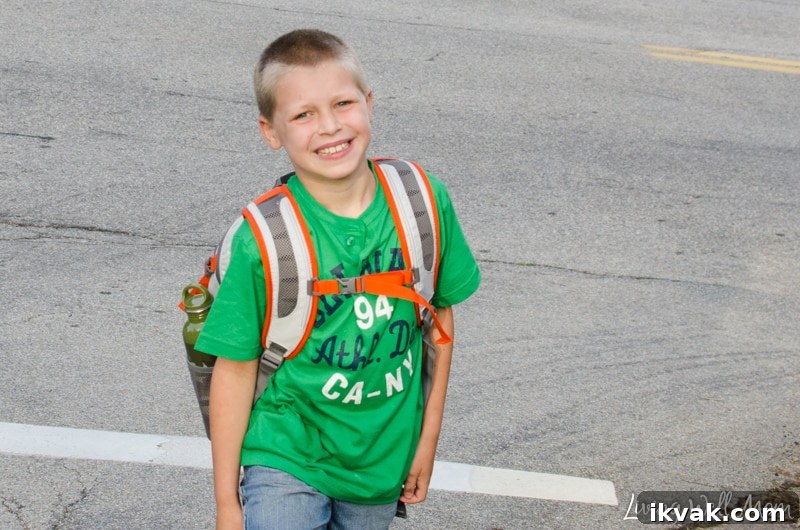
We tried medication once before the autism diagnosis and he reacted poorly, so we stopped. Since then we’ve focused on natural approaches that produced sustained improvements. It has taken time and persistence, but Nathan is doing very well. He isn’t “fixed”—this journey continues—but he’s on a positive path.
Recent visits with our practitioner highlighted how far he’s come. Notes from several years ago painted a different picture—one of frequent meltdowns and extreme overstimulation. Now he can sit calmly for extended periods, make eye contact more often, answer questions, and even offer to swap seats so I can be comfortable—small moments that mean a great deal.
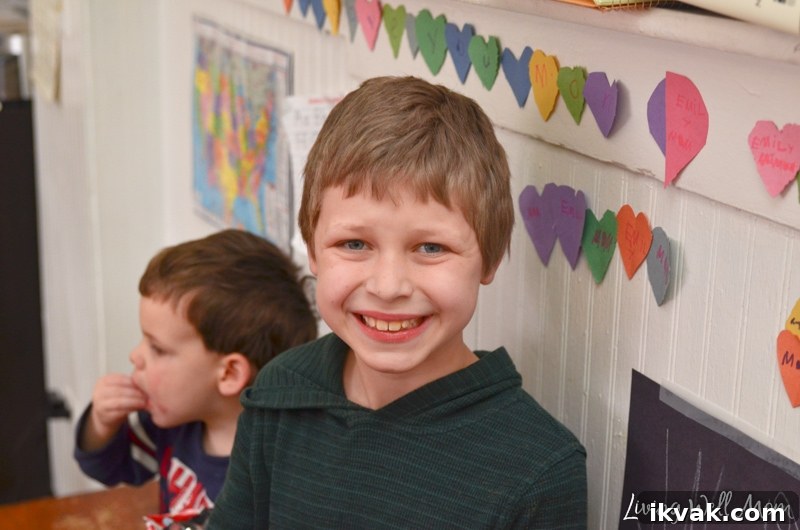
Nathan has become kinder, more responsible, and more aware of others. He still experiences upset occasionally, but episodes are less frequent and less intense, and he’s learning to ask for help rather than spiraling.

This path isn’t finished. We continue to explore strategies, supports, and therapies to help Nathan thrive. My goal in sharing our story is to offer encouragement: progress is possible, and hope matters.
This journey isn’t easy, but it is entirely possible to help these amazing kids reach a good place.
Keep moving forward. Take it one day at a time. There is always hope.