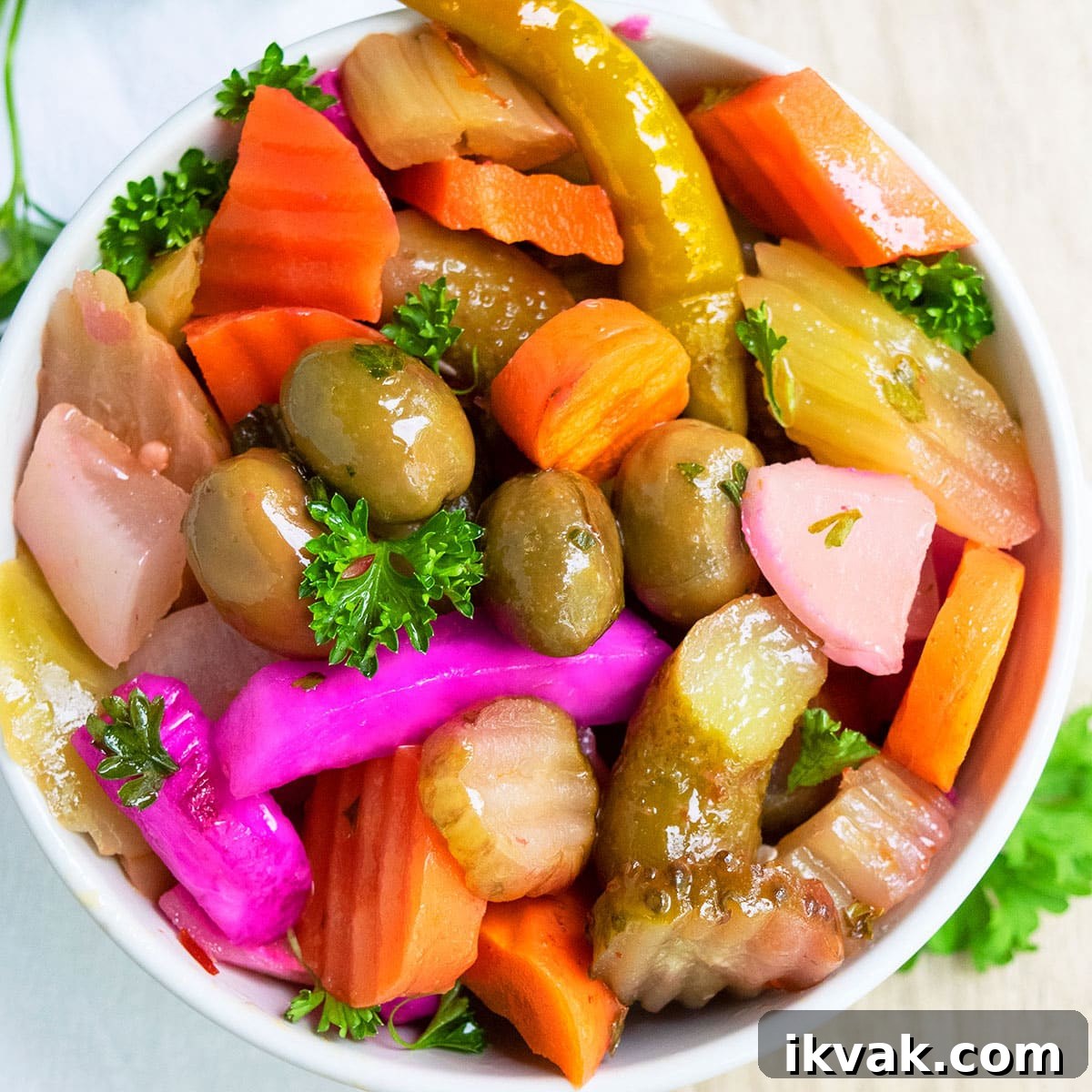
The best quick and easy pickled vegetables recipe—homemade with simple ingredients in one pot on the stovetop in about 20 minutes. These refrigerator pickles combine a variety of vegetables, fresh herbs, spices, and a straightforward vinegar brine for tangy, crunchy results.
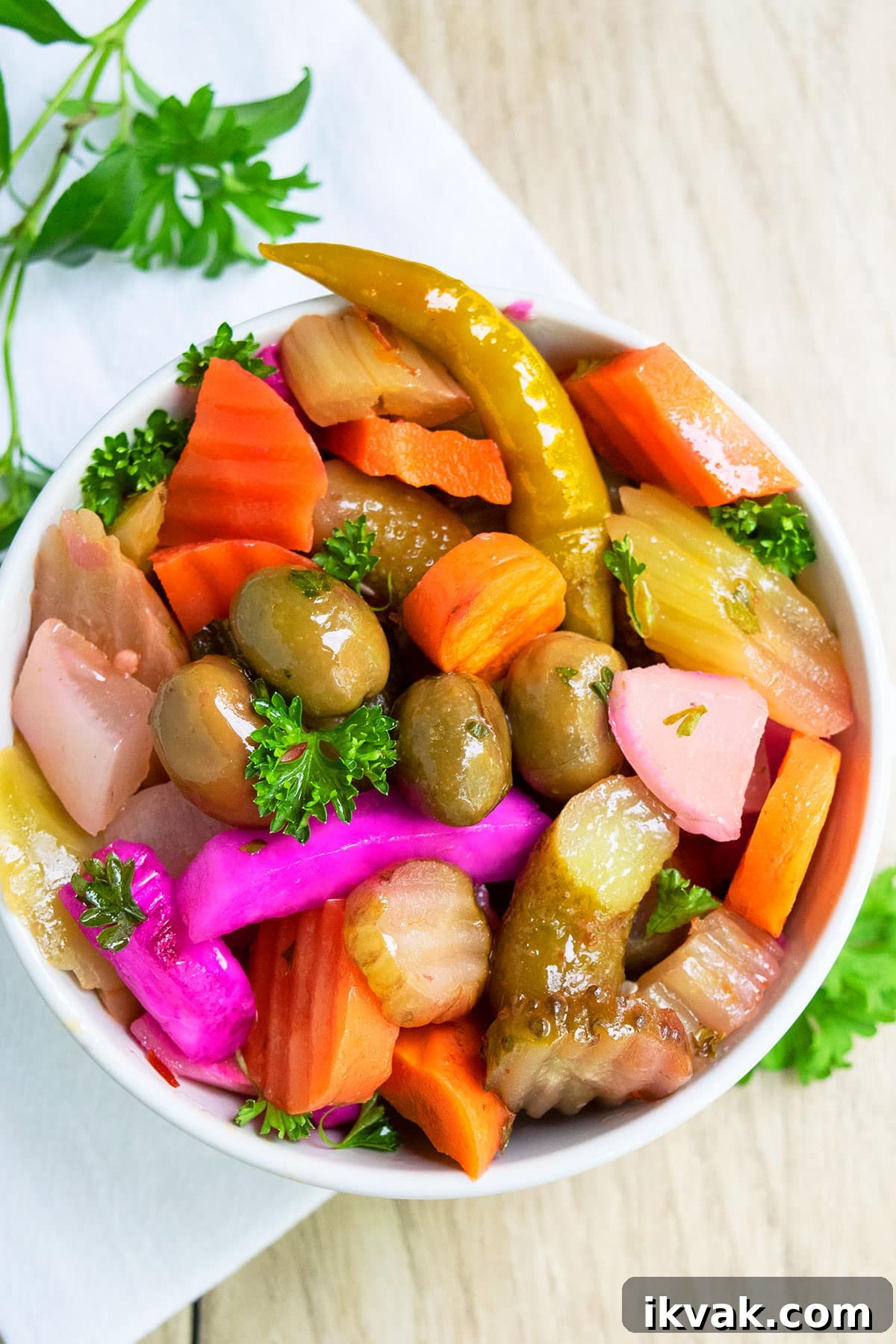
Pickling is an excellent way to preserve summer produce. This refrigerator-method recipe requires no canner or hot water baths and stores well in the fridge for weeks. If you prefer longer storage, see the canning section below for simple instructions.
Key ingredients
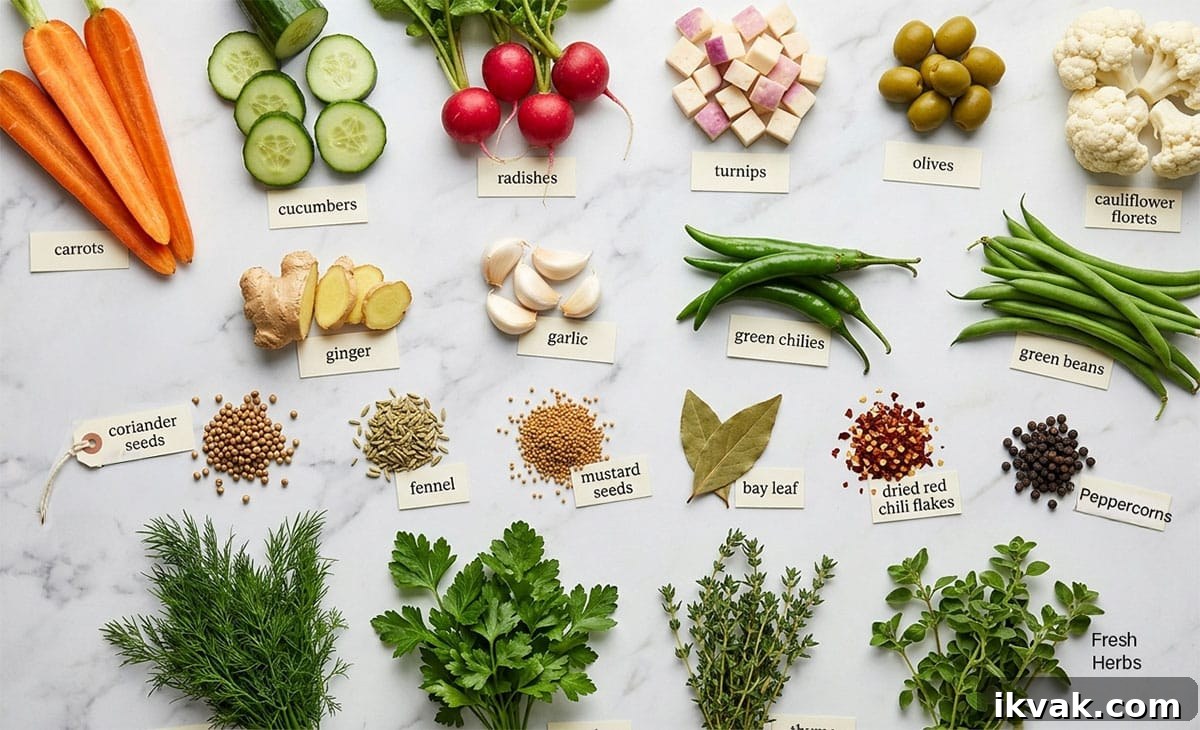
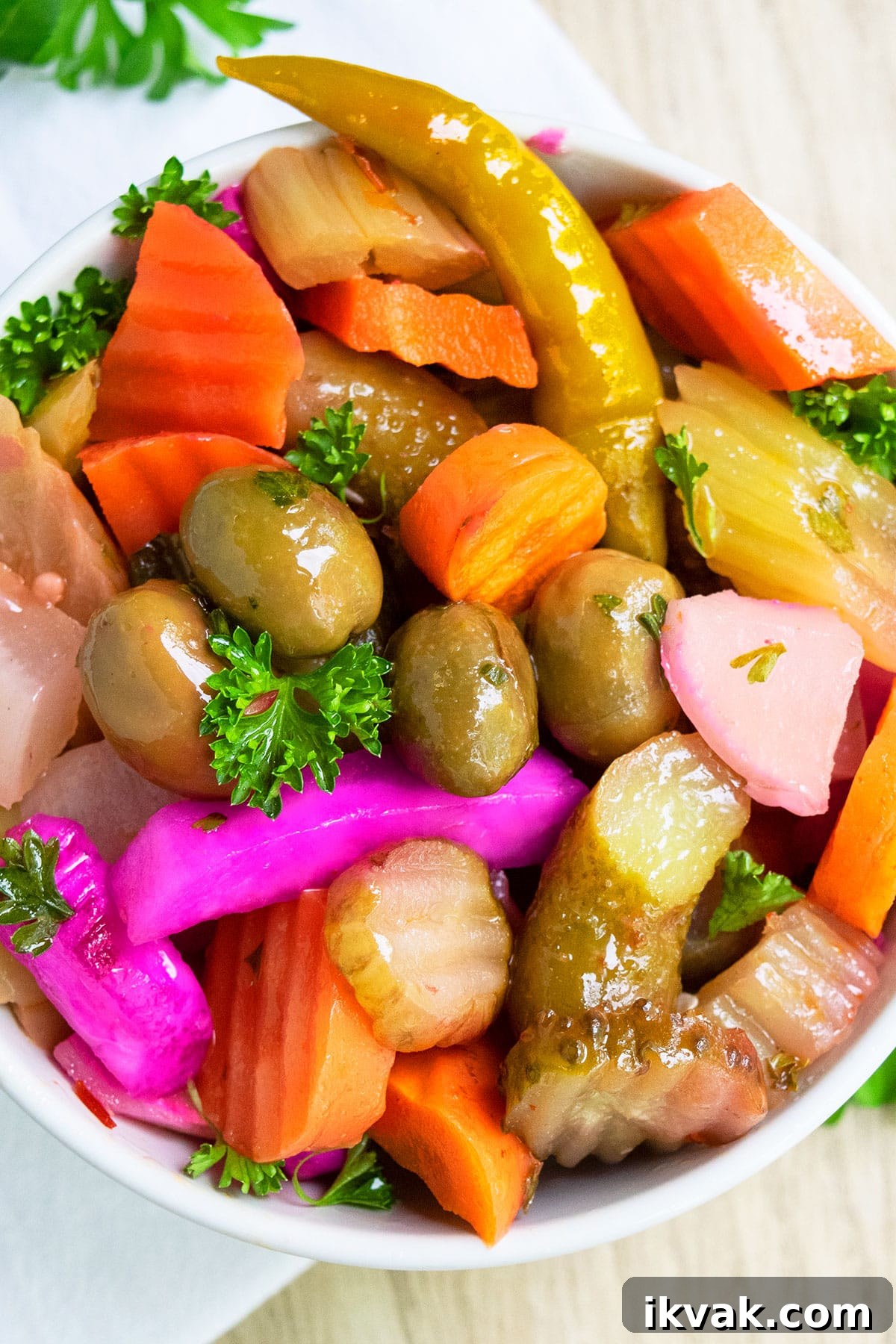
- Vegetables – Use a mix such as carrots, cucumbers, radishes, turnips, olives, cauliflower, green beans, garlic, and green chiles.
- Fresh herbs – Try dill, parsley, rosemary, sage, or thyme.
- Spices – Consider fresh ginger, coriander seeds, fennel, mustard seeds, bay leaves, red chili flakes, and peppercorns.
How to make easy pickled vegetables from scratch
- Prepare vegetables – Wash and chop your vegetables, then pack them into clean mason jars.
- Add herbs and spices – Divide fresh herbs and spices evenly between jars.
- Make the brine – Heat water, vinegar, sugar, and salt in a pot until the sugar and salt dissolve and the mixture comes to a boil.
- Pour brine over vegetables – Use a funnel and fill each jar so the liquid fully covers the vegetables, leaving about ½ inch of headspace.
- Seal and cool – Close jars tightly, let them cool to room temperature, then refrigerate.
- Enjoy – Pickles are edible after 24 hours but develop more flavor after a few days.
What vegetables are good for pickling?
- Cucumbers
- Radishes
- Turnips
- Carrots
- Asparagus
- Green beans
- Jalapeno
- Onions (especially red)
- Cauliflower
- Peppers
- Tomatoes (cherry or green)
- Garlic
- Broccoli
- Cabbage
- Brussels sprouts
- Okra
What to serve with pickled veggies
- Use as a condiment on sandwiches, burgers, and hot dogs.
- Topping for tacos for a bright, acidic contrast.
- Serve on a charcuterie or appetizer board for variety and crunch.
- As a tangy side dish with pizza or grilled meats.
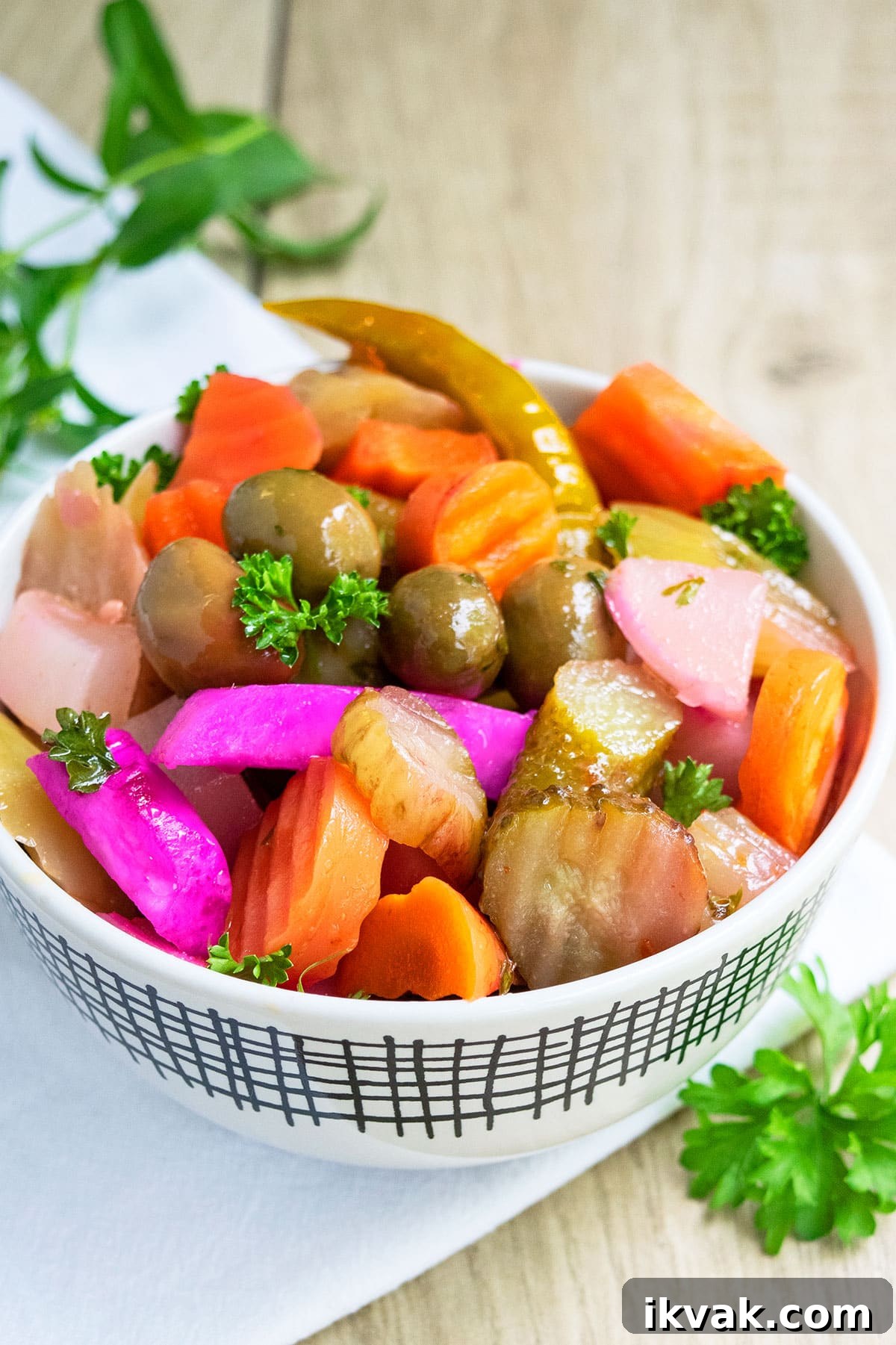
How to can pickles
To store pickles long-term, use a simple hot-water canning method:
- Bring a large pot of water to a rolling boil.
- Sterilize jars and lids by boiling or following standard sterilization steps.
- Fill jars with prepared vegetables and herbs.
- Pour hot brine over the contents, leaving about ½ inch headspace.
- Remove air bubbles, wipe rims, and place lids on securely.
- Place jars in boiling water for a few minutes (processing time will vary by altitude and recipe). Let cool and check that lids have sealed properly.
Tips and techniques
- Adjust spices – Tailor herb and spice amounts to your taste.
- Make it spicy – Add extra red chili flakes, jalapeños, or green chiles.
- Control sweetness – Adjust granulated sugar to taste; brown sugar will darken the brine.
- Pick vegetables you enjoy – Use a single variety or a mix; firm vegetables stay crisper longer.
- Pack jars well – Fill jars tightly but leave headspace for the brine.
- Vinegar choices – White, apple cider, rice, red wine, or white wine vinegar all work; combinations are fine.
- Herbs and spices – Options include ginger, garlic, fennel, coriander, mustard, bay leaf, dill, parsley, thyme, oregano, rosemary, or sage.
- Flavor development – The longer they rest in brine, the deeper the flavor; however, long soaking softens texture.
- Cool before refrigerating – Let jars reach room temperature first to avoid cracking glass.
- Scale recipe – Halve or double ingredient amounts to make more or less.
- Get creative – Try regional spice blends like Mexican, Indian, Jamaican, Italian, Asian, or Mediterranean seasonings for unique flavors.
Recipe FAQs
Pickling preserves food in a vinegar brine. The process changes texture and flavor, producing tangy, sometimes sweeter results depending on the recipe. Pickling can be applied to vegetables, fruits, and some proteins.
Yes. While many pickles are vegetables, fruits such as peaches, pears, grapes, figs, tomatoes, lemons, and pineapple can also be pickled depending on the brine and spices used.
Choose naturally firm vegetables (cauliflower, turnips, radishes, carrots, cucumbers). Shorter soak times retain more crunch; longer marinating will intensify flavor but soften texture.
Storage
- Refrigerate – Store in an airtight container in the fridge for up to 1 month.
- Freeze – Not recommended; freezing alters texture.
- Make ahead – Prepare up to a few weeks in advance; flavor improves after a day or two.
- Reheat – Typically served cold, though you can warm them briefly if desired.
More easy condiments
- Homemade cranberry sauce
- Easy cranberry relish
- Cheddar cheese sauce
- Basil pesto
- Creamy dill dip
Recipe
One Pot Pickled Vegetables
Ingredients
- 6 cups mixed vegetables (turnips, radishes, carrots, cucumbers, green chiles, raw olives, cauliflower, green beans, etc.)
Herbs and Spices
- 6–8 garlic cloves
- 2 tsp thinly sliced ginger
- 1 tbsp coriander seeds
- 2 tsp fennel seeds
- 1 tsp mustard seeds
- 1 bay leaf
- 1 tsp red chili flakes
- 1 tsp black peppercorns
- 3 sprigs fresh herbs (dill, parsley, thyme, oregano, rosemary, or sage)
Brine
- 3 cups water
- 2 cups vinegar (your choice)
- 2 tbsp salt
- 3–4 tbsp granulated sugar (adjust to taste)
Instructions
- Wash and roughly dice the vegetables. Some items, like green beans and chilies, can be left whole.
- Pack vegetables into two wide-mouth quart jars, leaving about 1 inch of headspace.
- Divide herbs and spices between the jars.
- In a saucepan, combine water, vinegar, salt, and sugar. Bring to a boil, stirring until dissolved.
- Using a funnel, pour hot brine into each jar so vegetables are completely submerged, leaving ½ inch headspace.
- Seal jars tightly and let cool to room temperature.
- Refrigerate. Pickles are ready in 6–8 hours but taste best after 24 hours. Store up to 1 month in the fridge (or process for canning for longer storage).
Notes
- Follow the tips in the Tips and Techniques section above.
- These keep in the fridge for up to 1 month; canning extends shelf life—see canning instructions above.
Nutrition
Nutrition estimated with an automated tool and may not be exact.