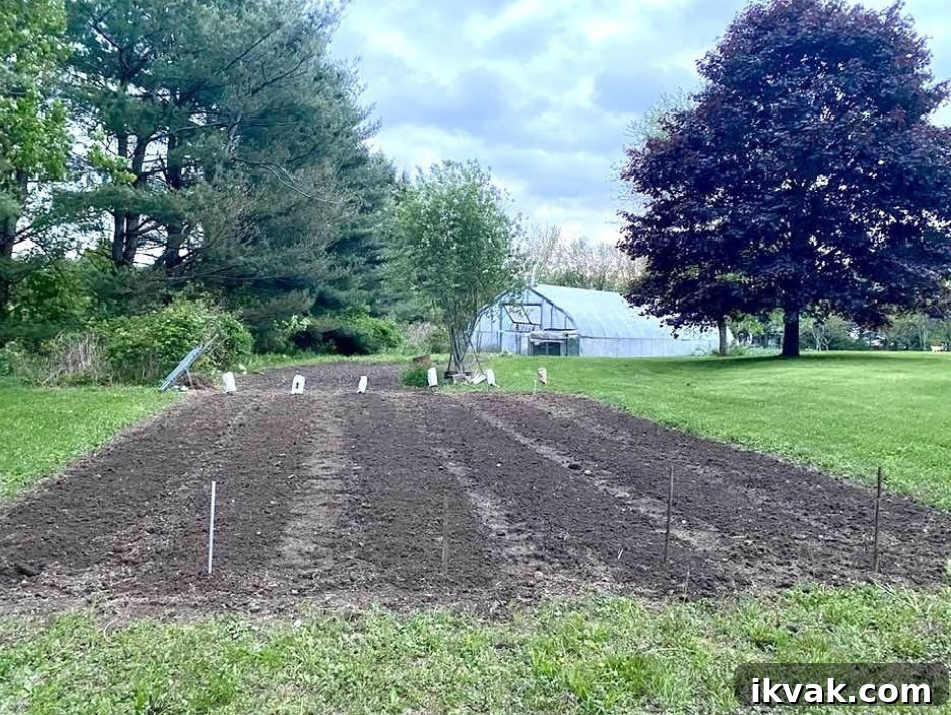
This video demonstrates how to plant rows of potatoes in a home garden. On our zone 6 homestead we produce roughly 100 pounds of potatoes each year by planting six 30-foot rows. Rows are spaced 4 feet apart, tubers are set about 4 inches deep and 8–10 inches apart. Jamie has been cultivating large organic gardens for nearly 40 years and has grown potatoes for about half that time.
Planting potatoes in rows is simple when you follow a few proven guidelines. Choose a sunny spot with loose, well-draining soil. Potatoes prefer full sun and benefit from soil that has been loosened to allow tubers to expand. If your soil is heavy clay, amend it with compost or well-rotted organic matter to improve texture and fertility.
Spacing and Depth
For reliable yields, space rows about 4 feet apart to give a comfortable working aisle and reduce shading. Plant seed potatoes 4 inches deep and 8–10 inches apart within the row. This spacing balances vine growth and tuber development while making hilling and harvesting easier. In longer rows like our 30-foot examples, this spacing typically yields a substantial harvest without overcrowding.
Preparing Seed Potatoes
Use certified seed potatoes or healthy, disease-free tubers. A few days before planting, allow large seed pieces to dry and form a callus to reduce rotting. If cutting seed potatoes, keep pieces at least the size of a golf ball and include one or more eyes. Treat seed that shows any sign of disease by discarding it to protect the rest of your crop.
Planting and Care
Dig a shallow trench or hole about 4 inches deep, place the seed potato with the eye facing up, and backfill gently. As plants emerge and grow, hill soil around the stems to cover lower leaves and encourage additional tuber formation. Hilling also protects developing tubers from sunlight, which can cause greening and bitterness. Maintain even moisture—too little water reduces tuber size, while waterlogged conditions promote rot and disease.
Fertilizing and Rotation
Before planting, incorporate a balanced organic fertilizer or compost into the planting area. Potatoes respond well to moderate feeding; avoid excessive nitrogen, which promotes foliage at the expense of tubers. Practice crop rotation—avoid planting potatoes in the same spot year after year to reduce the buildup of soil-borne pests and diseases.
Harvest and Storage
New potatoes can be harvested when plants begin to flower. For mature potatoes, wait until foliage dies back. Carefully dig or fork up tubers to avoid bruising. Cure potatoes in a cool, dark, and well-ventilated place for a week or two to toughen skins before long-term storage. Store cured potatoes in a cool (but above-freezing), dark environment with good humidity to extend shelf life.
This straightforward approach—proper spacing, shallow planting, hilling, consistent moisture, and good seed selection—helps home gardeners achieve reliable potato harvests year after year. Watch the video above for a step-by-step visual guide and practical tips from an experienced organic gardener.