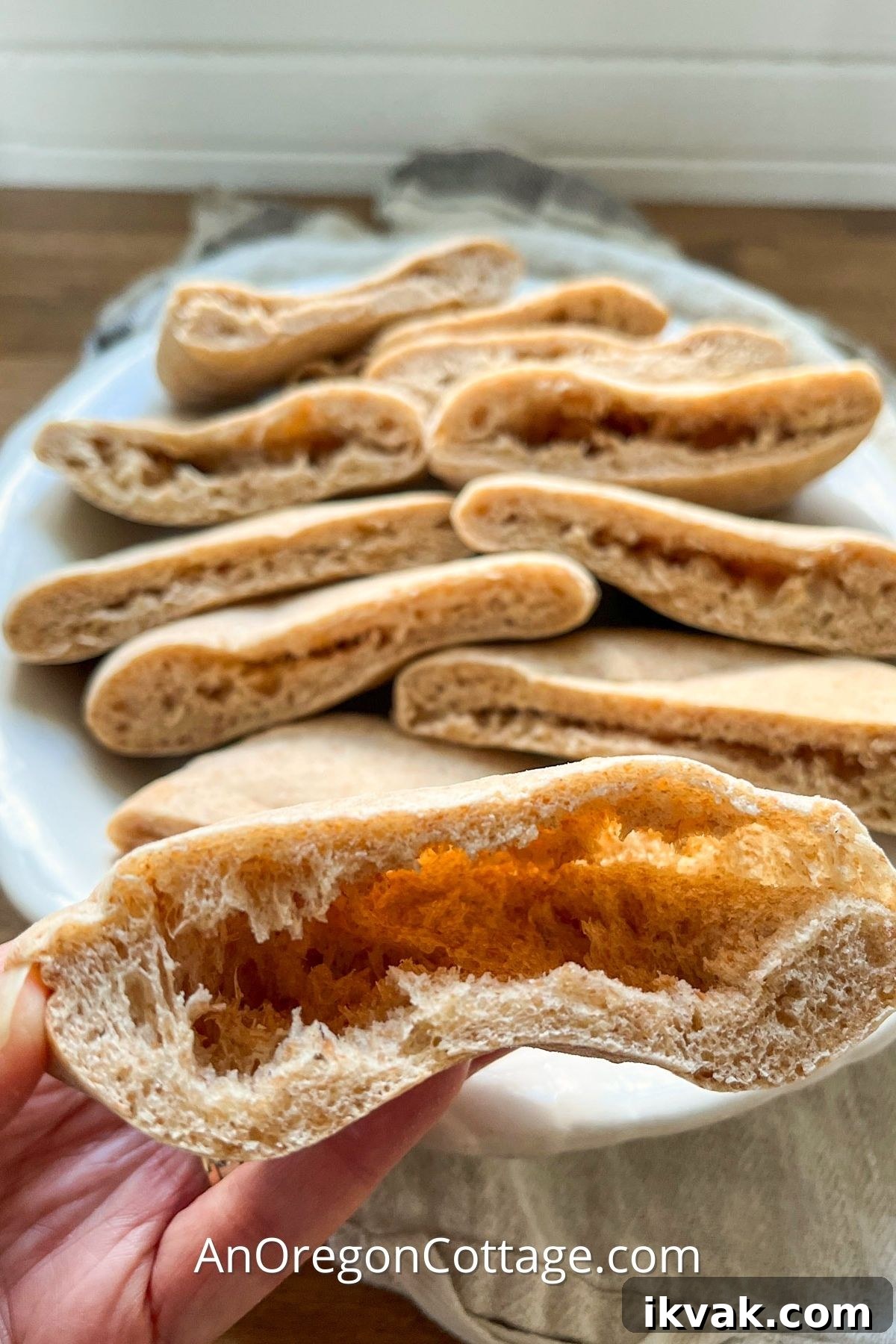
This homemade whole wheat pita bread is surprisingly simple, quick to make, and far tastier than the tough store-bought versions. It’s worth the effort and freezes beautifully for later.
✩ What readers are saying…
“This is a great recipe! My husband is part Arabic and he says this is just like the bread that his Arabic Grandmother made. That is a compliment because she was an excellent cook. Thanks for posting this with the great demo pictures.” -Rita
Some links in this article are affiliate links and if you click on them I will receive a small commission at no cost to you.
You can make pita bread at home — and it’s easier than you think.
It’s honest, quick (about an hour of rising time with only 25 minutes hands-on), and very satisfying to watch the pitas puff up in the oven.
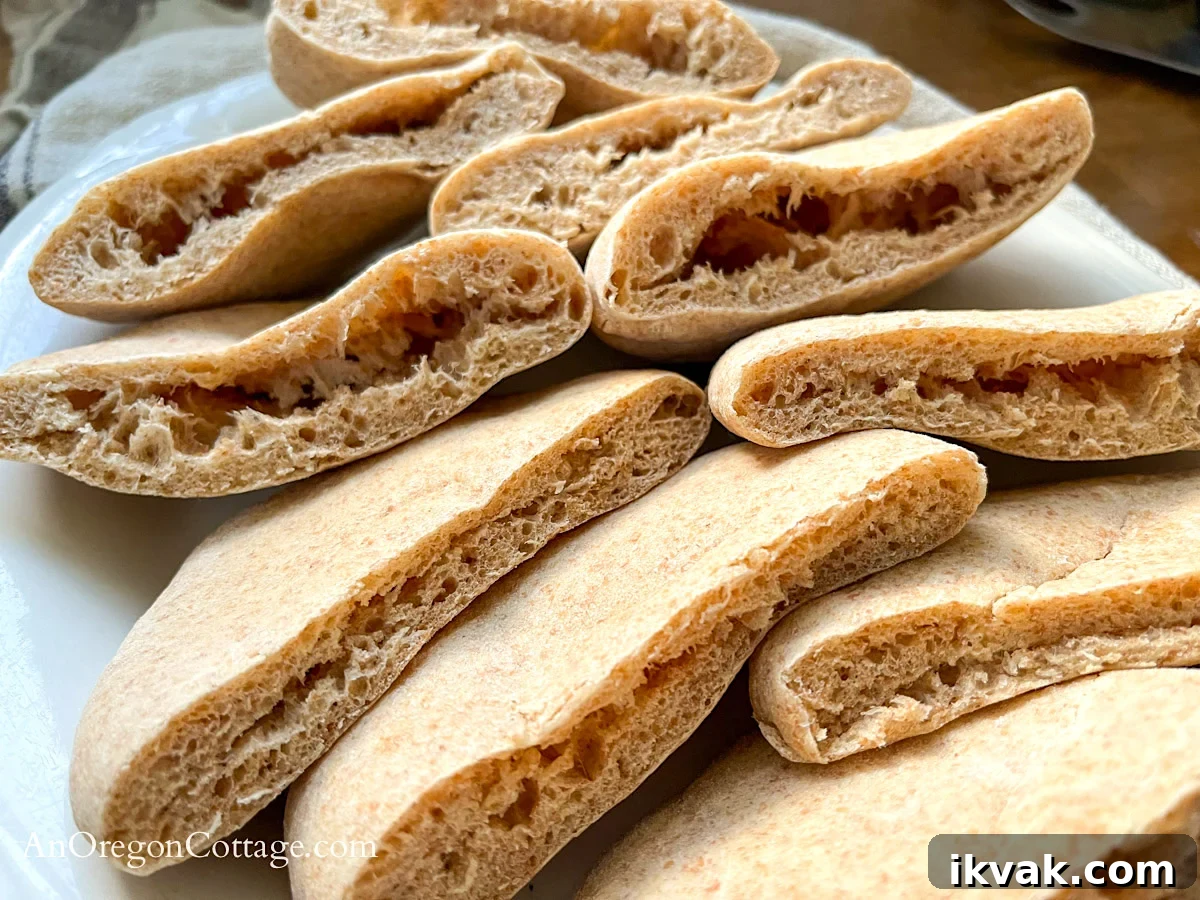
If a pita doesn’t form a pocket, you’ll have a pleasant flatbread similar to the Greek style — excellent for hummus or gyro wraps. Either way, it’s a win.
Why do pitas have pockets?
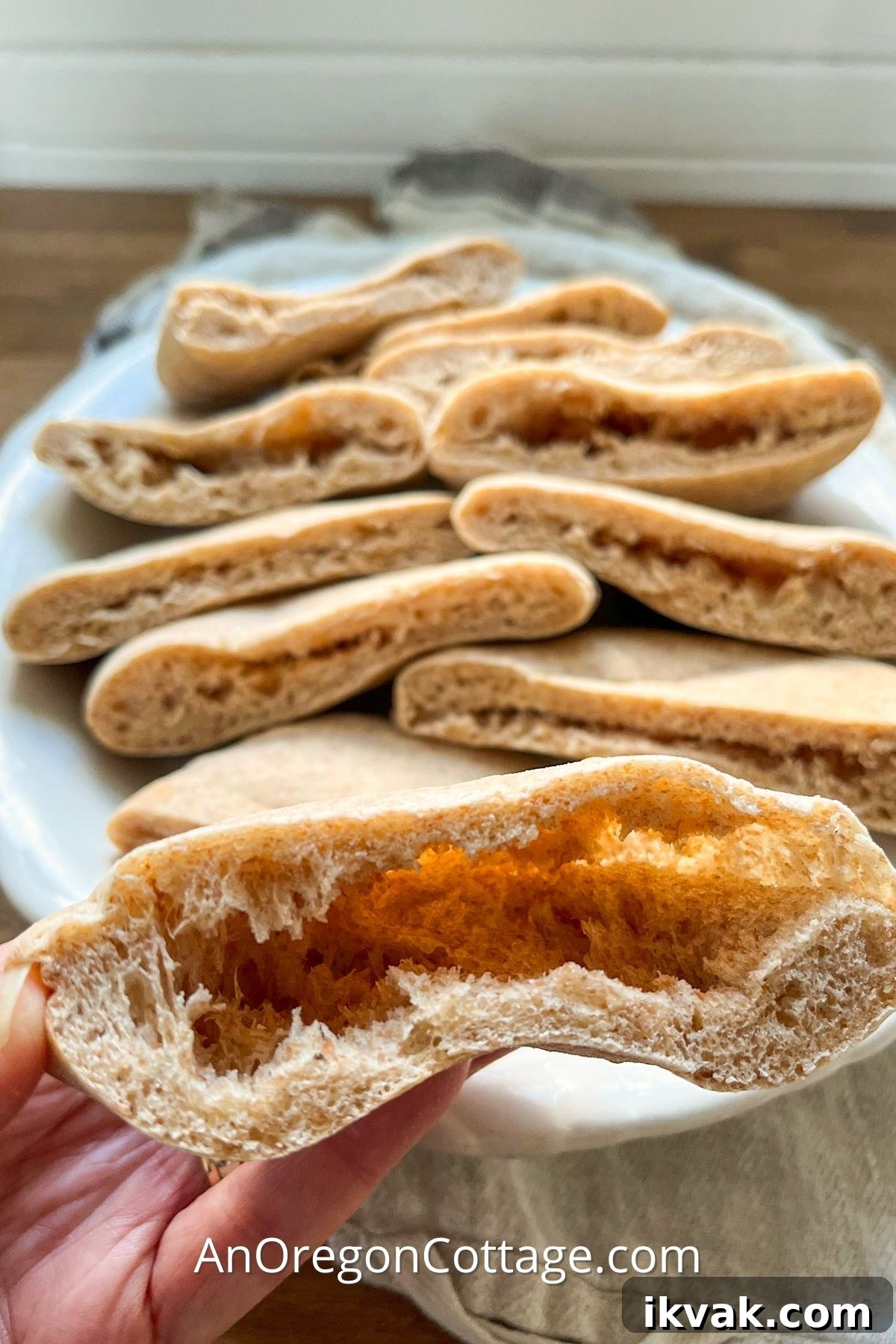
Pita pockets form because the bread is baked at high heat — 500°F in this recipe. The water in the dough quickly turns to steam, inflating the dough and creating separated layers that leave an open pocket once cooled.
Below you’ll find step-by-step photos and a video to make the process clear. I didn’t expect homemade pita to be this straightforward the first time I tried it, but it really is.
These pitas beat store-bought hands down — and cost much less than prepackaged pitas.
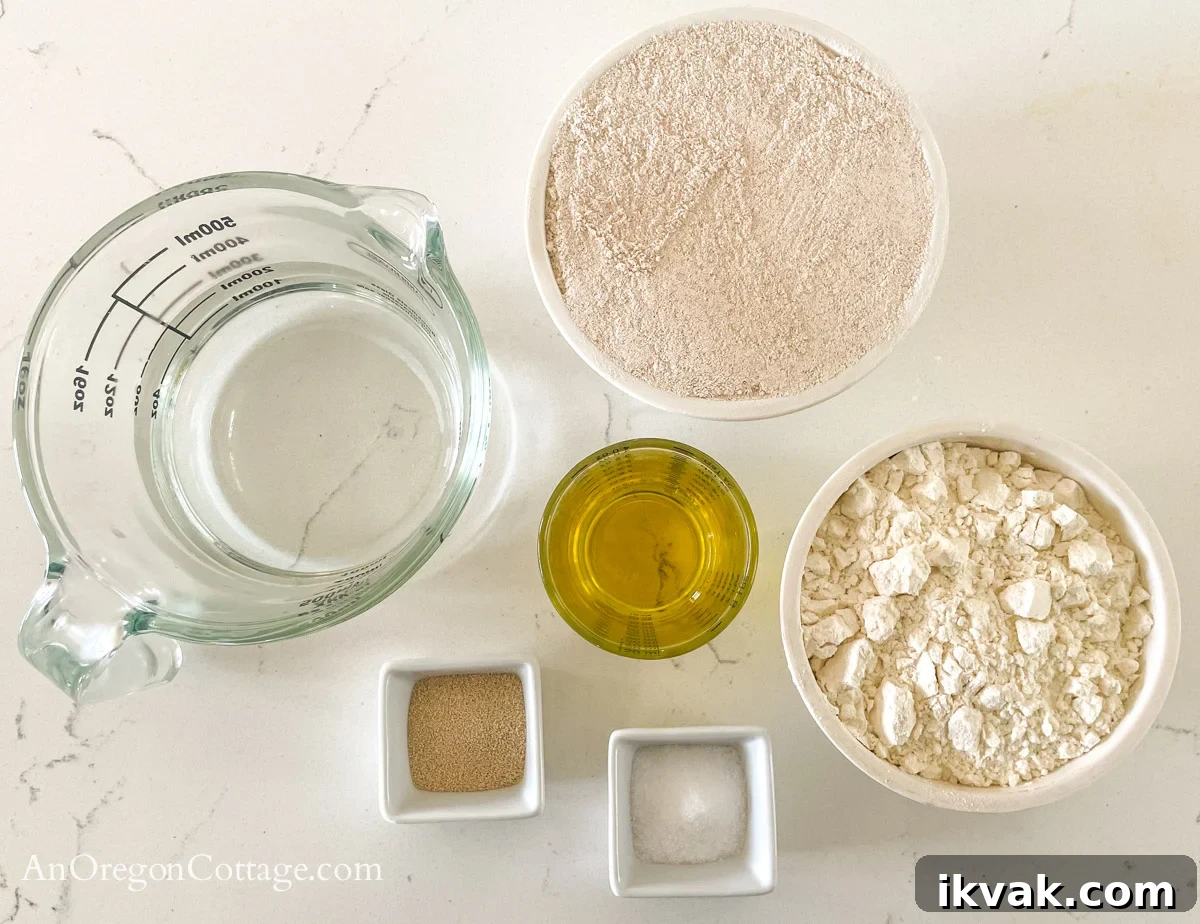
Ingredients Needed
- Whole wheat flour, spelt flour, or white whole wheat flour
- Unbleached white flour (optional — adding a cup lightens the loaf when using regular whole wheat)
- Salt
- Instant yeast (or active dry yeast, see note)
- Warm water
- Olive oil
Note on yeast: Instant yeast can be mixed with the dry ingredients. If you only have active dry yeast, proof it for 5 minutes in a bit of warm water and subtract that water from the total called for.
Steps to Make Pocket Pita Bread
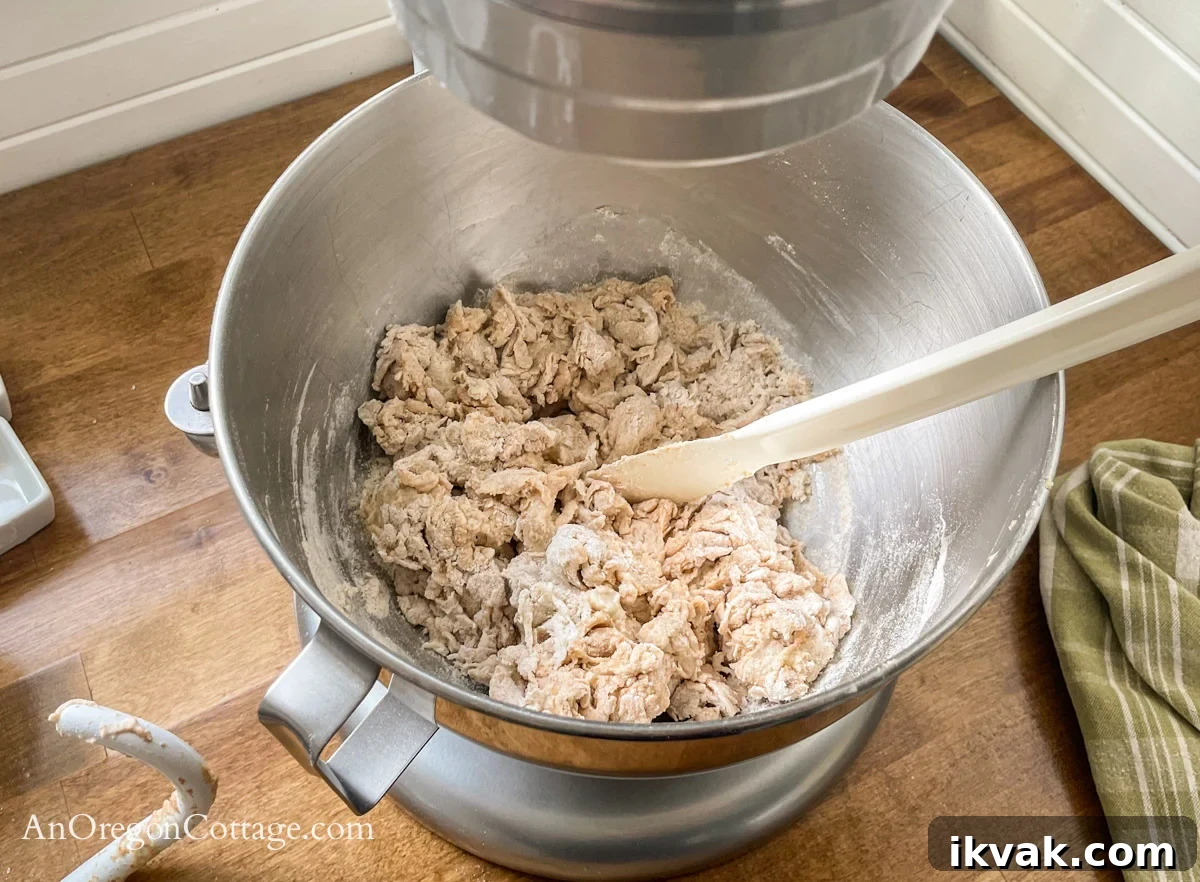
1. Mix the dough
Combine the flours, salt, and yeast in a bowl or stand mixer. Add the warm water and olive oil, then mix until the dough comes together into a shaggy mass.
You can mix by hand, but a stand mixer with a paddle or dough hook makes it easier.
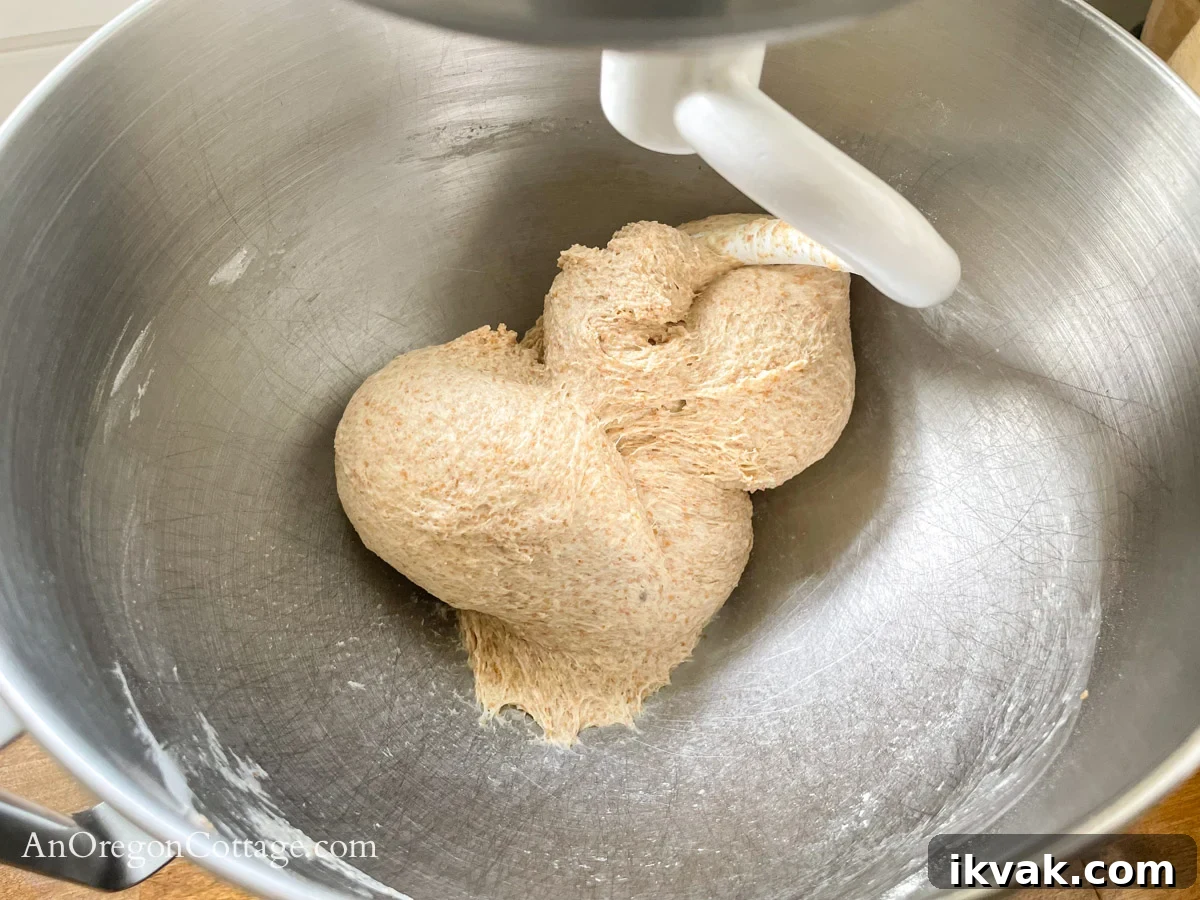
2. Knead the dough
Switch to a dough hook and knead for about 5 minutes in a mixer, or about 8 minutes by hand, until the dough is soft and slightly tacky. Whole grain doughs can cling to the bottom of the bowl; add small spoonfuls of flour only if absolutely necessary.
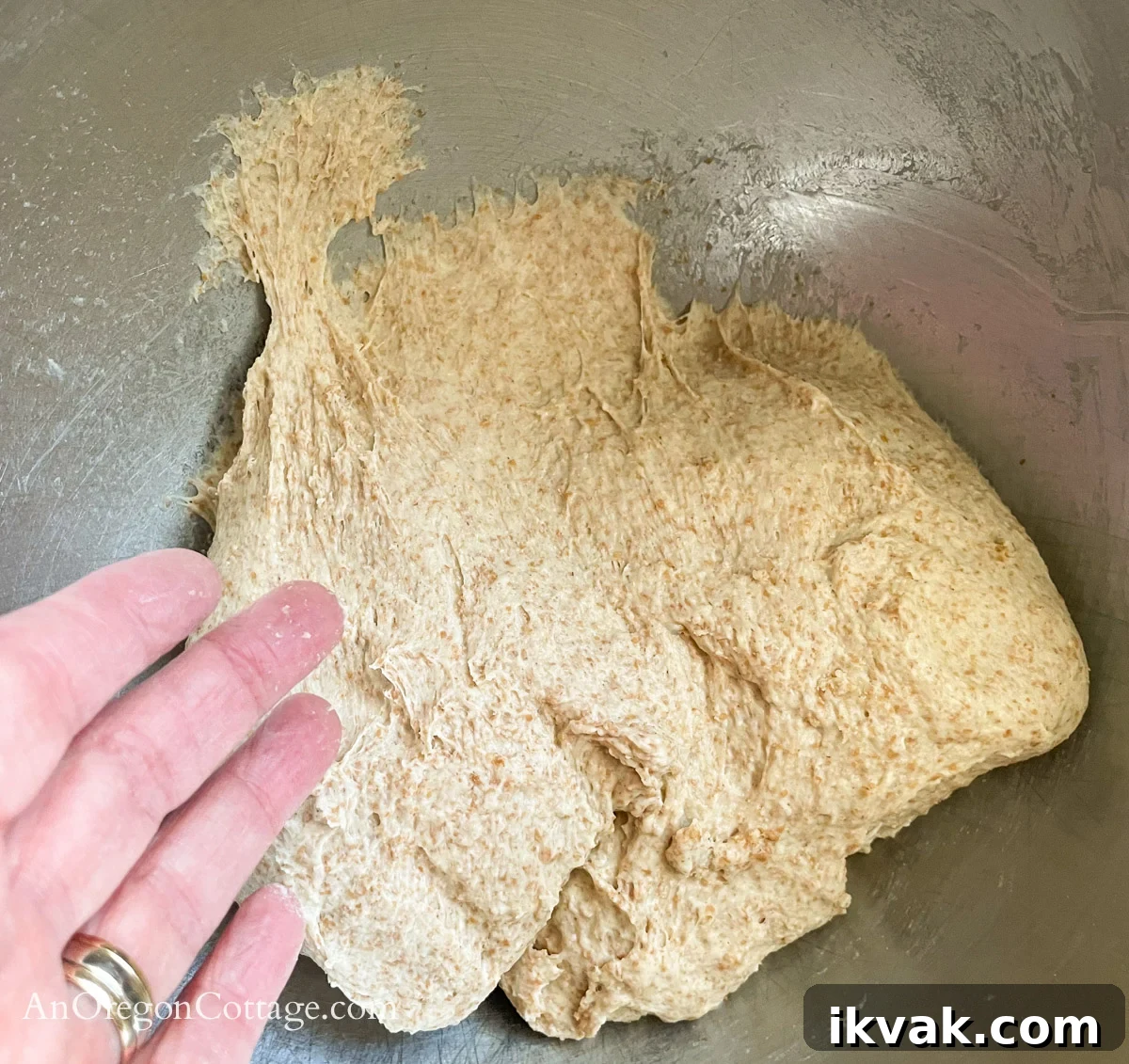
Look for a dough that has cleared the bowl sides but remains slightly sticky to the touch — not dry. That tackiness helps produce a lighter, better-risen bread.
If you want a lighter whole-grain pita, resist adding too much flour. A soft, slightly tacky dough yields the best results.
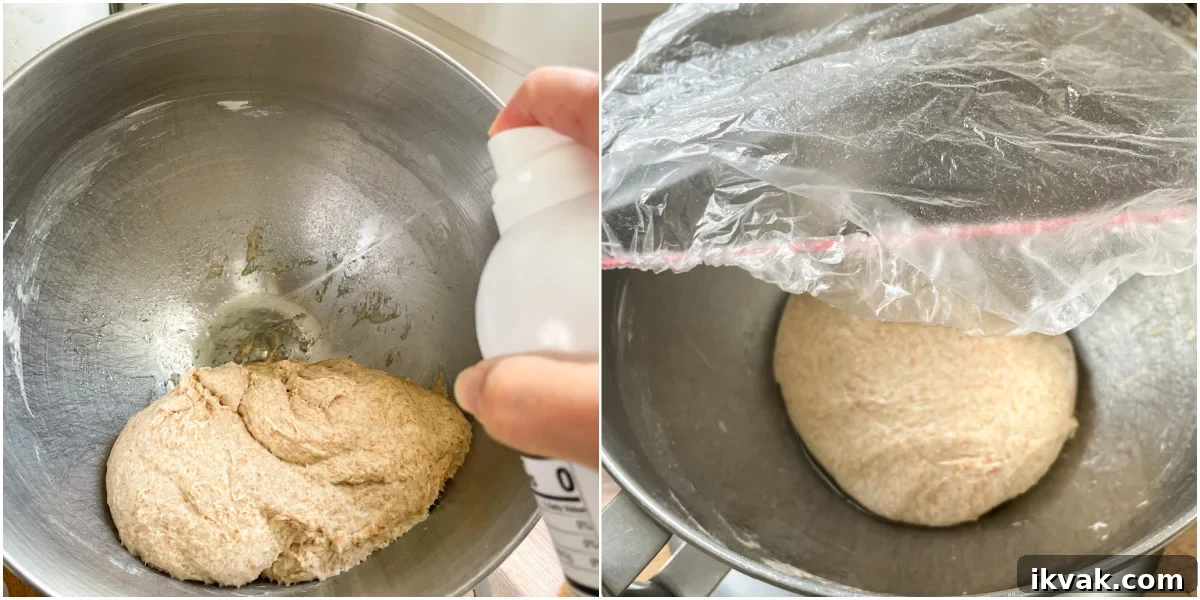
3. Let the dough rise
Cover the dough and let it rise in a warm place until doubled, about 1 to 1½ hours depending on your kitchen temperature.
Helpful tips: Use the mixing bowl for rising to save dishes — lightly oil the bowl so the dough can be turned into it. Cover the bowl tightly (reusable bowl covers or plastic work well) to keep the dough moist while it rises.
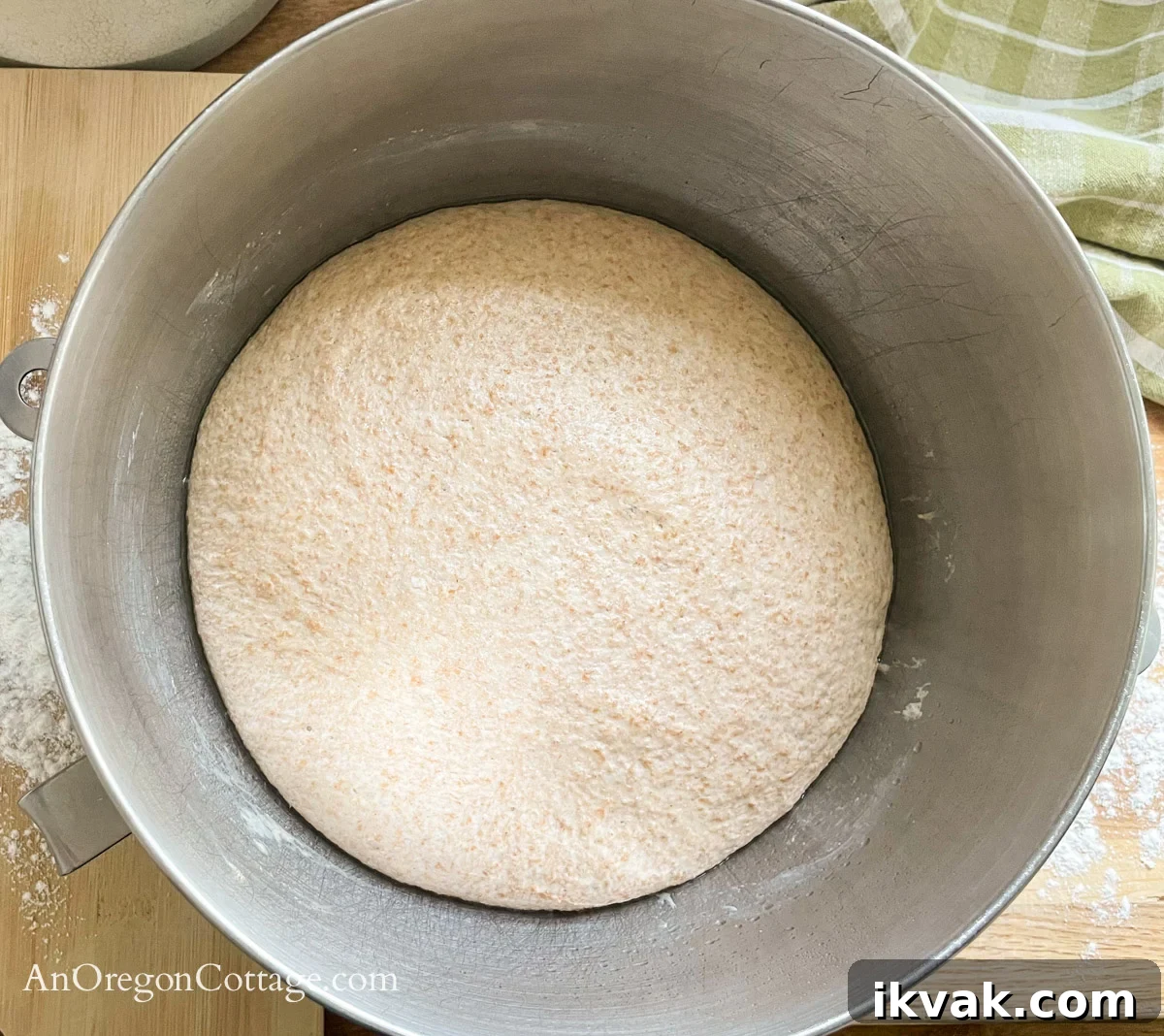
This is how the dough should look after it has doubled in size.
4. Preheat the oven
Preheat your oven to 500°F. High heat is what makes the pitas puff and form pockets.
5. Divide and shape
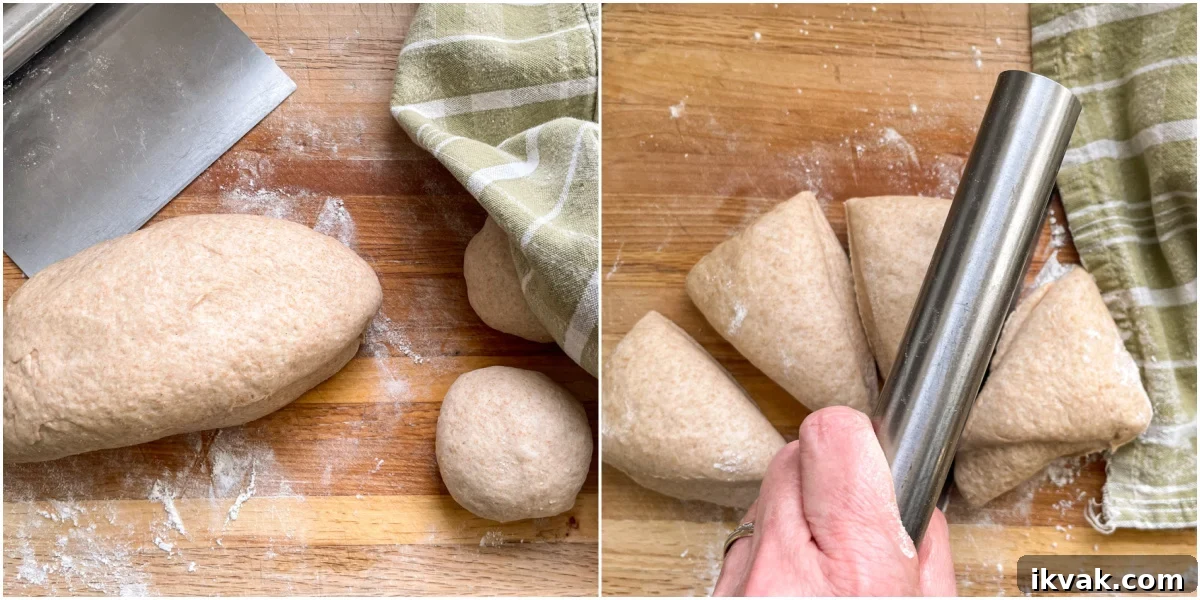
Turn the dough onto a lightly floured surface. Cut it in half, then divide each half into four pieces to make eight total. Shape each piece into a smooth ball and cover them with a slightly damp cloth to rest.
6. Roll out the pitas
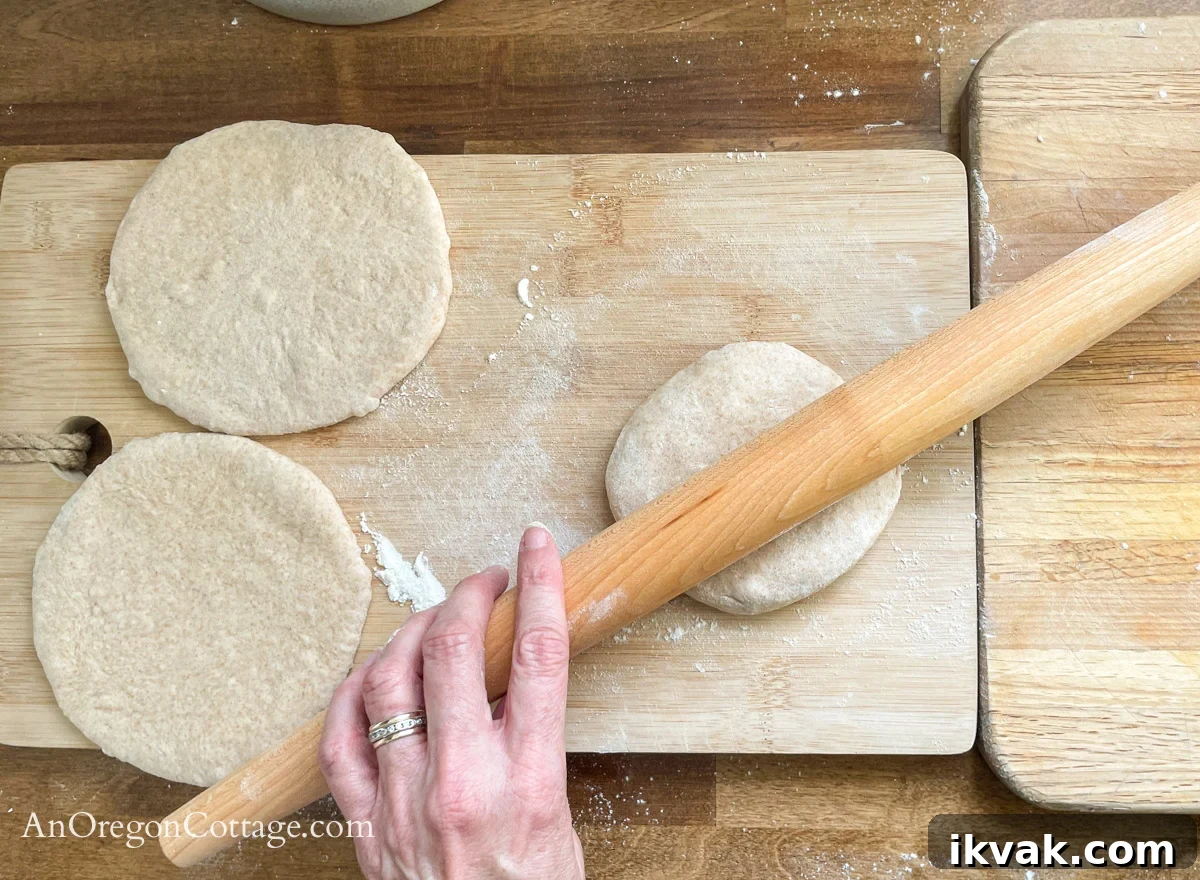
Let the balls rest about 5 minutes. Roll each ball into a circle roughly 6 inches across and about 1/4 inch thick, using only a little flour so the dough doesn’t stick.
7. Bake the pitas
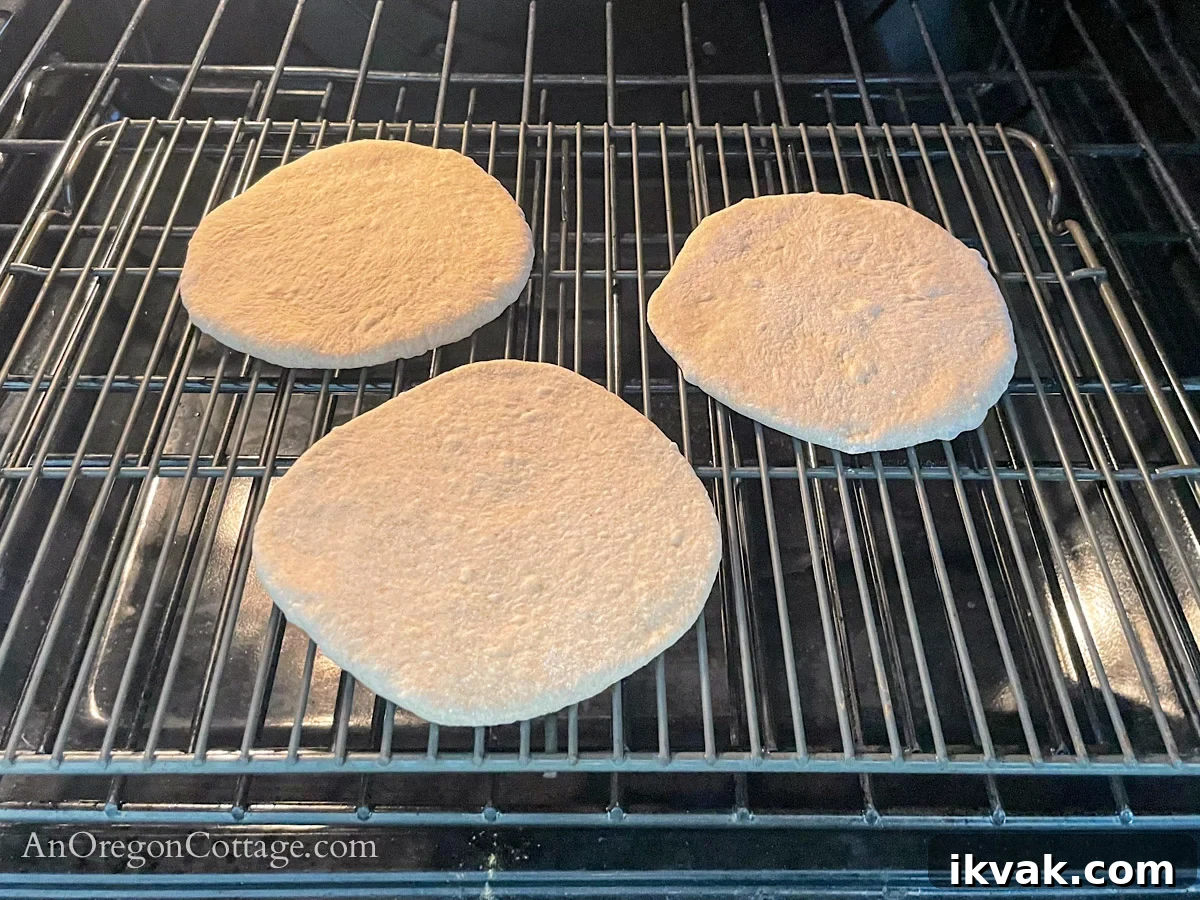
Place a baking or cooling rack directly on the oven rack (a baking stone works too). Lay 2–3 rolled pitas on the rack and bake 4–5 minutes at 500°F until puffed and lightly browned. There’s no need to flip them. While one batch bakes, roll the next set.
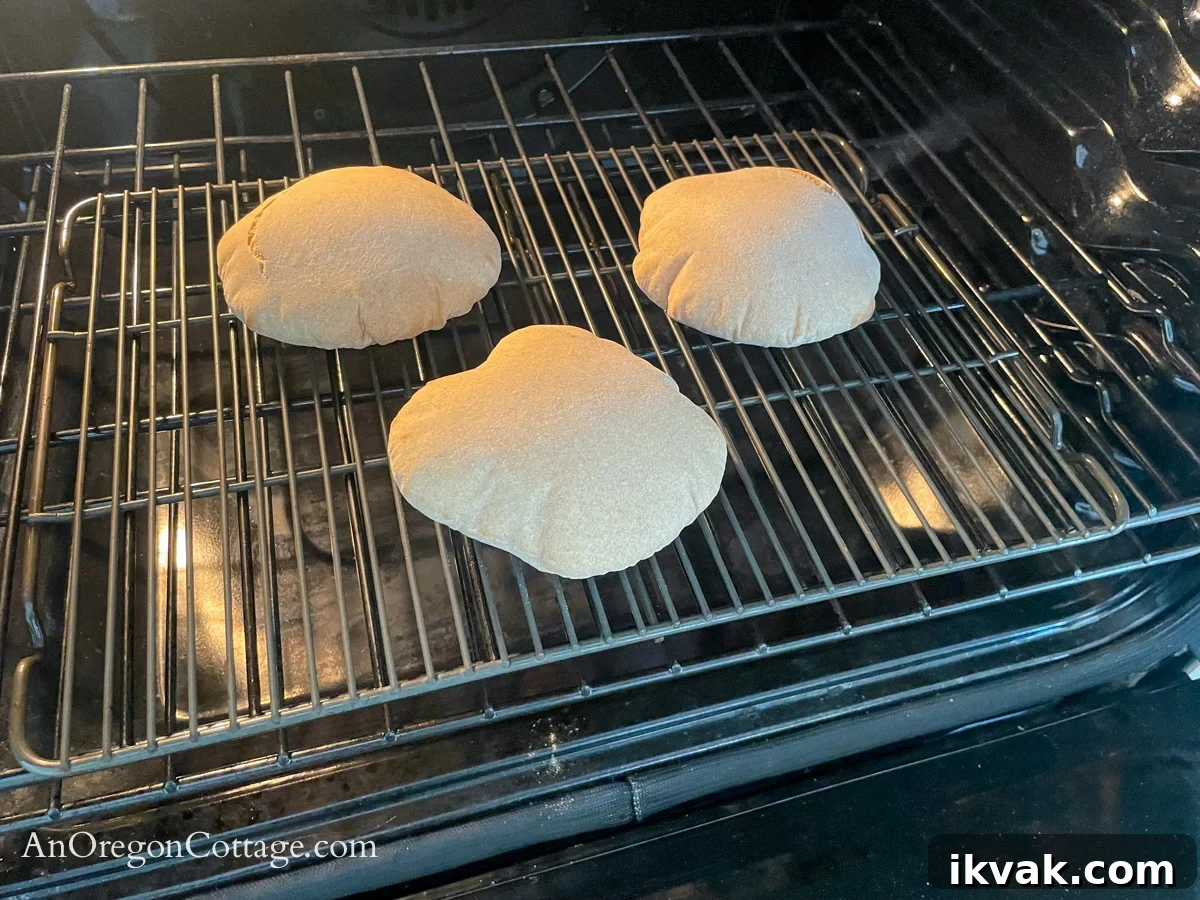
When they come out of the oven you’ll have puffy pockets — a fun moment for kids and adults alike.
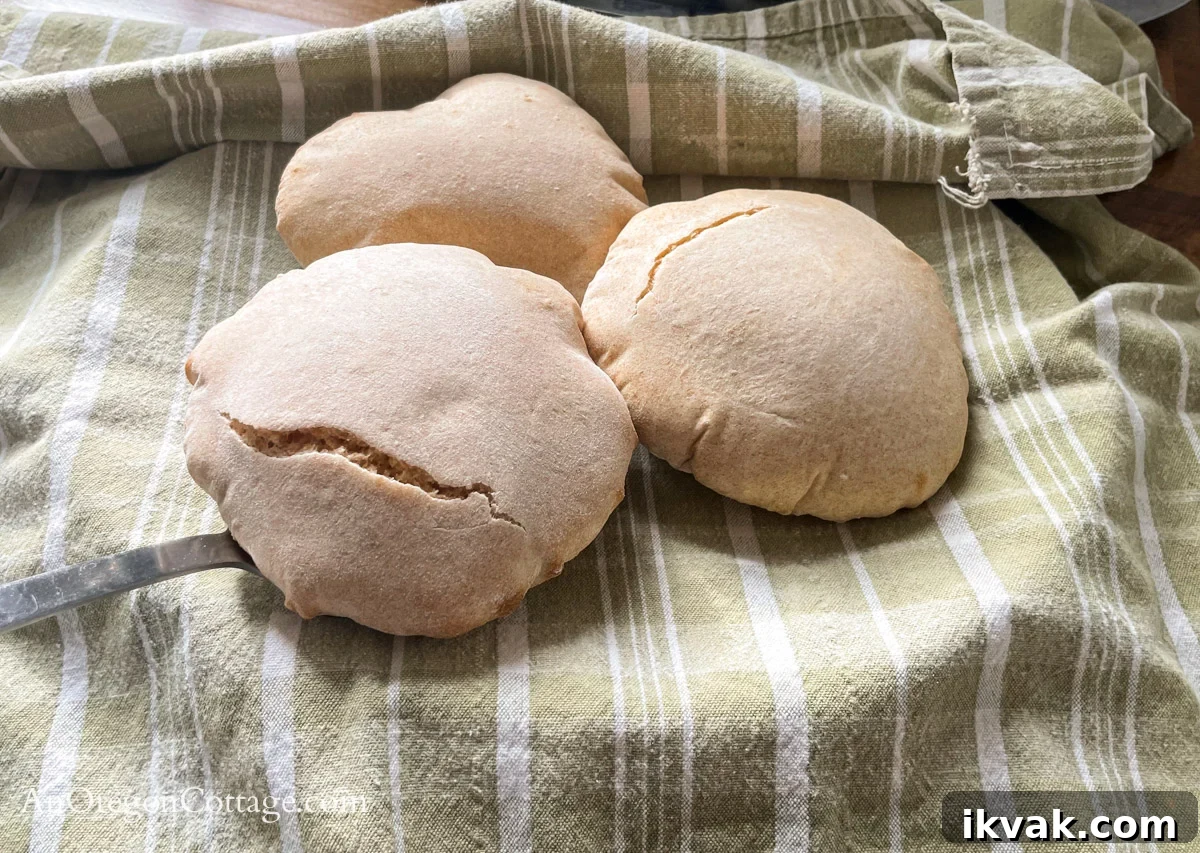
8. Keep pitas soft and continue baking
Stack baked pitas on a clean towel and wrap them to retain moisture so they stay soft. Immediately bake the next batch and repeat until all dough is used. Serve slightly warm, or cool completely and store or freeze.
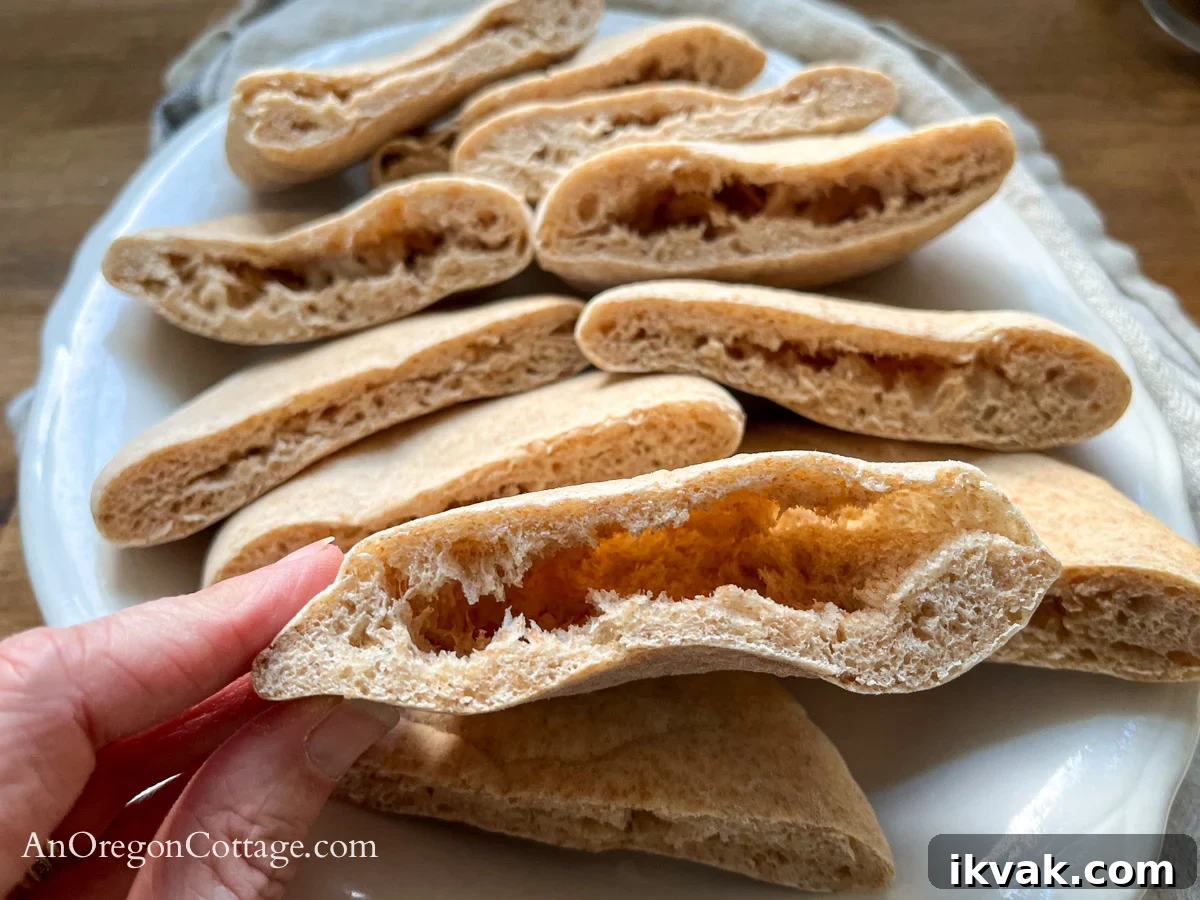
Once cooled a bit, slice pitas open and fill, or leave whole for sandwiches and dips. Freeze in airtight bags for 2–3 months.
Pita Bread Timeline
Example timeline for eight pitas with small batches in the oven:
- Combine ingredients: 5 minutes
- Knead: 5 minutes
- Rise: 1 hour
- Roll and bake: 15 minutes
That adds up to about 25 minutes of active work and roughly an hour total — quick for fresh homemade bread.
Reader Raves
“Spectacular and simple! Not a good bread maker but this was no fuss and they turned out splendidly!!” -Sarah
“Thank you for posting this recipe. After trying this recipe I will never purchase the ready made pita bread in the store.” -Kay
“I did it! I feel like a genius making my own pitas.” -The Sopers

Homemade Whole Wheat Pita Bread
10
15
1
1 25
Ingredients
- 2 ¼ cups whole wheat flour, spelt, or white whole wheat
- 1 cup unbleached flour*
- 1 ½ teaspoons salt
- 1 ½ teaspoons yeast instant or active dry
- 1 ⅓ cups warm water
- 2 tablespoons olive oil
Instructions
-
Combine all ingredients and mix by mixer or by hand until a shaggy dough forms.
-
Knead by mixer 5 minutes or by hand 8 minutes until the dough is soft and slightly tacky.
-
Cover the bowl tightly and let rise until doubled, about 1 to 1½ hours.
-
Preheat oven to 500°F.
-
Turn dough onto a lightly floured surface, cut in half, and divide into eight pieces. Shape each piece into a ball and cover with a damp cloth.
-
Let the balls rest about 5 minutes.
-
Place a baking or cooling rack directly on the oven rack (or use a baking stone).
-
Roll each ball into a circle about 6 inches in diameter and 1/4 inch thick on a lightly floured surface.
-
Place rolled pitas directly on the rack in the oven and bake 4–5 minutes until puffed and lightly browned. No flipping necessary.
-
While one batch bakes, prepare the next.
-
Stack baked pitas in a towel to keep them soft as they cool.
-
Repeat until all dough is baked. Serve warm or cool completely for storage.
Notes
Make ahead: Pitas are best fresh but can be made earlier in the day and stored in an airtight container. For longer storage, freeze for 2–3 months.
Nutrition
| Fat: 3.9g | Fiber: 1.5g
Did you make this recipe?Mention @anoregoncottage or tag #anoregoncottage!
Pita Bread FAQs
Greek pita is generally softer, thicker, and usually does not form an internal pocket. It’s often used as a flatbread wrap for gyros and other Mediterranean dishes.
Yes. Wrap pitas tightly in plastic or foil and place in a freezer-safe bag. Thaw at room temperature or warm briefly when ready to use.
Pita is great for wraps, sandwiches, dipping with hummus or other spreads, using as a flatbread pizza base, or stuffing with falafel, chicken, vegetables, and salads.
Recipes to Serve With Pita Bread
- Homemade Hummus without Tahini
- Authentic Greek Salad Tips & Recipe
- Greek Tuna Salad with Artichokes, Olives & Feta
- Mediterranean Fish Bake
This recipe was updated; it was originally published in July 2009.
Disclosure: affiliate links in this article may earn commission based on sales at no extra cost to you.