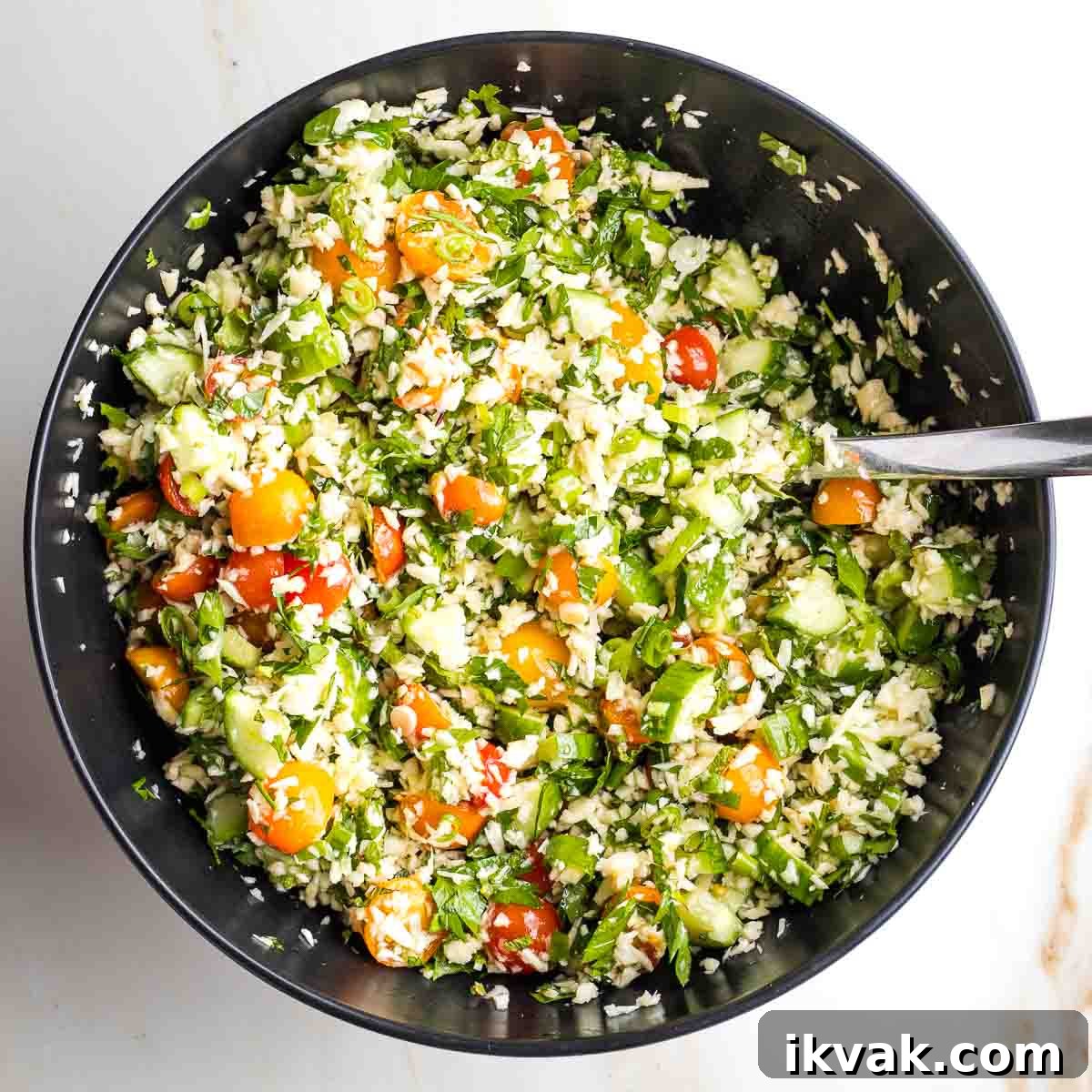
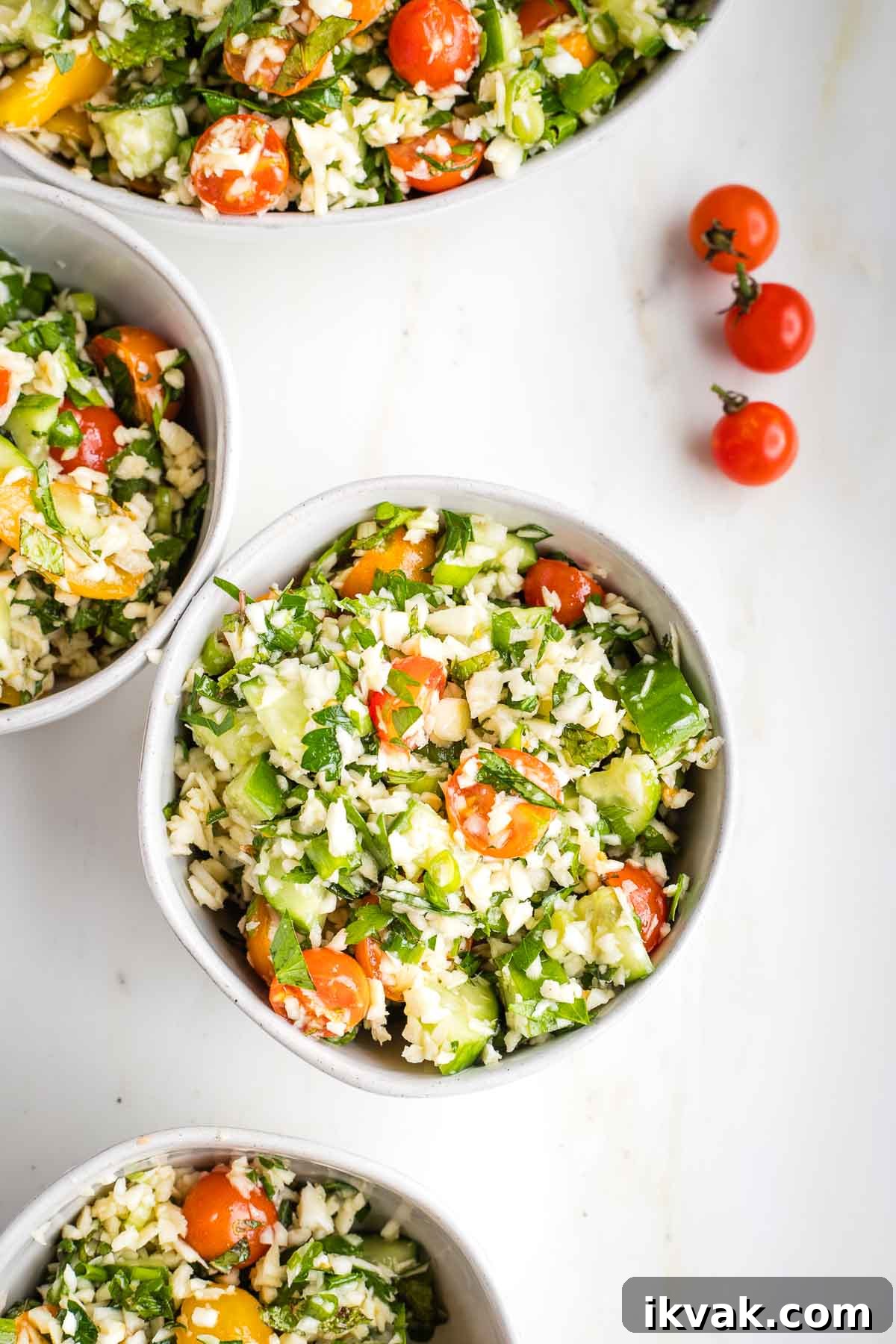
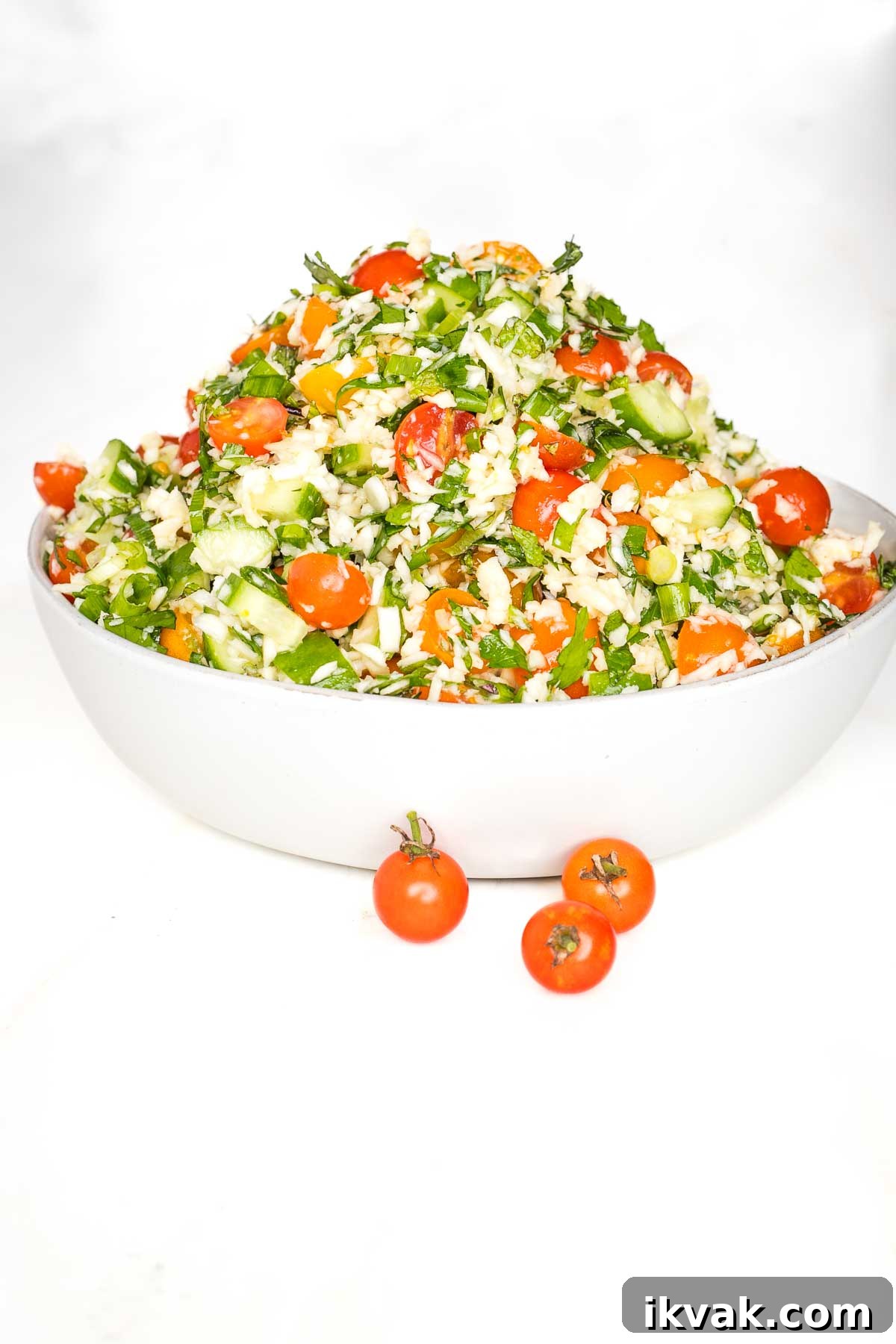
Gluten-free tabbouleh made with riced parsnips instead of bulgur is light, refreshing, and packed with bright Mediterranean flavors. Riced parsnips add a pleasant crunch and a subtle nutty sweetness, while fresh tomatoes, crisp cucumbers, scallions, parsley and mint deliver the classic herb-forward taste you expect from traditional tabbouleh. This version is naturally gluten-free, easy to prepare, and perfect as a side dish, part of a mezze spread, or a light main when boosted with beans or seeds.
This post has been updated from the original posted on April 27, 2016.
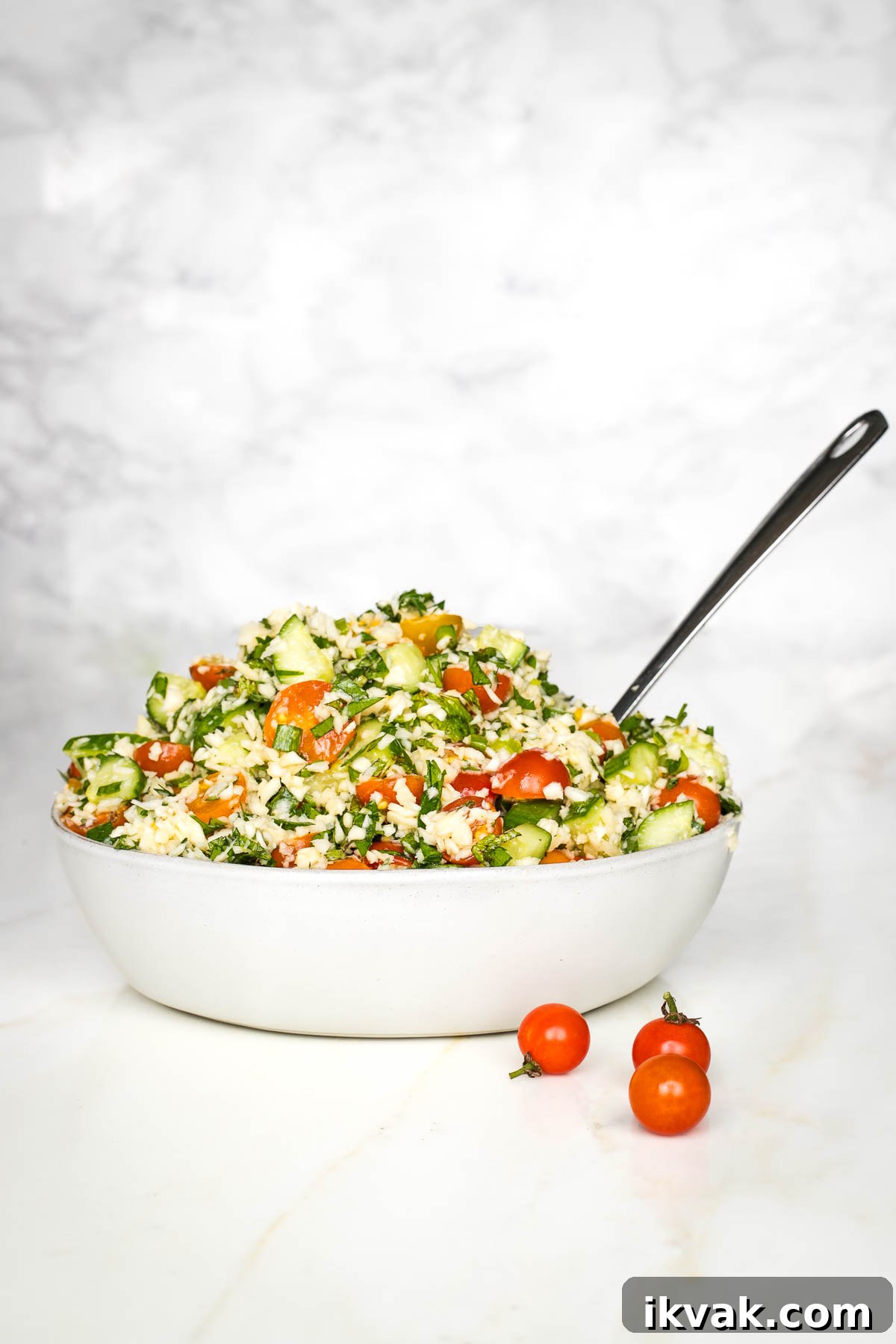
A classic Middle Eastern salad gets a modern, grain-free twist: riced parsnips stand in for bulgur and soak up lemon, olive oil and herb flavors beautifully. The result is a bright, nourishing salad that’s naturally vegan and full of texture. Prepare it for potlucks, barbecues, or simple weeknight meals; it keeps well and often tastes even better the next day.
Why you’ll love this Gluten-free Tabbouleh Salad
- Fresh herbs and ripe tomatoes create a vibrant, flavorful base.
- No separate dressing required — lemon zest, lemon juice and olive oil dress the salad simply and effectively.
- Meal prep friendly — flavors meld and deepen after resting, so it’s great for make-ahead lunches.
- Versatile — serve as a side, or add chickpeas, white beans or toasted nuts/seeds to make it a filling plant-based meal.
- Made with whole, fresh vegetables and pantry basics.
Main Ingredients and Substitutions
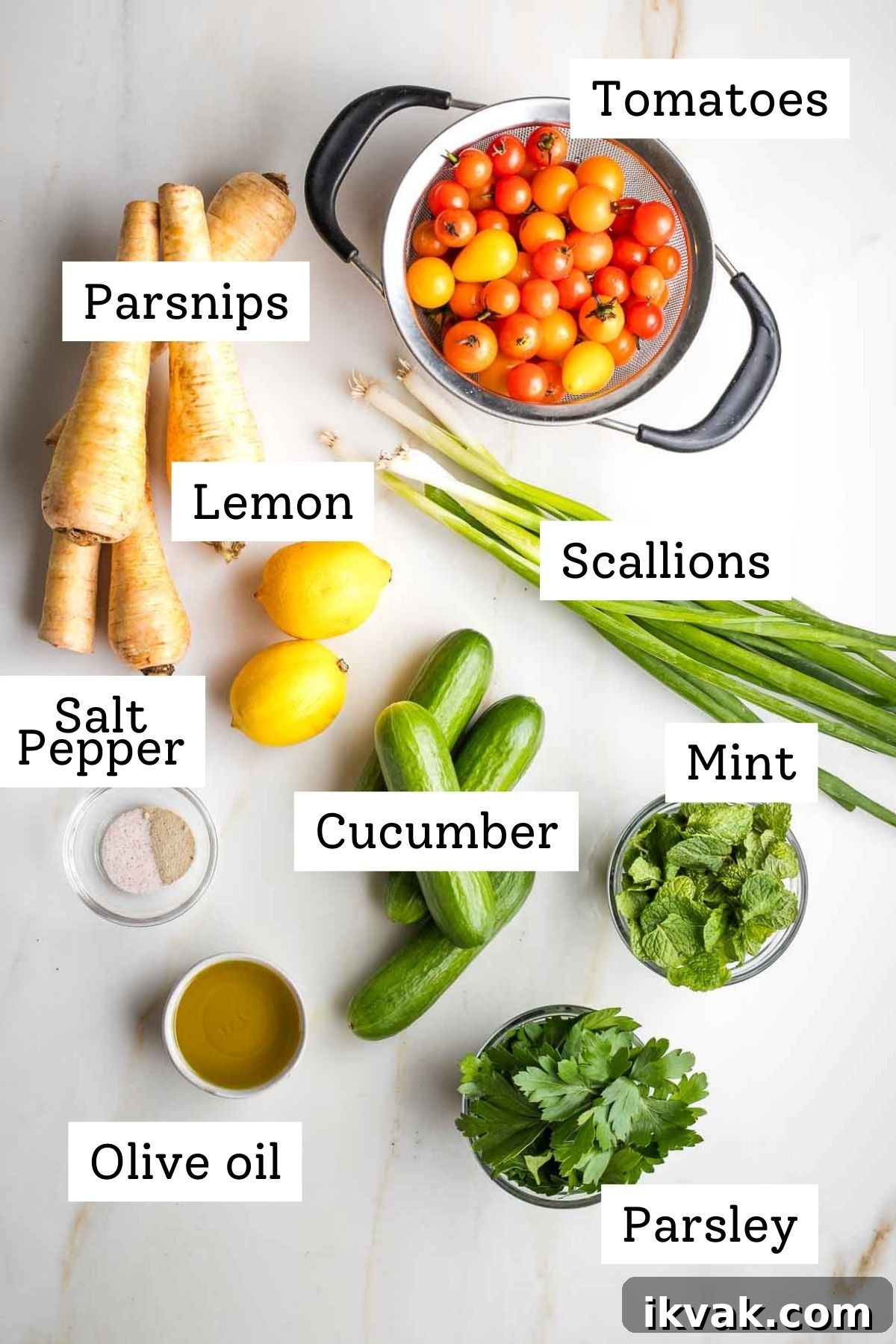
- Parsnips: Peeled, trimmed and pulsed in a food processor to create a rice-like texture. Substitute cauliflower rice or cooked quinoa for a different texture or flavor while keeping the salad gluten-free.
- Tomatoes: Small tomatoes such as cherry, grape or pear are ideal; use a mix of colors for visual appeal.
- Scallions: Also called green onions; both white and green parts add mild onion flavor. Red onion can be used if preferred.
- Cucumber: A firm, crisp cucumber (Persian or English) provides crunch and freshness.
- Fresh parsley: Flat-leaf parsley is preferred for its robust flavor, but curly parsley will work.
- Fresh mint: Adds brightness and an aromatic lift.
- Lemon: Use both zest and juice for maximum citrus impact.
- Olive oil: Extra virgin olive oil adds healthy fats and helps the body absorb fat-soluble vitamins from the herbs.
More Healthy Parsnip Recipes
Parsnips are a nutrient-dense root vegetable, providing vitamin C, potassium and fiber. They offer anti-inflammatory benefits and help support blood sugar balance thanks to their fiber content. While somewhat higher in carbohydrates than some vegetables, parsnips are low in calories and very satisfying when included in balanced meals.
How to make it
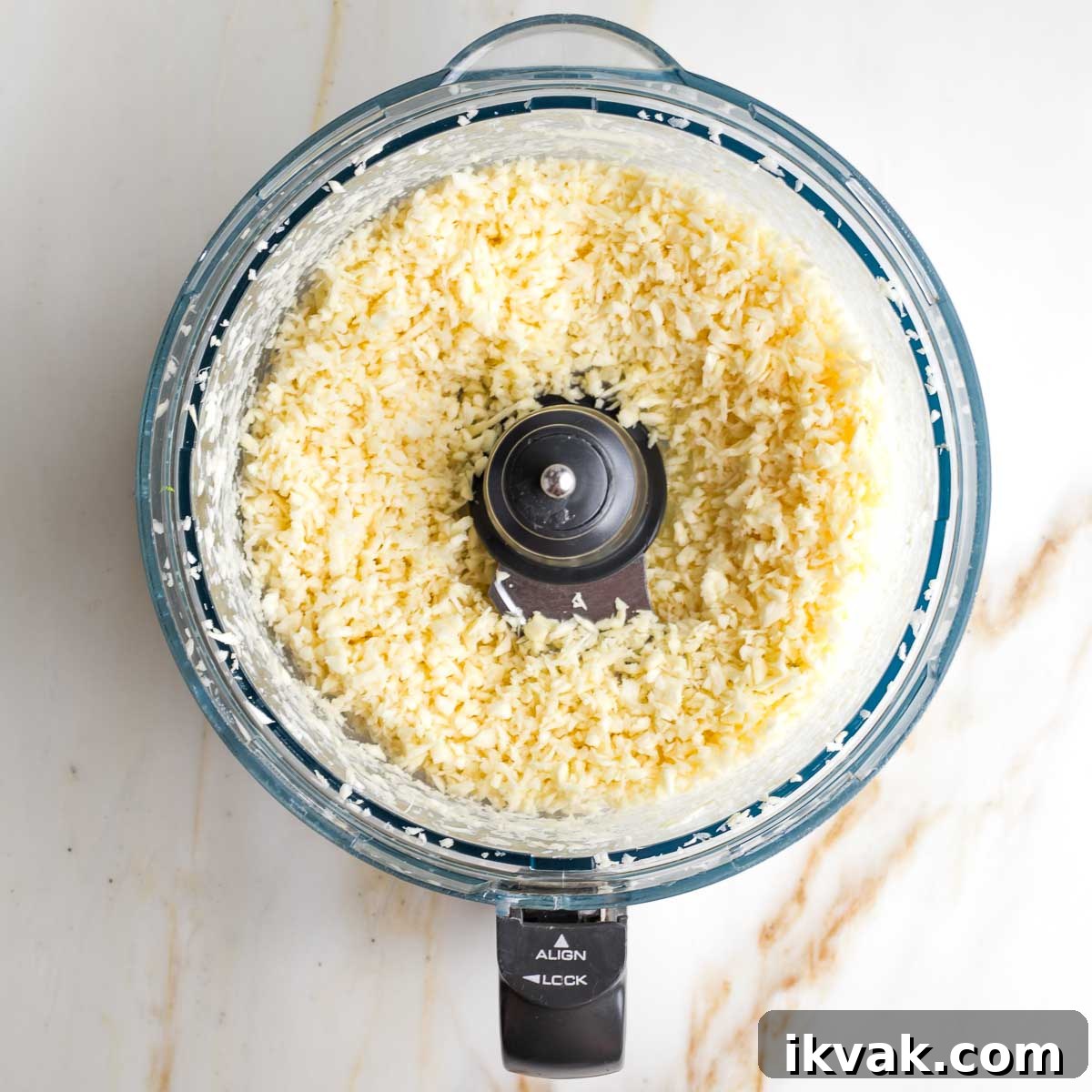
A sharp knife and a sturdy cutting board make quick work of the prep. A food processor fitted with an “S” blade turns parsnips into a texture that resembles bulgur. If you don’t have a food processor, substitute with store-bought cauliflower rice or cooked quinoa.
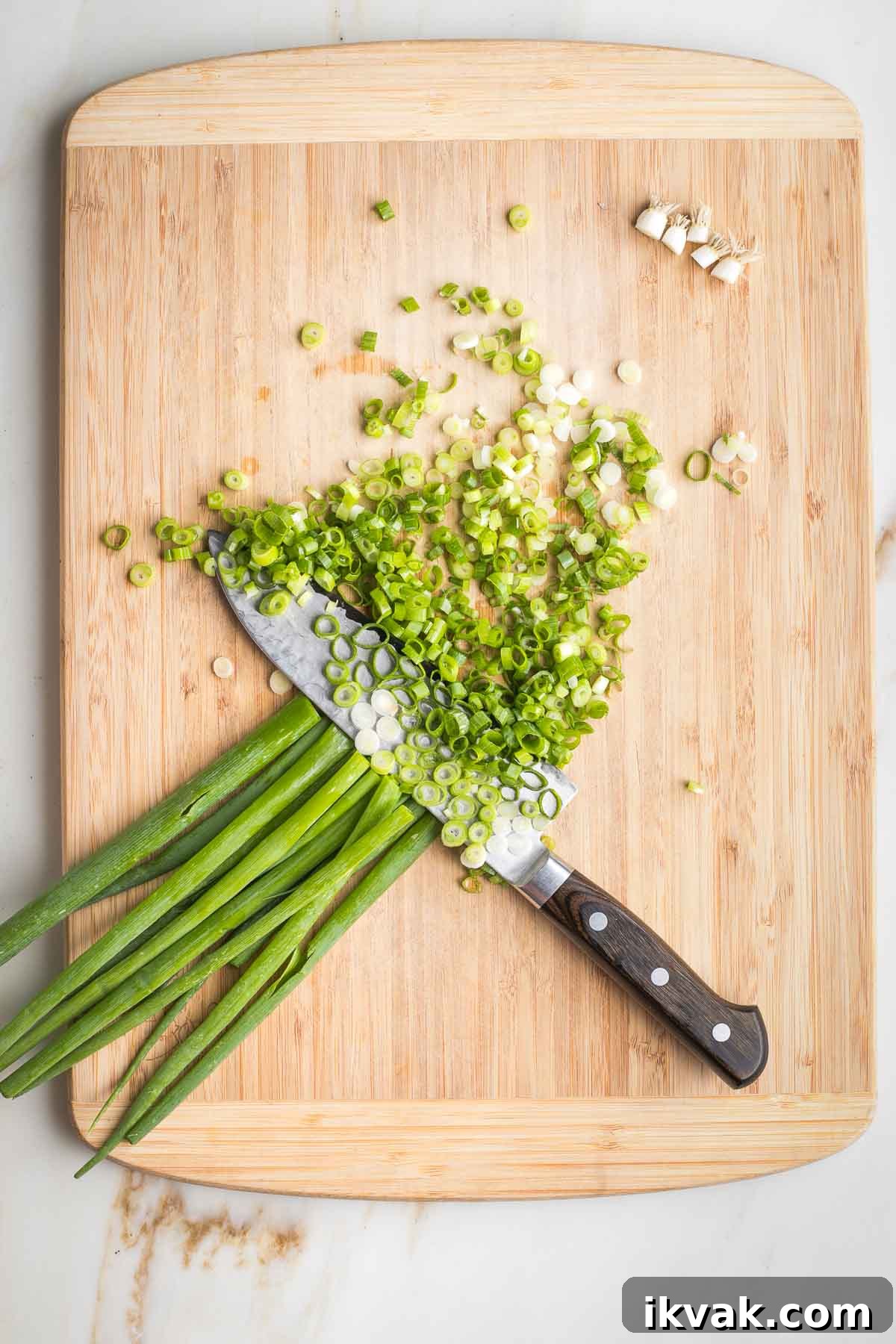
Clean scallions under running water, trim the root end, and thinly slice both white and green parts. Set aside.
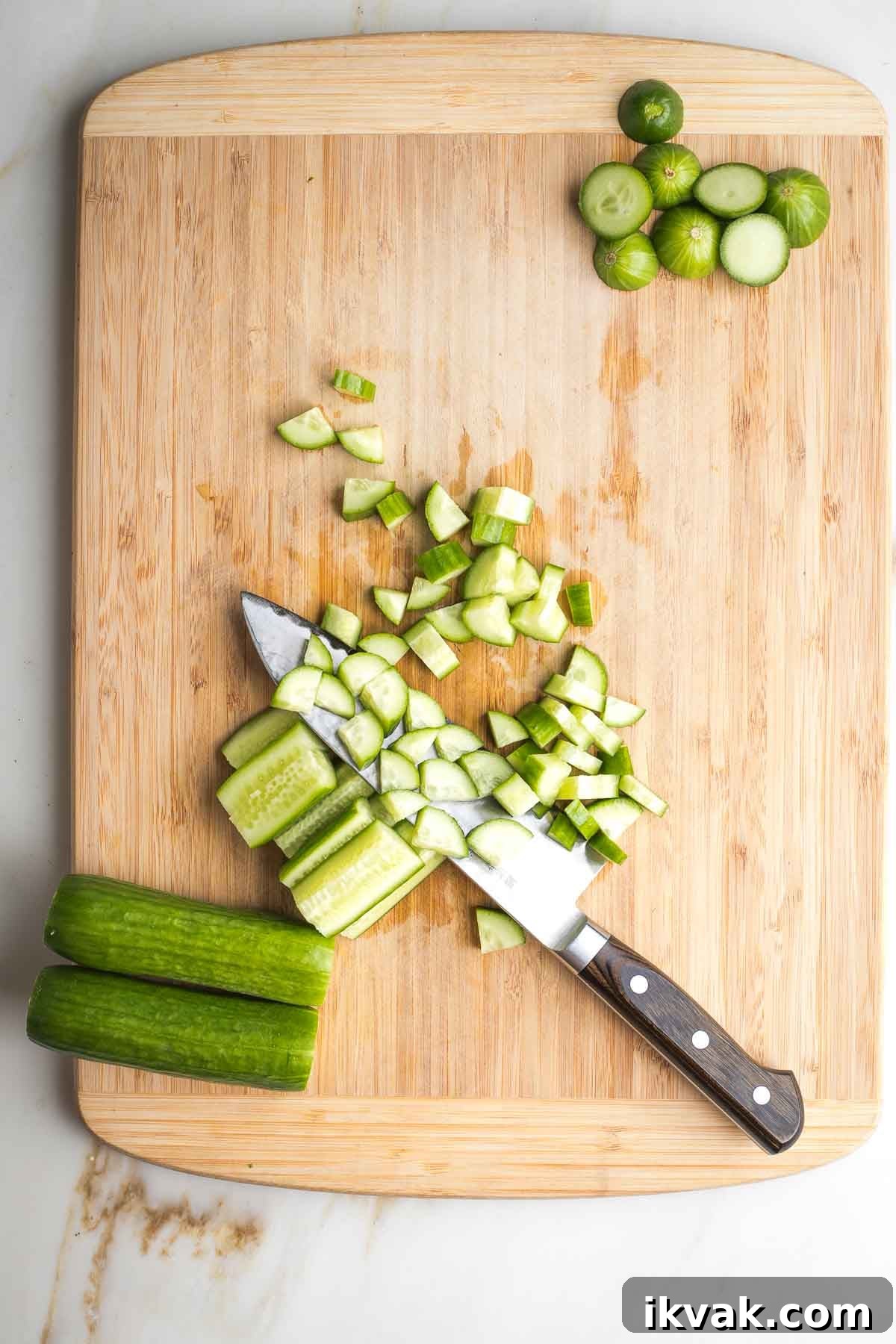
Trim cucumbers, cut lengthwise into quarters, then slice into roughly ¼–½” pieces. Place in a small bowl and set aside.
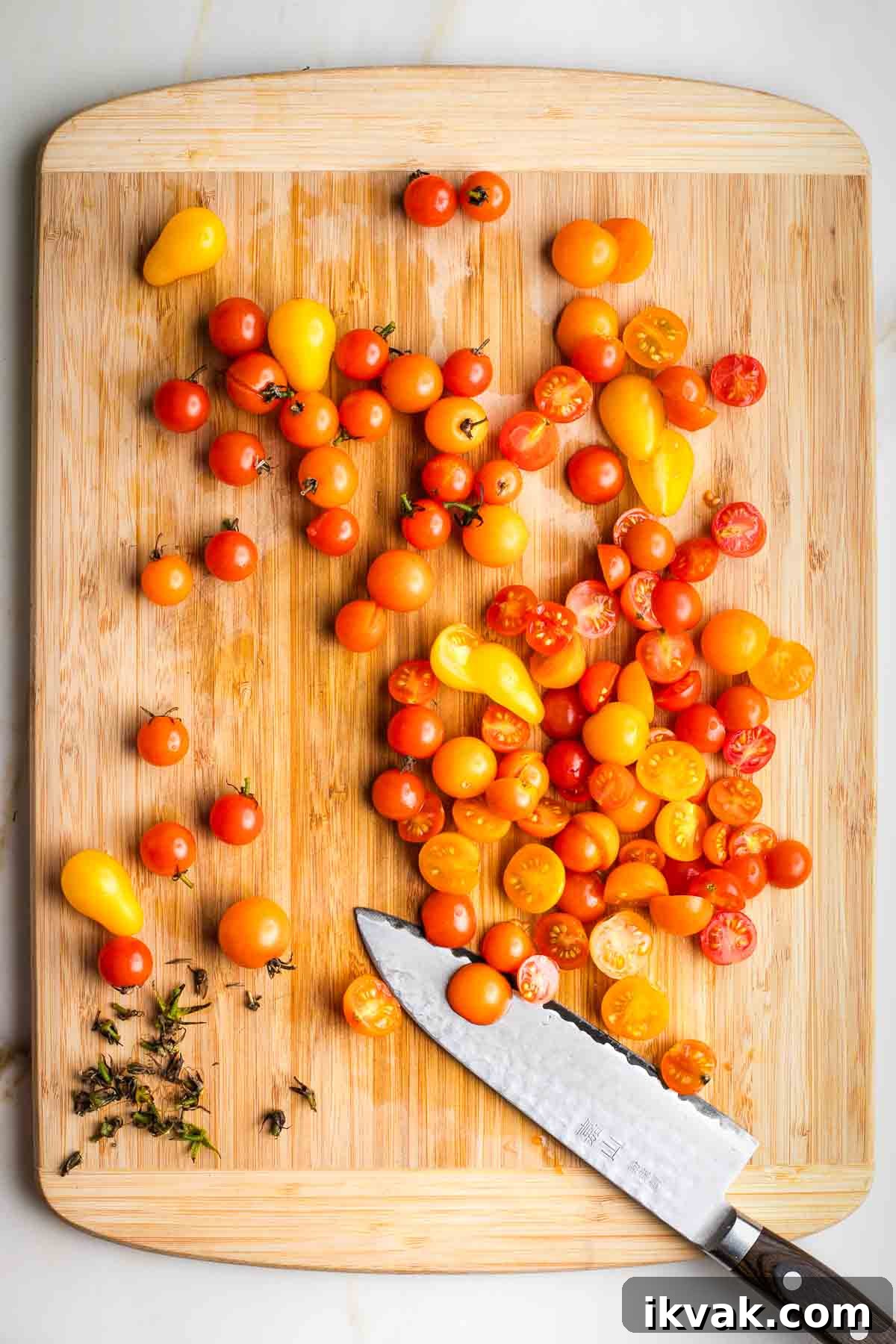
Remove tomato stems and halve smaller tomatoes. Chop larger tomatoes into bite-sized pieces.
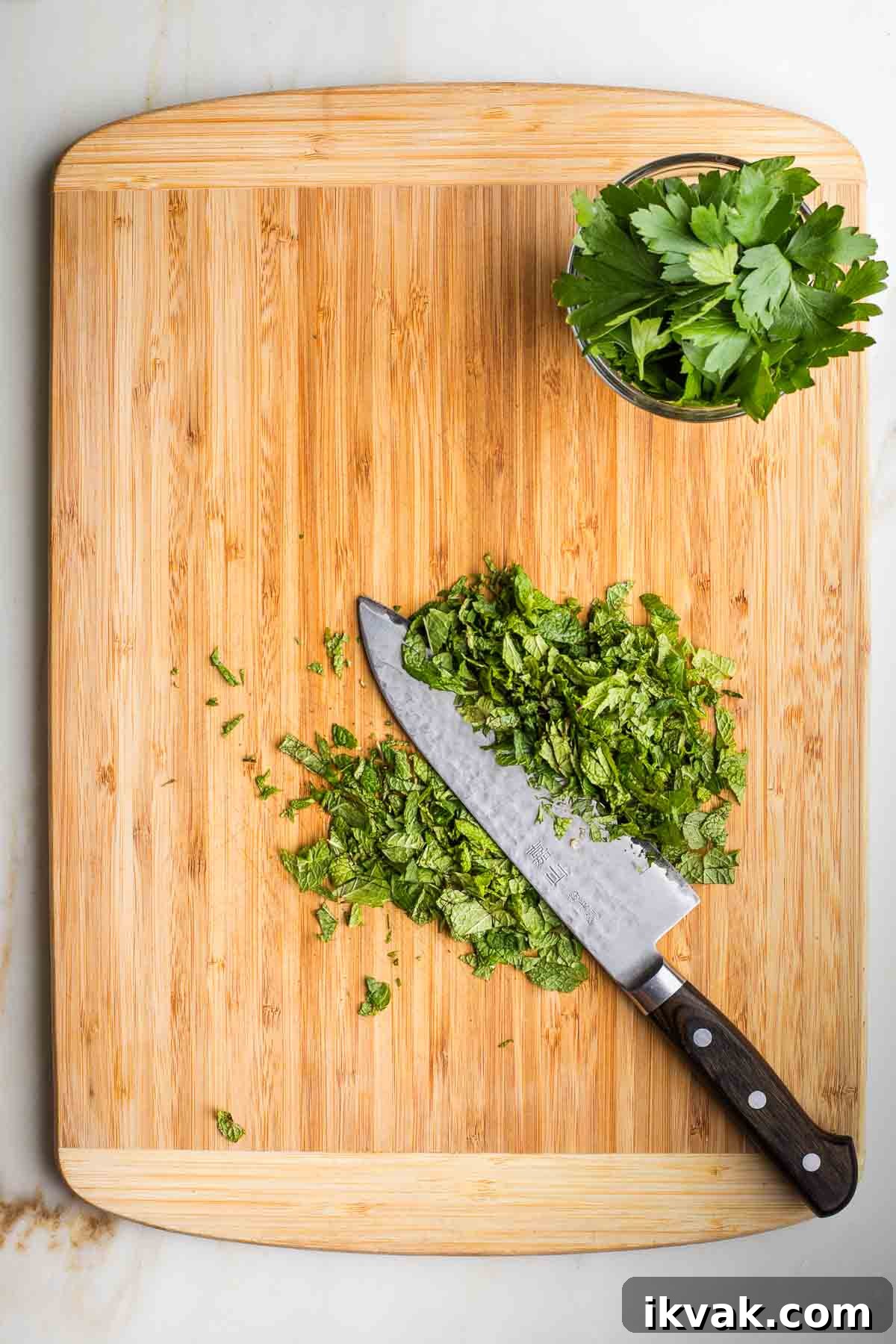
Stack mint leaves and slice finely. Remove parsley stems and chop the leaves finely as well.
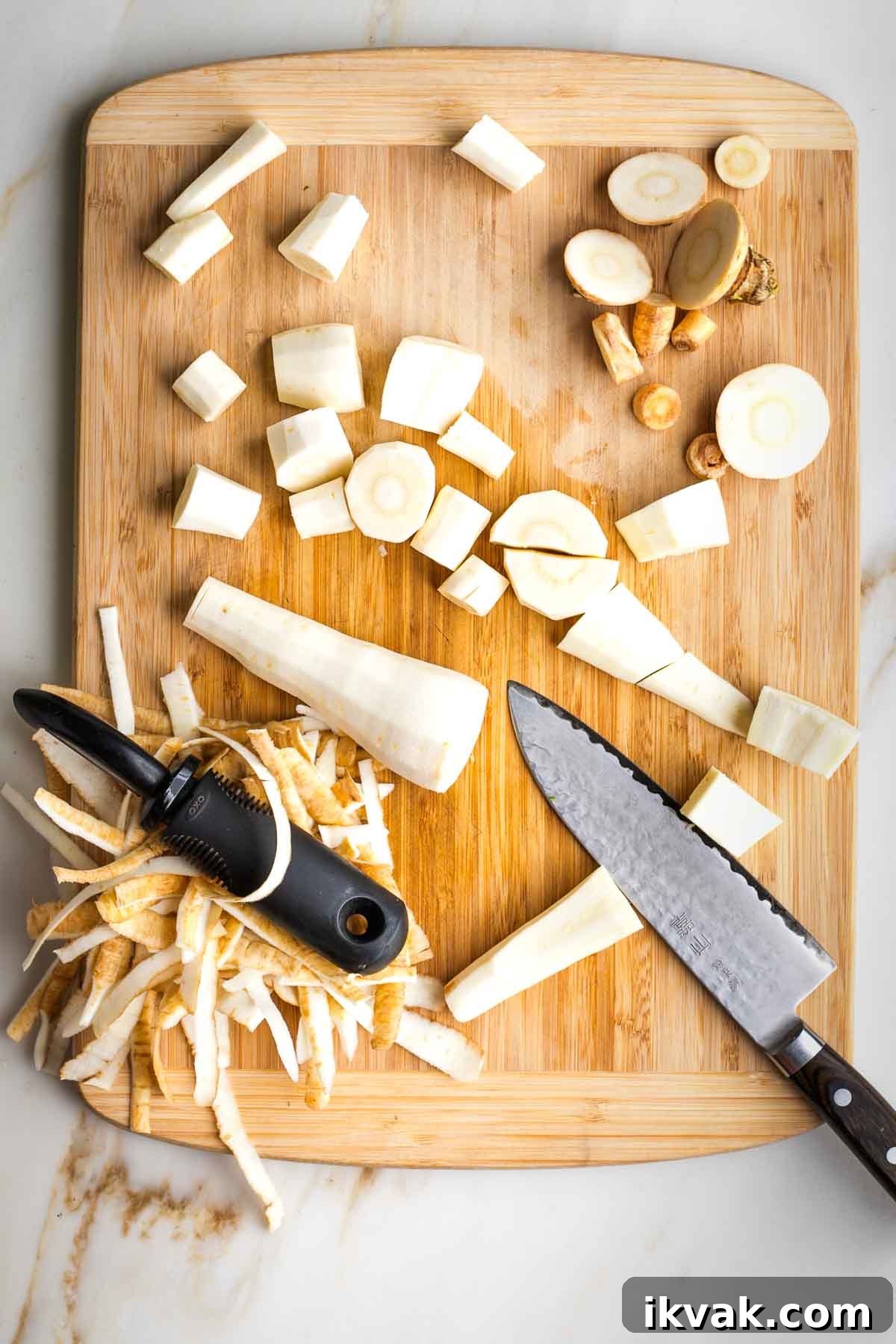
Trim and peel parsnips, then cut into 2″ pieces for processing.
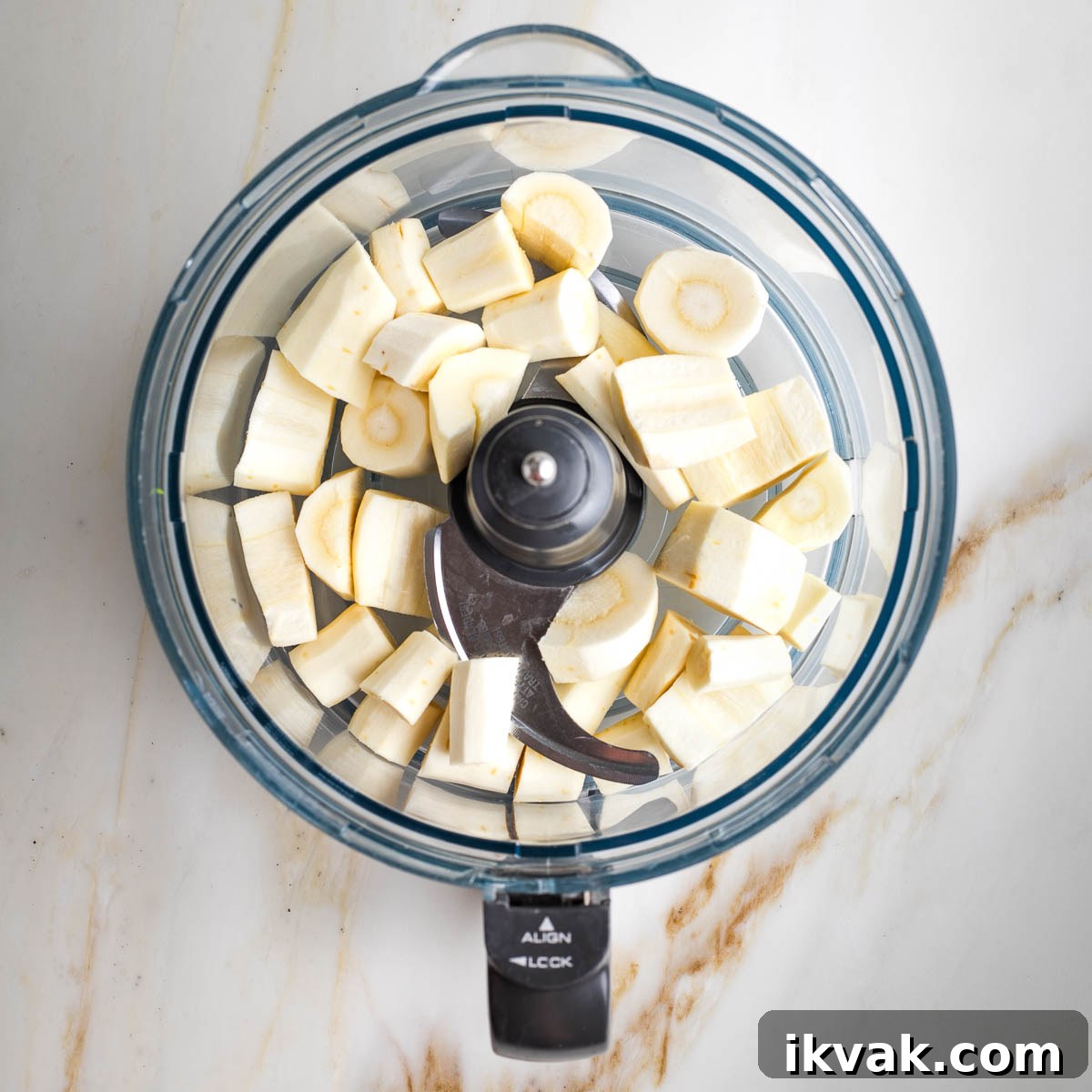
Place parsnip chunks into the food processor bowl fitted with the “S” blade and pulse until the pieces resemble small grains.
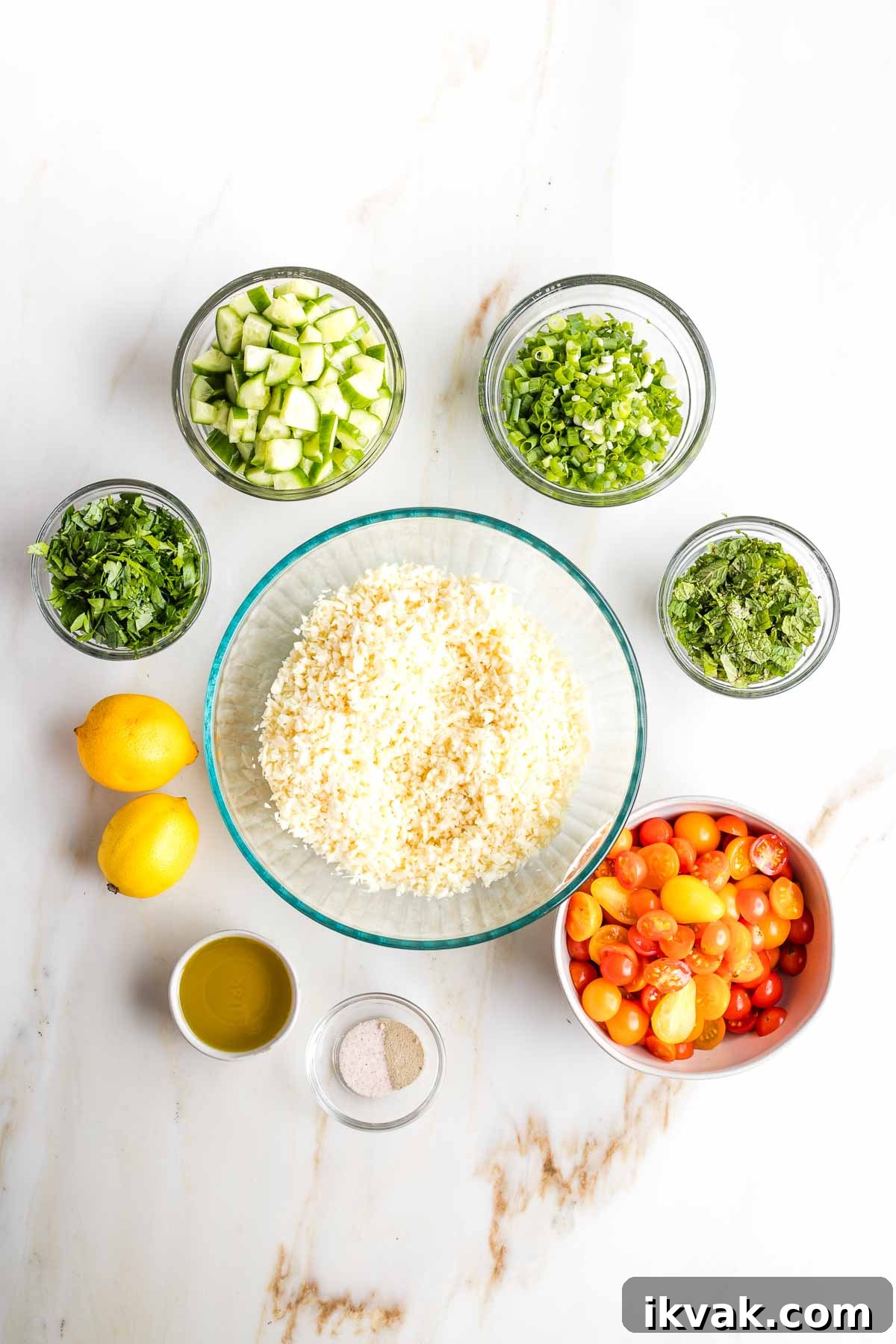
Transfer the riced parsnips to a large mixing bowl, then add chopped parsley, mint, cucumber, scallions and tomatoes.
Zest the lemons directly over the bowl, then squeeze the juice over the vegetables. Sprinkle with salt and white pepper, drizzle with olive oil, and mix thoroughly until everything is evenly coated.
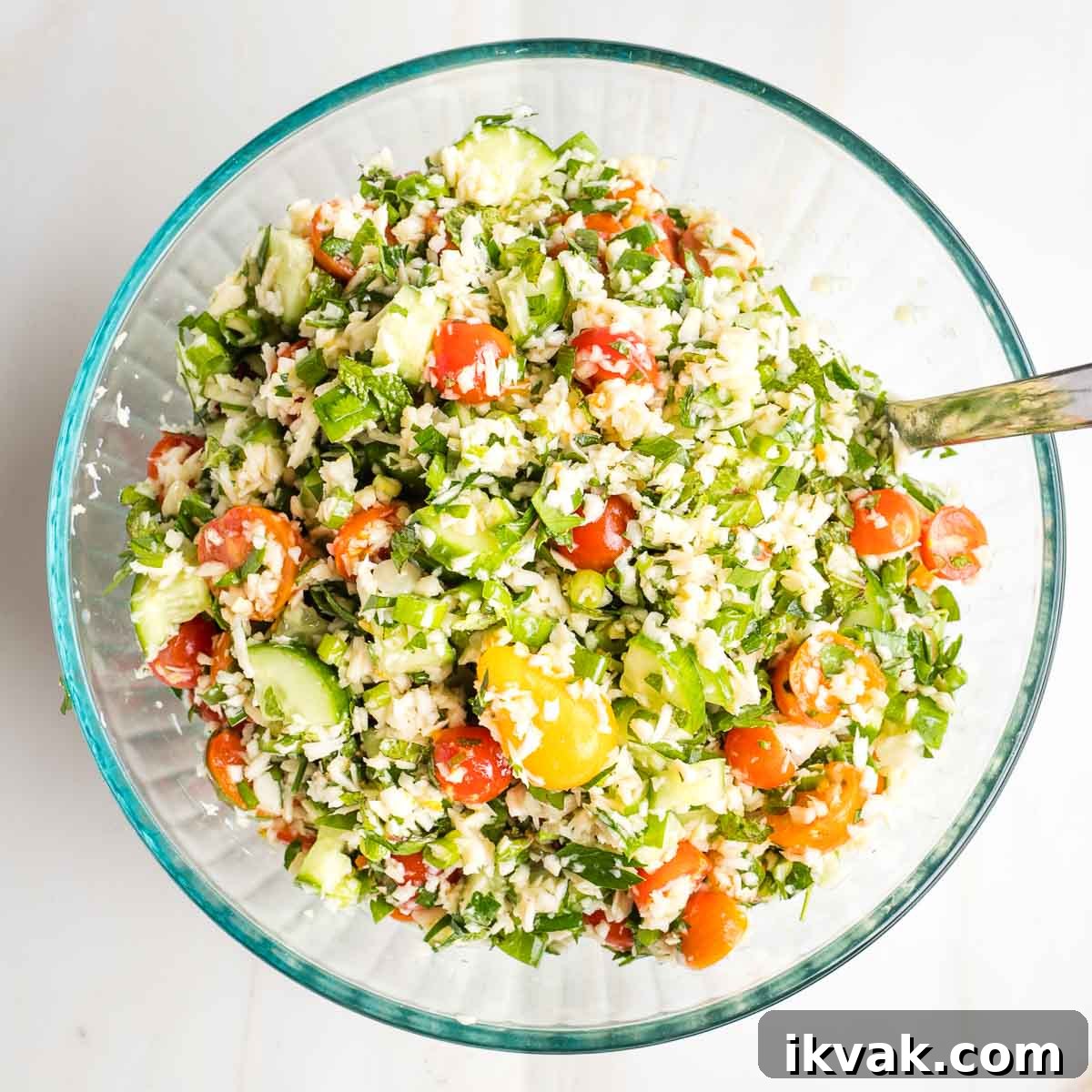
Taste and adjust seasoning as needed. Let the salad sit at room temperature for at least 15–30 minutes to allow flavors to develop. Serve at room temperature for best texture and flavor.
Debra’s Pro Tips
- Use plenty of parsley — it’s the backbone of tabbouleh and gives the salad its signature bright, herbaceous flavor.
- To make this a fuller meal, stir in a can of drained chickpeas or add ½ cup toasted nuts or seeds for protein and crunch.
- Make ahead: the salad is even better after the flavors have had time to meld. Store in the refrigerator, but bring to room temperature before serving.
- For best texture, store dressed tabbouleh for no more than 3–4 days; the herbs and vegetables will gradually soften.
- If preparing several days ahead, store tomatoes separately and dress the salad the day you plan to serve.
Recipe
Gluten-free Tabbouleh Salad with Parsnips
Serves: 6 | Prep time: 10 minutes | Total time: 10 minutes
Ingredients
- 1 lb parsnips, peeled and riced
- 2 cups grape or cherry tomatoes, halved
- 4 mini Persian cucumbers (or 1 English cucumber), quartered lengthwise and sliced
- 1 bunch scallions, thinly sliced
- 1 cup fresh mint leaves, chopped
- 1 cup flat-leaf parsley, chopped
- 2 lemons, zest and juice
- 1/4 cup extra virgin olive oil
- 1/2 teaspoon sea salt (adjust to taste)
- 1/2 teaspoon white pepper (or black pepper)
Instructions
- Trim and peel parsnips, cut into 2″ chunks. Pulse in a food processor fitted with an “S” blade until the parsnip resembles fine grains, similar to bulgur. Transfer to a large mixing bowl.
- Prep the remaining vegetables: wash and halve tomatoes, trim and chop cucumbers, and thinly slice scallions. Add them to the bowl with the riced parsnips.
- Chop the mint and parsley finely and add to the mixture.
- Zest the lemons over the bowl, squeeze the juice on top, sprinkle with salt and pepper, then drizzle with olive oil. Mix thoroughly until well combined.
- Let the salad rest at room temperature for 15–30 minutes to allow flavors to meld. Adjust seasoning and serve. Store leftovers in an airtight container in the refrigerator for up to a week, though texture is best within three days.
Notes
- Tomatoes: Small varieties like cherry or grape work best, but chopped large tomatoes are fine.
- Parsnip substitute: Use one small head of cauliflower riced in place of parsnips, or use cooked quinoa for a different texture.
- To make it a meal: Add a drained can of beans (chickpeas or white beans) and/or ½ cup toasted nuts or seeds.
Nutrition (approx. per serving)
Calories: 172 kcal | Carbohydrates: 22 g | Protein: 3 g | Fat: 10 g | Fiber: 7 g | Vitamin C: 56 mg | Potassium: 615 mg