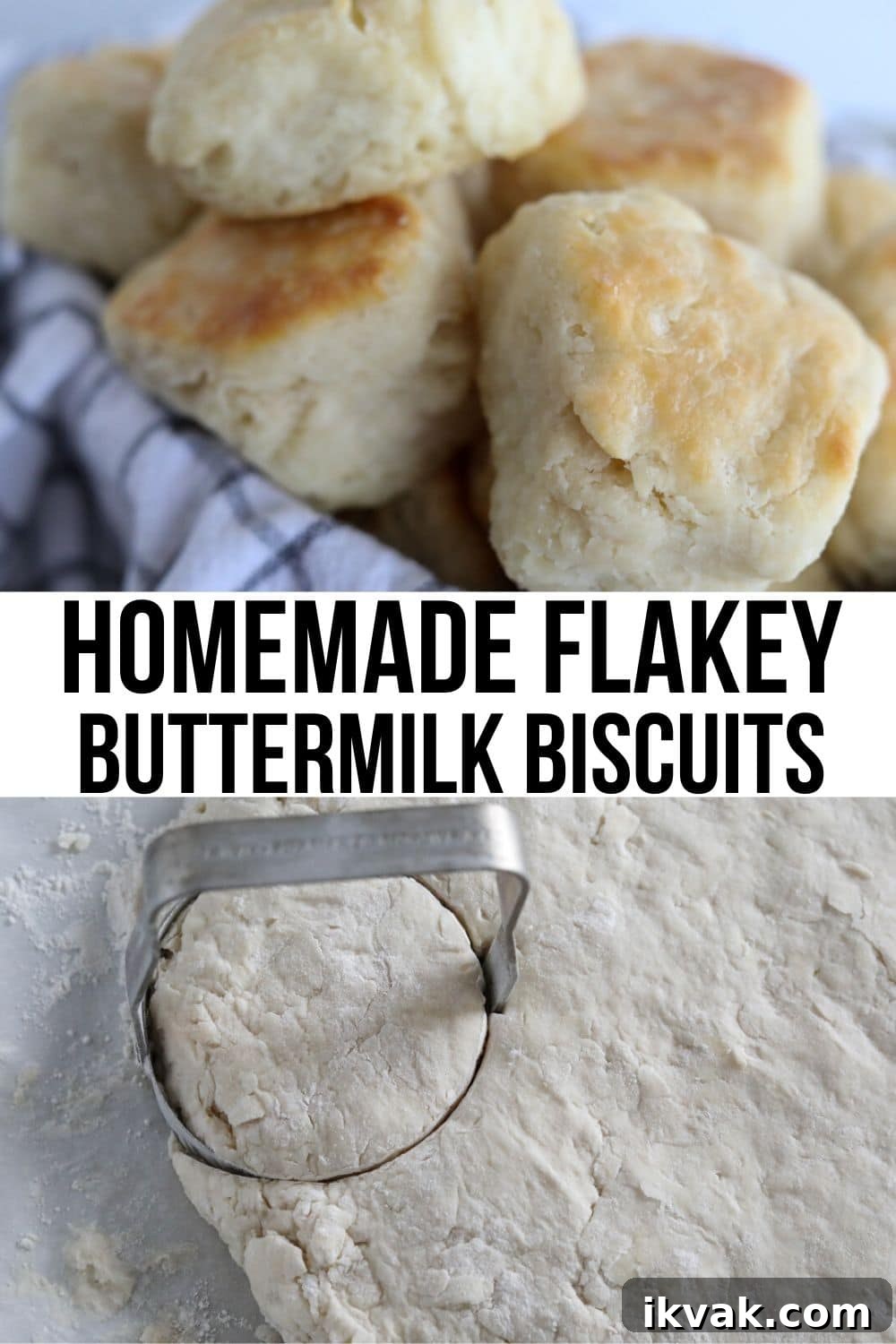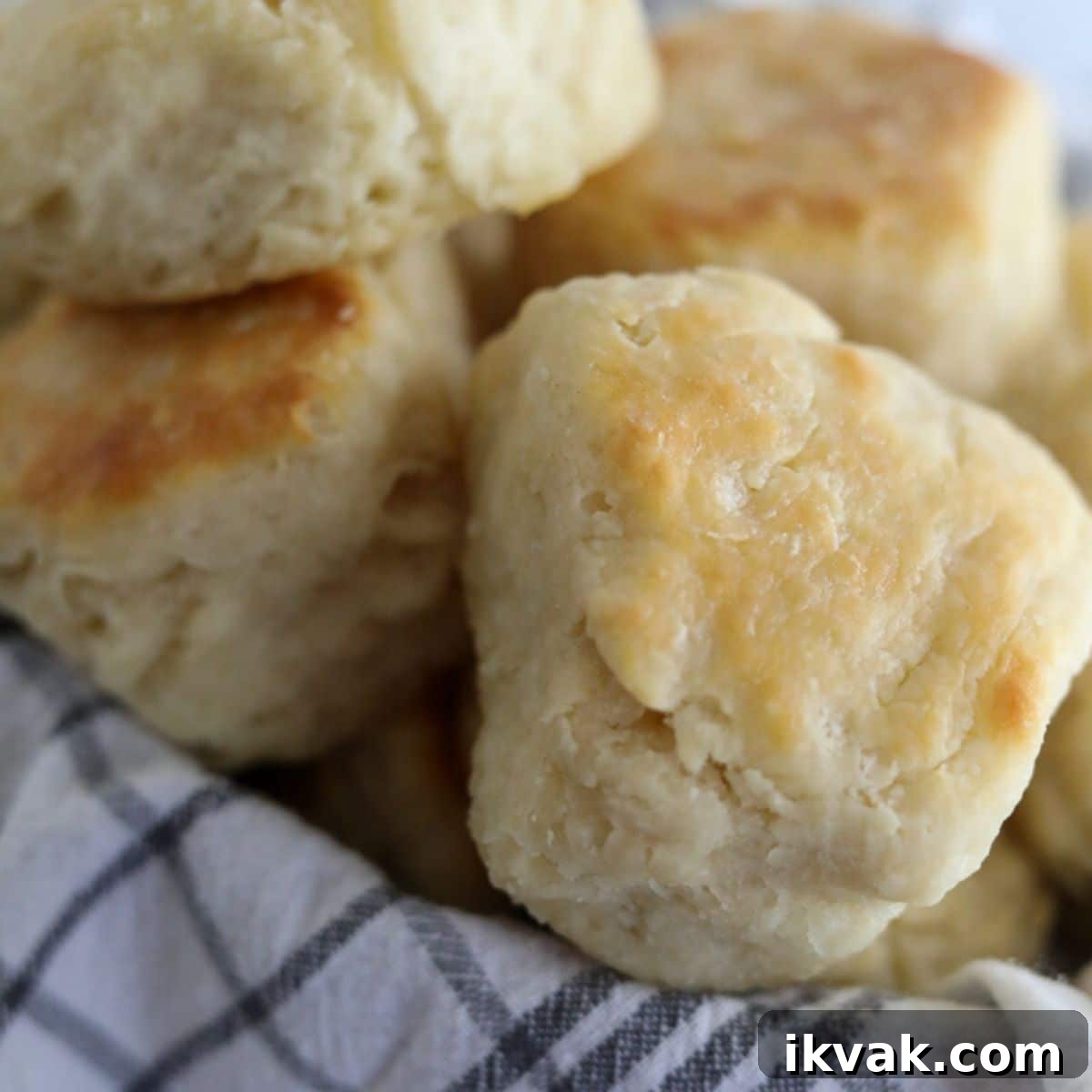
This Homemade Biscuits from Scratch recipe yields flaky, tender biscuits with just three main ingredients and about 15 minutes of oven time. Simple, fast, and perfect for breakfast, lunch, or dinner, these biscuits are a reliable go-to when you want warm, buttery bread without fuss.
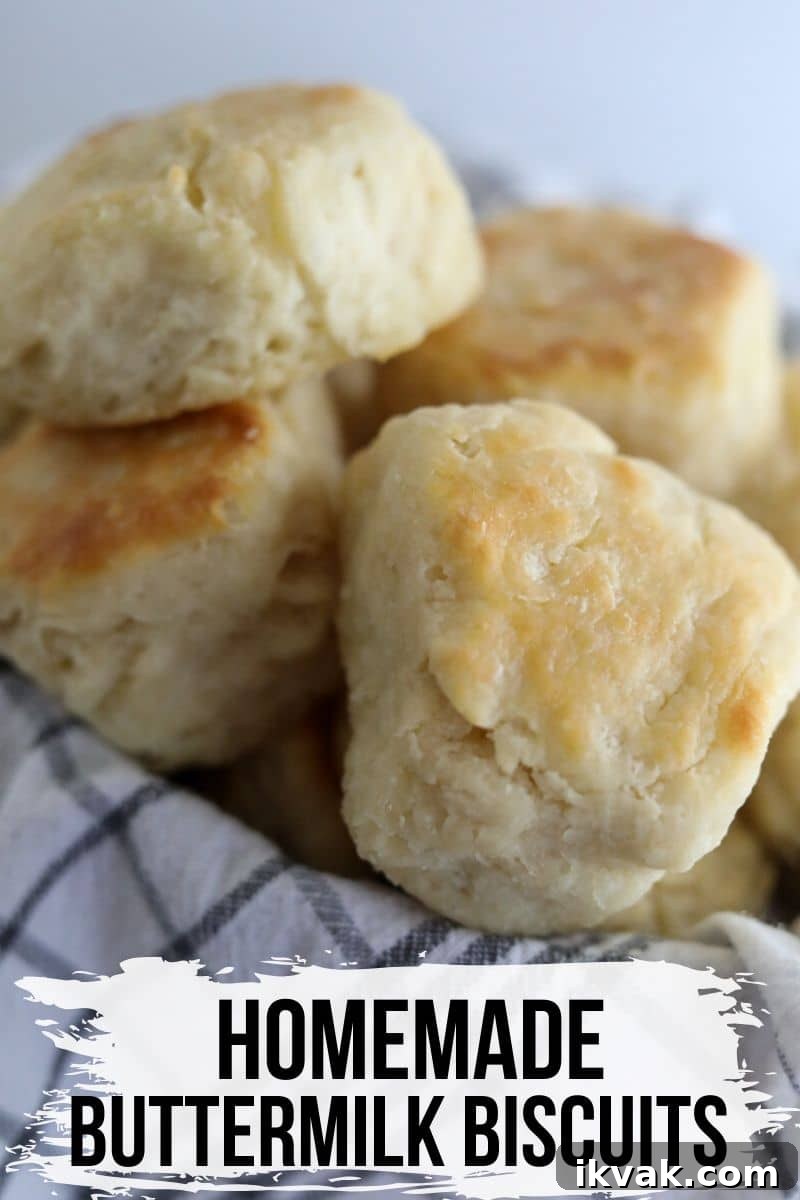
How to make buttermilk biscuits from scratch
Biscuits are classic comfort food—serve them with fried chicken for dinner, soup for lunch, or smothered in gravy for breakfast. Though homemade biscuits can seem intimidating, this straightforward method produces consistently tall, flaky results even for a first-timer. Follow the steps below for great texture and flavor.
Main ingredients you’ll need:
- Butter – Provides richness and creates pockets of steam for lift and flakiness.
- Self-rising flour – Contains leavening so the biscuits rise tall and stay tender.
- Buttermilk – Adds a subtle tang and reacts with the leavening for extra rise.
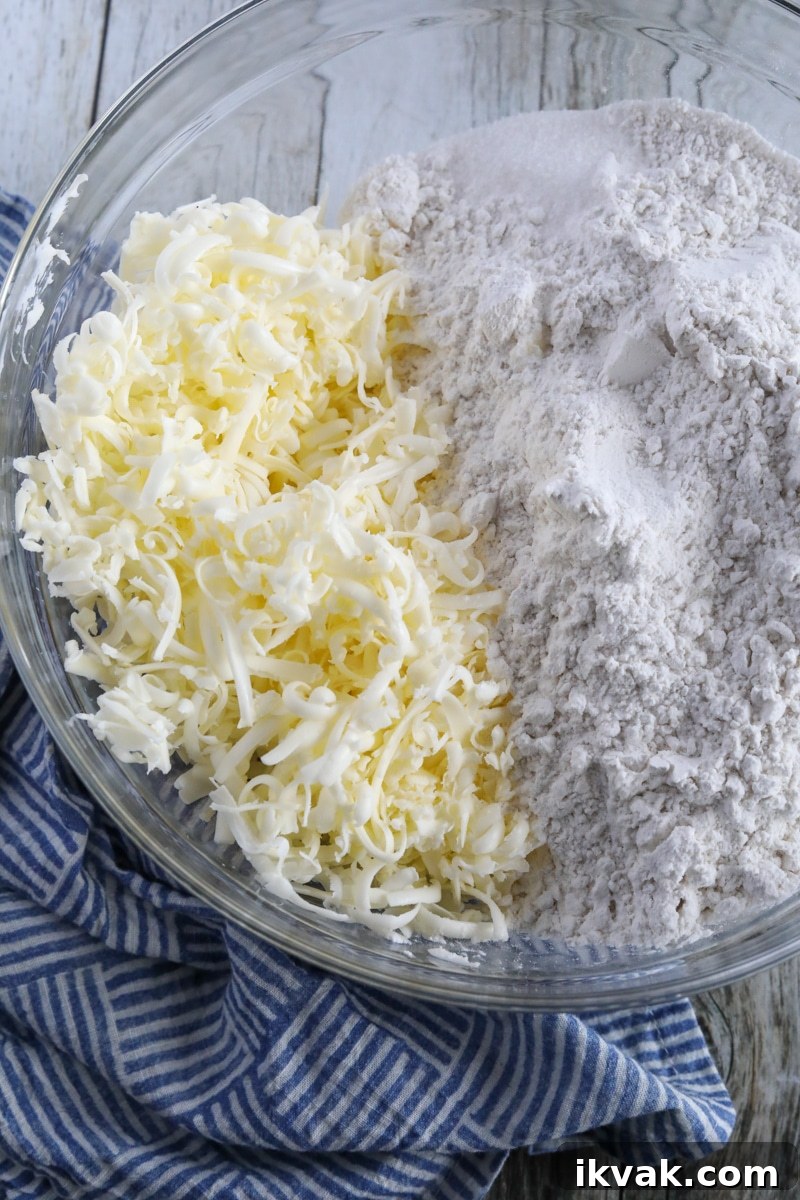
Step 1: Freeze the butter and grate it using the large side of a box grater. Combine the grated butter with the self-rising flour in a large bowl. Keep the butter as cold as possible by handling it minimally; you can also chill the flour and bowl beforehand. If the butter softens slightly while grating, that’s fine—just avoid letting it melt.
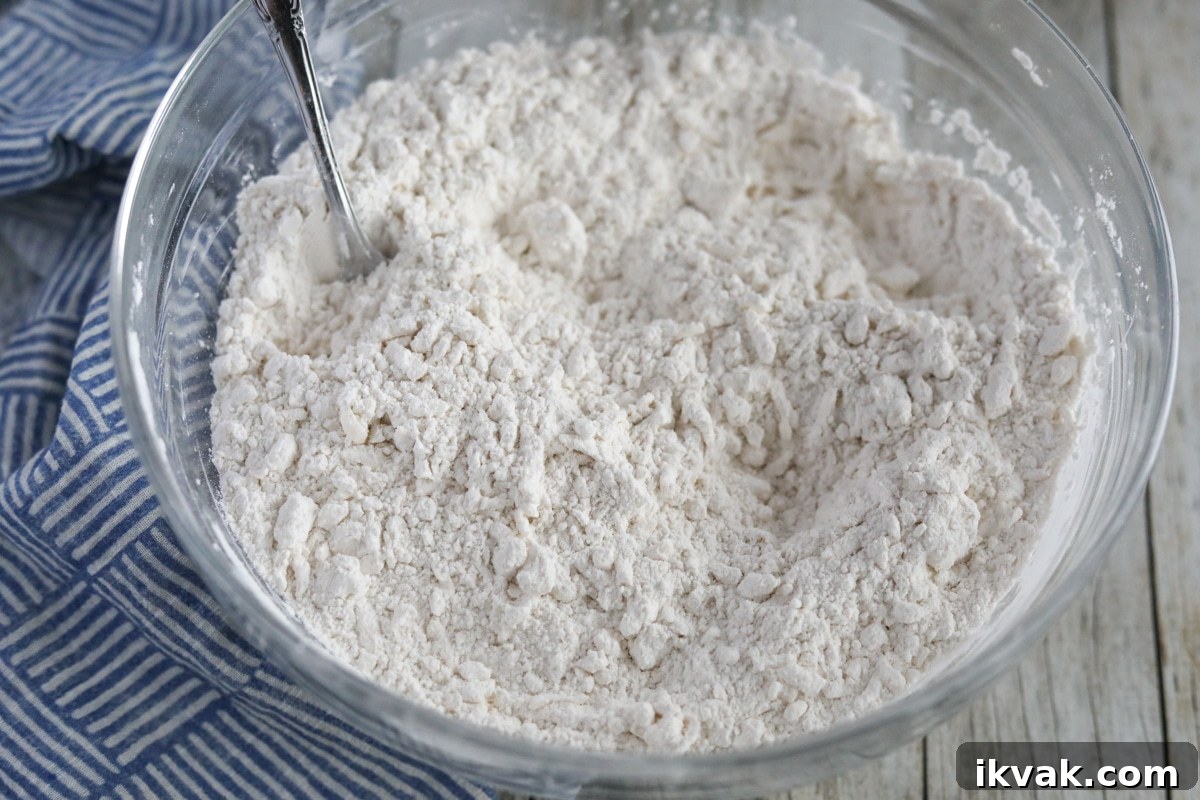
Step 2: Use a fork to press the butter into the flour until the mixture resembles coarse, pea-sized crumbs. Return the bowl to the refrigerator for about 10 minutes to firm the butter back up. If it still feels warm, chill a bit longer or briefly freeze to keep the butter cold.
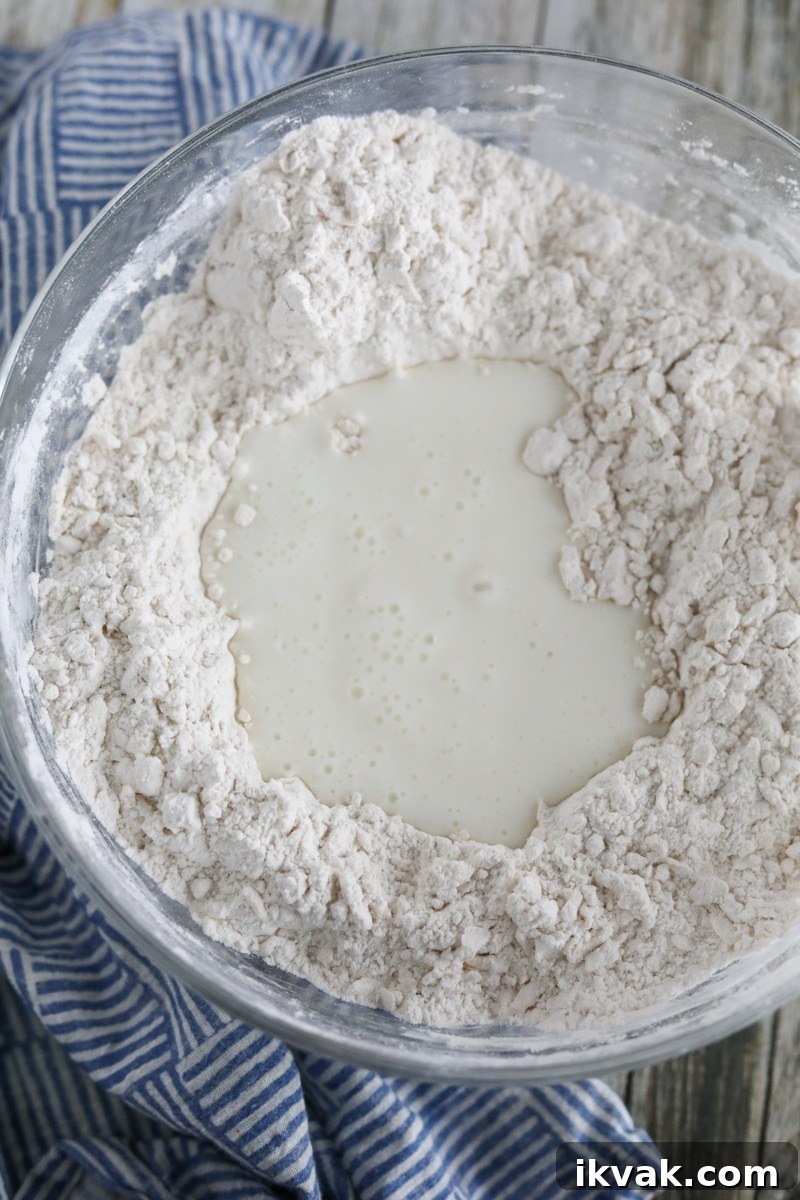
Step 3: Make a well in the center of the flour mixture and pour in the cold buttermilk. If you don’t have buttermilk, make a substitute by adding 1 tablespoon lemon juice or vinegar to 1 cup milk and letting it sit 10 minutes. Stir the mixture just until it comes together—do not overmix. You should still see small bits of butter and flour in the dough; overmixing develops gluten and produces tougher biscuits.
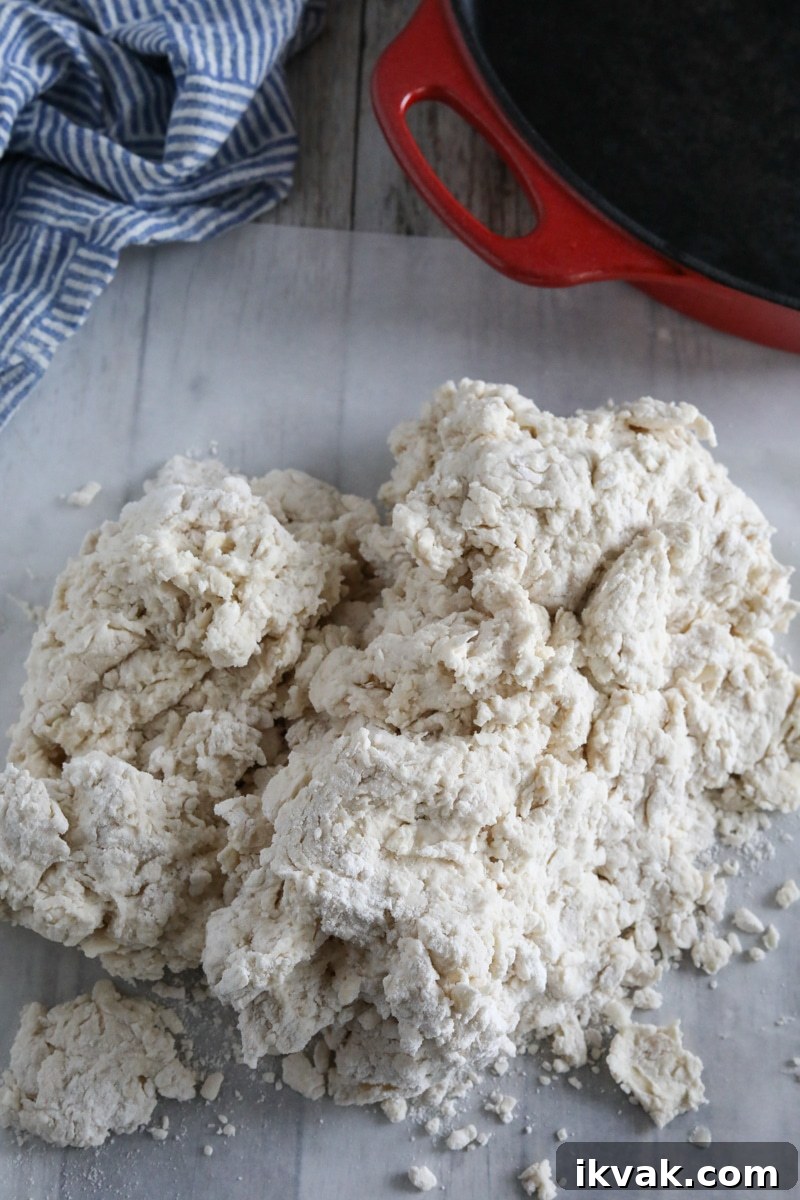
Step 4: Turn the dough onto a lightly floured surface and pat it into a rectangle about 1 inch thick. Fold the dough over itself (either in half or fold each side to the middle) and reshape into a rectangle. Repeat this folding 2–3 times to build flaky layers.
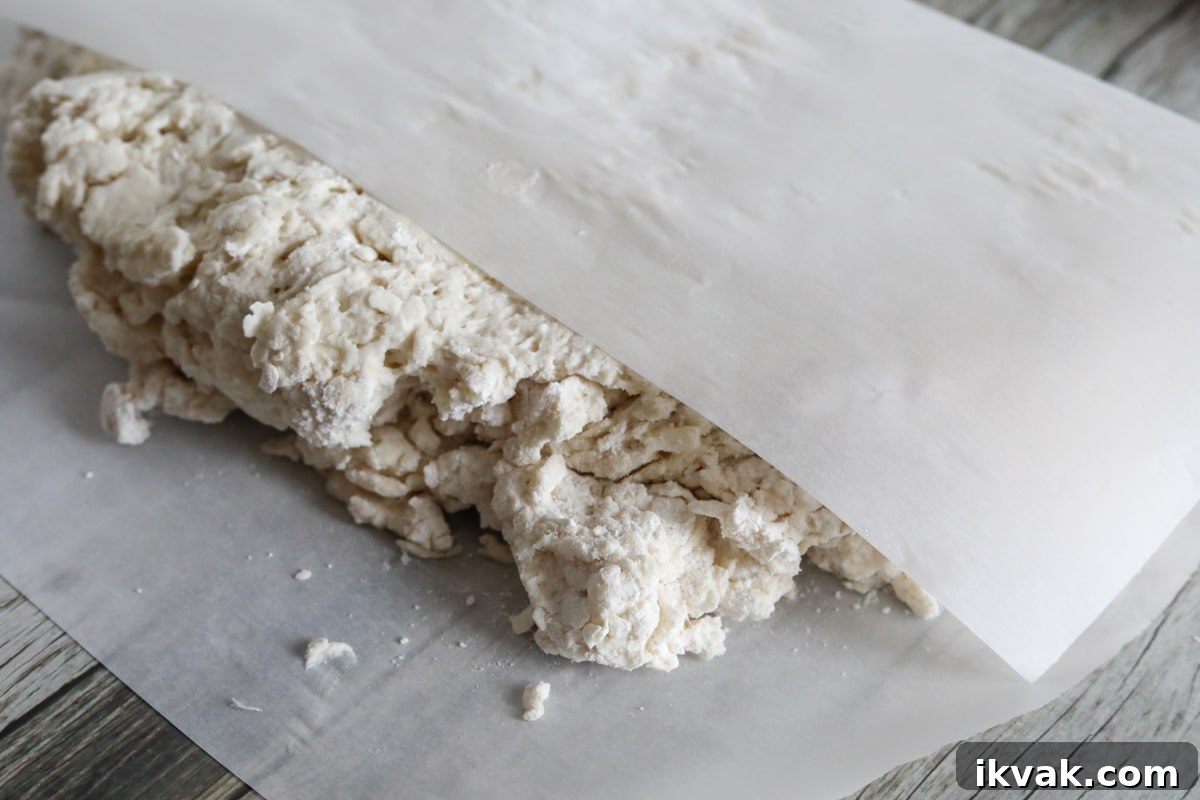
Step 5: Gently roll the folded dough to about 1/2 inch thick. If it sticks, dust the dough or rolling pin lightly with flour. Keep movements gentle to preserve those butter pockets.
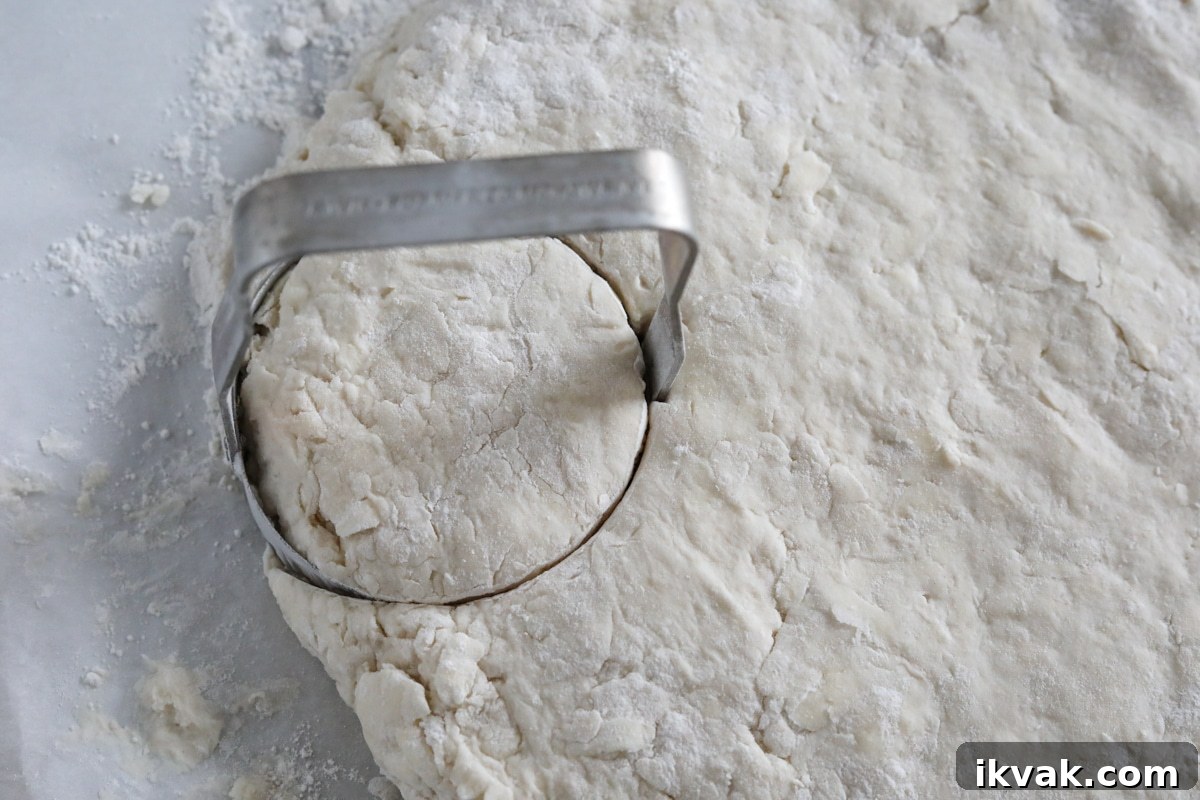
Step 6: Cut biscuits using a floured biscuit cutter. Do not twist the cutter; twisting seals the edges and prevents proper rising and layering. Re-roll scraps lightly to make additional biscuits—those from scraps may be slightly less tender but still tasty.
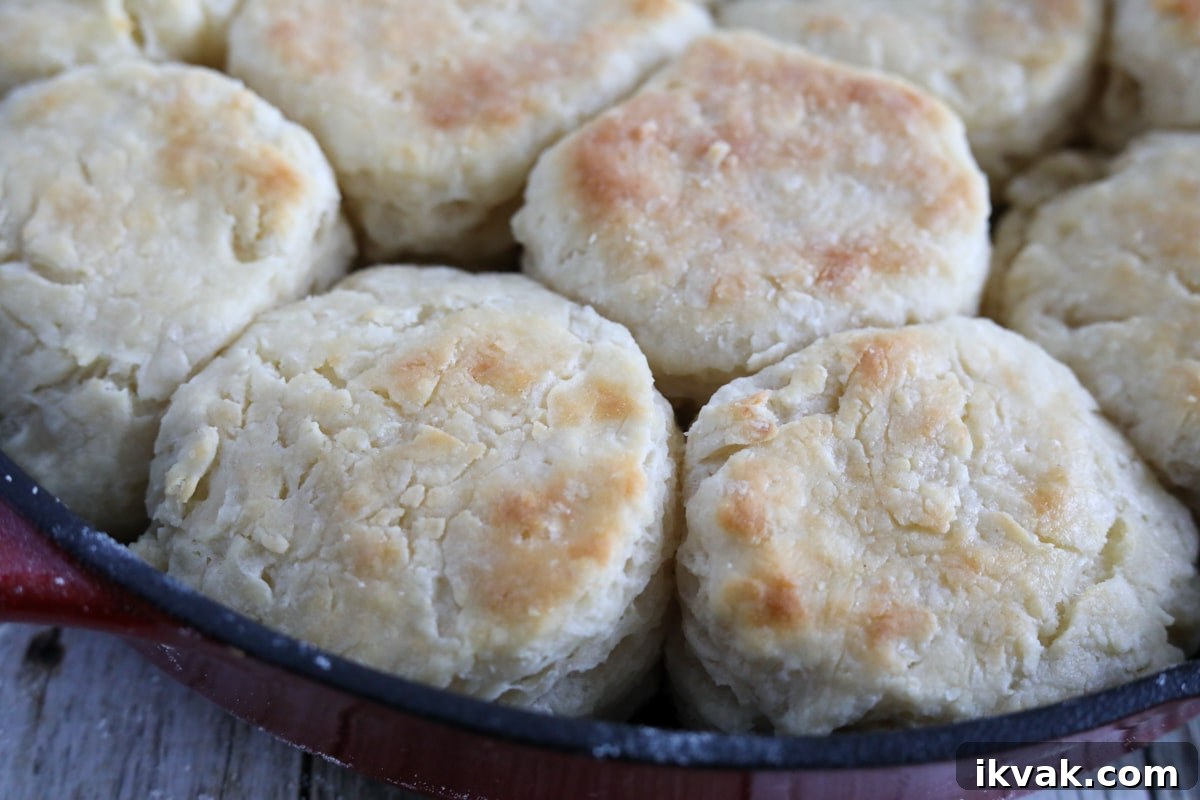
Step 7: Arrange the biscuits in a 12-inch cast-iron skillet or baking pan so their sides touch; this encourages upward rise. Melt 3 tablespoons butter and brush about half over the tops before baking. Bake in a preheated 475°F oven for about 15 minutes, or until the tops are lightly golden. Remove from the oven and brush with the remaining melted butter.
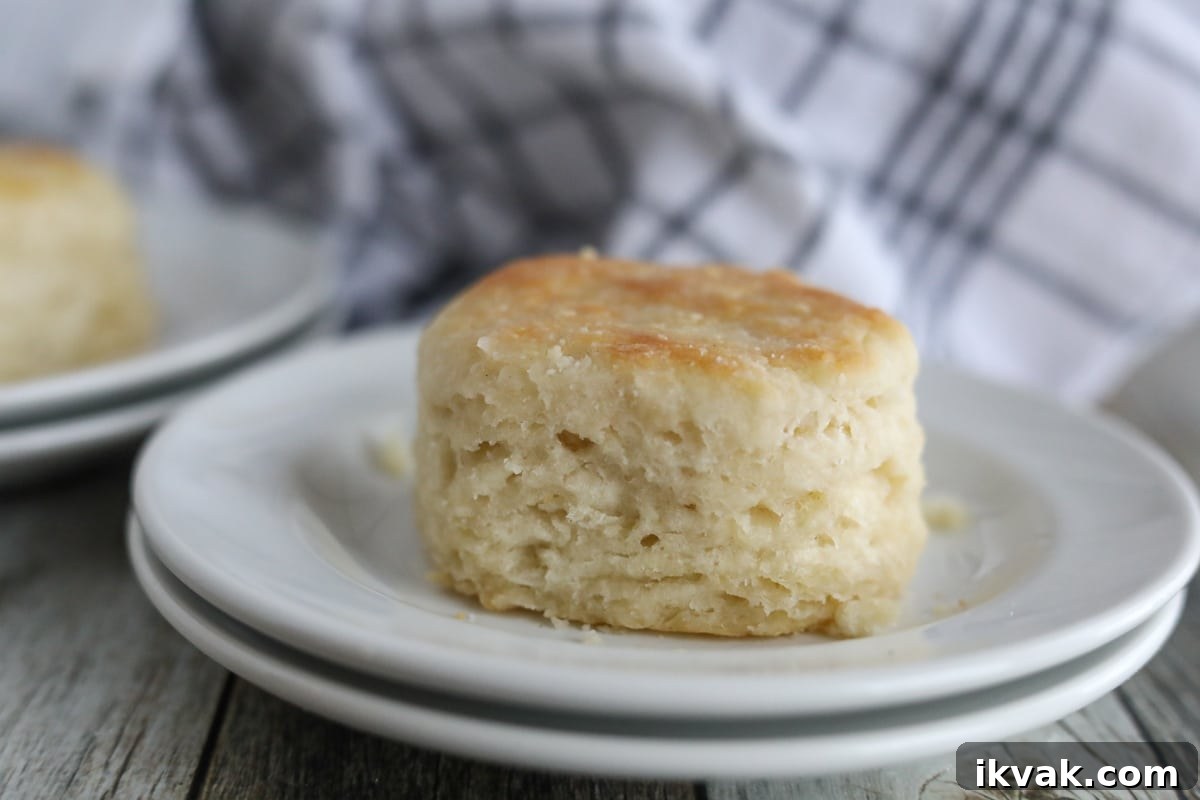
How to store biscuits made from scratch
Store baked biscuits at room temperature for 1–2 days in an airtight container to prevent drying. They will keep in the refrigerator in an airtight container for up to a week. For longer storage, freeze biscuits in a freezer-safe container for 2–3 months—freeze either before or after baking. If frozen unbaked, thaw before baking; if frozen baked, reheat in a 350°F oven with a little melted butter on top until warmed through.
Commonly asked biscuit questions
What are biscuits?
In North America, biscuits are a tall, soft quick bread made without yeast. They rely on chemical leaveners—baking powder or self-rising flour—for lift. Biscuits are similar to dinner rolls in use but have a denser crumb and distinct shaped layers.
Are there different methods to cut butter into flour?
- Food processor: Pulse cold butter and flour to a coarse, pea-sized texture. Be cautious—over-processing can create a creamed texture.
- Chop butter: Cut chilled butter into small cubes and use a fork to combine with the flour.
- Pastry cutter: Use a pastry cutter to work the butter into the flour until crumbly.
Grating frozen butter on the large holes of a grater is quick and reduces handling, so the butter stays colder—this method works very well.
Why are my biscuits crumbly?
If the butter is cut too finely, biscuits may be crumblier. Coarser butter pieces produce a flakier structure. Crumbliness affects texture and appearance but not flavor.
Why didn’t they rise correctly?
- Butter too warm: Cold butter creates pockets of steam that lift the biscuits. Warm butter won’t produce the same rise.
- Oven not hot enough: Biscuits bake best in a hot, fast oven to generate steam and rise.
- Wrong flour: All-purpose flour needs added leavening; using it instead of self-rising without adjustments can leave biscuits dense.
- Twisting the cutter: Twisting seals the edges and prevents even rising and layering.
Variations to this recipe
- Cheddar and chives – Fold grated cheddar and chopped chives into the dough for a savory twist.
- Fresh herbs – Add rosemary, thyme, or cracked black pepper for aromatic flavor.
- Warm honey – Brush warm honey on top for a sweet finish.
Buttermilk biscuits from scratch Recipe

Buttermilk Biscuits from Scratch
Ingredients
- 2 sticks butter frozen
- 5 cups self-rising flour
- 2 cups + 2 tbs cold buttermilk
Topping
- 3 tbs butter melted
Instructions
-
Preview the step-by-step images in the post if needed. Preheat the oven to 475°F and put the butter in the freezer.
-
Grate very cold butter on the large holes of a box grater into a large bowl, then add the self-rising flour.
-
Cut the butter into the flour with a metal fork until pea-sized crumbs form. Chill the mixture for 10 minutes.
-
Push the mixture to the sides of the bowl, make a well, and pour in the cold buttermilk.
-
Stir only until barely combined; the dough should remain crumbly with visible bits of butter.
-
Flour your work surface and pat the dough into a rectangle about 1 inch thick. Fold the dough over itself several times to create layers.
-
Roll the dough gently to roughly 1/2 inch thickness, cut with a biscuit cutter without twisting, and reroll scraps as needed.
-
Brush the tops with half the melted butter and place in a 12-inch cast iron skillet or baking pan with sides touching so they rise upward.
-
Bake for about 15 minutes or until lightly golden. Remove and brush with remaining melted butter. Serve warm.