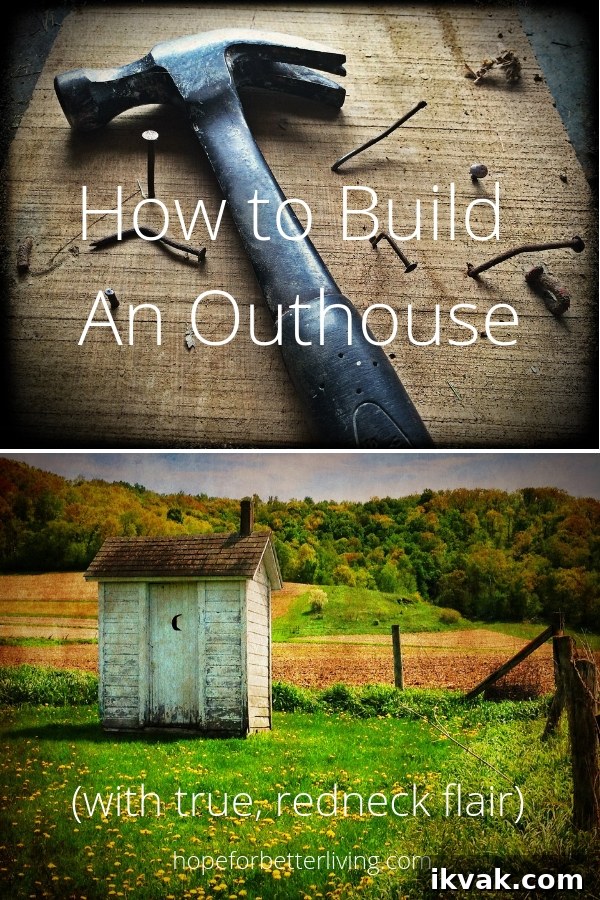
Have you ever tried building an outhouse? I haven’t, but my partner has, and watching him work taught me quite a bit about putting together a functional, no-frills outhouse. I didn’t build it myself, but here’s a clear, practical guide based on what I learned—useful whether you need a rustic bathroom solution or just a backyard project.

Choosing the Location
Pick a spot that offers privacy and is downwind and some distance from your house. If neighbors are nearby, position the outhouse where vegetation or fencing provides screening so late-night trips remain discreet. Avoid placing it near streams, creeks, wells, dugouts, or any water source to prevent contamination. Protecting water quality is both responsible and a matter of health, and many communities have regulations about outdoor sanitation, so check local bylaws before you begin.
Digging the Hole
The essential first step is a deep pit—generally at least four feet. Whether you dig by hand, use machinery, or any other method, depth matters because the pit fills with waste and cover material (soil, wood ash, or sawdust) over time. When it nears capacity, you’ll bury the contents with a layer of soil and relocate the outhouse. Digging deep from the start saves effort and reduces odors and pests.
Preparing the Outhouse Foundation
A solid foundation makes the structure safer and easier to maintain. Old pallets work well as a base: place one or two pallets so the back extends several inches beyond the pit opening. Cut a round opening in the pallet where the seat will sit, and, if you like, add a pallet “porch” in front of the door to keep feet off snow or mud during winter.
Constructing the Outhouse Frame
Use reclaimed lumber, spare plywood, and other available materials for the walls and roof. Tin or corrugated metal makes a durable roof; mixing colors gives it a rustic look. Salvaged doors, such as an old chicken coop door, are perfectly suitable. Frame four walls, a doorway, and a roof—windows aren’t necessary because gaps and cracks will provide airflow and light. Use better lumber for the roof to avoid leaks, and reserve patchy boards for the walls. Keep most gaps above waist height to maintain privacy.

Finish the roof, hang the door (a door missing a hinge or two adds rustic character), and save two sturdy pieces of plywood for the seat.
Crafting the Outhouse Seat
Create a simple seat from two plywood pieces—one horizontal to sit on and one vertical to support it. Fasten them securely with screws or nails, then cut a hole in the horizontal board directly above the pit. If women or children will use the outhouse, consider attaching the cut-off bottom of a five-gallon bucket beneath the seat to channel waste more cleanly into the pit.
Preparing the Seat for Business
For comfort in cold weather, insulate the seat with a square of Styrofoam (avoid fiberglass). Cut a hole in the foam to match the seat opening and place it on top to reduce chill. If the roof leaks and could drench the foam, bring along a spare toilet seat or keep one indoors to use when needed.
Finishing Touches
If electricity is available, a heat lamp can help prevent frost around the seat during winter; route the cord safely through a wall opening and secure the lamp above the seat. Add a nail or hook for toilet paper, and feel free to include small comforts like a magazine stack or a simple doily for a touch of personality. These finishing touches make the outhouse more usable and pleasant.
When finished, you’ll have a practical, singular facility built from reclaimed materials—functional, economical, and tailored to your needs. Respect local rules, protect water sources, and maintain the structure so it serves you safely and hygienically.