Authentic Recipe from Icelandic Chef Stefan of Þrír Frakkar
Welcome to The Storied Recipe Podcast, a podcast about food, culture, and love.
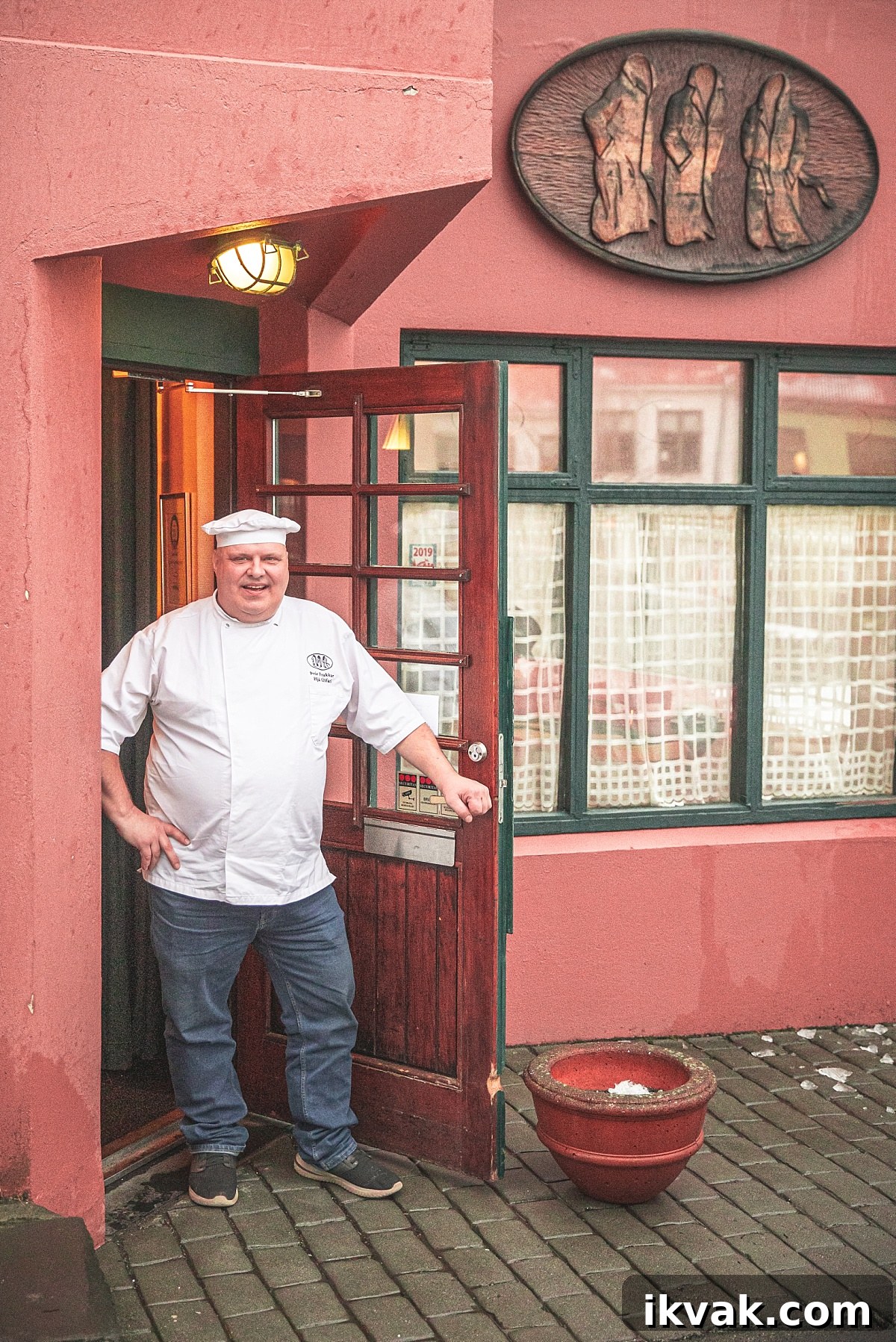
This recipe for Plokkfiskur, a classic Icelandic fish stew, was shared by Chef Stefan of the well-known Reykjavík restaurant Þrír Frakkar. Chef Stefan learned this dish in his grandmother’s kitchen and brought the traditional comfort of home cooking to his menu.
For listeners, this recipe pairs beautifully with the episode featuring Chef Stefan on The Storied Recipe Podcast.
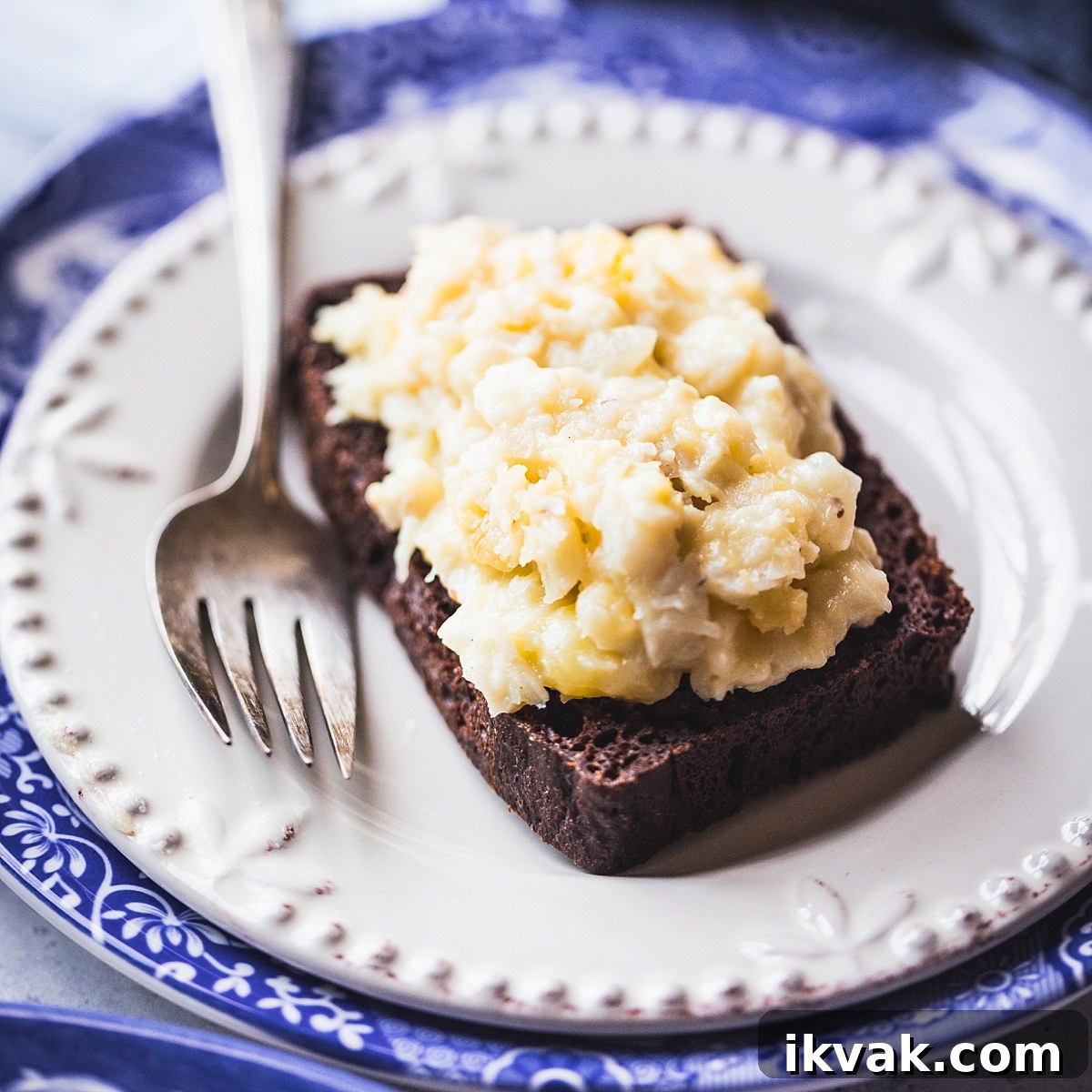
Plokkfiskur has long been a staple in Icelandic kitchens. Traditionally it was a practical, satisfying dish made from leftover boiled fish combined with potatoes, onion, and a simple white sauce. It was commonly served with dense, sweet Icelandic rye bread (Rúgbrauð), historically baked in geothermal heat when available.
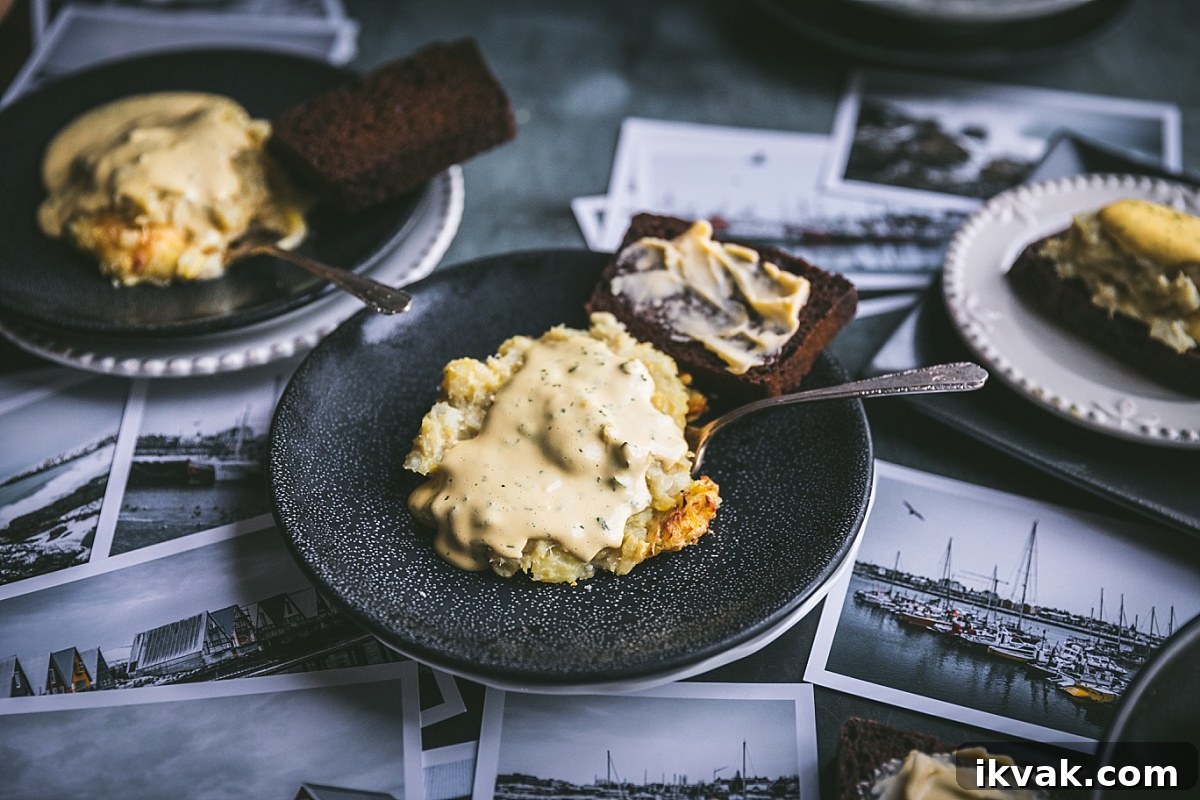
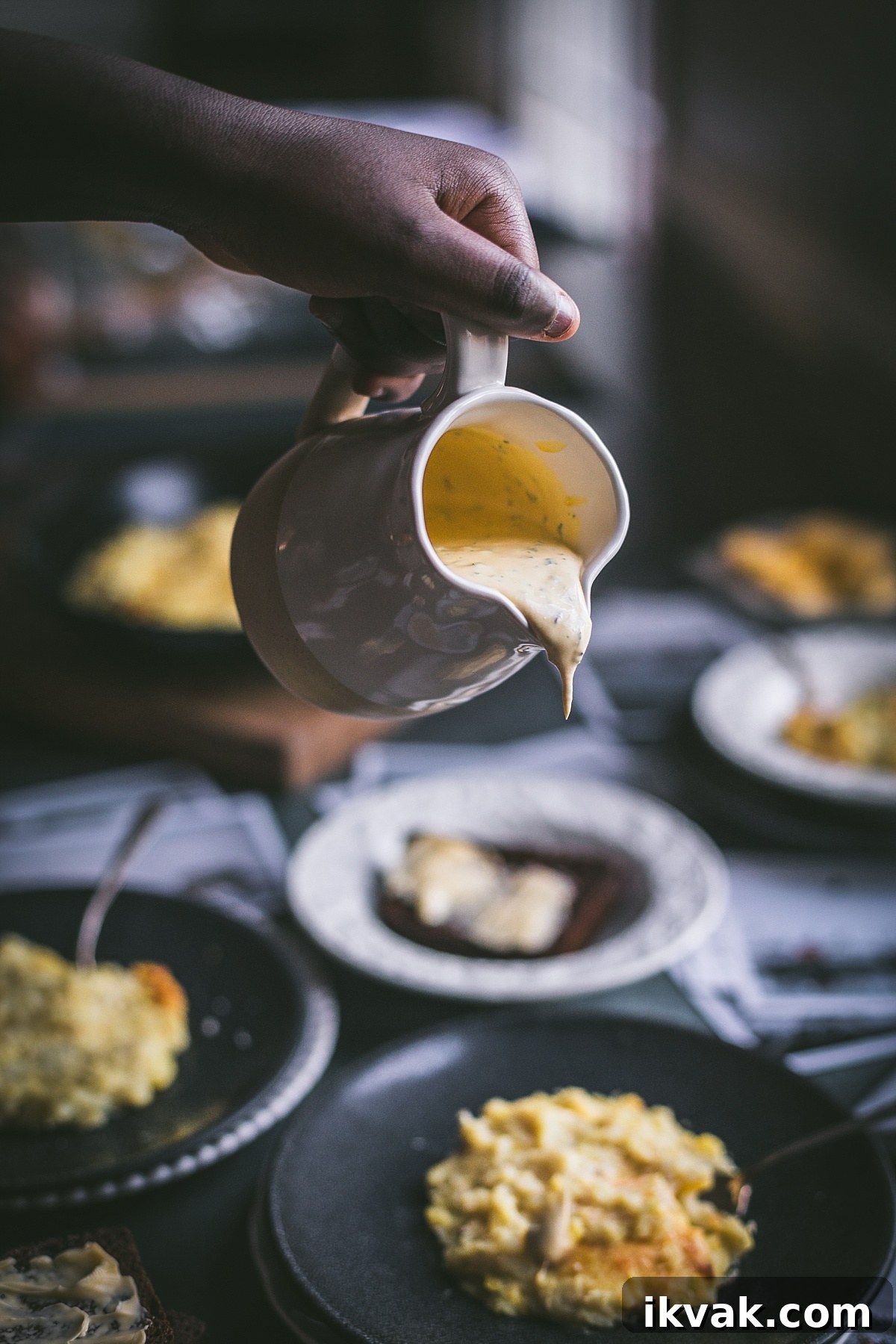
At Þrír Frakkar, Chef Stefan modernizes his grandmother’s version by using a higher proportion of fresh fish to potatoes, seasoning carefully, and finishing the dish with a mild grated cheese before broiling. He often serves it with a creamy sauce on the side, substituting parsley for the usual tarragon in his variation of béarnaise. The result is a refined yet deeply comforting Icelandic classic.
No matter the variation, Plokkfiskur remains an honest comfort food rooted in simplicity and good ingredients.
(P.S. For a travel reflection about Iceland and recent visits, see the author’s Iceland travel notes.)
Look, Flavor, and Texture
Texture:
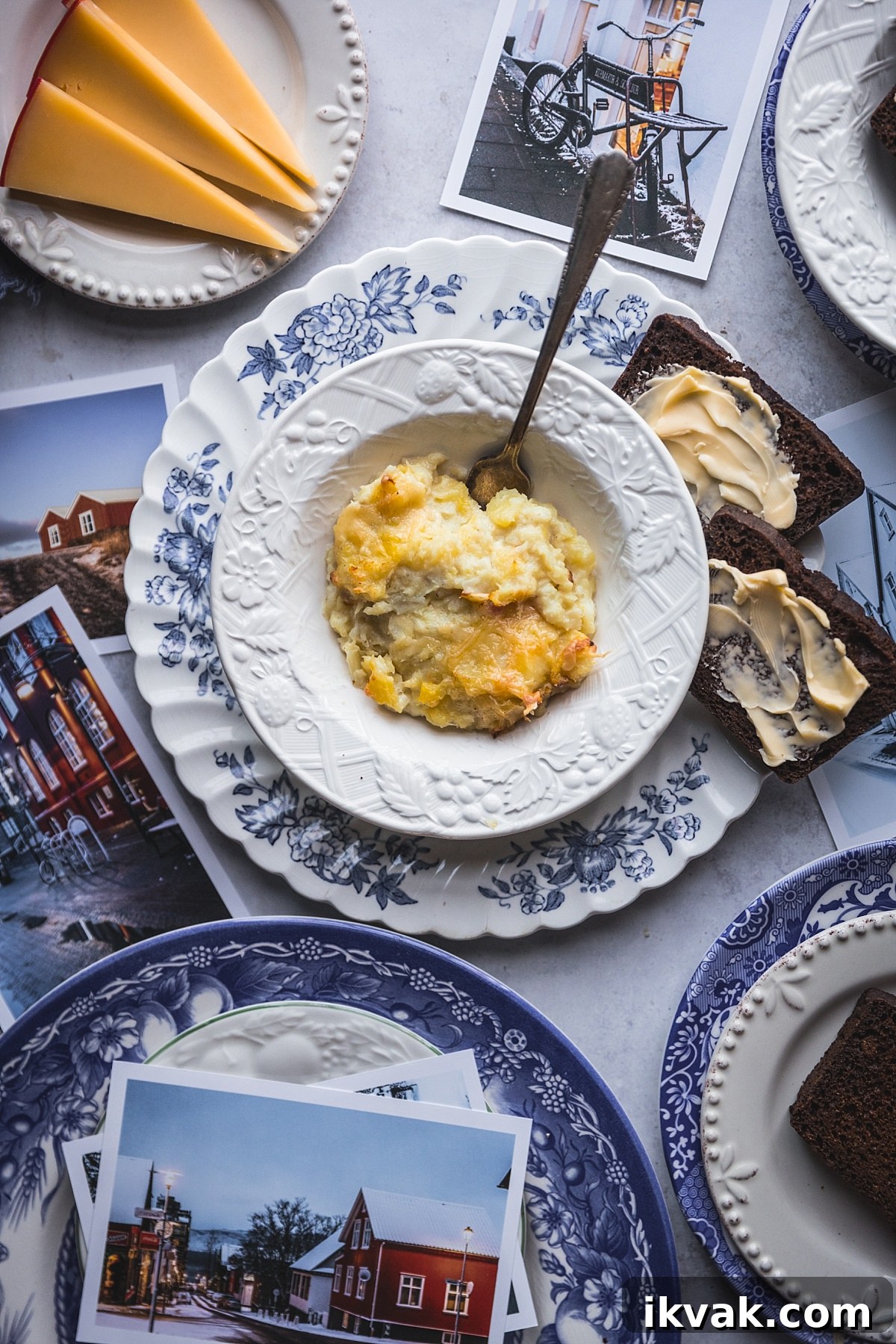
- More like a dense casserole or a spreadable pâté than a thin soup.
- Often spread on dense rye or brown bread.
- Consistency depends on how finely you break up the fish and mash the potatoes.
Look:
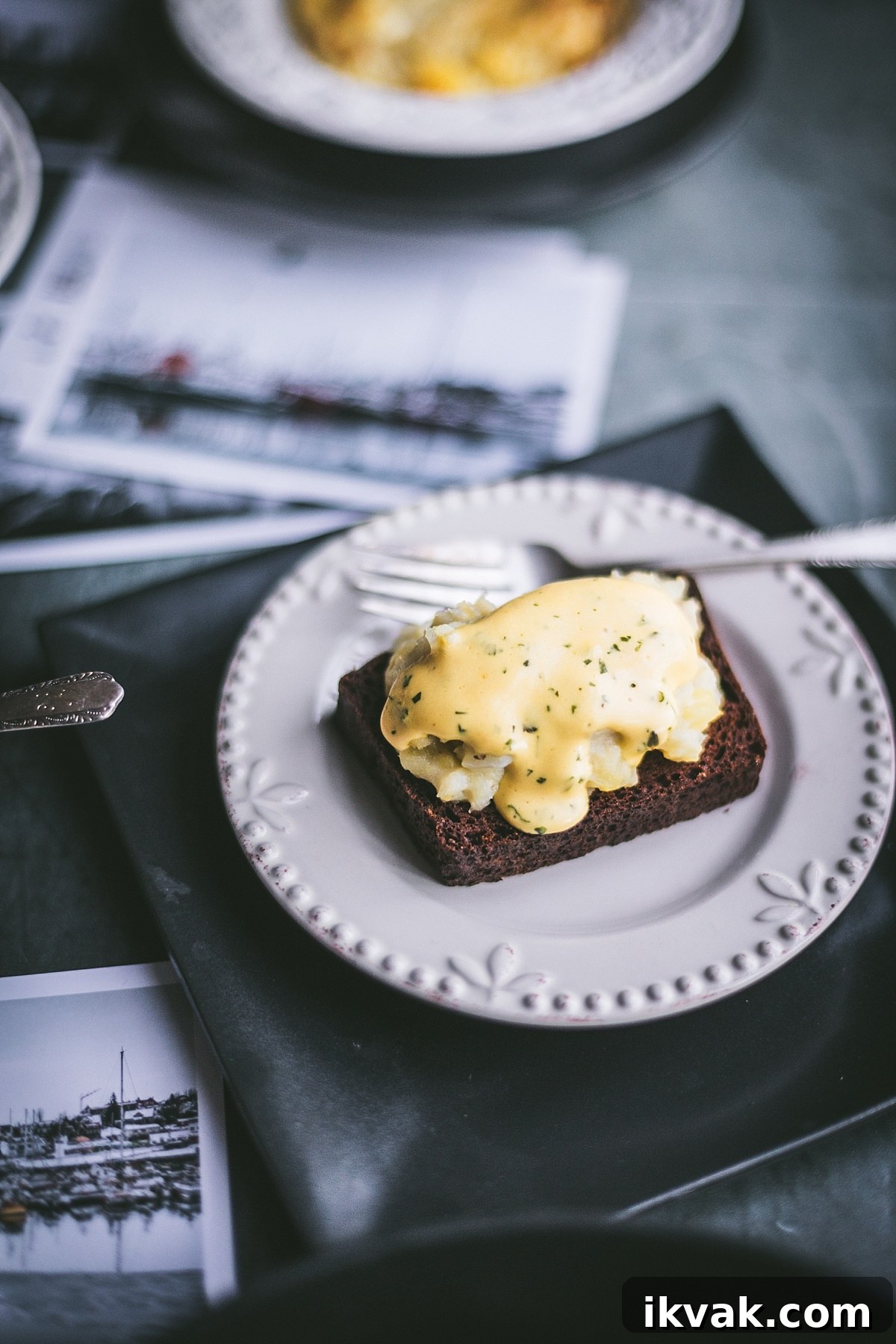
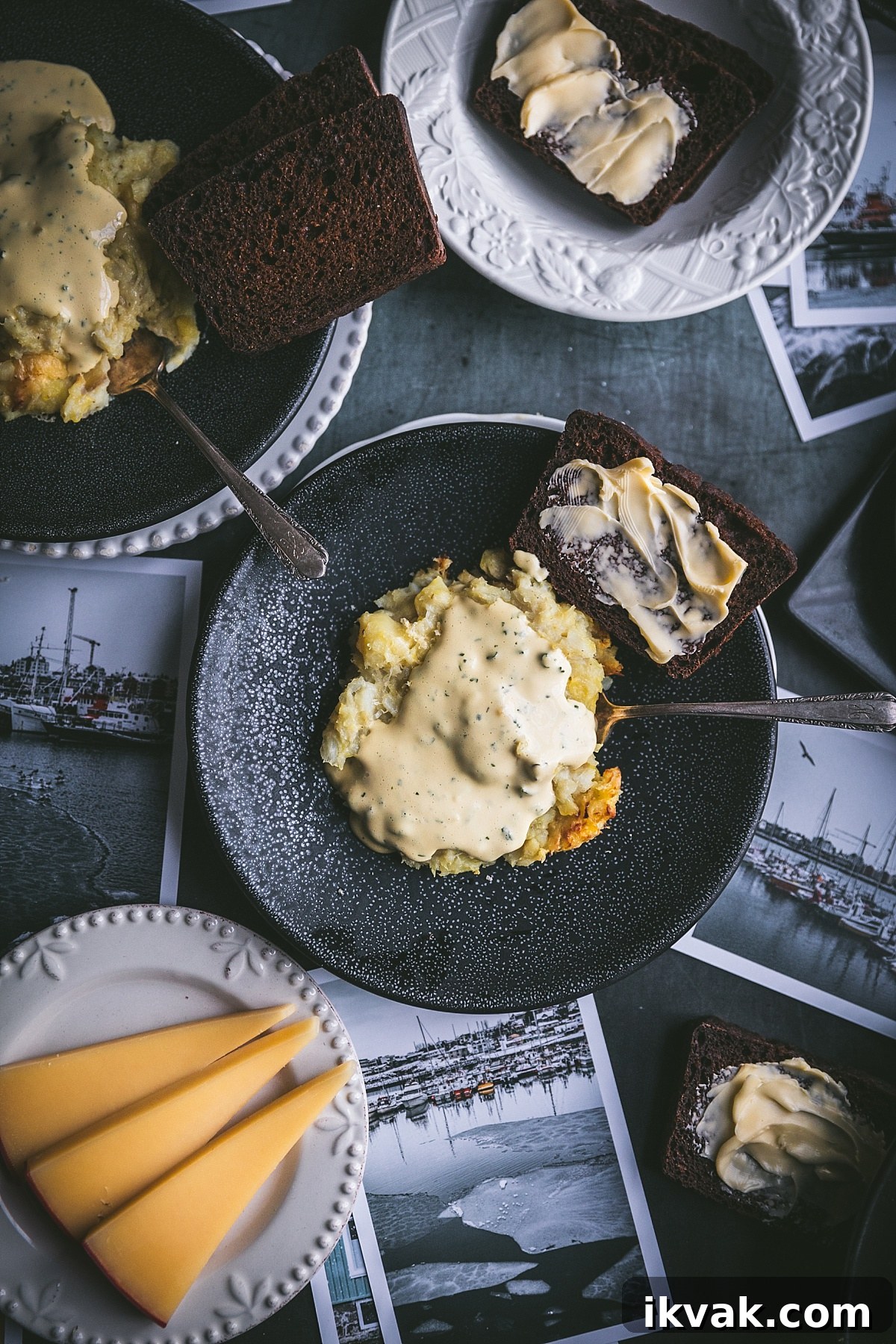
- Golden, slightly crisp top after broiling.
- Can be served plain, with melted cheese on top, or with a creamy sauce alongside.
Flavor:
- Mild, wholesome, and satisfying; the dish relies on high-quality, fresh ingredients.
- With only a few ingredients plus seasonings, freshness of fish and potatoes makes the biggest difference.
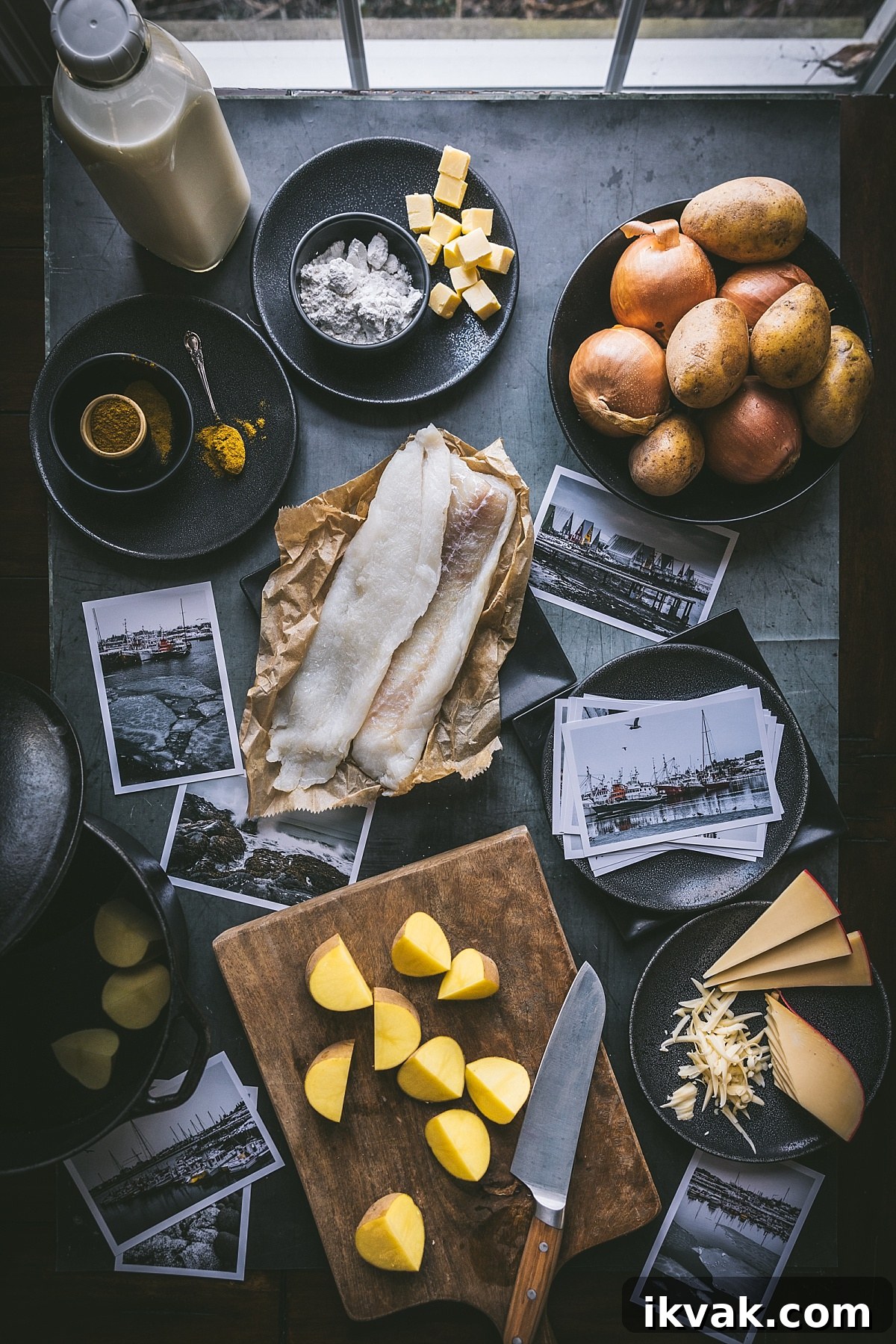
Ingredients & Substitutions
- Fish: Fresh white fish is ideal; Icelandic cod is traditional. Any firm white fish works well.
- Potatoes: Waxy varieties like Yukon Gold or red potatoes work best because they mash and bind well.
- Onion: White onion is mild and sweet, but yellow onion is a fine substitute.
- Butter: European-style butter adds depth, but regular butter is acceptable.
- Flour: All-purpose flour is used to make the roux for the white sauce.
- Grated cheese: Optional — a mild, milky cheese such as Gouda melts well without overpowering the fish.
Instructions
Plokkfiskur is straightforward to prepare. Home cooks and restaurants alike vary proportions and seasonings, so adapt the steps to suit taste.
Boil Fish and Potatoes
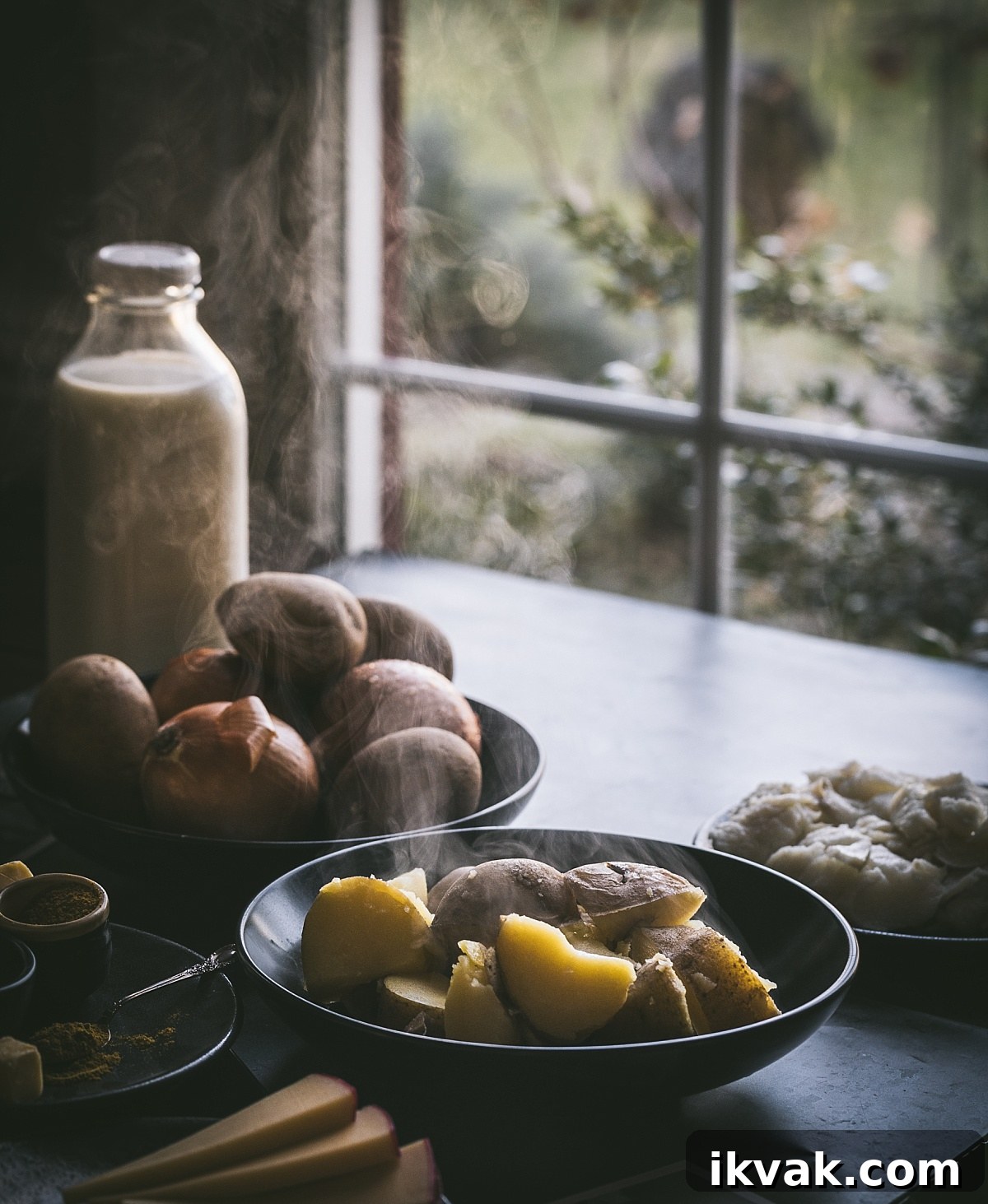
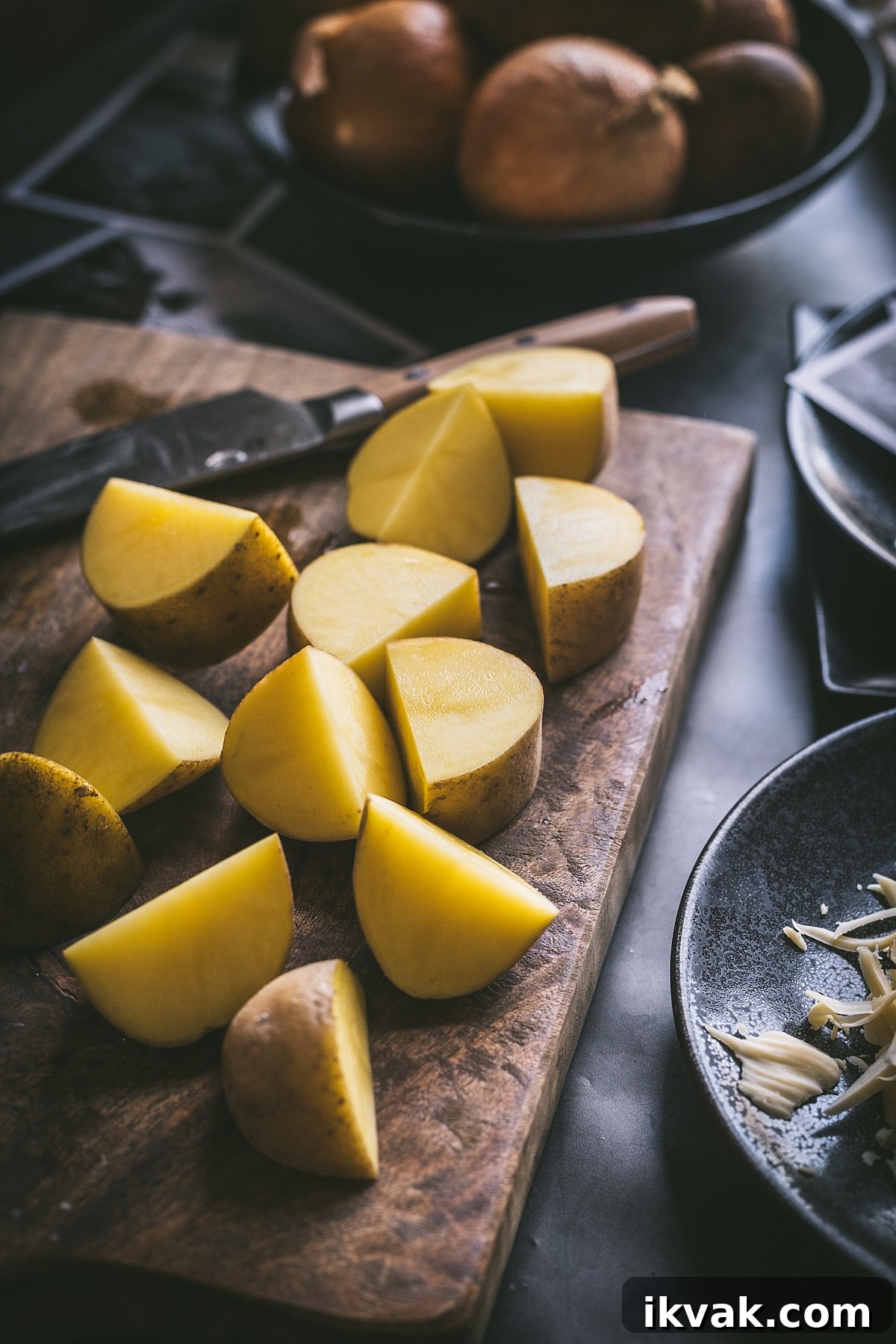
- Cut potatoes into uniform pieces and boil until tender, about 20 minutes depending on size.
- Poach the fish in salted simmering water for roughly 6–10 minutes, depending on fillet thickness, until flaky but still firm. Remove and let cool.
Make the Roux and Sauce
- Dice the onion and sweat in butter until translucent.
- Add flour to form a roux, stirring until it becomes paste-like and slightly golden.
- Gradually whisk in milk, simmering until the béchamel is thick and coats the back of a spoon.
Combine and Finish
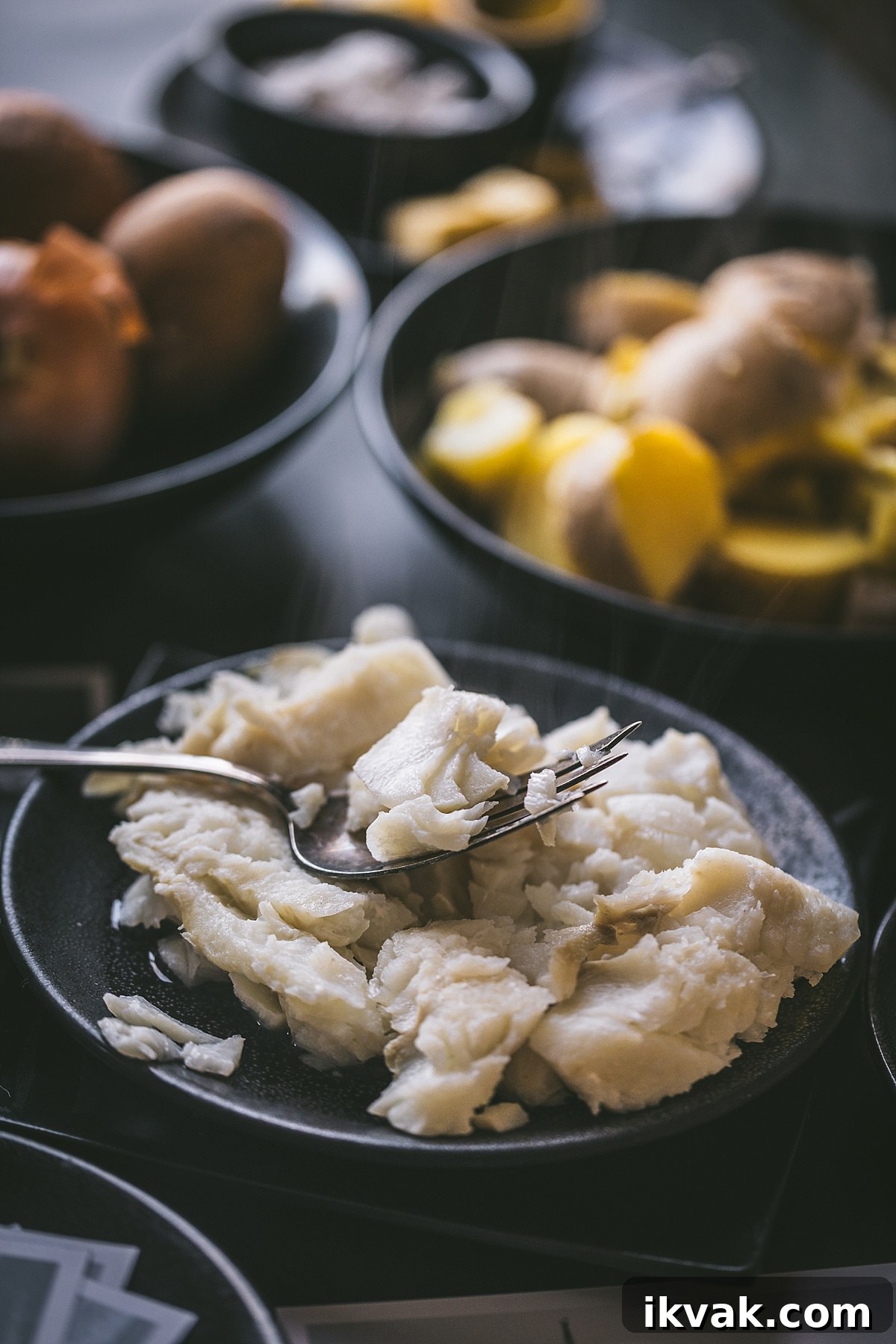
- Break the fish into large flakes and roughly mash or chop the boiled potatoes.
- Fold fish and potatoes into the sauce until the mixture is bound but not soupy.
- Season with salt, pepper, and a small pinch of curry powder for a traditional touch.
- Transfer to an ovenproof dish, sprinkle with a mild grated cheese if desired, and broil until the top is golden and bubbling, 10–15 minutes.
Consider Saving the Fish Stock
Reserve the poaching liquid if possible. It can be used to boil the potatoes for extra flavor, replace some or all of the milk to create a lighter, dairy-free version, or be refrigerated and used as a seafood stock for soups later.
Serve With
- Dense, slightly sweet Icelandic rye bread or any hearty brown bread makes a classic accompaniment.
- A simple, herb-forward creamy sauce pairs nicely; Chef Stefan prefers a parsley-forward version when serving a béarnaise-style accompaniment.
More FAQ
What does “Plokkfiskur” mean?
- The word is commonly interpreted as referring to fish that is plucked, pulled, or mashed — a fitting description of the finished dish.
Where to find Icelandic cod
- Fresh Icelandic cod is available at many specialty seafood counters; any sustainable white fish is a suitable substitute if unavailable.
Equipment
- Large pot for boiling potatoes
- Deep skillet or enameled pot for poaching fish and making the sauce
- Ovenproof casserole dish or Dutch oven for broiling
Storage
- Best served fresh for texture and flavor.
- Leftovers keep well refrigerated and reheat nicely in a 350°F (175°C) oven until warmed through.
Listen to Chef Stefan’s Episode
In the podcast episode, Chef Stefan discusses his approach to elevating traditional Icelandic dishes using local ingredients, shares family stories, and reflects on changes in Iceland’s culinary landscape. Listening while you cook brings an added layer of context to this beloved dish.