What is added sugar? What does “no added sugar” actually mean? And why should you pay attention to it for your children’s health?
Childhood obesity rates are rising, type 2 diabetes is appearing in younger children, and dental problems are more common. A major contributing factor to these trends is excess added sugar in kids’ diets.
This article explains where added sugars often hide, the health and dietary implications, and practical strategies to make smarter choices for your child’s nutrition. Your child’s health matters, and small changes can make a big difference.
This post previously contained affiliate mentions. No external links are included here.
Jump to a section:
- Where do we find added sugar?
- Why limit added sugar?
- Dietary implications
- Limiting added sugar
- What “no added sugar” means
- What counts as added sugar?
- Added sugar vs. total sugar
- Guidelines for kids
- Artificial sweeteners
- Sugar alcohols
- Monk fruit sweetener
- Does milk have added sugar?
- Low sugar snacks for kids
- Sneaky places added sugar can hide
- Ways to reduce added sugar
Added Sugar in Kids’ Diet: What Parents Need to Know for Better Nutrition
Where do we find added sugar?
The Dietary Guidelines for Americans point out that the leading sources of added sugars in the U.S. diet are sugar-sweetened beverages and desserts and sweet snacks. So common sources you probably expect include soda, sweetened fruit drinks, cookies, cakes, and other desserts.

Added sugar also appears in less obvious places: fruity yogurts, many cereals, sandwich bread, condiments, and packaged foods. Knowing where to look helps you make better choices without over-restricting your family’s diet.
Why limit added sugar?
The American Heart Association and other health organizations link diets high in added sugars to risk factors for cardiovascular disease: obesity, diabetes, high blood pressure, and unhealthy cholesterol. For growing children, nutrient-dense foods are essential to support development.
Nutrient density means meals and snacks that deliver a balance of macronutrients—protein, healthy fats, and carbohydrates—along with vitamins, minerals, and fiber. Foods high in added sugar often provide quick energy but lack protein, fat, fiber, and micronutrients needed for sustained energy, brain development, and overall health.
Dietary implications
A pattern of frequent intake of high-added-sugar foods can crowd out important nutrients and contribute to excess calorie intake. A sugar-sweetened beverage plus a sweet snack may temporarily satisfy hunger, but without protein or fiber it won’t support muscle repair, cognitive function, sleep quality, or steady energy.
Over time this pattern can lead to fatigue, brain fog, constipation, reduced activity, and other less-than-optimal health signs. Note that body size alone isn’t a reliable indicator of health; diet quality and patterns matter more.

Limiting added sugar
Instead of strict restrictions that can backfire, aim to teach kids how different foods make them feel. Help them recognize hunger, fullness, and the effects of very sweet foods. The goal is healthy habits and informed choices, not food fear.
Sugar is enjoyable, and sweet foods can be part of a balanced life. Focus on overall dietary patterns, set reasonable limits, and provide nutritious alternatives so treats don’t become the default.
It’s not all or nothing
Limiting added sugar doesn’t mean completely avoiding it. Perfection isn’t necessary. There’s a middle ground where kids can enjoy sweets occasionally but still eat mostly nutrient-rich foods the rest of the time.
What “no added sugar” means
“No added sugar” on a label means the manufacturer did not add sugars or caloric sweeteners during processing. It does not mean a product contains no sugar at all—naturally occurring sugars from fruit or dairy may still be present, and those count toward total sugar.
Some “no added sugar” products use non-nutritive sweeteners (such as sucralose or stevia). These sweeteners add sweetness without calories, but they are distinct from added sugars and have separate considerations.
What counts as added sugar?
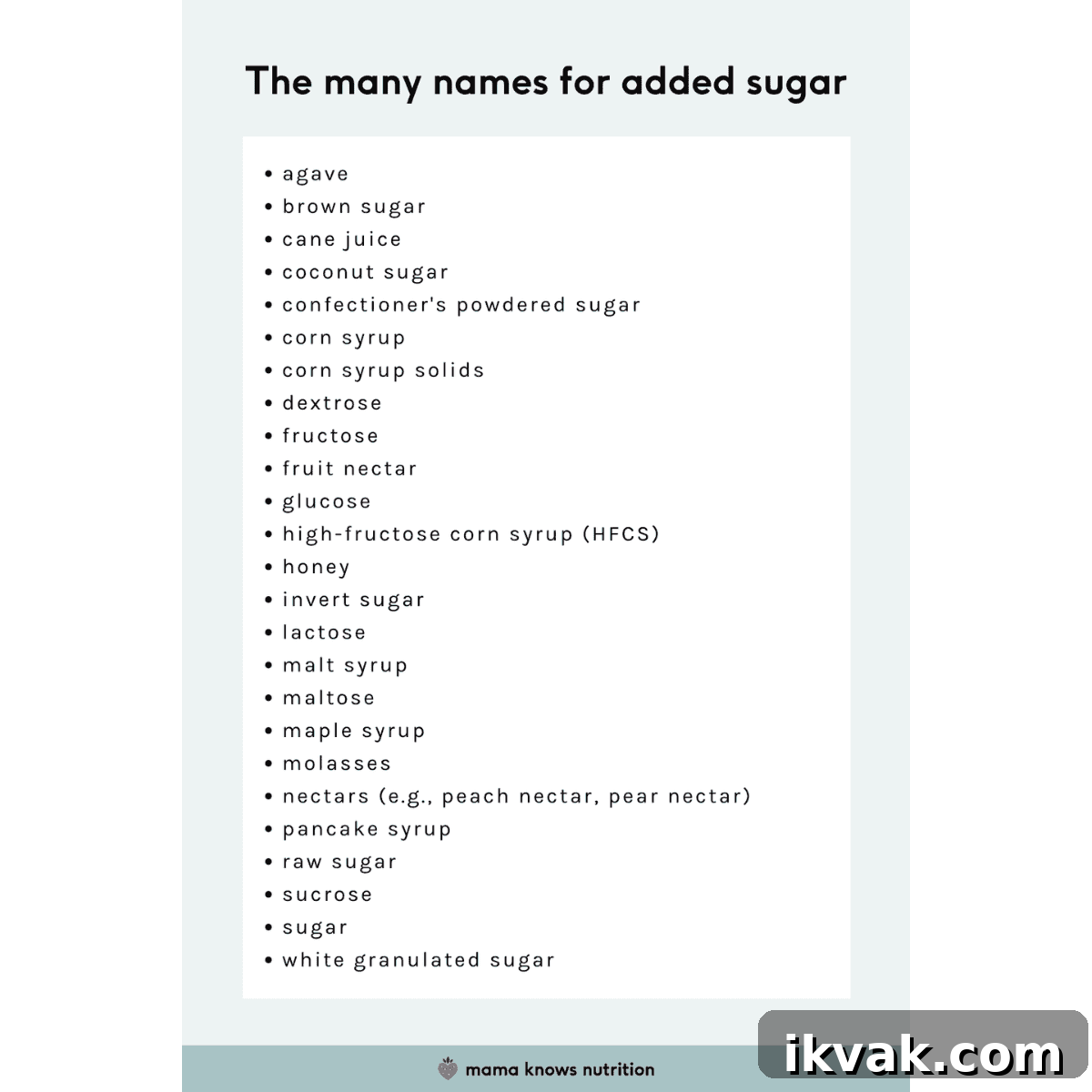
Added sugars appear on labels under many names. Common examples include:
- corn syrup
- high-fructose corn syrup
- dextrose
- malt syrup
- molasses
- agave
- coconut sugar
- brown sugar
- honey
- maple syrup
Even “natural” sweeteners like honey and maple syrup are still added sugars and should be limited in the same way as other caloric sweeteners.
Added vs. total sugar: what’s the difference?
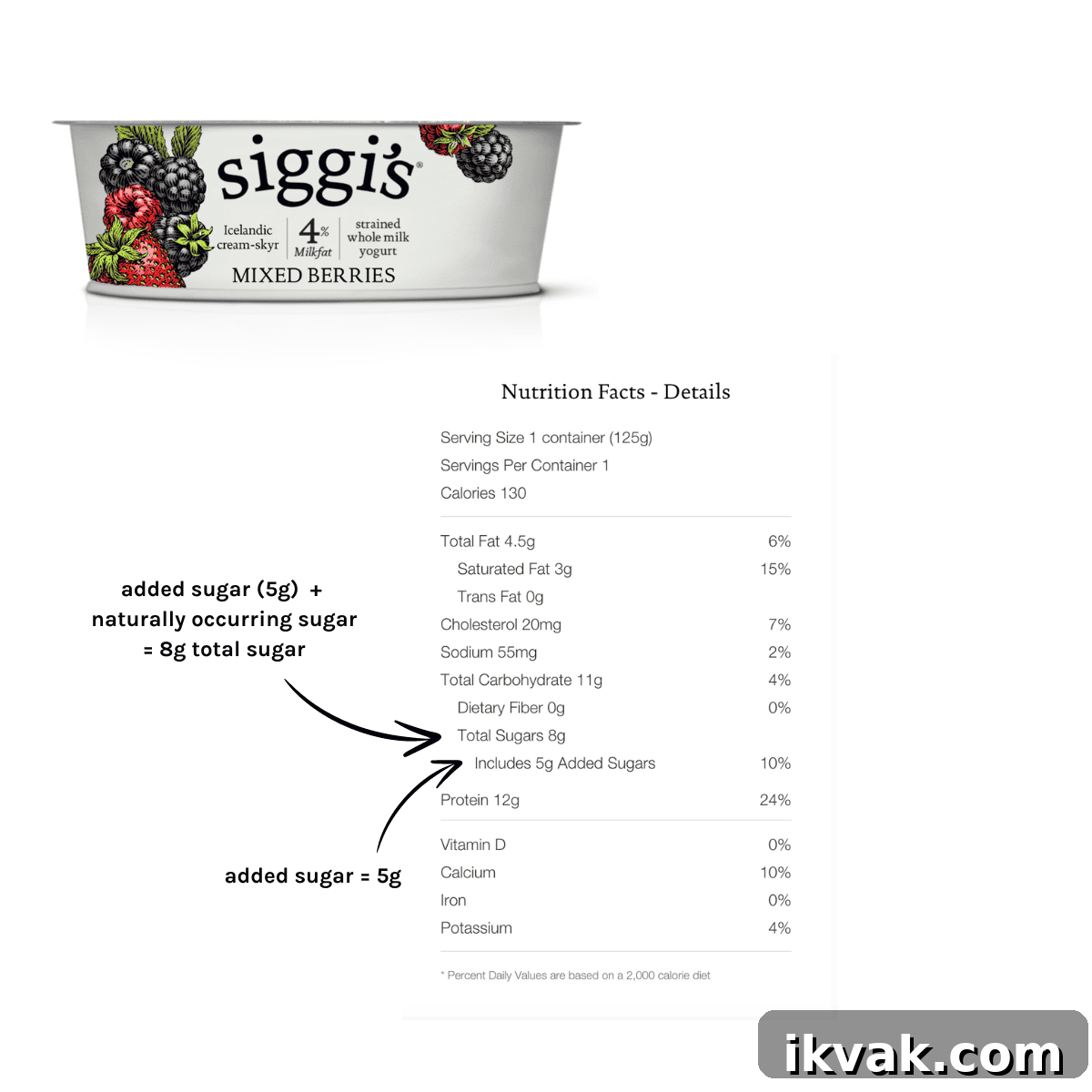
Total sugar equals all sugars in a product: naturally occurring plus added. Added sugar is the portion introduced during processing or preparation. On many nutrition labels you’ll see both total sugar and added sugar listed, making it easier to know how much was added versus naturally present.
For example, a flavored yogurt might list 8 grams total sugar and 5 grams added sugar—meaning 3 grams are naturally occurring (lactose from milk). Recommendations focus on limiting added sugar because it offers little to no nutritional benefit.
High total sugar with low added sugar often indicates a fruit-based product, where the sugar comes from whole fruit. Whole fruit also provides fiber and micronutrients, so it’s less of a concern than added sugars in processed foods.
Guidelines for kids
Dietary recommendations advise that Americans age 2 and older keep added sugars to less than 10% of daily calories. For a toddler eating about 1,000 calories per day, that equals roughly 100 calories from added sugar (about 6 teaspoons or 25 grams).
To put that in perspective, a small serving of cookies can contribute a significant portion of that limit. For children under 2 years old, guidelines recommend avoiding added sugar entirely when possible.
What about artificial sweeteners for kids?
Artificial sweeteners allow foods to taste sweet without added calories, but long-term effects in children aren’t well established. Some adult studies show potential long-term concerns. Because these sweeteners are intensely sweet, limiting their use helps preserve developing taste preferences and encourages appreciation for less-sweet flavors.
What about sugar alcohols?
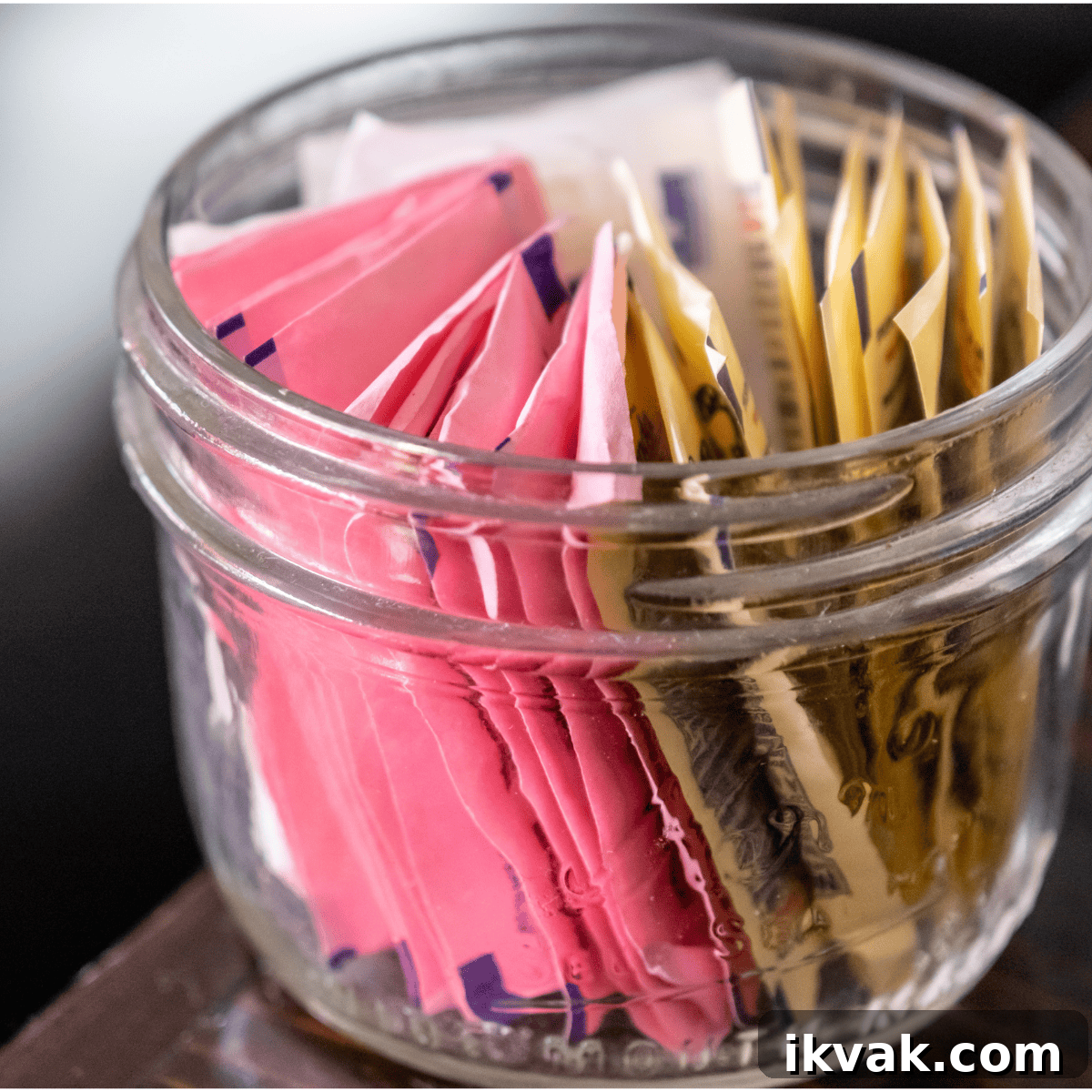
Sugar alcohols (e.g., sorbitol, xylitol, maltitol) are sweeteners that often end in “-ol.” They’re not alcoholic, but they can cause digestive upset since they aren’t fully digested. Small amounts are usually tolerated, but for young children or those sensitive to them, it’s wise to limit exposure.
What about monk fruit sweetener?
Monk fruit is an alternative, plant-derived non-nutritive sweetener that provides sweetness without calories. It’s much sweeter than table sugar, similar to stevia but generally considered less intensely sweet. Like other non-nutritive sweeteners, it can be useful in moderation, but consider taste preferences and long-term use for children.
Does milk have added sugar?
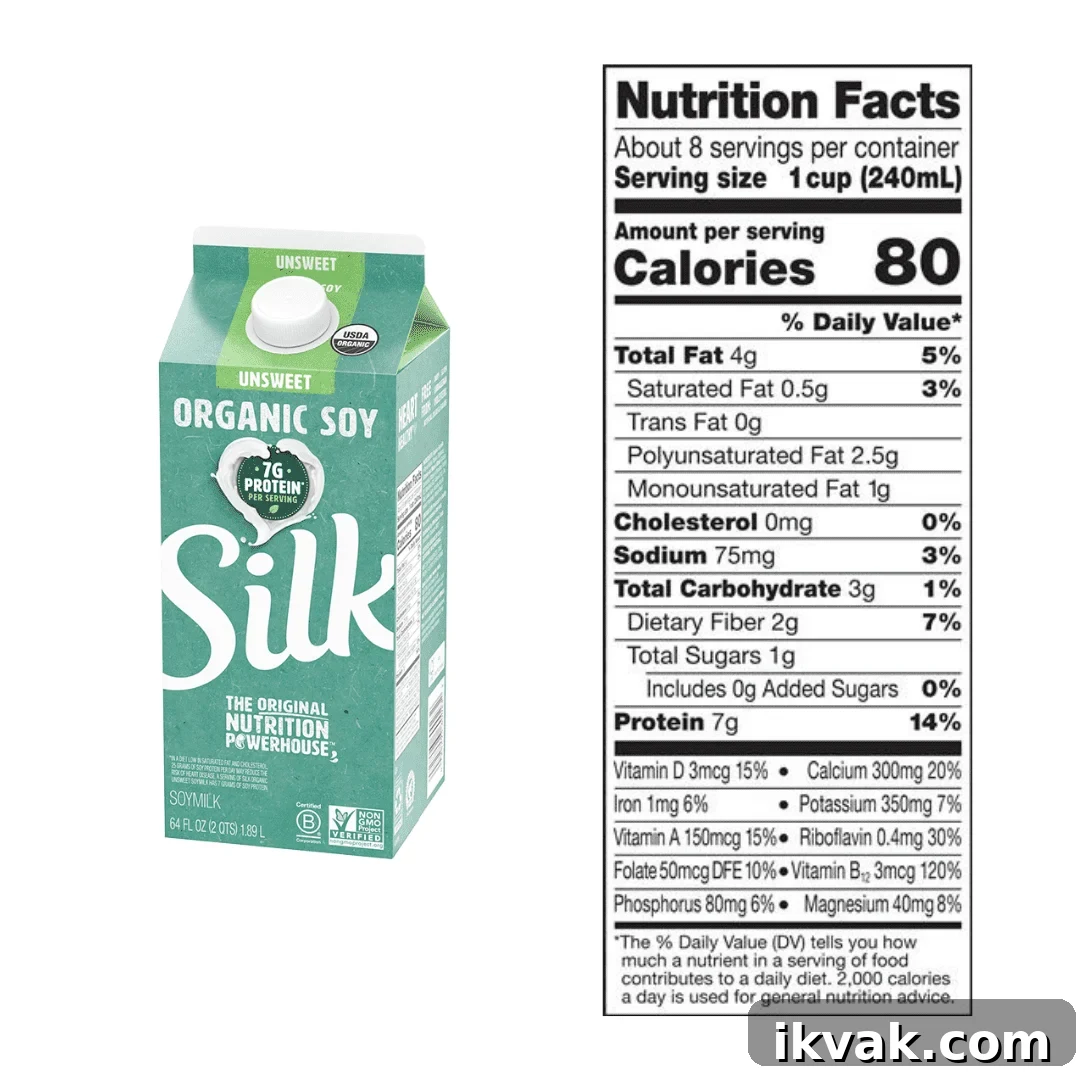
Plain cow’s milk contains lactose, a naturally occurring sugar. Flavored milks (chocolate, strawberry) usually include added sugars on top of lactose. Many plant-based milks have sweetened varieties, so choose unsweetened versions when possible. Unsweetened soy milk is a higher-protein alternative to many plant milks.
Low sugar snacks for kids
Many parents look for snacks that are both nutritious and appealing. A good target for packaged snacks is about 6–7 grams of added sugar or less. Plain Greek yogurt, nut butters made from mainly peanuts, whole fruit, and lower-sugar snack bars can all fit into a balanced snack plan.
No sugar added kids bars
There are several bars formulated for children that contain no added sugar or very low added sugar. These can be convenient, especially when paired with fruit or a serving of dairy for protein and balance.
No sugar added peanut butter
Choose peanut butters with minimal ingredients—ideally just peanuts (and maybe a little salt or oil). A couple grams of sugar in a favorite brand isn’t a major concern, but single-ingredient nut butters are a simple, nutrient-dense option.
No sugar added ketchup
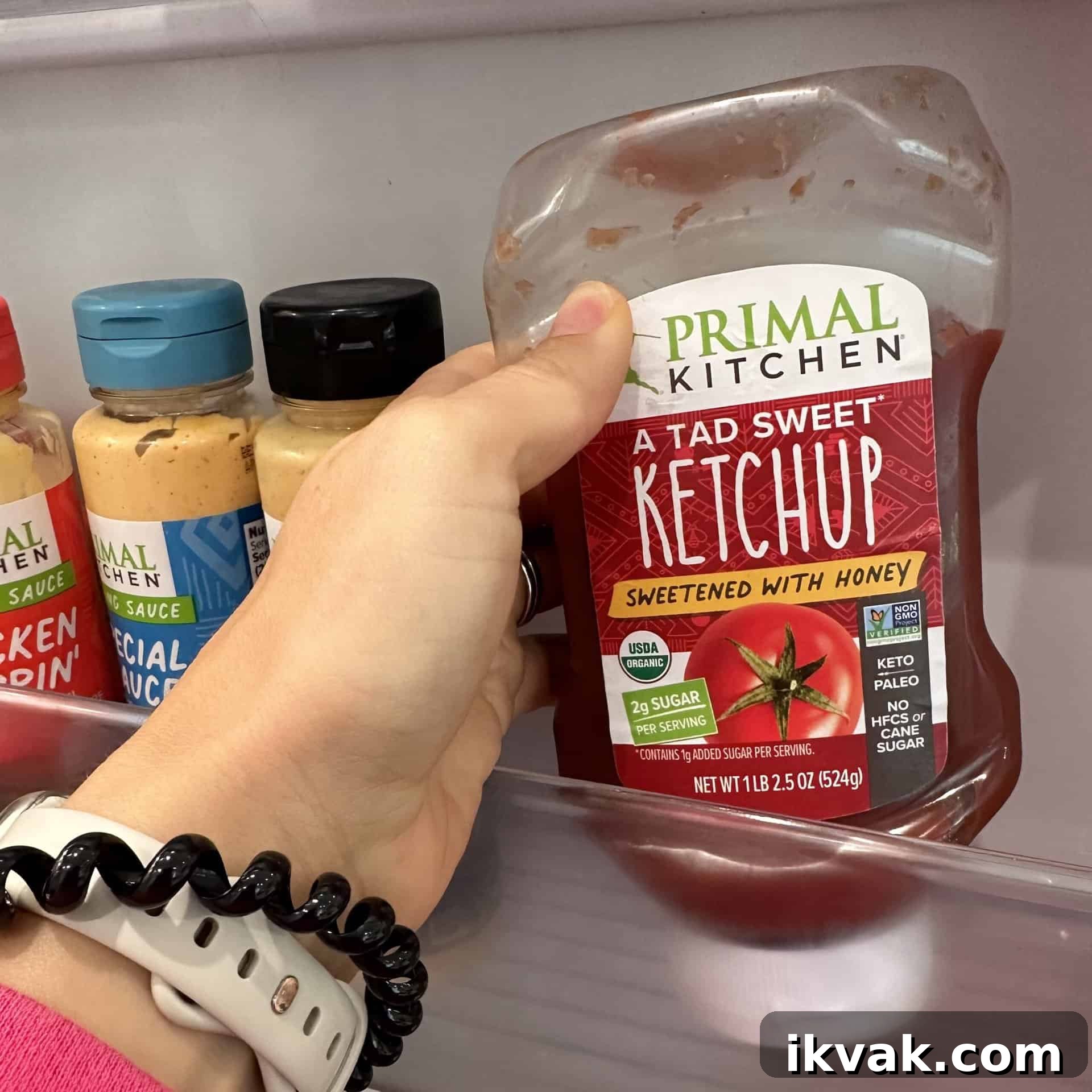
Condiments like ketchup, pasta sauce, and salad dressings often contain added sugar. Look for unsweetened or low-sugar versions to reduce hidden sugars in meals.
No sugar added yogurt
Flavored and kid-targeted yogurts frequently have added sugar. Plain Greek or plain whole-milk yogurt is a better base; mix a smaller amount of flavored yogurt with plain yogurt if needed to reduce sugar while keeping taste appealing. Some brands also offer lower-sugar flavored options worth considering.
No sugar added juice
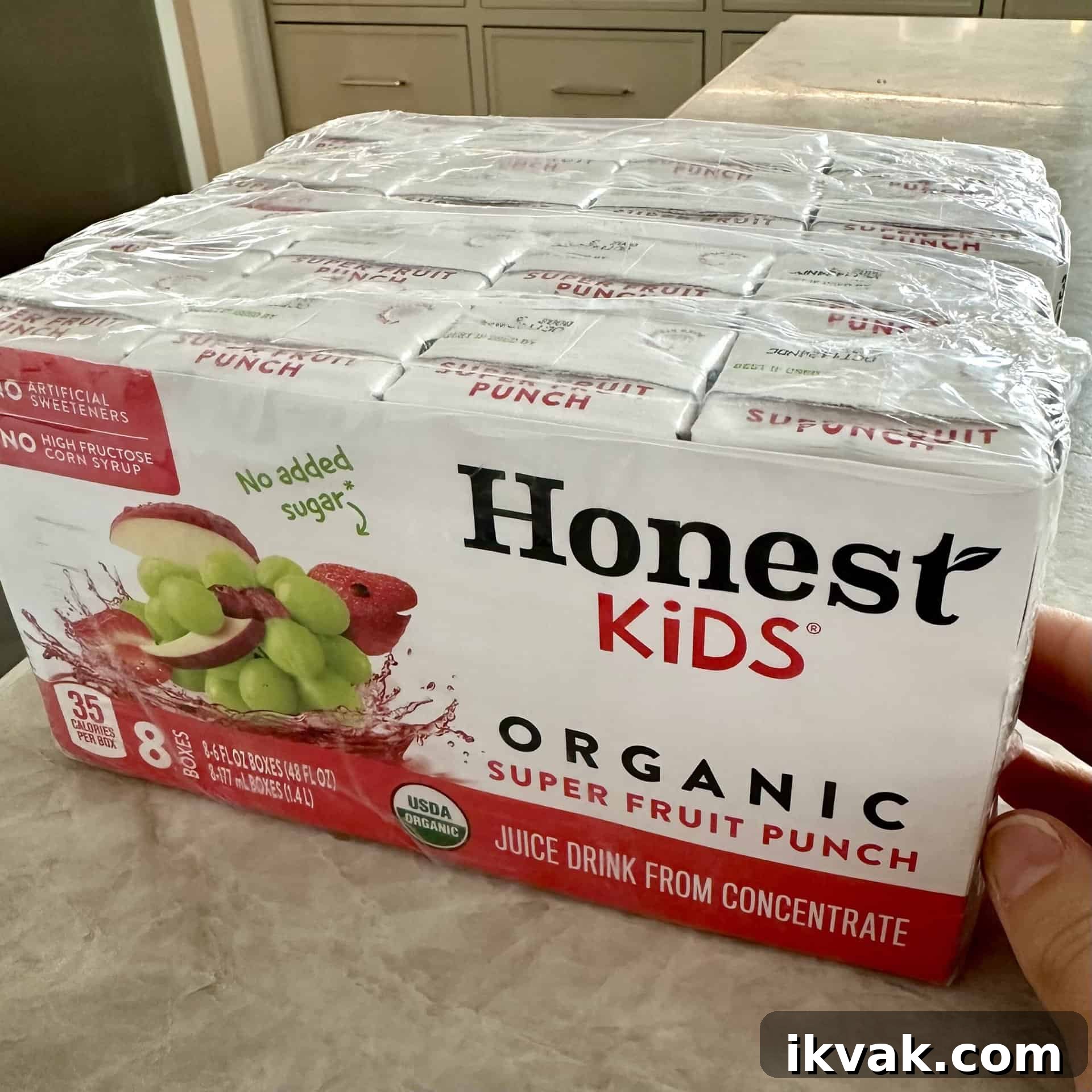
100% fruit juice contains natural sugars and can be included in small amounts—guidelines typically recommend 4 ounces (1/2 cup) per day for children. For younger toddlers, dilute juice with water and prioritize whole fruit for fiber and satiety.
No sugar added popsicles
Popsicles can be high in added sugar, but there are no-sugar-added commercial options and easy recipes to make homemade popsicles from whole fruit and yogurt or diluted juice.

No sugar added cereal
Few cereals are completely free of added sugar, so look for low added sugar options that still offer fiber, whole grains, and nutrients. A low-sugar cereal can be a healthy part of breakfast when paired with milk and fruit.
No sugar added jam
Many fruit spreads and jams contain a lot of added sugar. Choose “just fruit” spreads or reduced-sugar preserves, or use mashed fruit on toast for a naturally sweet topping.
Sneaky places added sugar can hide
Added sugar can show up in many unexpected foods: condiments, bread, packaged snacks, flavored dairy, and some beverages marketed to kids. Packaged foods often use added sugar for taste, texture, and preservation. Reading labels is the best defense.

Ways to reduce added sugar for kids
Practical tips to lower added sugar without stress:
- Check labels on frequently purchased foods. Aim for snacks with roughly 6 grams of added sugar or less.
- Choose lower-sugar flavored yogurts or plain yogurt, and opt for unsweetened plant milks when selecting alternatives.
- Manage treats—if a child has a sugary treat at a party, skip dessert at home that night. It’s about balance, not banning.
- If sweets are a household obsession, consider resources and strategies to help moderate exposure and change patterns gradually.
If you want more structure around meals and snacks, plans and guides that focus on simple, nutrient-dense options can make feeding kids easier and less stressful.