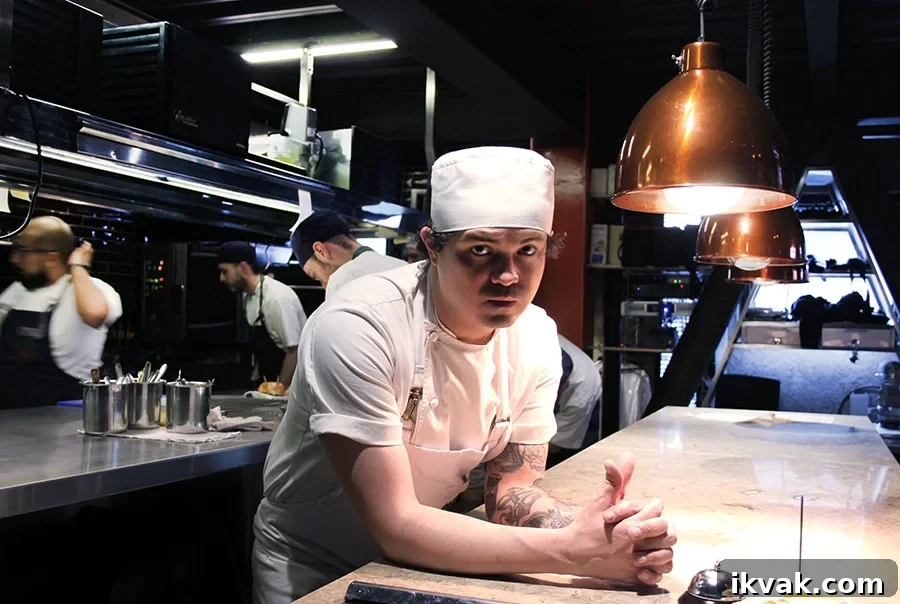
Álvaro Clavijo is the chef behind El Chato, the contemporary bistro in Bogotá that has helped redefine modern Colombian cuisine. Focused on exploring Colombia’s abundant produce, he has built a restaurant that ranks among the best in Latin America.
Obsession can be a powerful engine. For chef and owner Álvaro Clavijo, an insistence on improvement and a deep curiosity about local ingredients have driven El Chato’s success. The restaurant has earned international recognition—appearing on The World’s 50 Best list and ranking highly in Latin America—by presenting dishes that prioritize flavor and highlight the country’s diverse products.
Clavijo traces his approach to years of hands-on experience that began in Paris as a dishwasher and stretched across Barcelona, Paris again, New York City and Copenhagen. Those roles taught him discipline, technique and an appetite for risk: he deliberately pursues challenges, seeks out problems, and often chooses the harder route in pursuit of better results. The outcome is food that refreshes the local palate, elevates ingredients and reshapes expectations about Colombian cooking.
Gradually, El Chato has become a platform for a contemporary Colombian cuisine. The name, chosen from a Bogotá colloquialism, reflects Clavijo’s affection for his roots and his intention to honor them while pushing culinary boundaries.
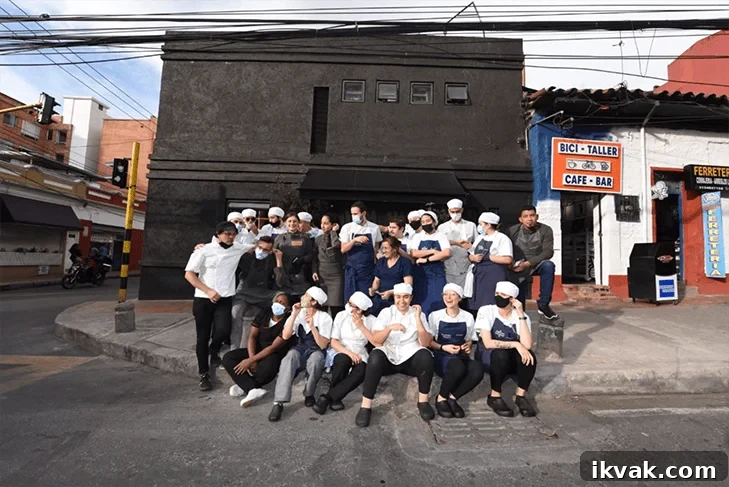
Respect for Work
Clavijo learned the value of work early. His mother instilled discipline, and early jobs—like a summer role in Washington DC—showed him the rewards that come with effort. At 17, rather than following his family to Nice, he moved alone to Paris and found a dishwashing job in a small Tex‑Mex kitchen. The chef there noticed his potential, taught him to cook and promoted him to the line. The fast, chaotic environment of a busy service hooked him: the sounds, the adrenaline and the teamwork became his world.
That rough, high-volume start taught him resilience and a desire to match the skill of more experienced cooks. From there he pursued formal culinary training and stages that would shape his technique and philosophy.
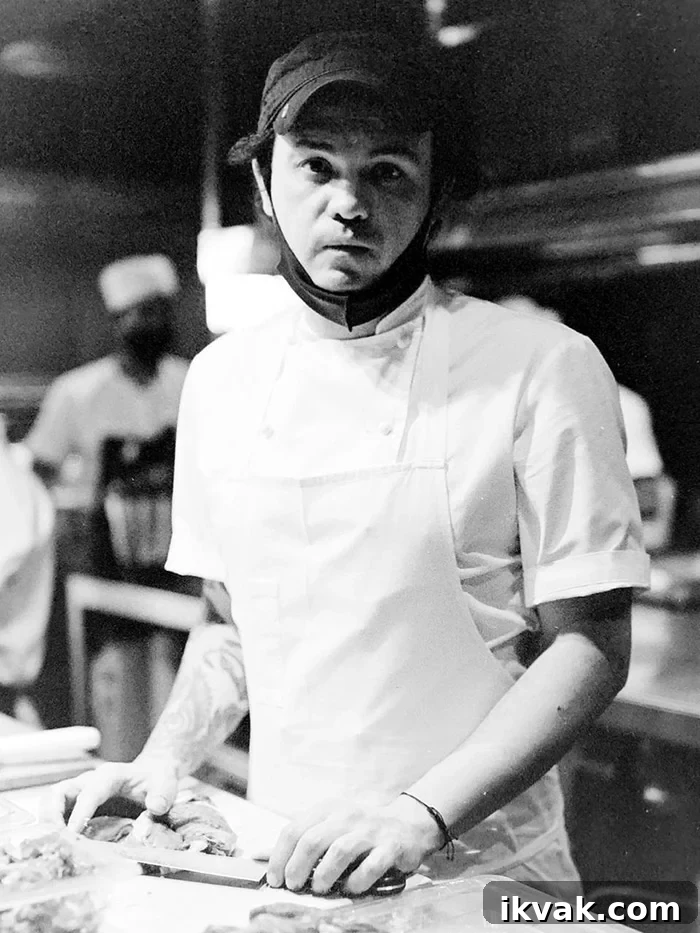
Change of Plans
Originally Clavijo expected his year abroad to end with a return to Colombia to study architecture, but the intensity of the kitchen proved irresistible. After a frank conversation with his mother he moved to Barcelona to study at the Hofmann Culinary School. There his mentor Lluis Rovira pushed him to explore unfamiliar ingredients and techniques, to leave behind purely traditional sweet flavors and to be curious—lessons that became central to his culinary identity.
Following his studies he gathered experience at high‑level kitchens: work at the Hofmann restaurant, an internship with Sergi Arola, time at Le Bristol and Joël Robuchon’s L’Atelier in Paris, Per Se with Thomas Keller in New York, a season with Matt Lightner at Atera, and a short stage at Noma in Copenhagen. He summarizes those years concisely: France gave him his foundation, the United States taught organization, and Denmark inspired the early elements of his personal style.
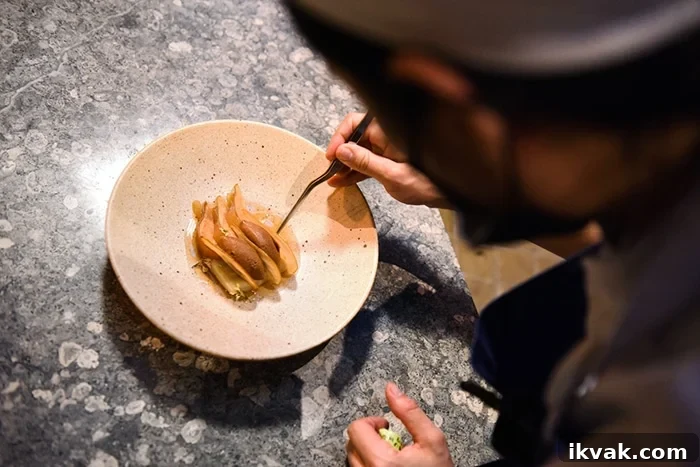
El Chato Ep. 1
After his time at Noma, Clavijo returned to Bogotá with a choice: a position in Moscow or a chance to open his own place at home. He chose Bogotá. With limited resources and no clear concept, he converted a house to a small restaurant, sourcing chairs and tables from secondhand places and launching the first El Chato.
Two weeks before opening he scrapped a scattered menu influenced by many cuisines and refocused on Colombian ingredients. Rather than retouching traditional dishes, he decided to spotlight local components—like guasca used in ajiaco—and reimagine their use in contemporary preparations. He embraced the challenge of working solely with Colombian products, bringing techniques learned abroad to ingredients from his heritage and reviving underused cuts and flavors.
A Flavor Rebel
The early days were slow, and Clavijo adjusted dishes to be more approachable while preserving his core values: using Colombian produce, applying global techniques and reeducating the local palate. He consciously resisted the region’s prevailing sweetness, favoring sour and bitter notes to challenge expectations and broaden diners’ tastes.
Clavijo describes this as an educational mission. Rather than defaulting to comforting, familiar flavors, he chooses balance and complexity. That stance—sometimes rebellious, always thoughtful—earned applause from guests and critics alike.
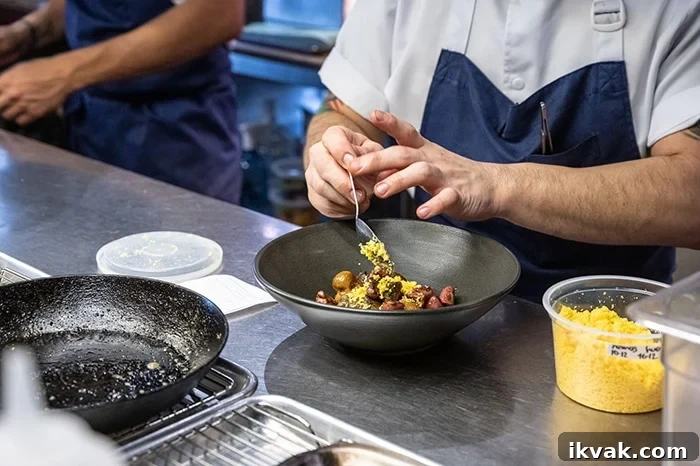
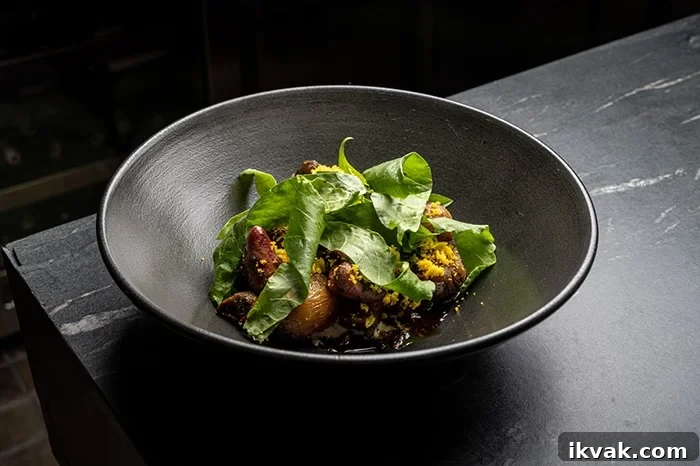
One enduring example is a dish of chicken hearts with richy potatoes and suero costeño, a salty fermented dairy from Colombia’s Caribbean coast. The hearts are individually cleaned, confit‑cooked, then pan‑finished and plated with buttery potatoes, a chimichurri made from sorrel stems, pickled onions, chili, sorrel leaves and egg yolk. The dish reflects El Chato’s commitment to technique, regional ingredients and flavor-forward combinations.
El Chato Ep.2: A Contemporary Bistro
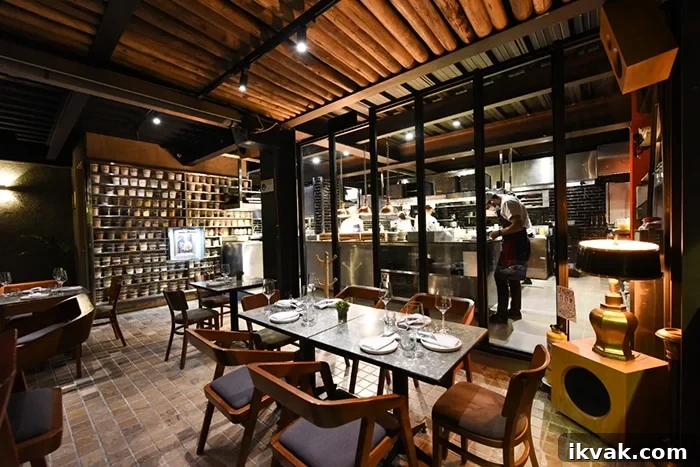
By 2017 the restaurant had outgrown its original house and relocated to a larger, better‑appointed space while preserving the original DNA: a contemporary bistro with an unpretentious atmosphere, à la carte dining rather than formal tasting menus, and a menu that changes with seasonal produce. The goal was a place guests would want to visit frequently—good, tasty food without the formality of a white‑tablecloth establishment.
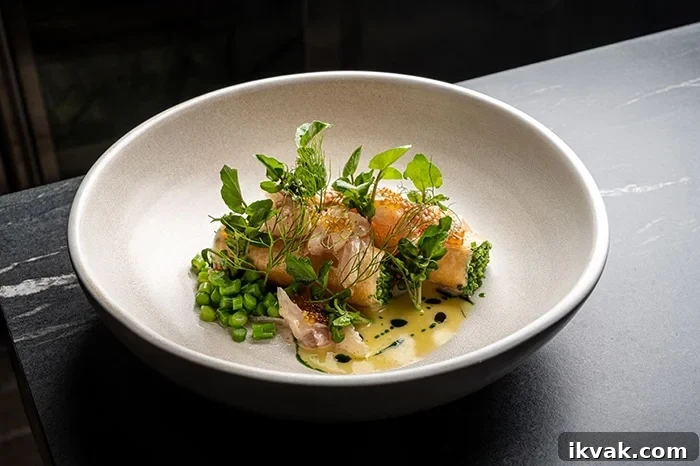
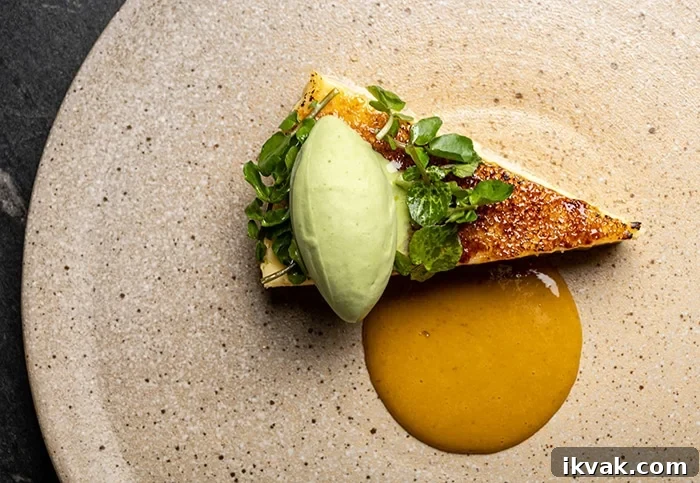
Sample dishes reflect that approach: cornbread with kefir butter and honey; squid with avocado, cress leche de tigre and guatila; pork cheek with plantain, cabbage in butter, miso and shiitake. This constant evolution kept the team creative and ultimately helped the restaurant gain broader recognition, including a strong debut on Latin America’s 50 Best Restaurants list.
A Produce-Driven Dish
Clavijo’s dedication to showcasing Colombian produce often requires extra effort: persuading farmers to grow different varieties, altering harvest practices, or buying products in new ways. For the popular baby corn dish—grilled baby corn with butter mayonnaise, fresh cheese and toasted corn—he persuaded suppliers to harvest cobs earlier and even cooked side‑by‑side with farmers to demonstrate the taste and texture differences.
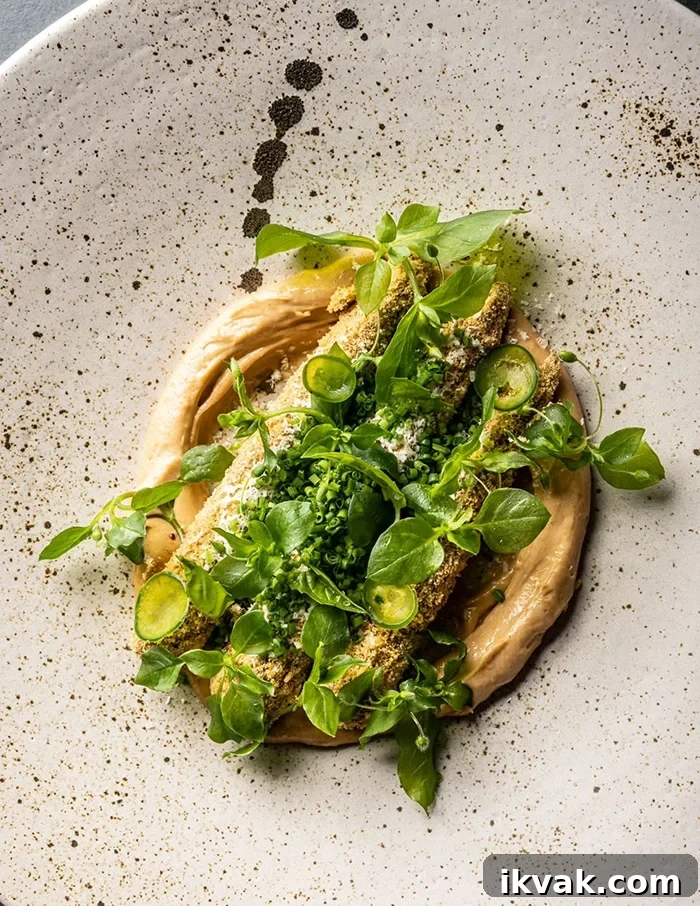
That persistence pays off. The baby corn cobs are charcoal‑grilled, finished with a butter‑based mayonnaise that enhances flavor, then topped with grated fresh cheese, purslane, chives and jalapeño. The result is a vegetarian plate inspired by Colombian street food, elevated by rigorous technique and a commitment to local ingredients.
El Chato, Calle 65 # 4-76, Bogotá