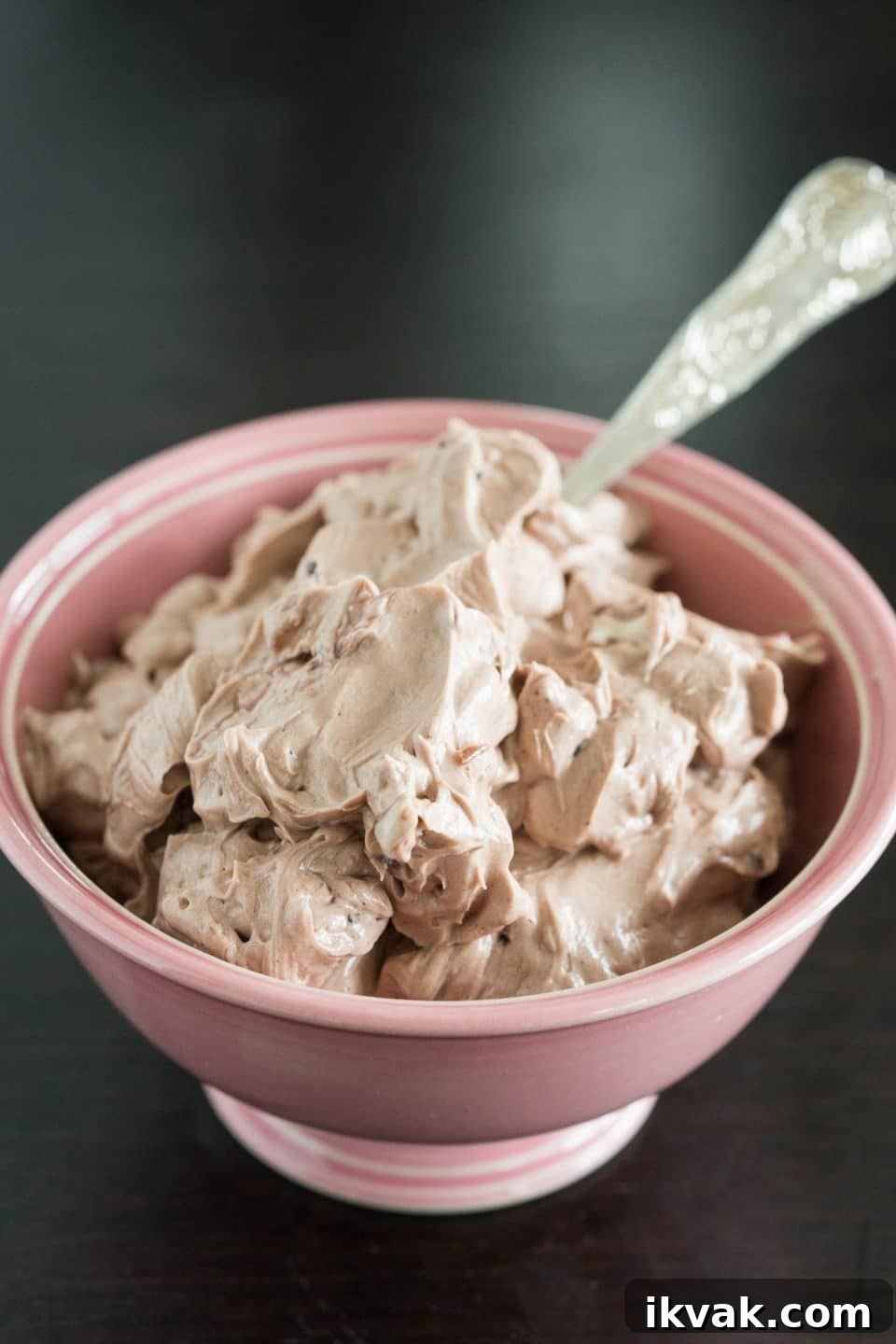
Hello there! This post gives clear, step-by-step instructions for a reliable classic German buttercream made with pudding. Follow this recipe and your buttercream will turn out well—guaranteed.
[feast_advanced_jump_to]
Taste and Occasion
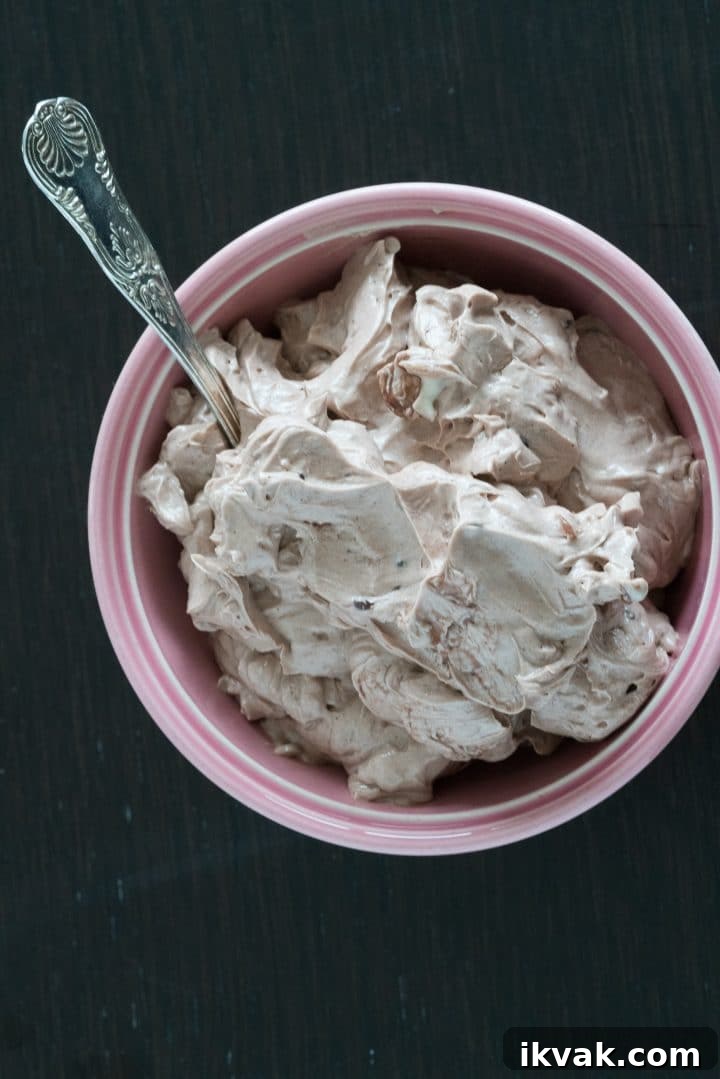
This easy German buttercream is a safe choice for many cakes and cupcakes. It works perfectly as a filling, a frosting or a topping. The texture is smooth, creamy and rich, making it versatile for different bakes.
Many home bakers struggle because their buttercream doesn’t set properly. The good news: making a stable, luscious buttercream is simple when you follow a few tips. Read on for the method and troubleshooting advice.
Ingredients
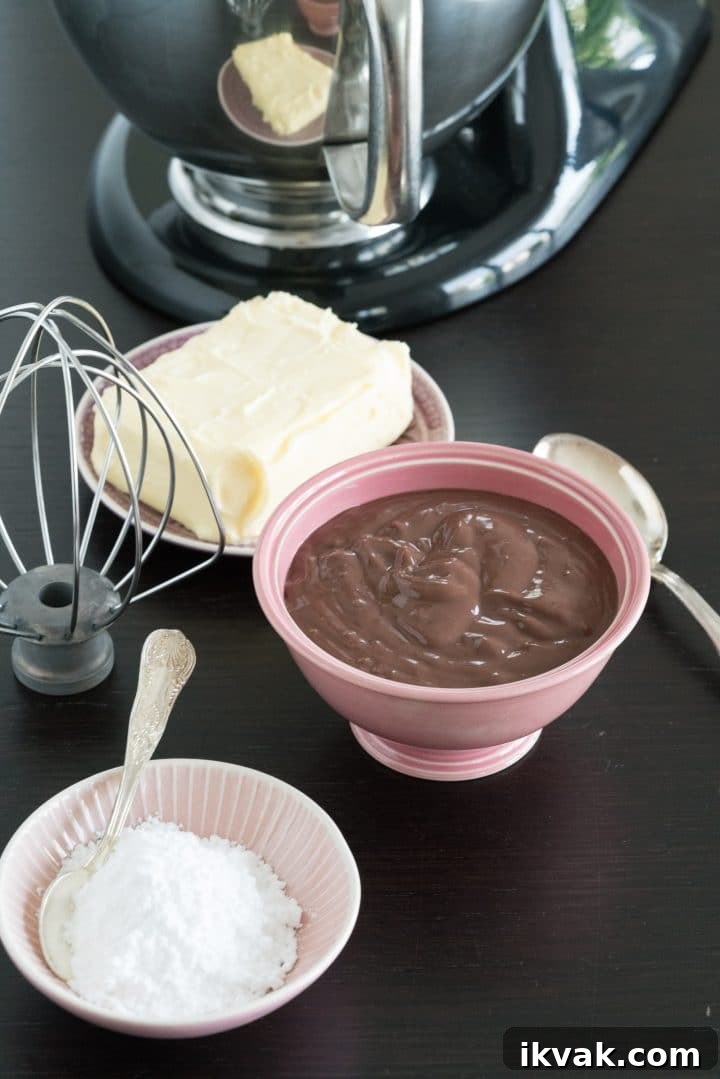
The basic German buttercream uses butter, pudding (custard) and sugar. Unlike French or Italian buttercreams, this version contains no eggs. You can make it with vanilla, chocolate or fruit-flavored pudding depending on the flavor you want.
Key points about the ingredients: use cold butter straight from the fridge but allow it to come to room temperature before whipping. Prepare the pudding with pudding powder, milk and sugar. A crucial trick is to use slightly less milk than the packet suggests—use about 400 ml instead of 500 ml to achieve a firmer consistency.
How to make German Buttercream with Pudding
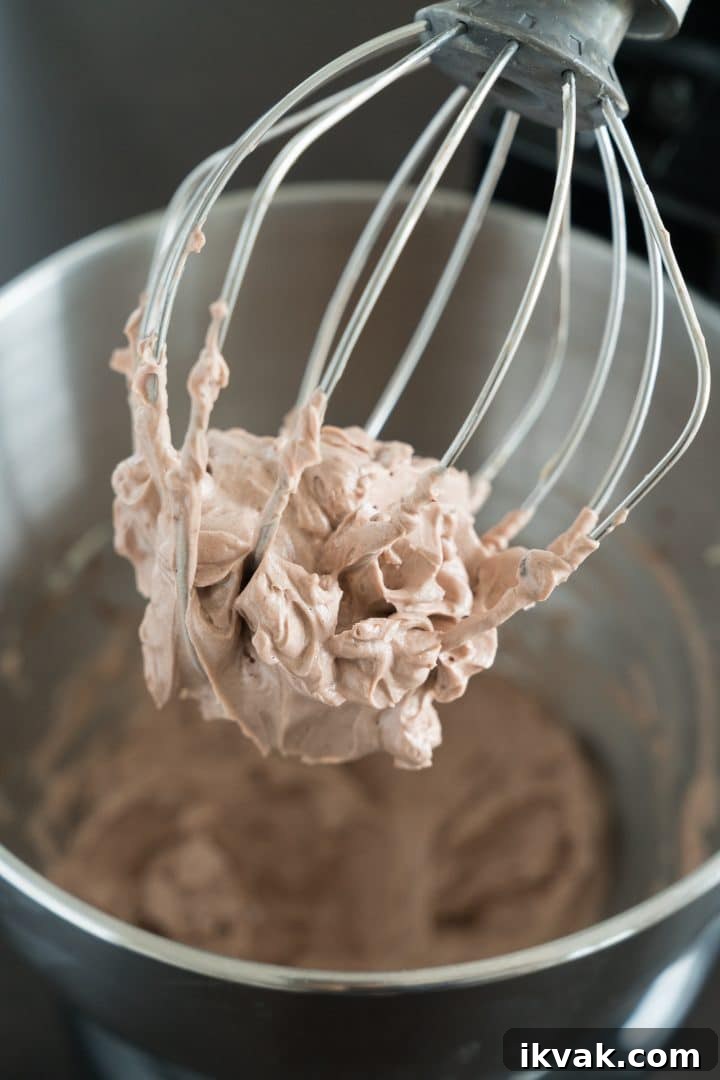
Begin by making the pudding according to the package instructions but use only 400 ml of milk. Cook the pudding with the sugar and pudding powder, then transfer it to a bowl to cool to room temperature. Stir occasionally while it cools or cover the surface with cling film to prevent a skin from forming.
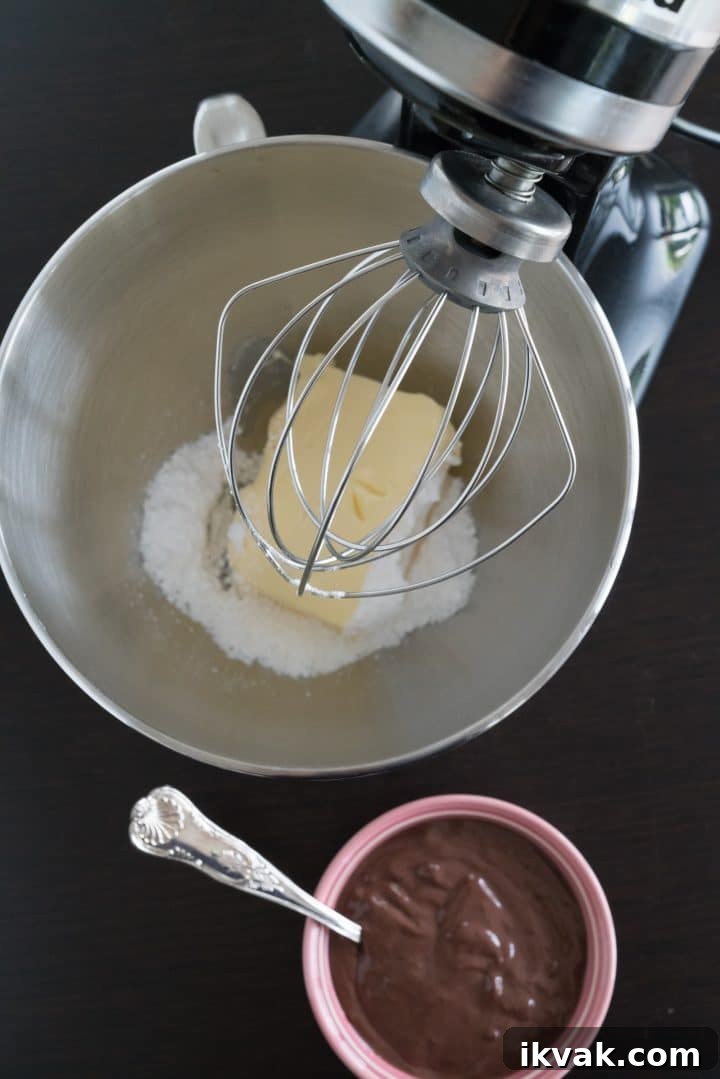
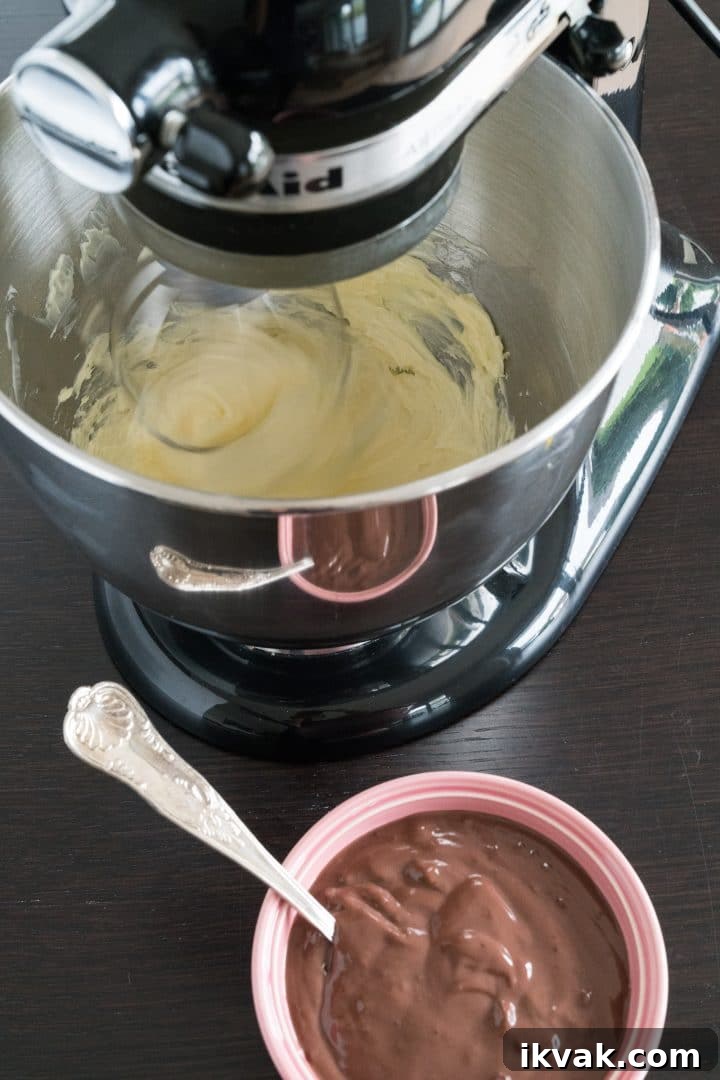
While the pudding cools, let the butter soften to room temperature. In a mixing bowl, beat the softened butter with the powdered sugar for a few minutes until the mixture becomes very light and fluffy. A stand mixer works best, but a hand mixer is also fine.
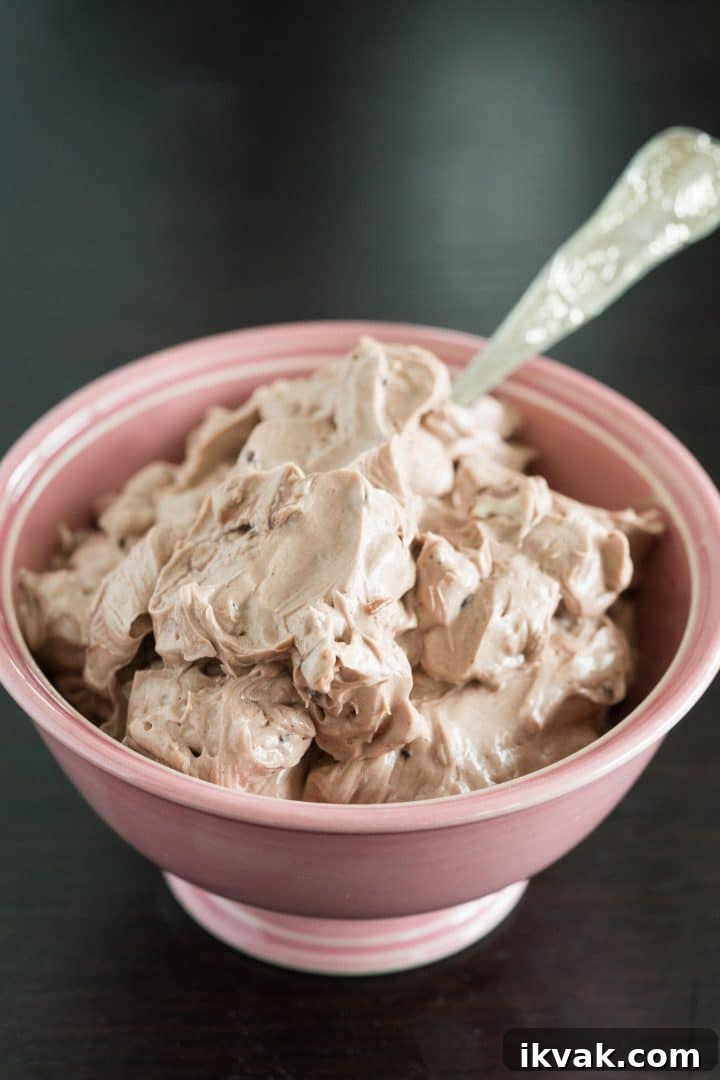
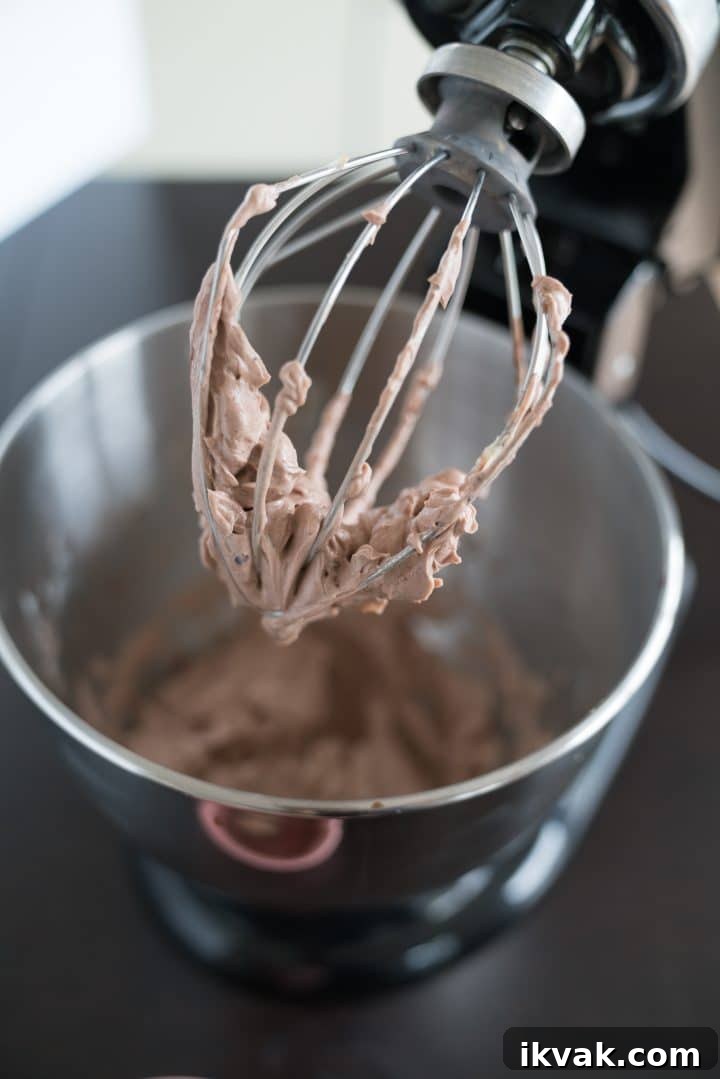
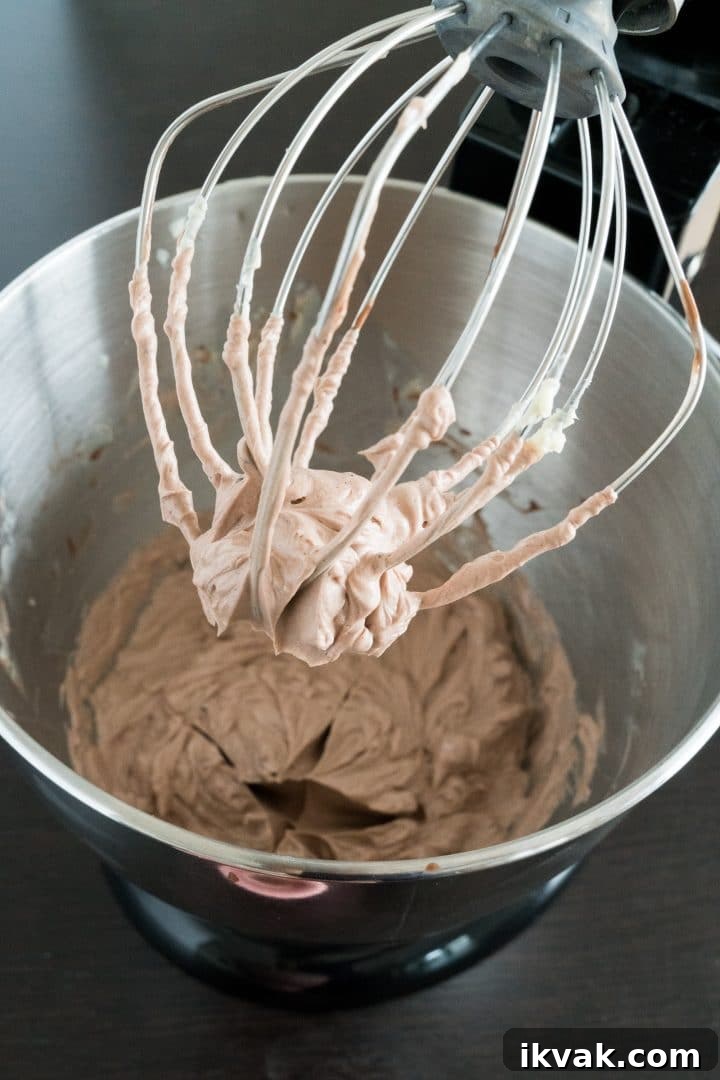
With the mixer running on low, add the cooled pudding gradually, a tablespoon at a time, and continue beating until the mixture is smooth and homogeneous. If the buttercream will be used immediately, spread or pipe it onto your cake or cupcakes. If you prefer a firmer consistency, chill it briefly in the refrigerator until it firms up slightly.
Top Tip
You can flavor or refine the buttercream in many ways: add baking cocoa for extra chocolate intensity, spices such as cinnamon or tonka, a splash of liqueur, chopped nuts, melted and cooled chocolate, or a hint of espresso for mocha notes. Adjust flavors to suit the cake.
Frequently Asked Questions about Buttercream
Do I need warm or cold butter for buttercream?
How long do you have to beat the buttercream?
My buttercream curdles, what can I do?
What do I do if the buttercream is too soft?
How long can I store the buttercream?
Recipe Card
Click on the stars to rate the recipe
German Buttercream
Ingredients
- 1 small bag pudding powder, for cooking, e.g. chocolate or vanilla
- 400 milliliters (1 ¾ cups) milk
- 2 tablespoons sugar
- 250 grams (1 cup) butter, soft and at room temperature
- 50 grams (6 tablespoons) powdered sugar
Instructions
-
Make the pudding with pudding powder, milk (400 ml) and sugar. Pour the cooked pudding into a bowl and let it cool to room temperature, stirring occasionally or covering with cling film to prevent a skin.
-
Place softened butter at room temperature in a bowl. Beat the butter with powdered sugar for a few minutes until very light and fluffy. Gradually add the cooled pudding, tablespoon by tablespoon, and continue beating until smooth. Use immediately to fill or frost, or chill briefly for a firmer texture.
Notes
- The recipe works reliably if the pudding and butter are truly at the same room temperature. If the buttercream curdles, warm it gently in a hot water bath while stirring until smooth, then chill briefly.
- This quantity is enough for a thin filling and a light frosting for a 24–26 cm cake. For thicker layers or multiple layers, increase the recipe by 50%.
- You can choose pudding powder flavors like vanilla, chocolate, strawberry or caramel. High-quality pudding powder with real vanilla or added chocolate shavings improves the flavor.
Ingredient substitutions
If you need substitutions, adjust ingredients carefully to maintain the pudding-to-butter ratio and texture.
Variations
For a chocolate buttercream, use high-quality chocolate pudding powder and add grated or melted chocolate. Vanilla, strawberry or caramel pudding powders all work well, and you can color or flavor the cream with liqueur, cocoa, mocha, cherry brandy, nougat or chopped nuts.
Paired with a sponge base and fresh fruit, this buttercream makes a delicious layered cake. It is also perfect for decorating cupcakes or for classic baked goods that call for a smooth, stable frosting.