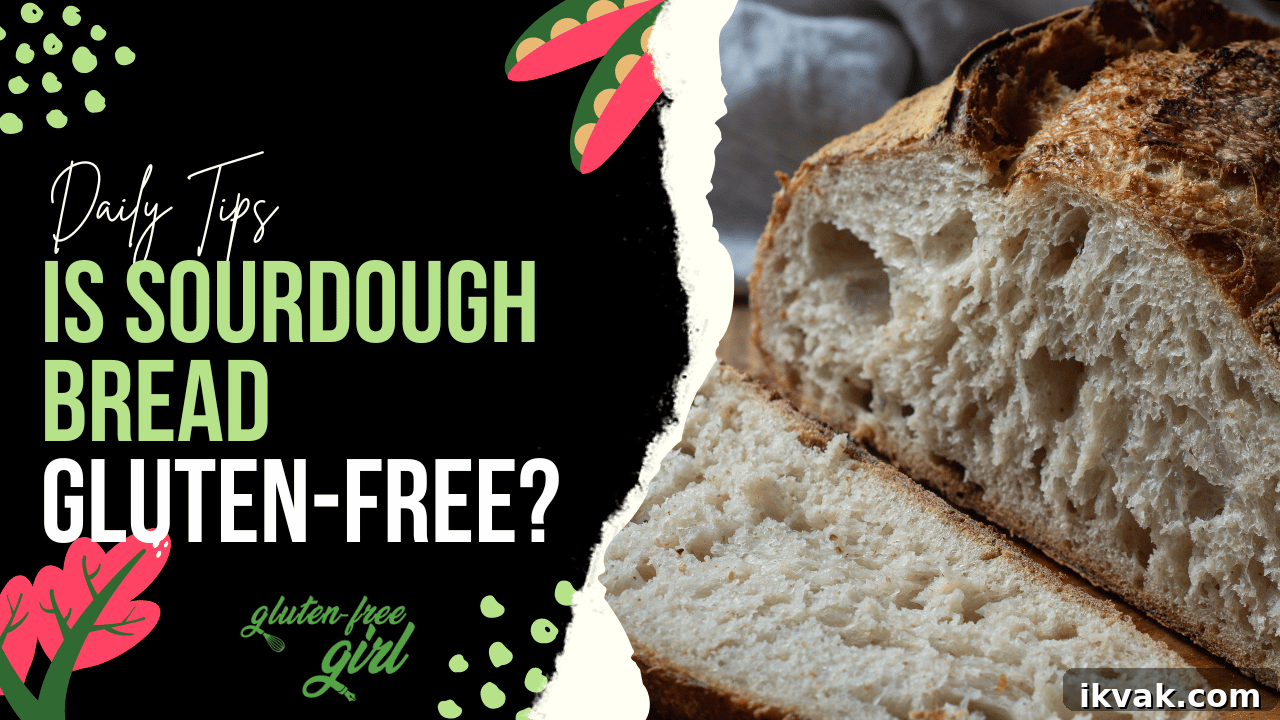
No, sourdough bread is not gluten-free. Traditional sourdough is made from wheat flour, which contains gluten. Gluten is a protein naturally present in wheat and related grains such as barley and rye. Whether a sourdough loaf is gluten-free depends entirely on the ingredients used: sourdough made with wheat flour contains gluten, while sourdough made with certified gluten-free flours — for example rice, almond, or coconut flour blends — can be gluten-free.
Sourdough is produced by fermenting dough with naturally occurring wild yeasts and lactic acid bacteria. This fermentation creates the characteristic tangy flavor and chewy texture. The process starts by cultivating a starter, a mixture of flour and water that captures wild yeast and bacteria from the environment. The mature starter is then mixed into the dough, which ferments over hours or days before baking.
Many gluten-free sourdough recipes replace wheat flour with nut- or grain-based alternatives such as almond, rice, or a blend of gluten-free flours. Almond flour, made from finely ground almonds, is naturally gluten-free and contributes a nutty flavor and moist crumb. These alternatives are important for people who follow gluten-free, grain-free, or paleo diets, but they behave differently in baking and produce distinct textures compared with wheat-based sourdough.
For people with celiac disease or non-celiac gluten sensitivity, consuming genuinely gluten-free sourdough is essential. Celiac disease is an autoimmune condition triggered by gluten that damages the small intestine. Managing celiac disease requires strict adherence to a gluten-free diet to prevent symptoms and long-term complications. Gluten-free sourdough baked from certified gluten-free flours is a safe option for those who must avoid gluten.
Can a Patient with Celiac Eat Sourdough Bread?
No—patients with celiac disease should not eat traditional sourdough made from wheat, rye, or barley. Even though fermentation can partially break down some proteins, it does not reliably eliminate gluten to safe levels for people with celiac disease. Traditional sourdough contains enough gluten to trigger immune reactions and intestinal damage in celiac patients.
Gluten-free sourdough that is prepared with alternative flours such as rice, buckwheat, or almond flour and produced under strict, cross-contamination-free conditions can be safe. Anyone with celiac disease should choose certified gluten-free products or prepare their own sourdough using dedicated gluten-free ingredients and equipment.
Why Sourdough Bread is Not Gluten-Free?
Traditional sourdough is not gluten-free because it is usually made from wheat flour, which contains gluten proteins. The fermentation process gives sourdough its flavor and changes its texture, but it does not completely remove gluten. Even small amounts of gluten can cause harm to people with celiac disease, so relying on fermentation alone is unsafe for them.
Certified gluten-free sourdough made from gluten-free flours is the appropriate alternative for those who must avoid gluten. These products are formulated and tested to meet gluten-free standards and reduce the risk of adverse reactions.
Does Sourdough Bread have High Gluten Content?
Compared with some other wheat breads, sourdough can have somewhat reduced levels of intact gluten because fermentation partially breaks down proteins and fructans. That can make sourdough easier to digest for people with mild gluten sensitivity or some forms of irritable bowel syndrome. However, this partial breakdown does not make sourdough safe for people with celiac disease: the bread still contains gluten and can provoke an immune response in sensitive individuals.
People with celiac disease or severe gluten intolerance should always use certified gluten-free sourdough made from alternative flours to avoid health risks.
What Gluten-Free Recipes Can You Create with Sourdough Bread?
Gluten-free sourdough opens many possibilities. Examples include:
- Gluten-Free Sourdough Sandwich Bread: Made with a gluten-free starter and a blend of rice, tapioca, or almond flours for a tender, sandwich-ready loaf.
- Gluten-Free Sourdough Pizza Crust: Uses a gluten-free starter and alternative flours to create a crisp, flavorful base for toppings.
- Gluten-Free Sourdough Pancakes: Tangy, fluffy pancakes prepared with a gluten-free starter and a suitable flour blend.
- Gluten-Free Sourdough Muffins: Muffins flavored and textured with gluten-free sourdough discard and gluten-free flours.
- Gluten-Free Sourdough Bagels: Chewy bagels made from a gluten-free sourdough base and adapted flours.
- Gluten-Free Sourdough Artisan Loaf: A crusty, airy loaf baked from a gluten-free starter and a carefully balanced flour mix.
- Gluten-Free Sourdough Crackers: Crisp crackers made with gluten-free sourdough discard and gluten-free flour for snacking.
Can a Small Amount of Sourdough Bread Affect a Patient with Celiac Disease?
Yes. People with celiac disease can react to very small amounts of gluten, so even a small piece of traditional sourdough made from wheat flour can cause intestinal damage and symptoms. Fermentation does not reliably reduce gluten to a safe level for celiac patients, so strict avoidance of wheat-based sourdough is necessary.
What Should a Gluten-Intolerant Person Do After Accidentally Eating Sourdough Bread?
If someone with gluten intolerance or celiac disease accidentally consumes gluten-containing sourdough, they should monitor symptoms and contact a healthcare professional for guidance. Symptoms can include abdominal pain, bloating, diarrhea, fatigue, and headaches. Staying hydrated and resting can help manage acute symptoms. Over-the-counter remedies may provide relief for some symptoms, but it is best to consult a physician before taking medication.
Moving forward, focus on easily digestible, naturally gluten-free foods such as rice, quinoa, fruits, vegetables, and lean proteins. A registered dietitian experienced with gluten-related disorders can help with recovery strategies and adjusting the diet. People who are gluten-intolerant should double-check ingredients, clearly communicate dietary needs when eating out, and use certified gluten-free products to avoid future exposures.
Can Milk Decrease Sourdough Bread’s Gluten Content?
No. Adding milk to sourdough does not reduce its gluten content. Milk affects hydration, crumb softness, and flavor but does not break down gluten proteins. The gluten content depends on the flour and the fermentation process, and milk provides no enzymes or reactions that eliminate gluten. People who need to avoid gluten should choose certified gluten-free flours and starters instead of relying on recipe additions like milk.
How to Recognize High Amounts of Gluten in Sourdough Bread?
To assess whether a sourdough loaf likely contains significant gluten, check the ingredient list for wheat, rye, or barley flours. Observe the texture: gluten-rich breads tend to be chewy and elastic with a well-developed, open crumb and strong rise. Look for labeling: products marked “certified gluten-free” indicate testing and controls to ensure gluten-free status. When in doubt, buy from bakeries or brands that specialize in gluten-free baking or ask bakers about their ingredients and cross-contamination safeguards.
Can a Person Consume Sourdough for Gluten Sensitivity?
Some people with mild gluten sensitivity find that traditional sourdough is easier to digest due to fermentation reducing certain fermentable carbohydrates and partially breaking down proteins. However, sourdough made from wheat still contains gluten, so anyone with clinically diagnosed celiac disease or severe gluten intolerance should avoid it. For those with sensitivity, the safe route is to choose certified gluten-free sourdough or to consult a healthcare professional before consuming wheat-based sourdough.
How Can Sourdough Bread Affect a Person’s Gluten-Free Diet?
Sourdough can pose risks to a gluten-free diet mainly through cross-contamination. Shared equipment, airborne flour dust, and mixed production lines can transfer gluten residues to gluten-free products unless stringent cleaning and separation protocols are followed. Packaging and handling on shared conveyors or in shared facilities can also contaminate gluten-free loaves. Certification and clear labeling help reduce these risks: certified gluten-free products are tested and produced under controls designed to prevent cross-contact.
Individual tolerance to trace gluten varies, but for those who must avoid gluten entirely, the safest choice is certified gluten-free sourdough made from alternative flours and produced in a dedicated gluten-free environment.
Does a Sourdough Bread Sandwich Have Gluten?
Yes—unless it is made from certified gluten-free bread. A sandwich made with traditional sourdough contains gluten because the bread is typically baked from wheat flour. People who need to avoid gluten should use certified gluten-free sourdough or other gluten-free breads for sandwiches.
Is Sourdough Suitable for Gluten Intolerance?
Traditional wheat-based sourdough is not suitable for people with celiac disease or significant gluten intolerance. However, gluten-free sourdough varieties made with dedicated gluten-free ingredients can be suitable alternatives. Always choose certified gluten-free products or verify that the item was prepared without cross-contamination.
Can Sourdough Bread Affect a Person with Latent Celiac Disease?
Yes. People with latent celiac disease — those with genetic predisposition but no current intestinal damage — can be affected by gluten and might develop overt celiac disease or experience symptom flares after gluten exposure. Avoiding traditional wheat-based sourdough and choosing gluten-free alternatives helps reduce that risk.
Is There a Sourdough Pizza?
Yes, sourdough pizza is a popular variation of traditional pizza. Sourdough pizza crust is made with a fermented starter that gives the crust a deeper flavor, a pleasant chew, and a crisp exterior. For those who require gluten-free options, sourdough pizza can be made with a gluten-free starter and alternative flours to recreate the texture and taste without gluten.