Learn how to store fresh dill to extend the shelf life of this delicate herb and enjoy its flavor longer. Discover 3 simple ways to preserve dill without extra ingredients or special tools.
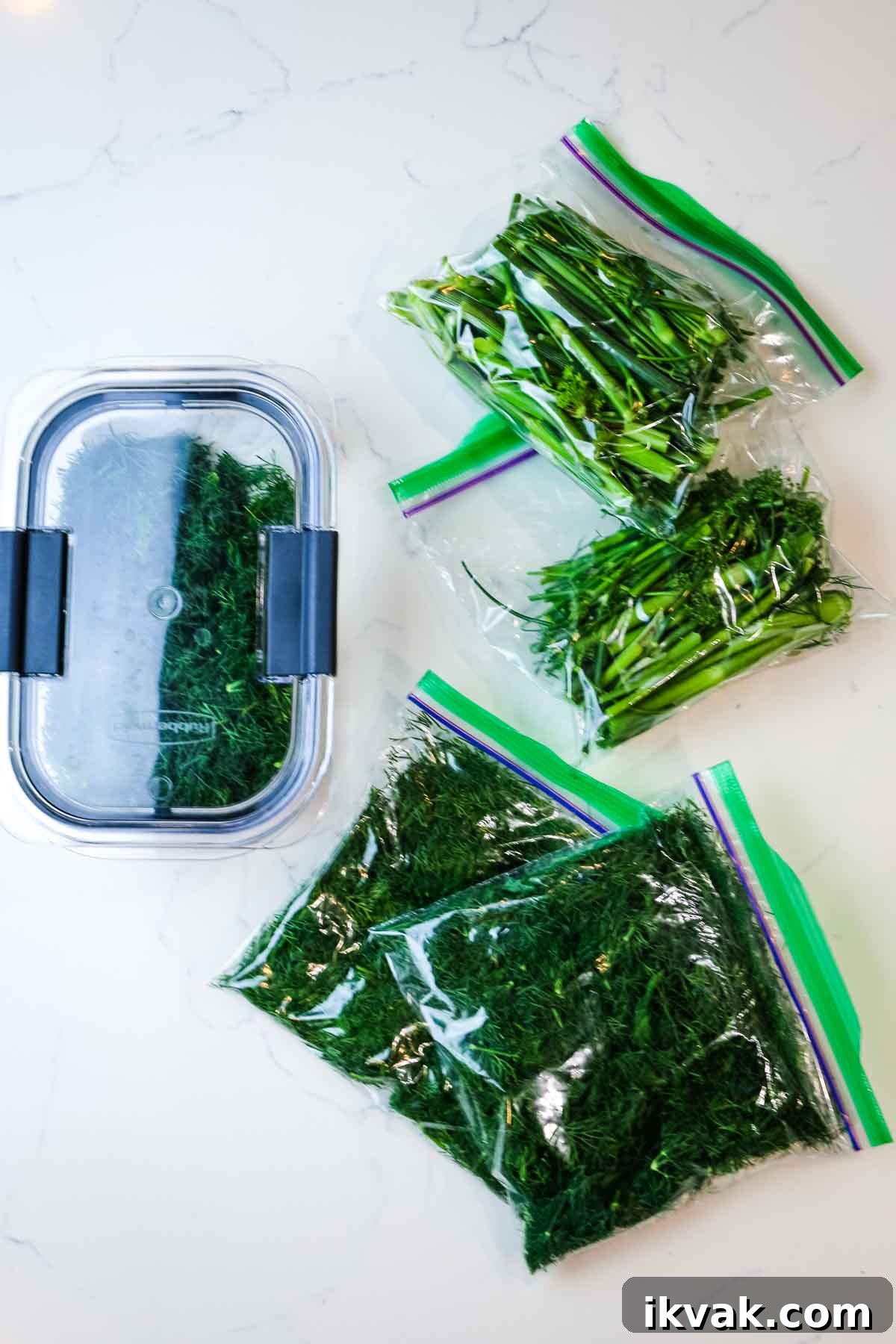
Do you have an abundance of dill right now? Don’t let it spoil. Below are three practical methods to keep dill fresh longer so you always have the bright, aromatic herb on hand to enhance salads, seafood, soups, dips and more.
Fresh dill pairs especially well with seafood dishes and makes a lovely garnish for soups. Its herbaceous, slightly sweet flavor can elevate many recipes, so preserving it properly helps you avoid waste and enjoy its taste out of season.
If you want flavorful, ready-to-use dill in your fridge or freezer, try these straightforward techniques to extend its life without adding oils or using specialty equipment.
Why you’ll love this post
No extra ingredients or gadgets needed: Each method is simple and relies on basic kitchen items—paper towels, jars, airtight containers, or a freezer bag. You won’t need ice cube trays, oils, or special equipment.
Reduce waste and save money: Dill can be costly or seasonal. Storing it correctly helps you make the most of every bunch whether it came from the market or your garden.
Ready when you need it: Preserve dill whole for garnishes or chop and store it for quick cooking. Frozen dill works well in cooked dishes, while refrigerated methods keep dill fresh for salads and finishing touches.
💭Make it nutrient-dense: Freeze dill at peak freshness to best retain flavor and nutrients.
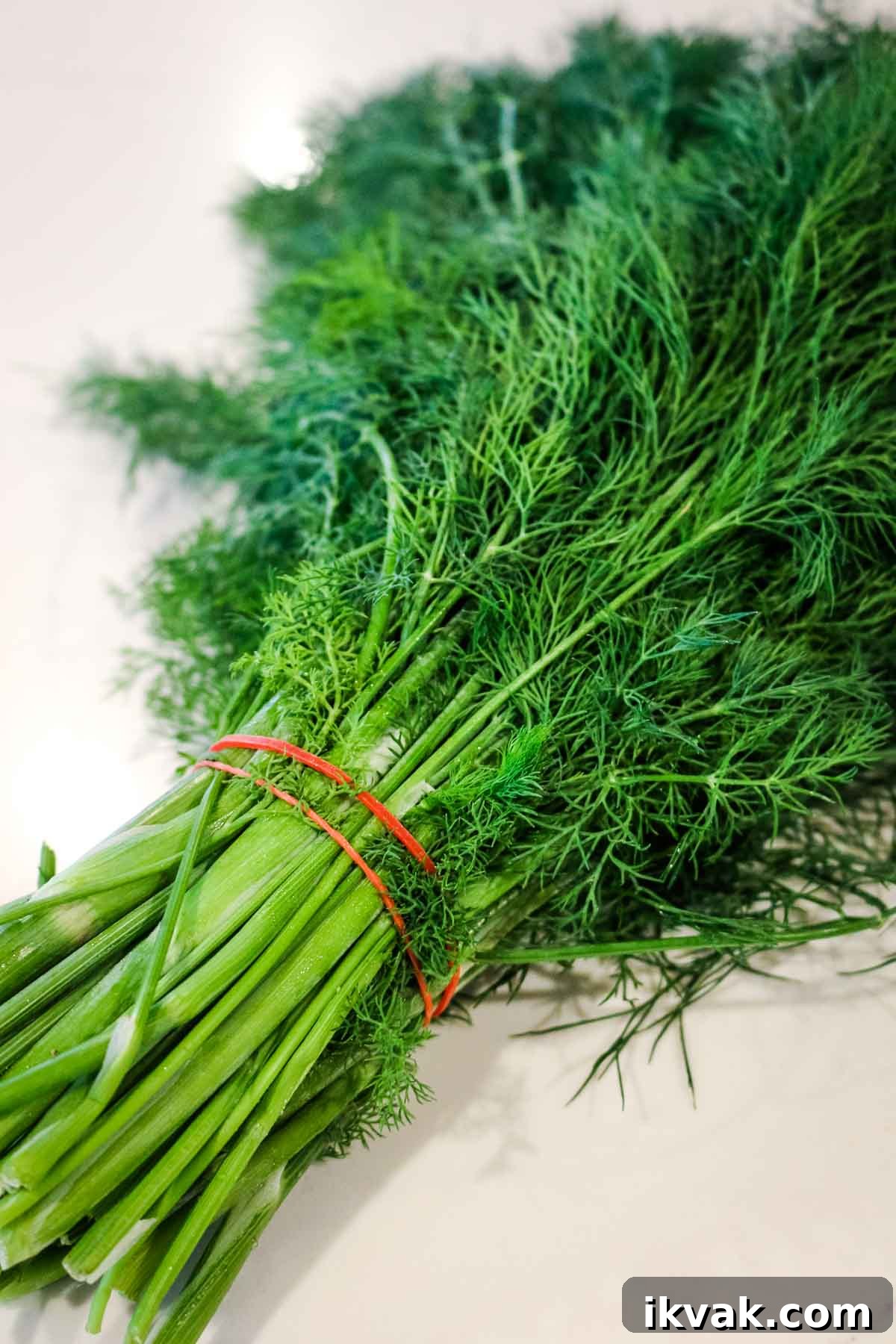
Wash and dry fresh dill
Whatever storage method you choose, begin with clean, completely dry dill. Proper washing and drying preserve flavor, improve texture, and reduce the chance of spoilage.
Washing removes dirt and debris and brightens the herb’s appearance. Drying is essential—excess moisture accelerates wilting and mold. A salad spinner or gentle patting with paper towels followed by air drying on a clean towel works well.
Steps to wash and dry dill:
- Rinse the dill under cool running water to remove soil and grit.
- Shake gently to remove excess water without crushing the fronds.
- Pat dry with paper towels or roll the dill in a towel and squeeze lightly.
- Use a salad spinner if you have one for best results.
- Allow the dill to air dry on a clean towel or cooling rack before storing.
💭Pro tip: Thorough drying preserves flavor and extends shelf life—don’t skip this step.
Option 1: Store in a glass jar
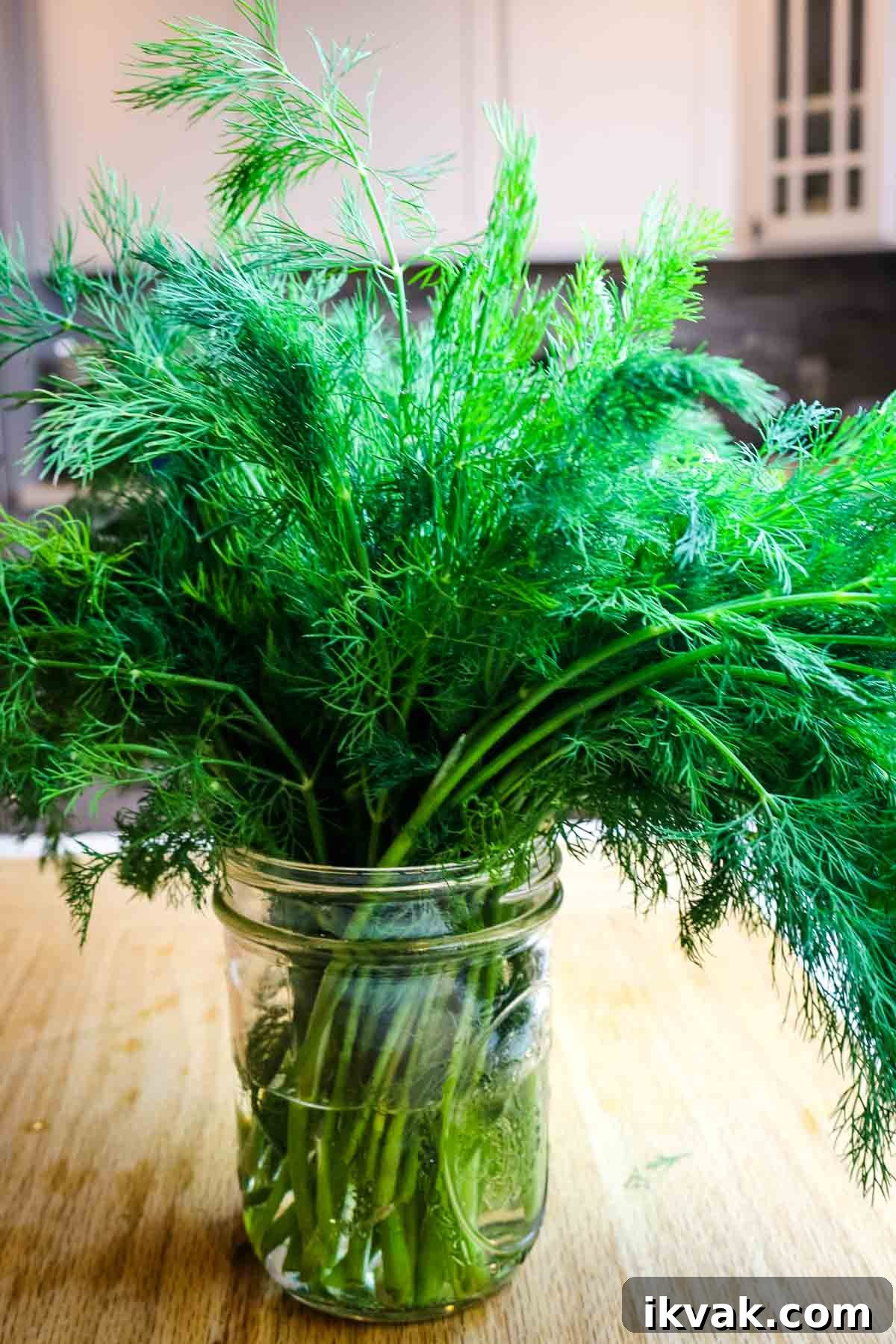
- Supplies needed: A clean glass mason jar.
- How long: Up to a week.
- Where to store: On a refrigerator shelf.
- Pros: Whole sprigs stay neat and are easy to grab for garnishes.
- Cons: Requires occasional maintenance—replace water and remove any wilted pieces; the jar can be knocked over if not secured.
How to:
- Trim about 1 inch from the stems and discard any wilted bits.
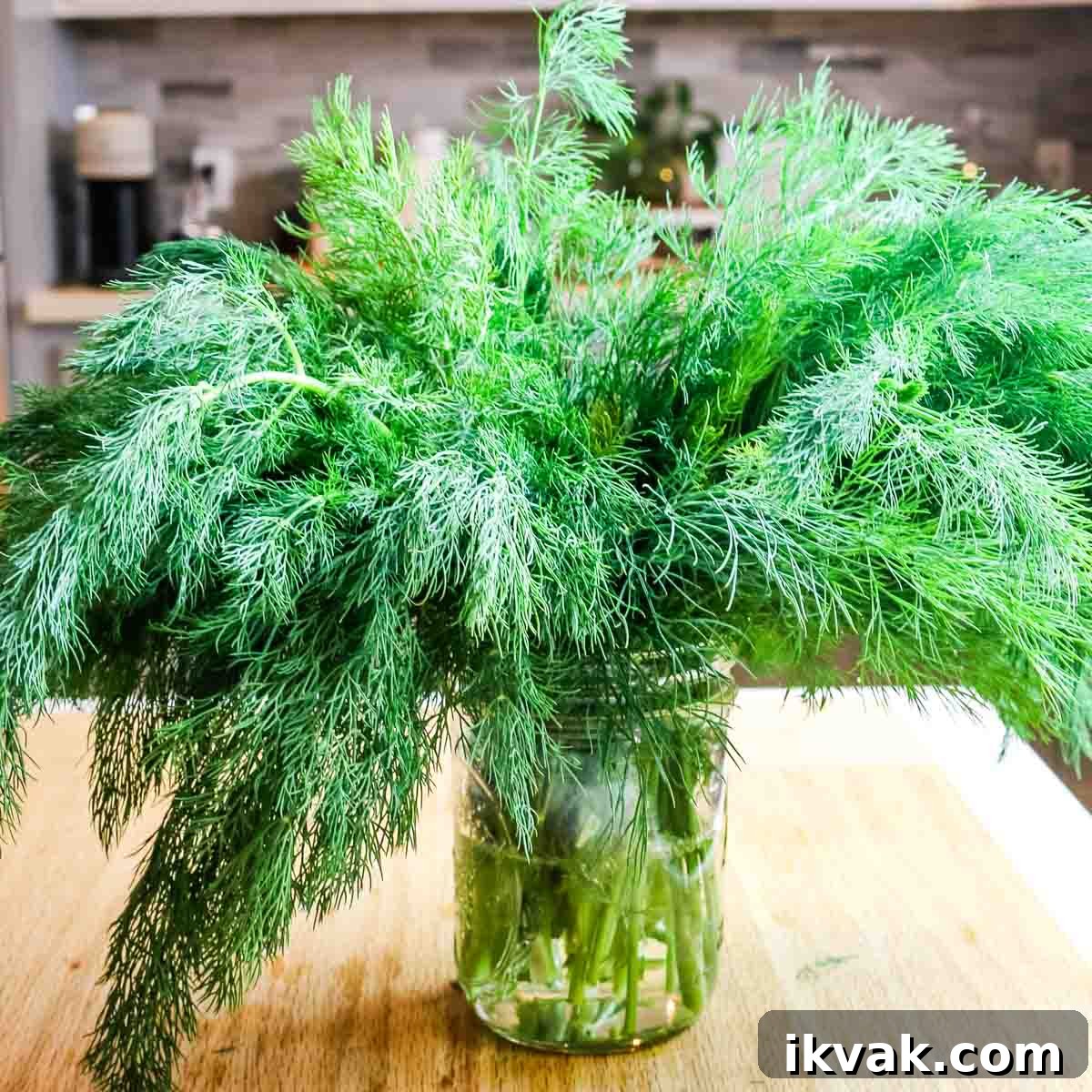
- Place the bunch upright in a clean jar without overcrowding.
- Add 1–2 inches of cool water to the jar.
- Cover loosely with a light kitchen towel or a plastic bag and secure it so the dill isn’t exposed to refrigerator odors.
- Store on a shelf in the fridge and change the water every few days.
Option 2: Chopped dill in an airtight container
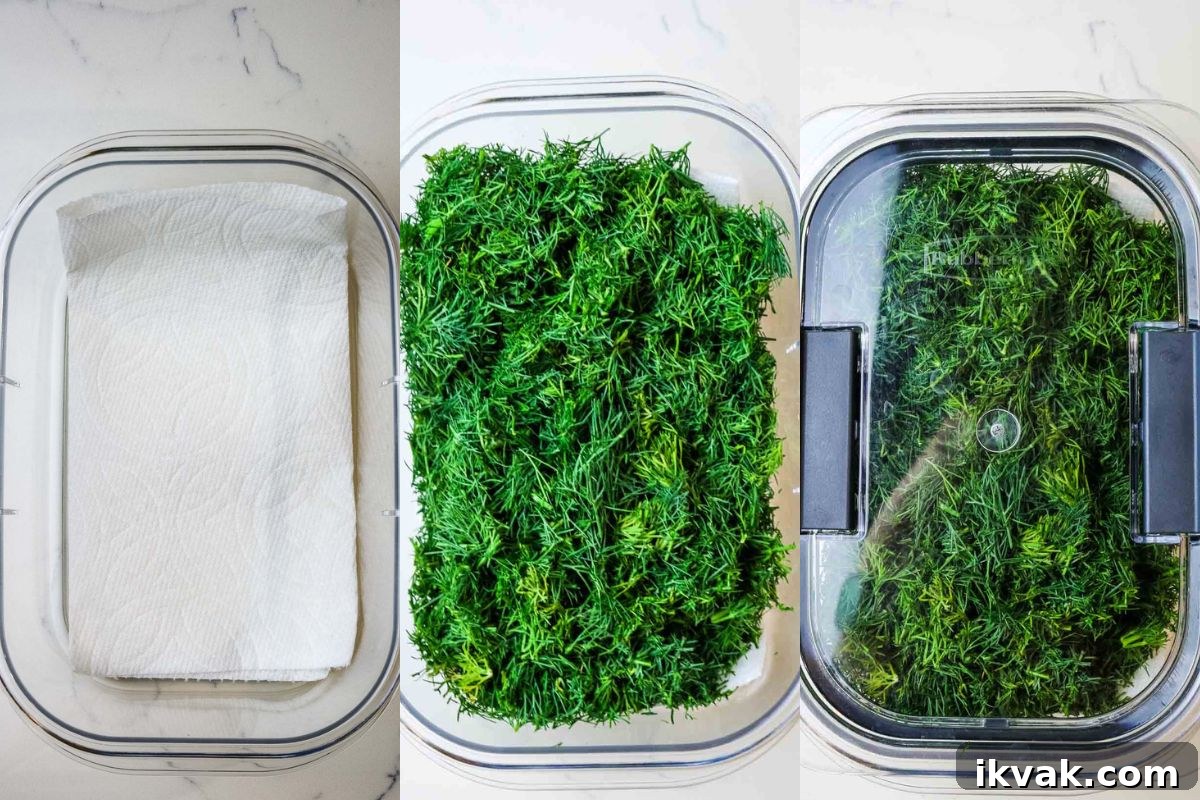
- Supplies needed: An airtight container and a paper towel.
- How long: Up to 14 days.
- Where to store: In the refrigerator on a shelf or in the crisper drawer.
- Pros: Dill is prepped and ready to use; convenient for cooking.
- Cons: Chopped dill can lose fragrance faster than whole sprigs.
How to:
- Strip the leaves from the stems and chop to the size you prefer.
- Line the container with a folded paper towel to absorb any residual moisture.
- Place the chopped dill in the container and seal tightly to limit air exposure.
- Keep in the refrigerator and replace the paper towel if it becomes damp.
Option 3: Wrap in a paper towel
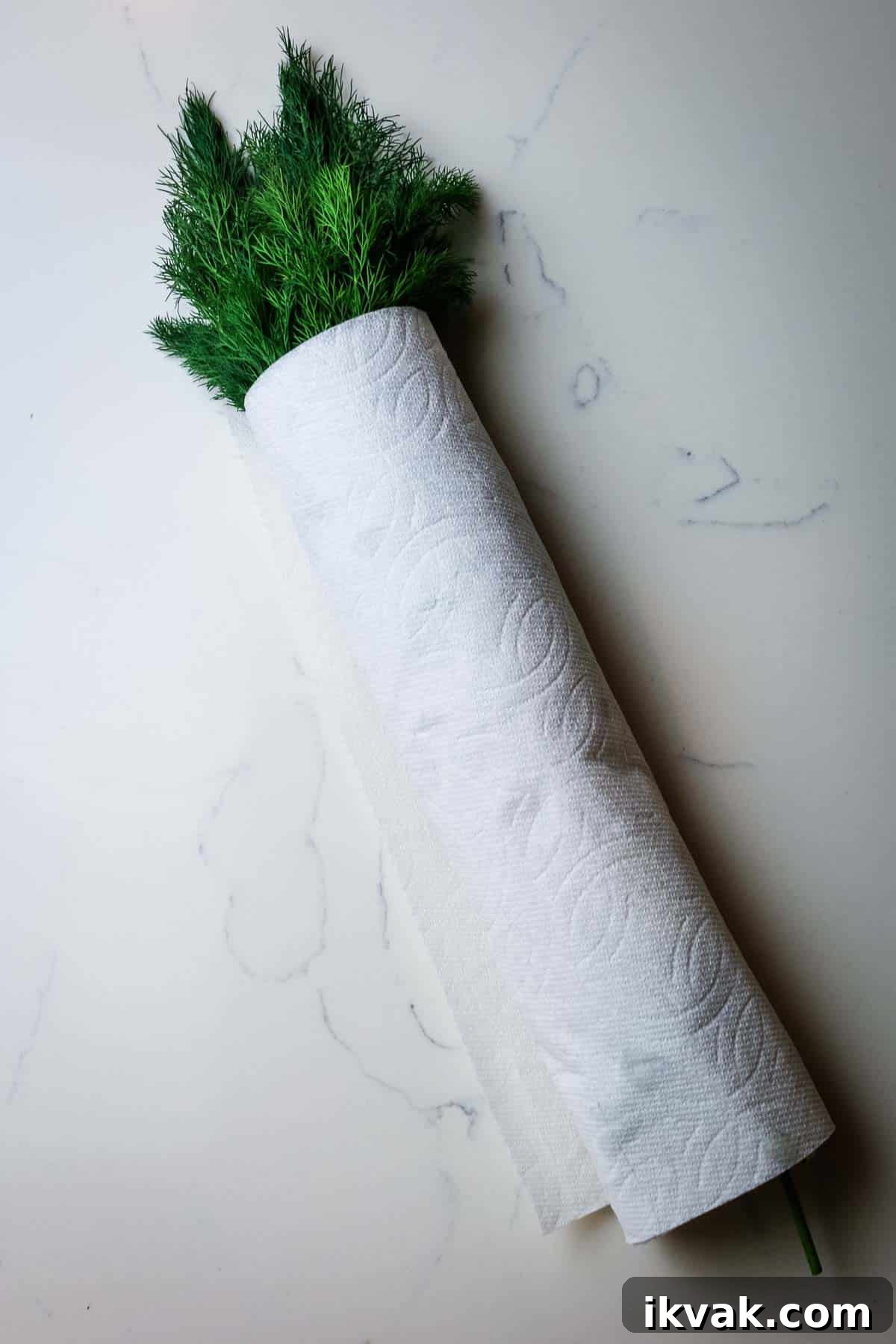
- Supplies needed: Paper towel, flour sack towel (optional), and a resealable bag or airtight container.
- How long: Up to 16 days.
- Where to store: Crisper drawer in the fridge.
- Pros: Conserves space and requires less upkeep; extends freshness longer than loose storage.
- Cons: Dill may dry out if the towel is too dry; a damp towel will encourage spoilage.
How to:
- Lay dry dill sprigs in a single layer on a paper towel.
- Roll the towel around the dill to form a compact bundle.
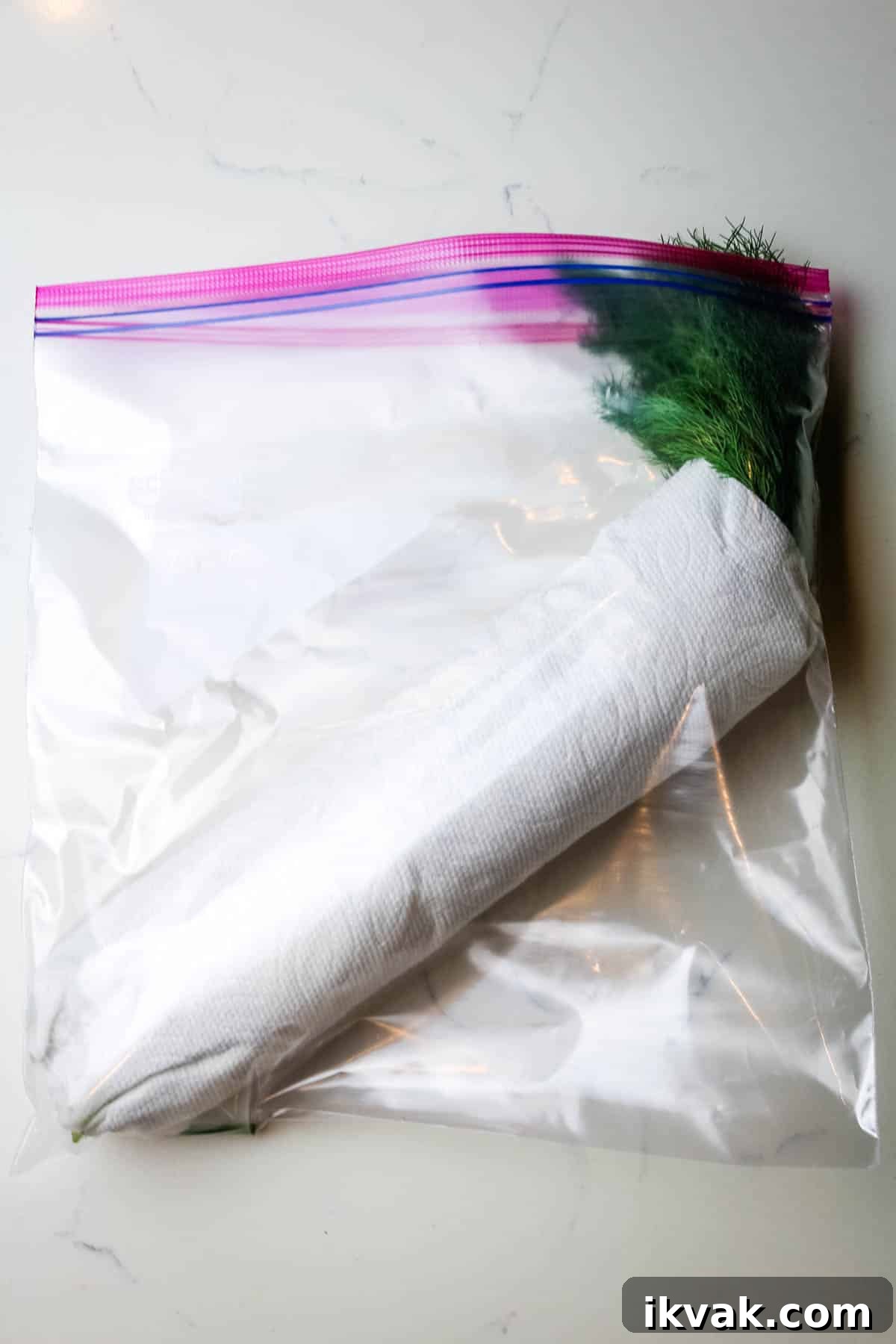
- Place the bundle into a resealable bag or airtight container and seal.
- Store in the crisper drawer and unroll only the amount you need when using.
💭Pro tip: Use a dry—not damp—paper towel. Excess moisture speeds up wilting and spoilage.
Freezing fresh dill
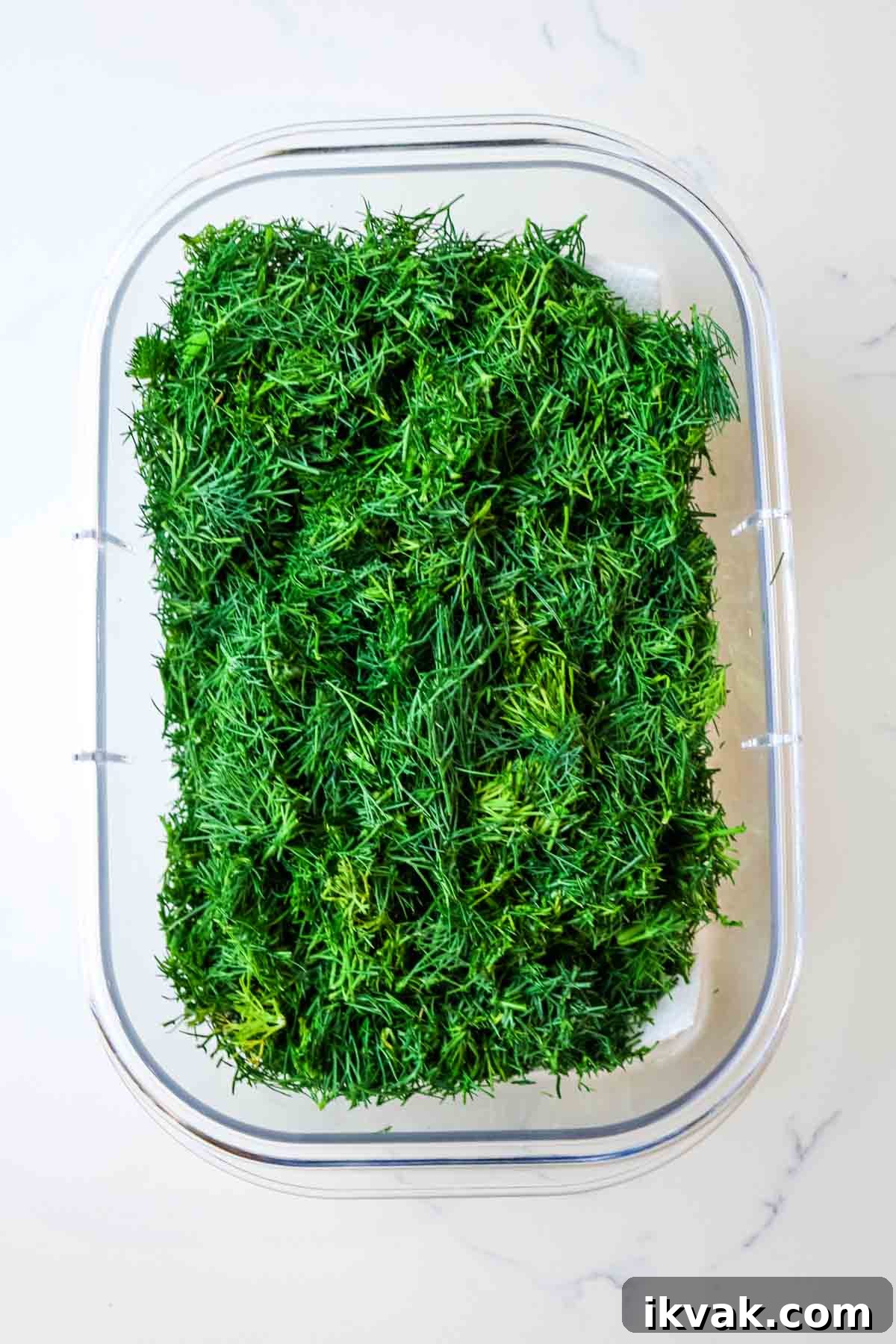
If you want to store dill beyond a couple of weeks, freezing is your best option. Frozen dill keeps flavor well and is ideal for cooked dishes like soups, stews and sauces.
You don’t need oils or ice cube trays—just clean, dry dill and freezer-safe bags or containers. Delicate herbs like dill don’t freeze as well in oil as hardier herbs, so simple freezing is usually preferable.
How to freeze dill:
- Wash, dry thoroughly, and chop the dill.
- Place chopped dill or whole fronds in a freezer-safe bag, pressing out excess air.
- Label and date the bag, then lay it flat in the freezer to freeze quickly.
- Use within about 6 months for best flavor.
You can add frozen dill directly to hot dishes—no thawing required. Texture may change after freezing, so fresh dill is preferred for final garnishes while frozen dill is excellent for cooking.
Using stored dill in everyday meals
Whole sprigs: Use refrigerated sprigs for garnishes or add stems to stocks and broths for subtle flavor. Stems can be simmered in chicken, beef or fish broths and then removed.
Chopped dill: Ready-to-use chopped dill is perfect for salads, potato dishes, dressings and sauces where the bright flavor is mixed into the dish.
Frozen dill: Best for cooked preparations like soups, stews, marinades and casseroles. While texture softens after thawing, the herb’s flavor holds up well.
Stored dill pairing suggestions
-
Okroshka Recipe
-
Quick 15-Minute Baked Salmon with Mayo and Fresh Dill
-
Cabbage Cucumber Salad
-
Chicken and Potato Salad





FAQs
It’s usually best to store dill separately from other soft herbs because each herb has its own aroma. Keeping them separate helps preserve their individual flavors.
Trim stems and place them in an inch or two of water, or wrap them in a dry paper towel and seal in a bag. If using the jar method, change the water every few days to maintain freshness.
Yes. Frozen dill works well in most cooked recipes, though the texture will be softer than fresh dill. Reserve fresh dill for final garnishes when appearance matters.
Looking for more related posts? Try other herb storage and freezing guides to make the most of your harvest.
-
How Much Dried Parsley to Substitute for Fresh
-
Roasted Jalapeño Peppers
-
How to Make and Freeze Hash Browns
-
How to Prepare Cabbage Leaves for Stuffed Cabbage Rolls