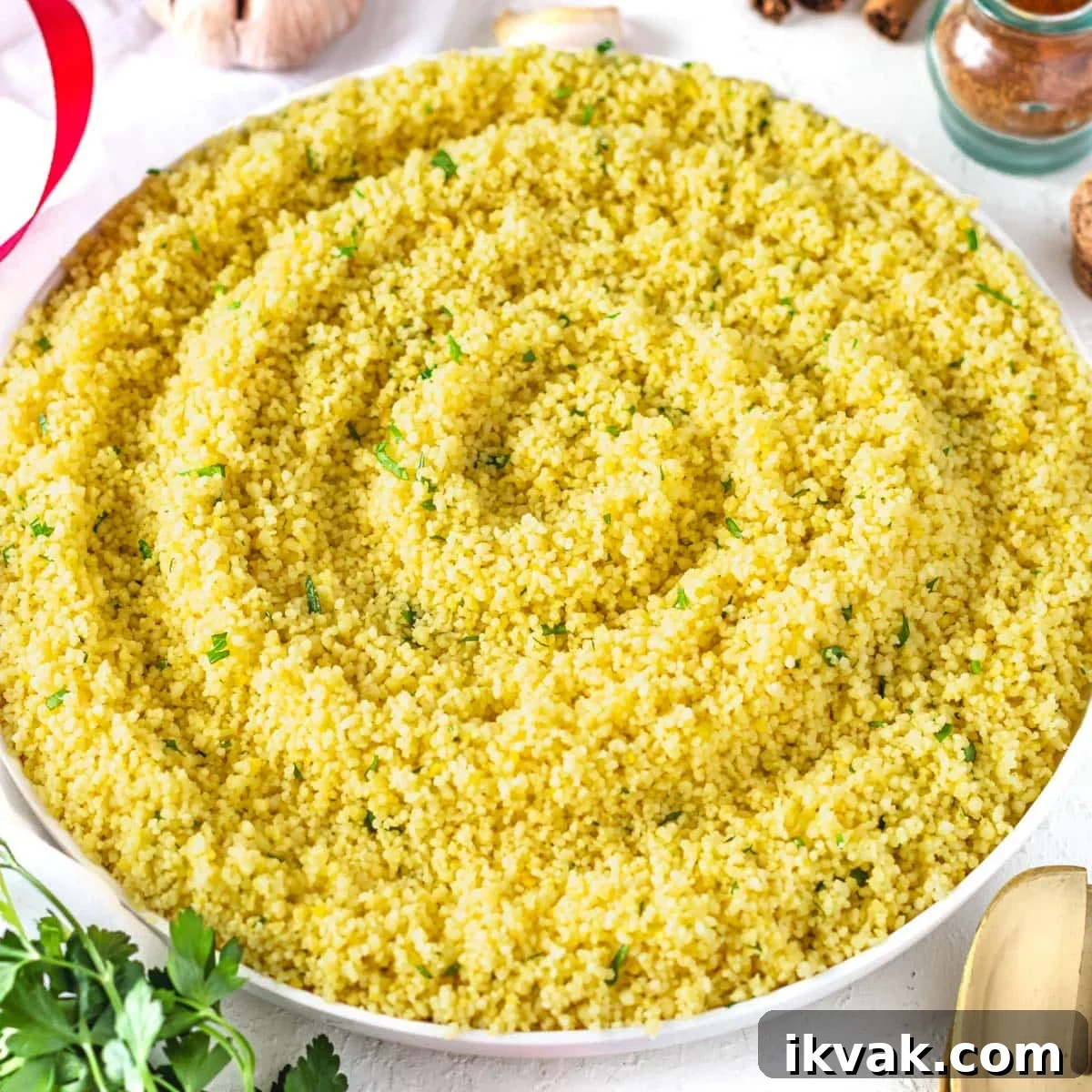
In this post you’ll learn how to cook couscous perfectly every time in about 10 minutes using simple ingredients.
Couscous is incredibly versatile and works as an easy alternative to rice, pasta, or other grains.
Thanks to its neutral flavor and light, fluffy texture, couscous makes an excellent base for many dishes. Try it with tagine, hummus, or falafel for a satisfying meal.
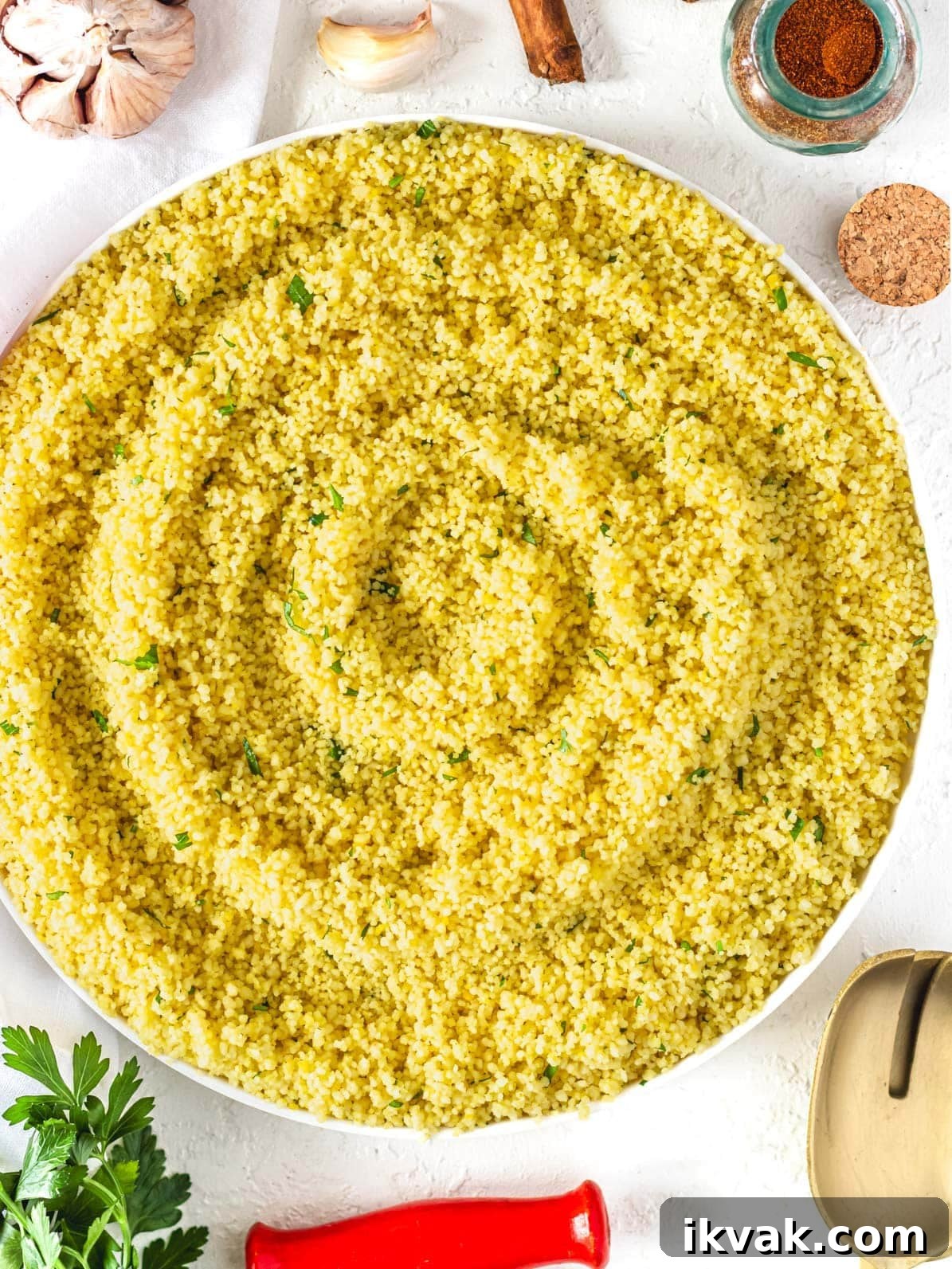
Table of Contents
- What is couscous?
- Ingredients & Substitutions
- How to cook couscous
- Serving Suggestions
- Variation
- Tips
- Questions
- Storage & Make Ahead
- Similar recipes
- How to Cook Couscous Recipe
Dietary note: this recipe is vegetarian and can be vegan. Traditional couscous contains gluten.
You’ll love couscous because it’s quick and easy to make. Its mild, slightly nutty flavor pairs well with many ingredients.
Serve plain or dress with extra virgin olive oil, lemon, and fresh herbs for a bright, simple side.
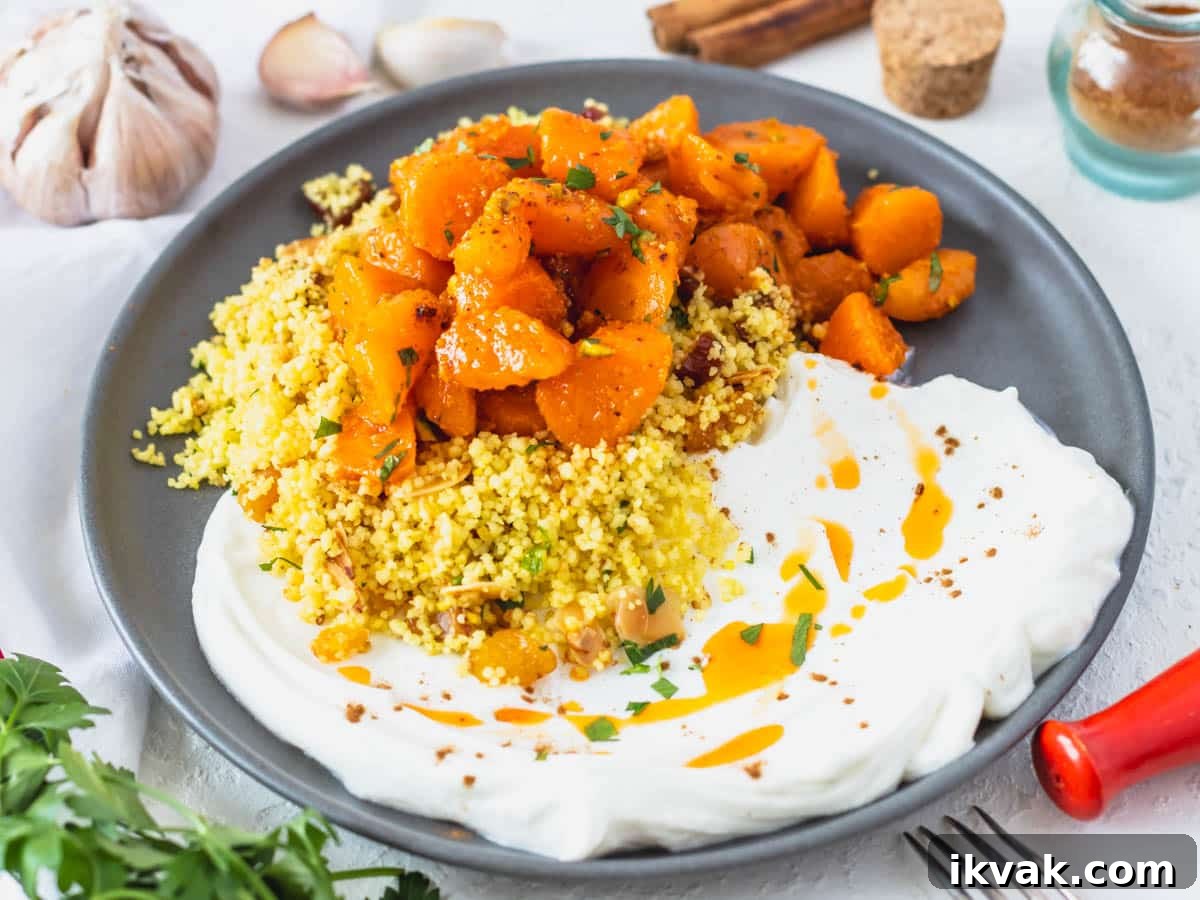
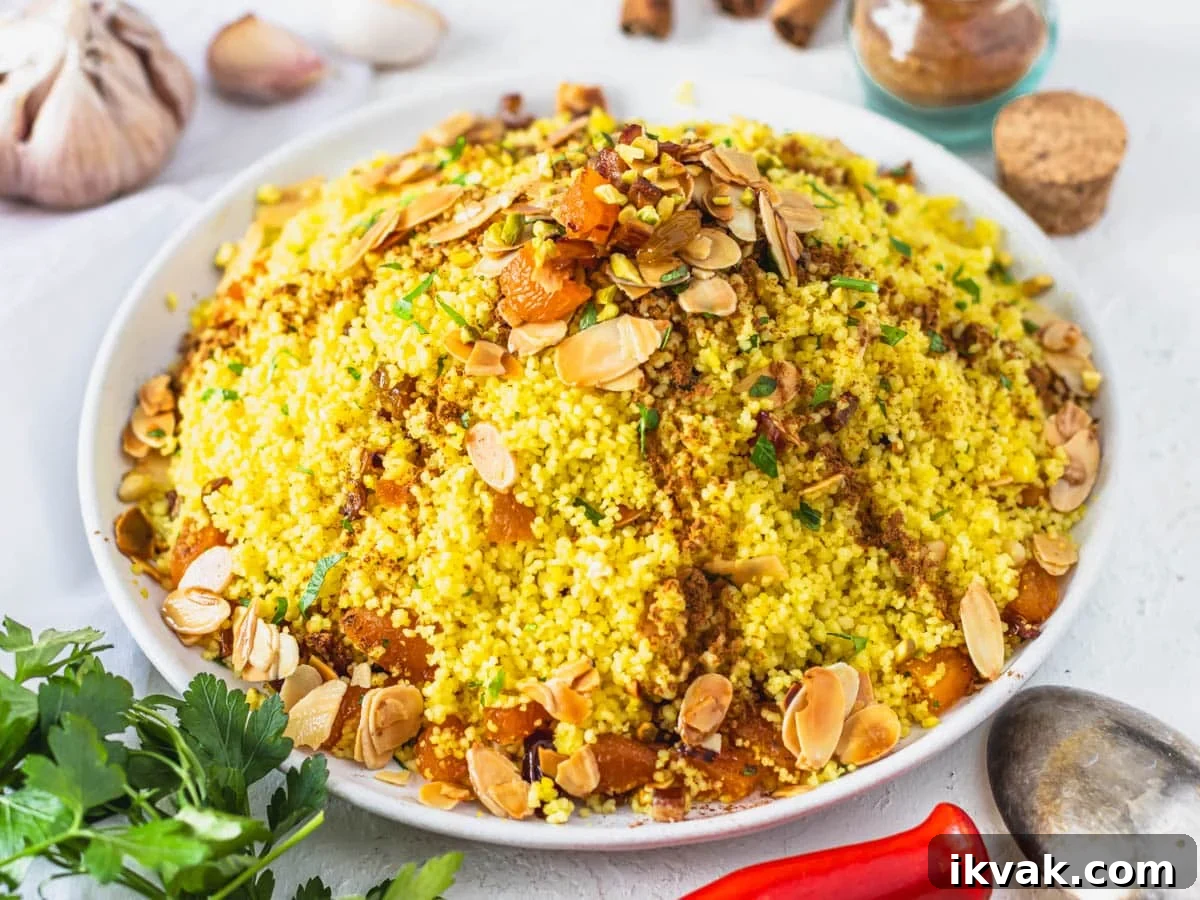
For more aroma and texture, make a Moroccan-style couscous with toasted nuts, dried fruit, and warm spices.
Couscous is a pantry staple across the Mediterranean and North Africa, and it elevates simple salads and stews into satisfying meals.
Use it as the base for grain bowls, couscous salads, or pair it with saucy vegetable and legume stews — it absorbs flavors beautifully.
What is couscous?
Traditional couscous is a North African staple from the Maghreb — Morocco, Algeria, Tunisia, Mauritania, and Libya. It’s widely enjoyed in parts of Europe as well.
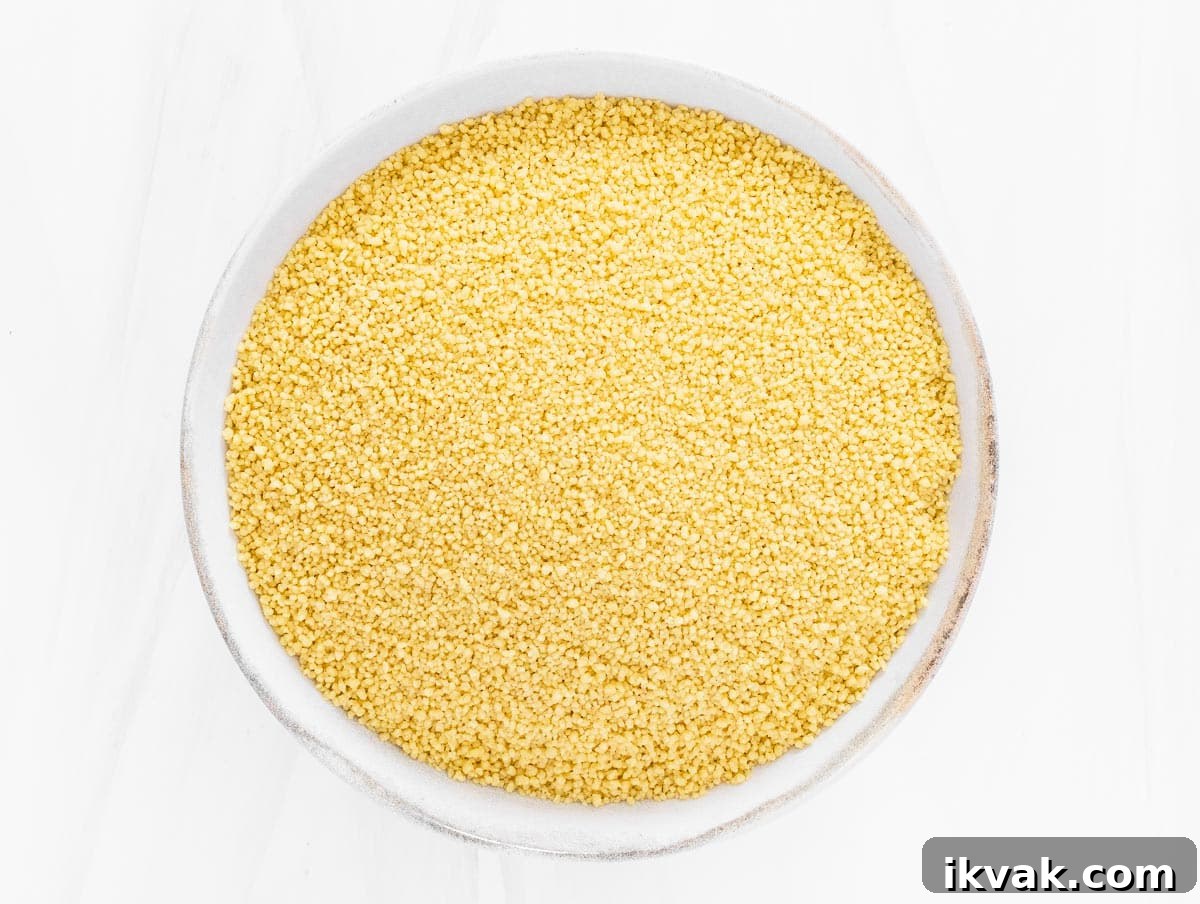
Made from durum wheat semolina, traditional couscous appears as small pre-steamed, dried granules. It’s quick to prepare and widely available.
Supermarkets typically carry two main types: traditional (small granules) and Israeli or pearl couscous (toasted pasta-like pearls).
What is Israeli couscous?
Israeli or pearl couscous consists of small toasted pasta balls made from semolina. It cooks like pasta in boiling salted water and has a chewier texture. This guide focuses on traditional couscous.
Ingredients & Substitutions
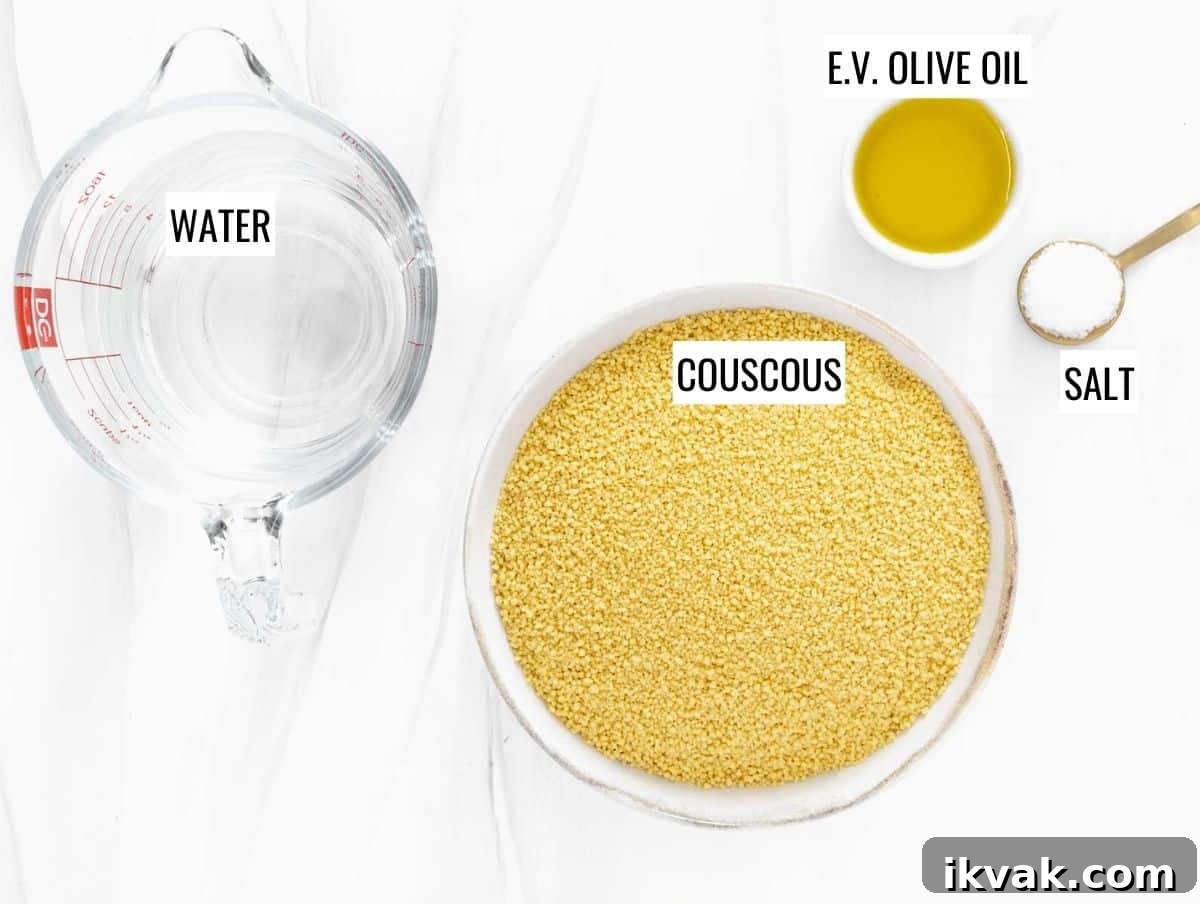
Note: exact measurements are in the recipe box below.
Couscous
Use traditional couscous (not pearl/Israeli). It comes in white or whole wheat varieties — both work well.
Hot liquid
Boiling water, vegetable broth, or chicken broth are suitable. Use hot liquid to hydrate the couscous.
Salt
Sea salt or kosher salt gives the best flavor.
Olive oil
Extra virgin olive oil is recommended. You can substitute regular olive oil, melted butter, non-dairy butter, ghee, or smen.
Optional ingredients
Fresh herbs
Add chopped parsley, cilantro, or mint for freshness.
Saffron or turmeric
A pinch of saffron or turmeric brightens color and aroma.
Lemon juice
Serve with lemon wedges to squeeze over before eating.
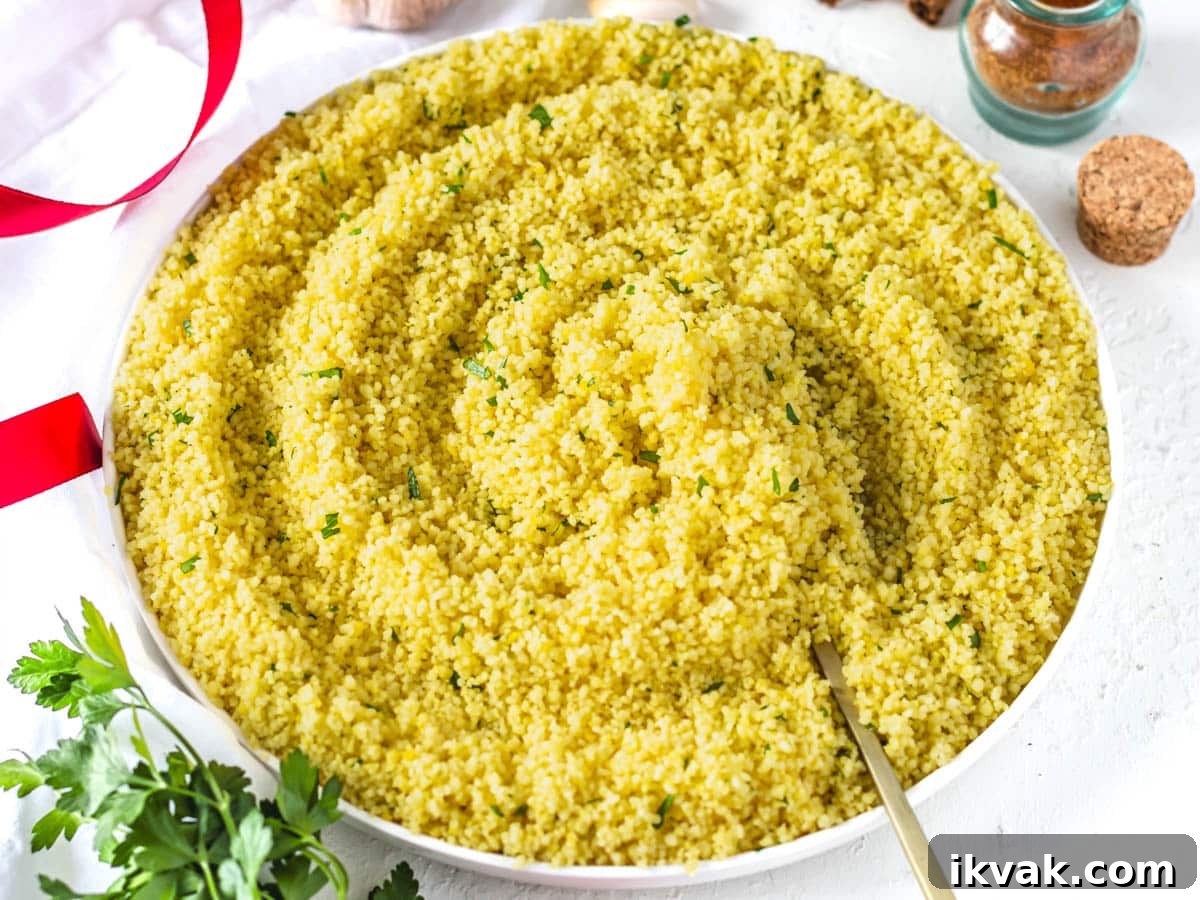
How to cook couscous
Measure equal parts couscous and hot liquid — the ratio is 1:1.
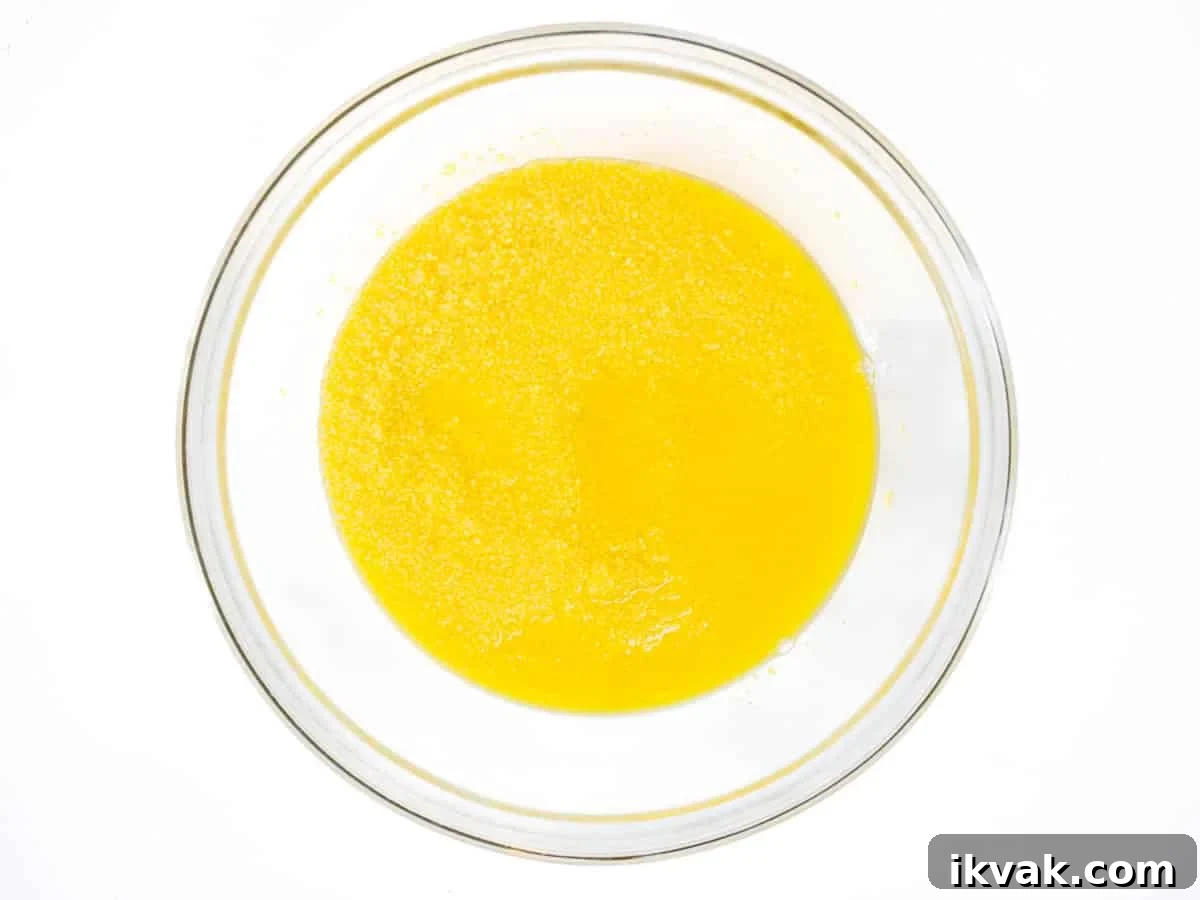
Bring your chosen liquid to a boil. In a large bowl, dissolve saffron or turmeric and salt in about 2 tablespoons of the hot liquid.

Add the couscous to the bowl and pour the remaining boiling liquid over it. Stir once, cover, and let sit for about 5 minutes.
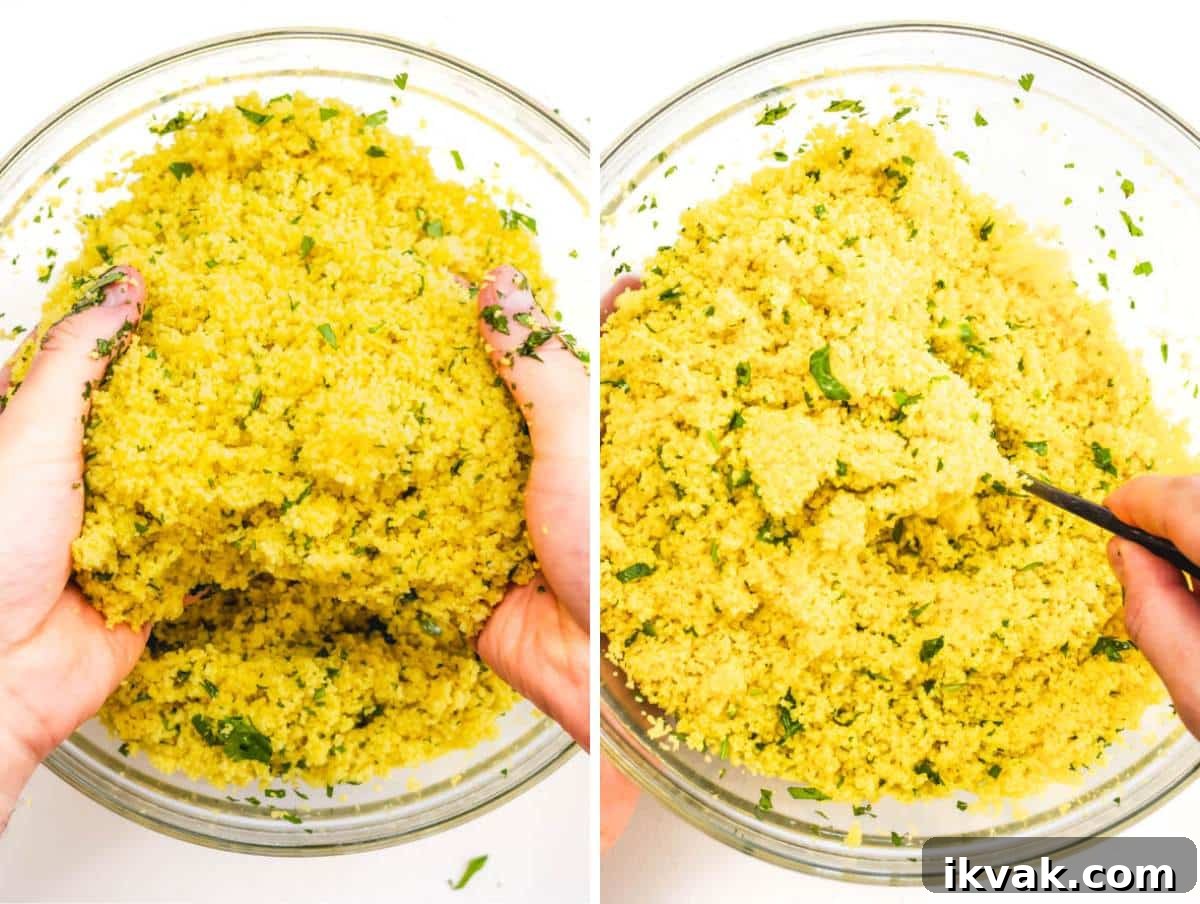
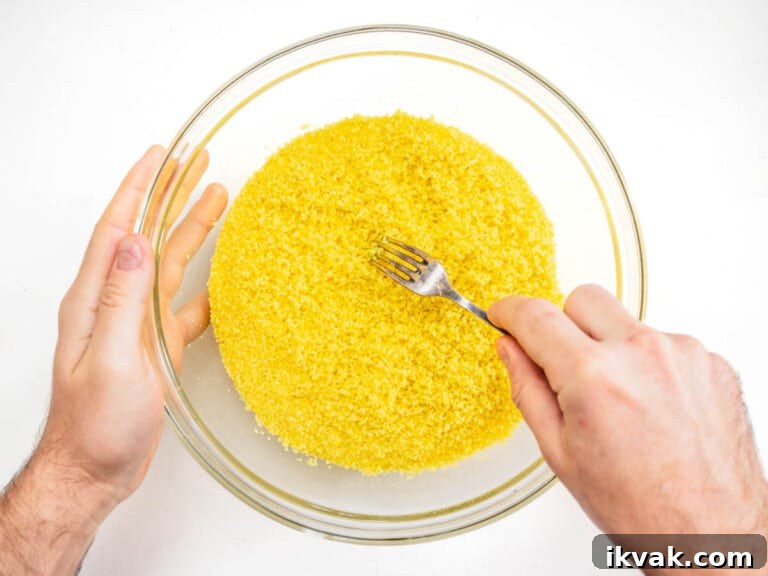
When the liquid is absorbed, separate the grains by fluffing with a fork.
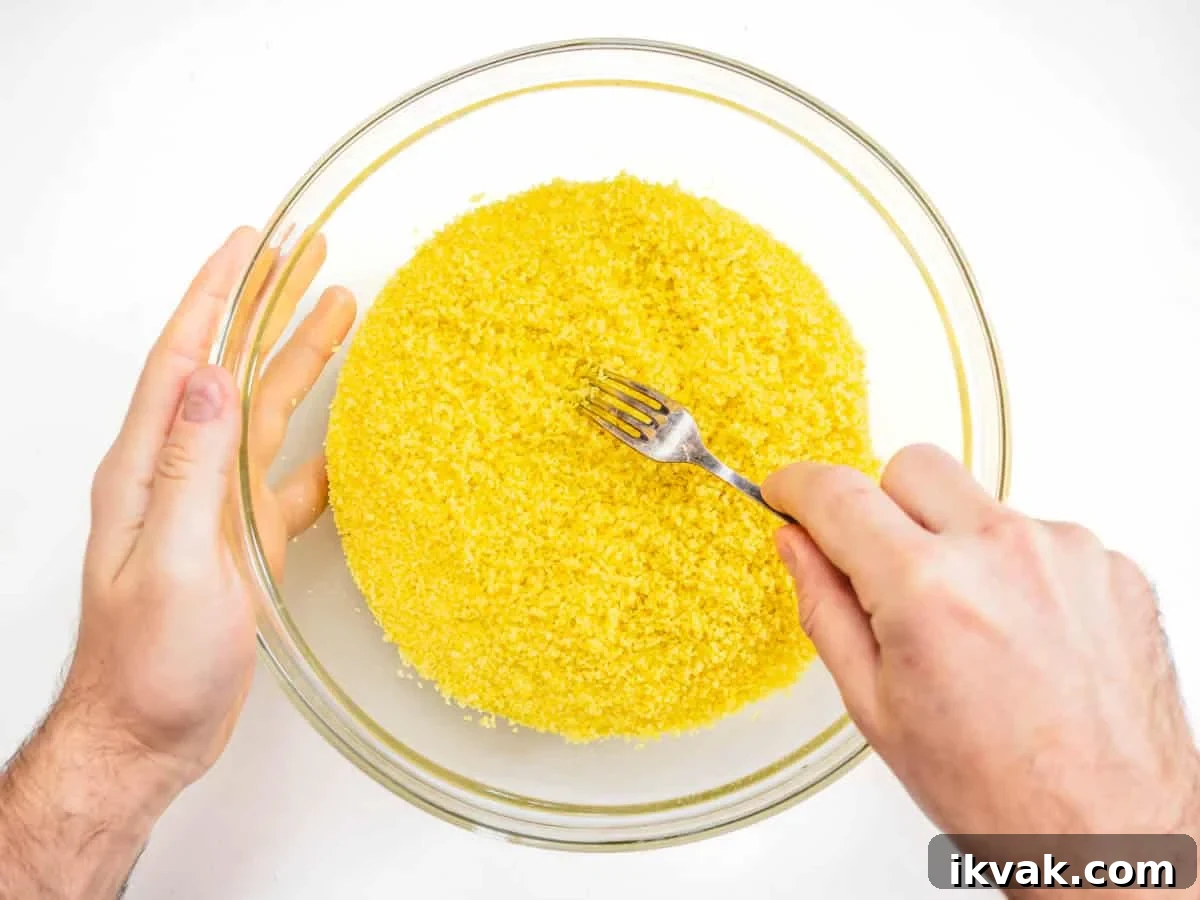
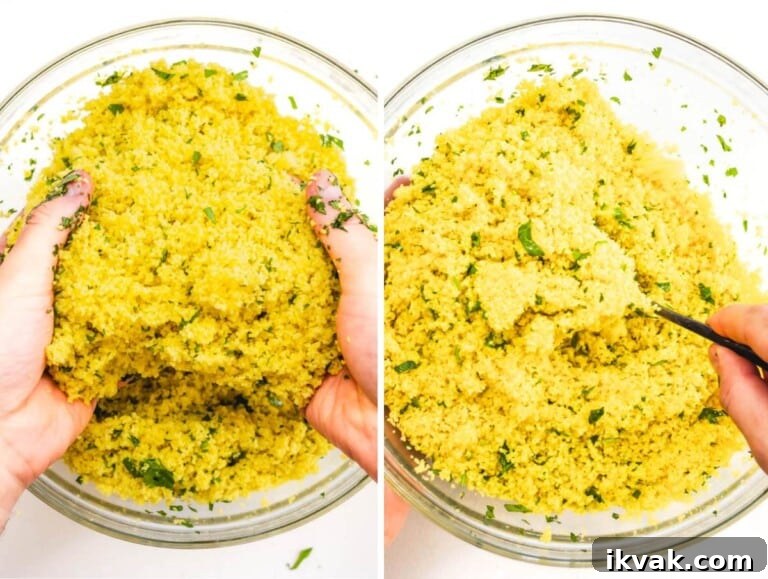
Stir in olive oil and chopped herbs, toss to combine, taste, and adjust salt. For best results, lift and aerate the grains with a fork or your hands to keep them fluffy.
Serving Suggestions
Treat couscous as a flexible side or a base instead of rice, pasta, or bread. Its mild taste complements saucy dishes, stews, and chunky soups.
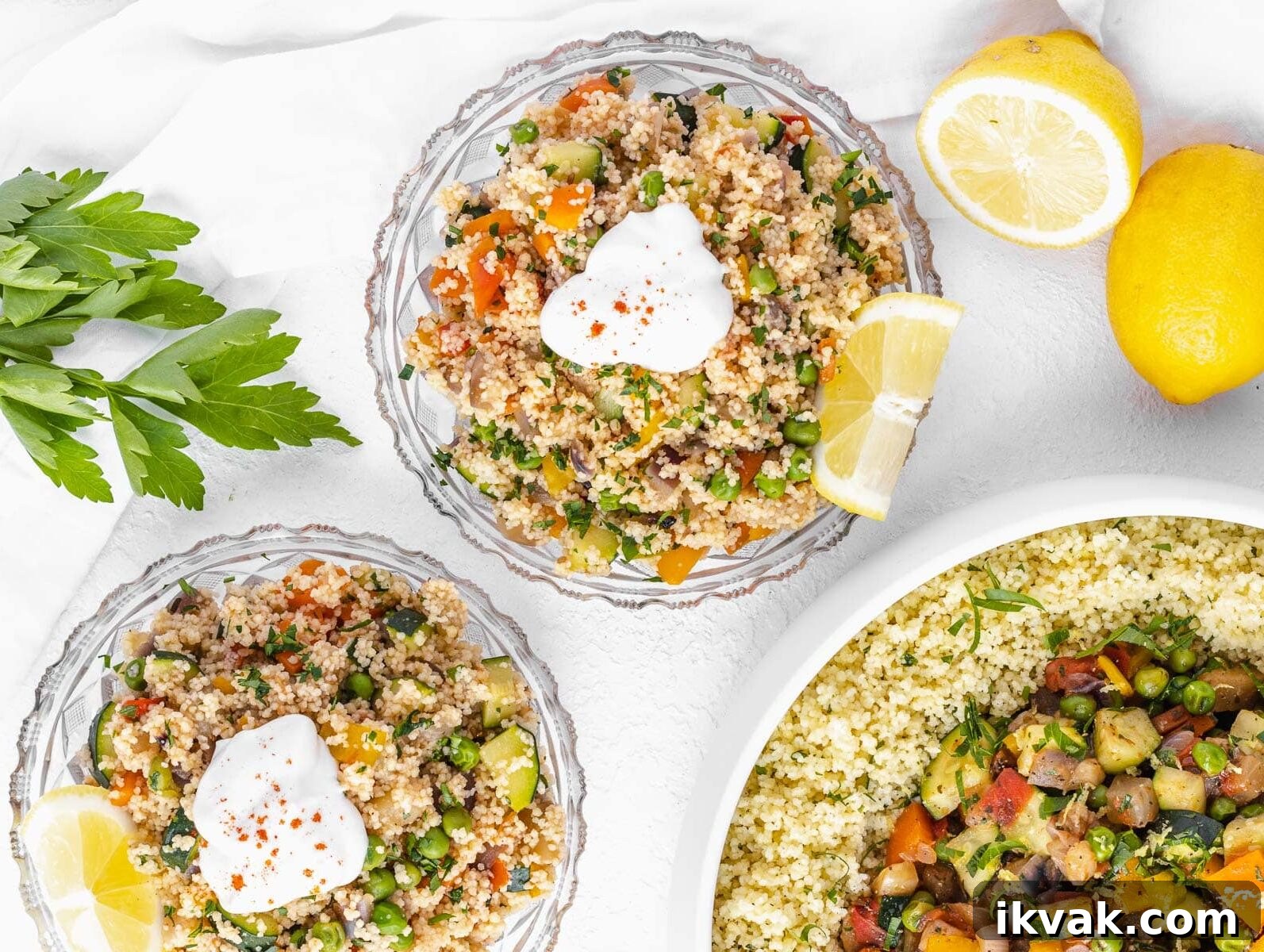
In Morocco it’s commonly paired with tagine and a spoonful of yogurt.
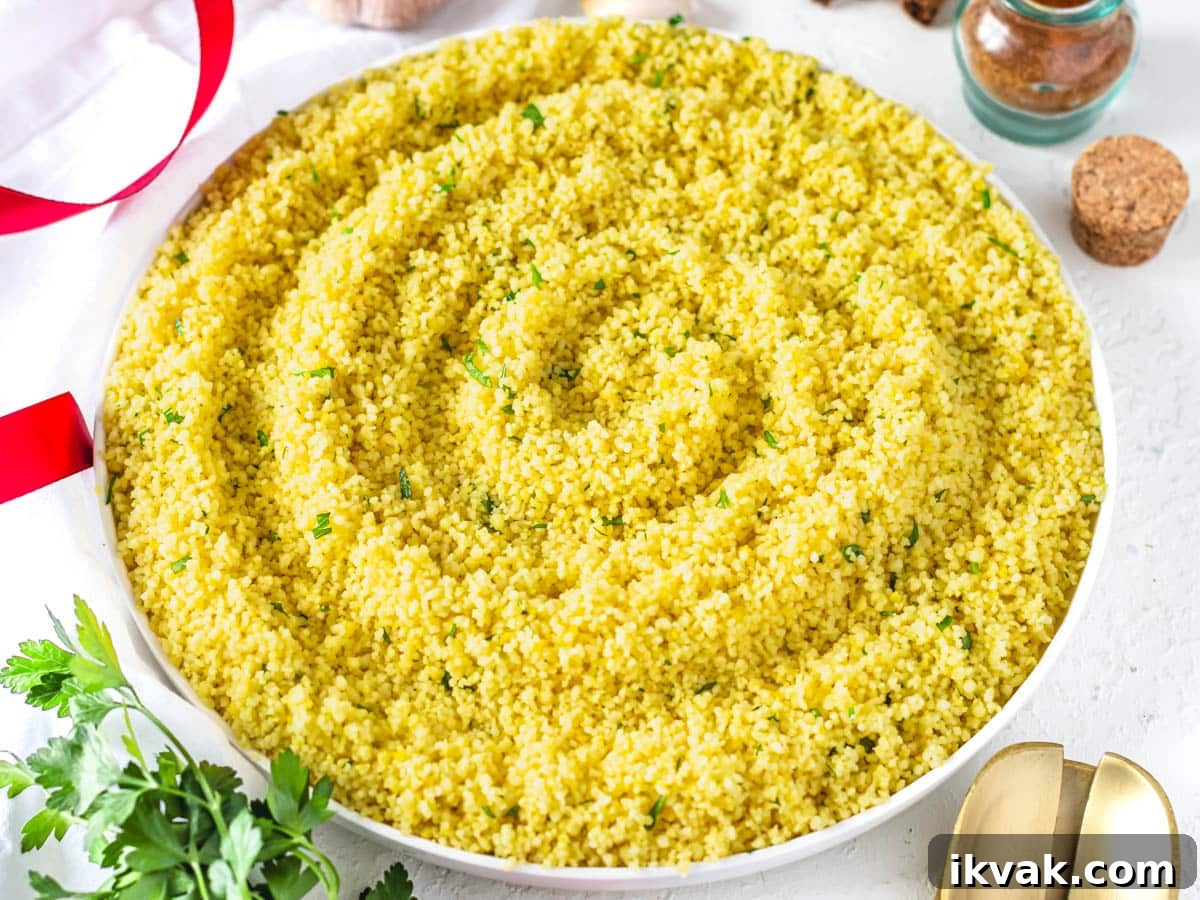
Use couscous under curries and stews like potato curry, lentil curry, eggplant curry, Tuscan bean stew, or chickpea stew.
Mix warm or cooled couscous into salads for added texture and bulk. It pairs well with lentils, chickpeas, roasted vegetables, and fresh herbs.
As an appetizer or side, serve with dips and spreads such as tzatziki, zaalouk, hummus, or yogurt-based sauces, plus chopped tomatoes and caramelized onions.
Variation
Moroccan Couscous
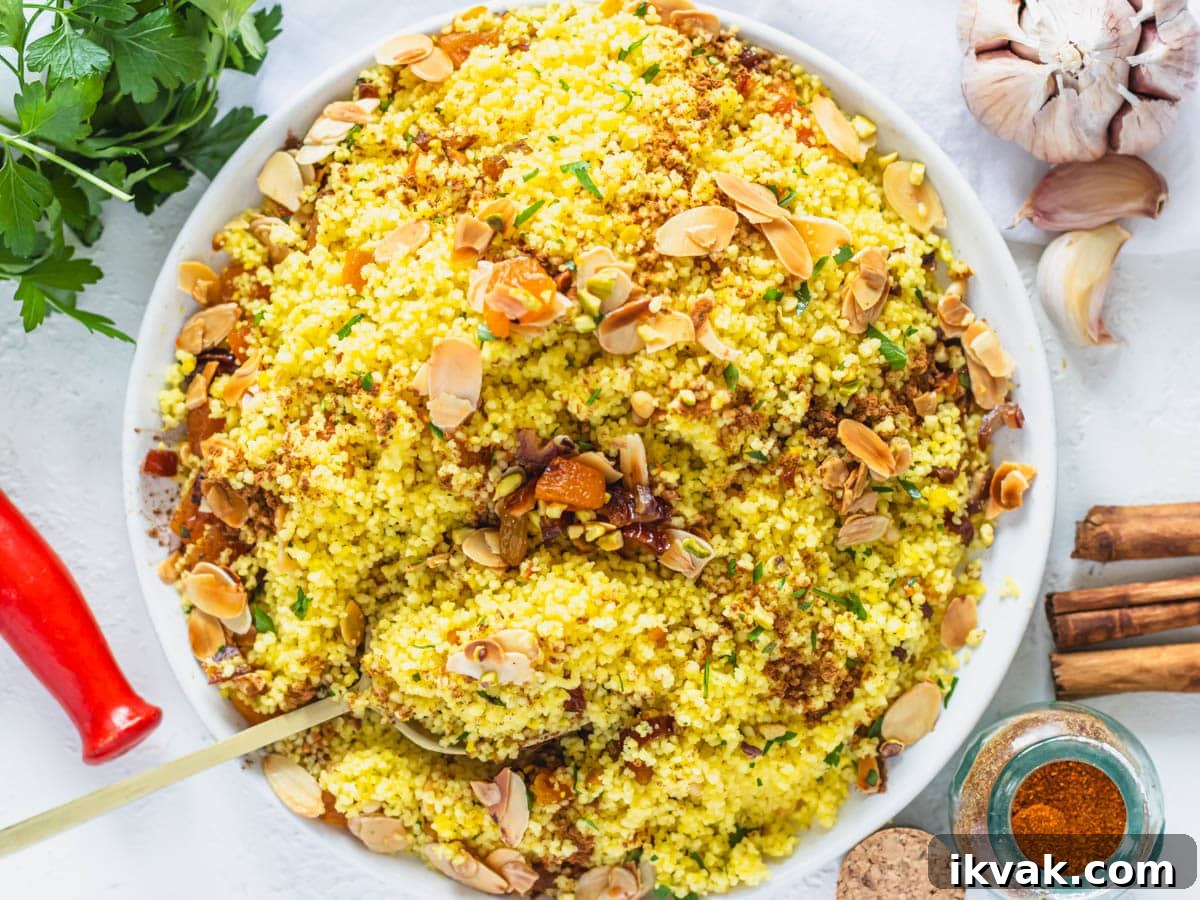
Moroccan-style couscous combines toasted nuts, dried fruits, and warm spices, sautéed briefly in butter or olive oil, then folded into the couscous for a fragrant, textured dish. Serve with thick yogurt or alongside savory stews.
Tips
How much couscous should I make?
Two cups of dry couscous (about 350–400 g) usually yields 5–7 servings. Estimate roughly 1/3 cup (around 60 g) of dry couscous per person as a side.
Is couscous healthy?
Couscous is low in fat and cholesterol, provides plant-based protein and carbohydrates, and offers dietary fiber — especially whole wheat couscous, which contains more fiber.
Couscous Nutrition Information
Typical nutritional values vary by serving size and preparation. Serving couscous with legumes and vegetables balances the meal with more protein, fiber, and micronutrients. Traditional couscous contains gluten and is unsuitable for people with celiac disease.
Questions
Made from durum wheat semolina and water, couscous is technically closer to a small pasta than a whole grain.
No — pre-steamed dried couscous does not need rinsing before cooking.
Traditionally, couscous is made by sprinkling water over semolina, agitating the grains by hand, sifting and drying them. Today most commercial couscous is machine-made.
In English it’s commonly pronounced “koo-skoos.”
Use a 1:1 ratio of hot liquid to dry couscous.
About 1 cup of boiling water per 1 cup of dry couscous.
No — don’t boil the grains. Pour hot liquid over couscous and let it steam until absorbed.
Storage & Make Ahead
Make ahead: cooked couscous stores well for meal prep. Keep cooked couscous in an airtight container in the refrigerator for up to one week. Dry couscous stores in a cool, dry pantry for up to one year.
Freezing: Spread couscous on a tray and freeze for a couple of hours, then transfer to a freezer container for up to three months.
Reheating: Defrost in the fridge or at room temperature, then reheat briefly in the microwave or mix cold into salads or warm stews.
Similar recipes
More cooking guides and recipes:
- How to cook lentils (green and brown)
- How to cook red lentils
- How to cook black lentils
- How to cook chickpeas
- How to cook artichokes
- How to cook asparagus
How to Cook Couscous
Nico Pallotta
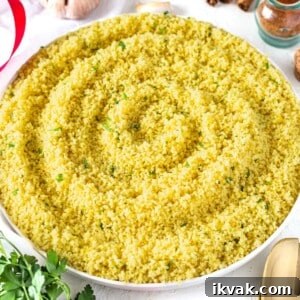
Couscous is a versatile ingredient you can use instead of rice, pasta, or other grains.
5 mins
5 mins
10 mins
6 servings
Main Course, Side dish
North African
Ingredients
- 2 cups couscous (dry)
- 2 cups water or vegetable broth (boiling)
- ⅛ tsp saffron or turmeric
- 1 tsp salt
- 2 tbsp extra virgin olive oil or melted butter
- 4 tbsp parsley, chopped (or mint/cilantro)
Instructions
-
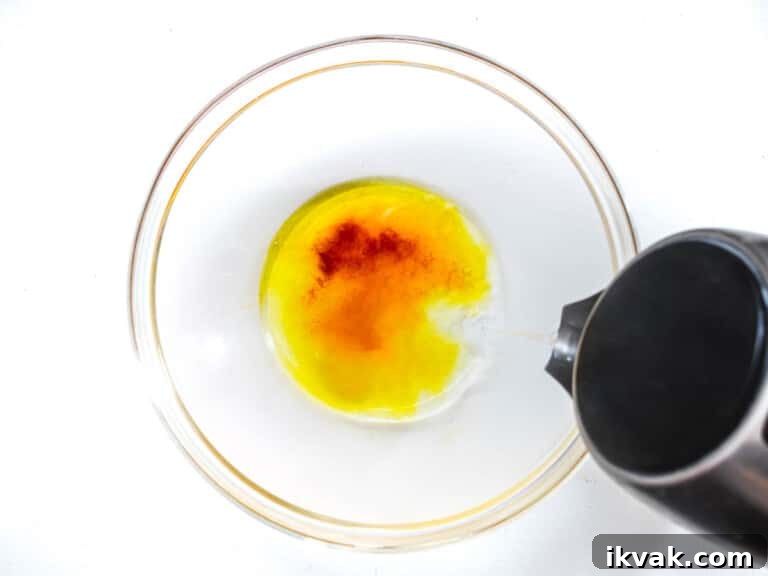
Boil 2 cups of water or broth. In a large bowl dissolve ⅛ tsp saffron (or turmeric) and 1 tsp salt in about 2 tablespoons of the boiling liquid.

-
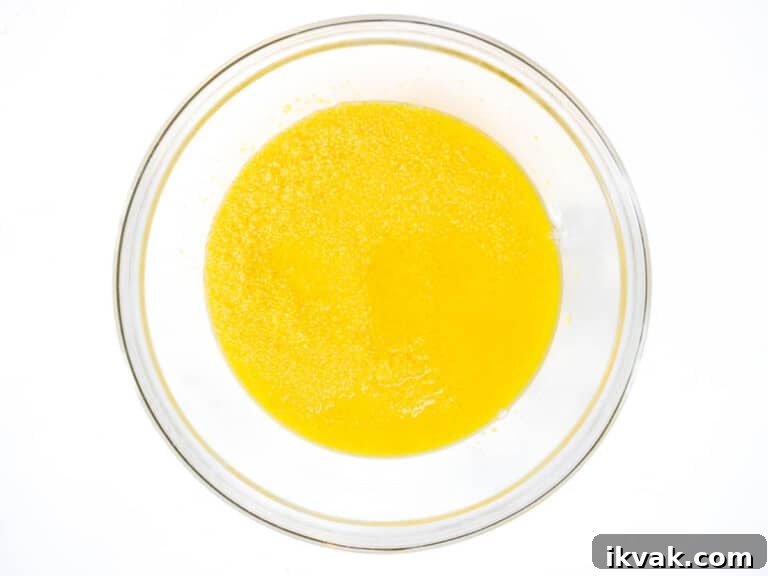
Add 2 cups couscous to the bowl and pour the remaining boiling liquid over it. Stir once, cover, and let sit for 5 minutes.
-
When the liquid is absorbed, fluff the couscous with a fork to separate the grains.
-
Stir in 2 tbsp extra virgin olive oil and 4 tbsp chopped parsley or cilantro. Toss to combine — use a fork or your hands to lift and aerate the grains.
-
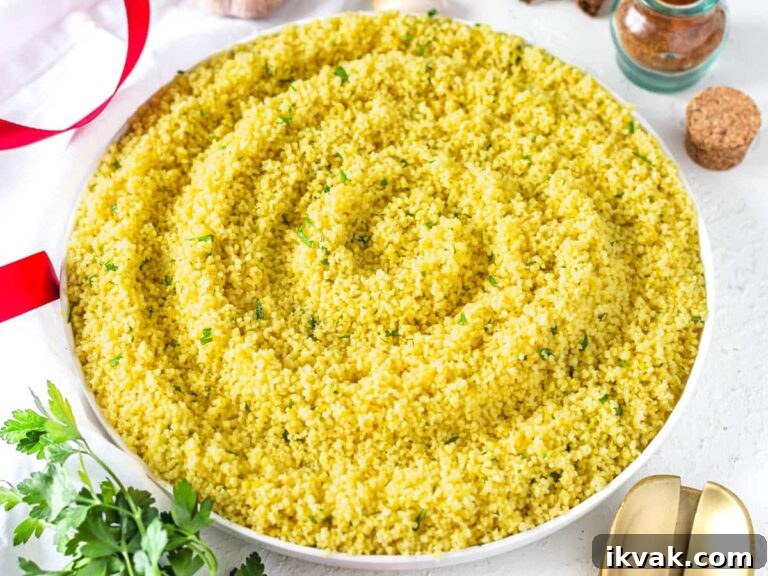
Taste and adjust salt. Serve warm on a platter or use as a base for stews and salads.
Notes
Storage & Make Ahead: Cooked couscous keeps in the fridge up to 1 week in an airtight container. Freeze on a tray then transfer to a container for up to 3 months. Dry couscous stores up to a year in a dry pantry.
Serving ideas: See the serving suggestions section for combinations with stews, salads, and dips.
Nutrition
Leave a comment below or mention @nico.recipes on Instagram. We love hearing from you.
If you enjoyed this couscous guide, you might also like the following recipes.
Tofu Recipes
Crispy Fried Tofu (Easy Skillet Recipe)

Collections
30 Easy Soup Recipes

Mains
40 High Protein Vegetarian Meals

Collections