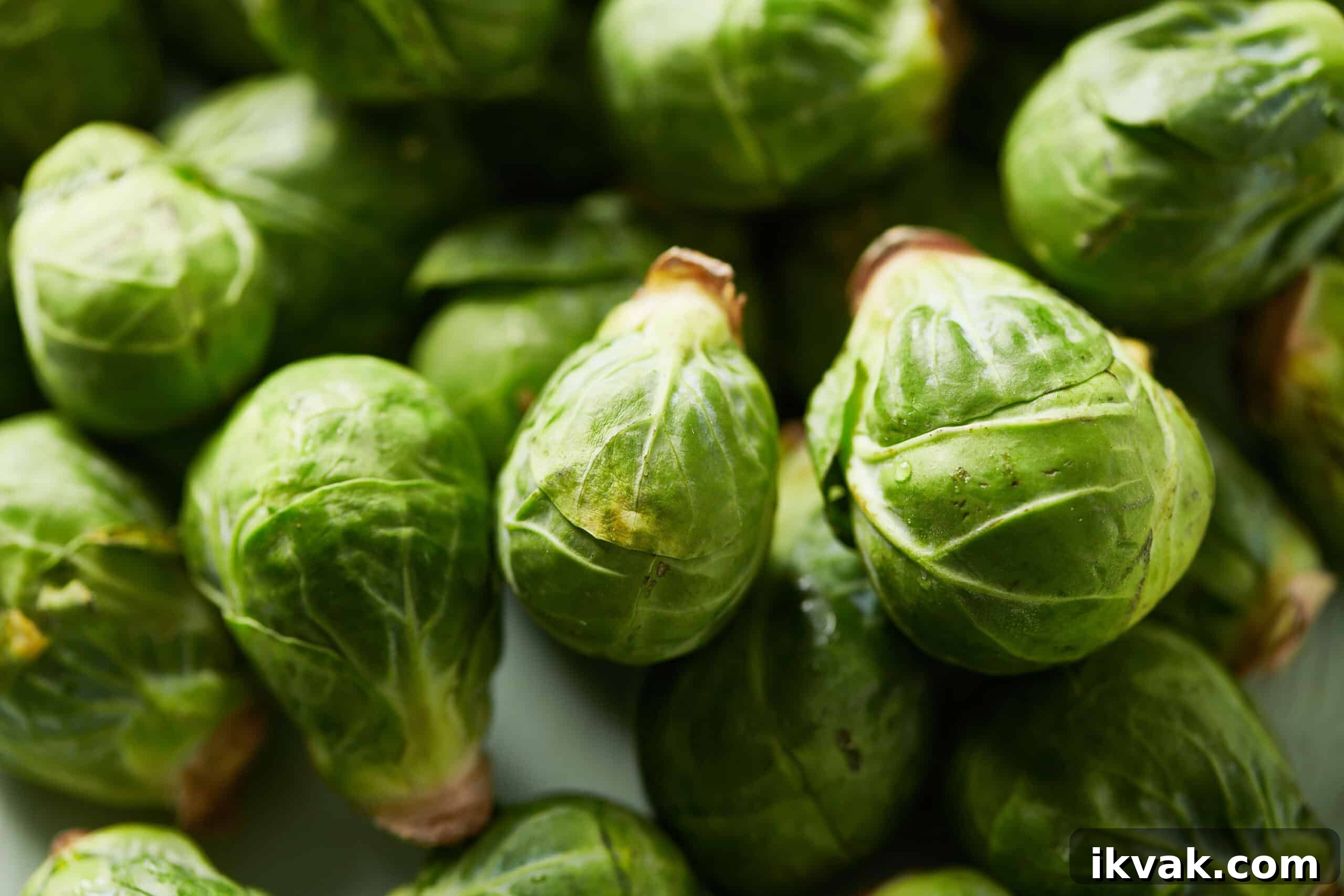
Brussels sprouts are a favorite winter vegetable, especially at holiday meals like Thanksgiving and Christmas. They’re versatile, nutritious, and can be prepared in many ways to highlight their natural sweetness and texture.
Many people think they dislike Brussels sprouts because of experiences with overcooked, boiled batches. Properly prepared, though, they’re delicious: thinly sliced raw in salads, sautéed, roasted until crispy, braised, air-fried, or even pickled. Try different methods to find your favorite.
- What Are Brussels Sprouts?
- FAQs
- Buying and Choosing Brussels Sprouts
- What do Brussels Sprouts Taste Like?
- How to Prepare Brussels Sprouts
- The Best Ways to Cook Brussels Sprouts
- Storage
- 17 Brussels Sprouts Recipes
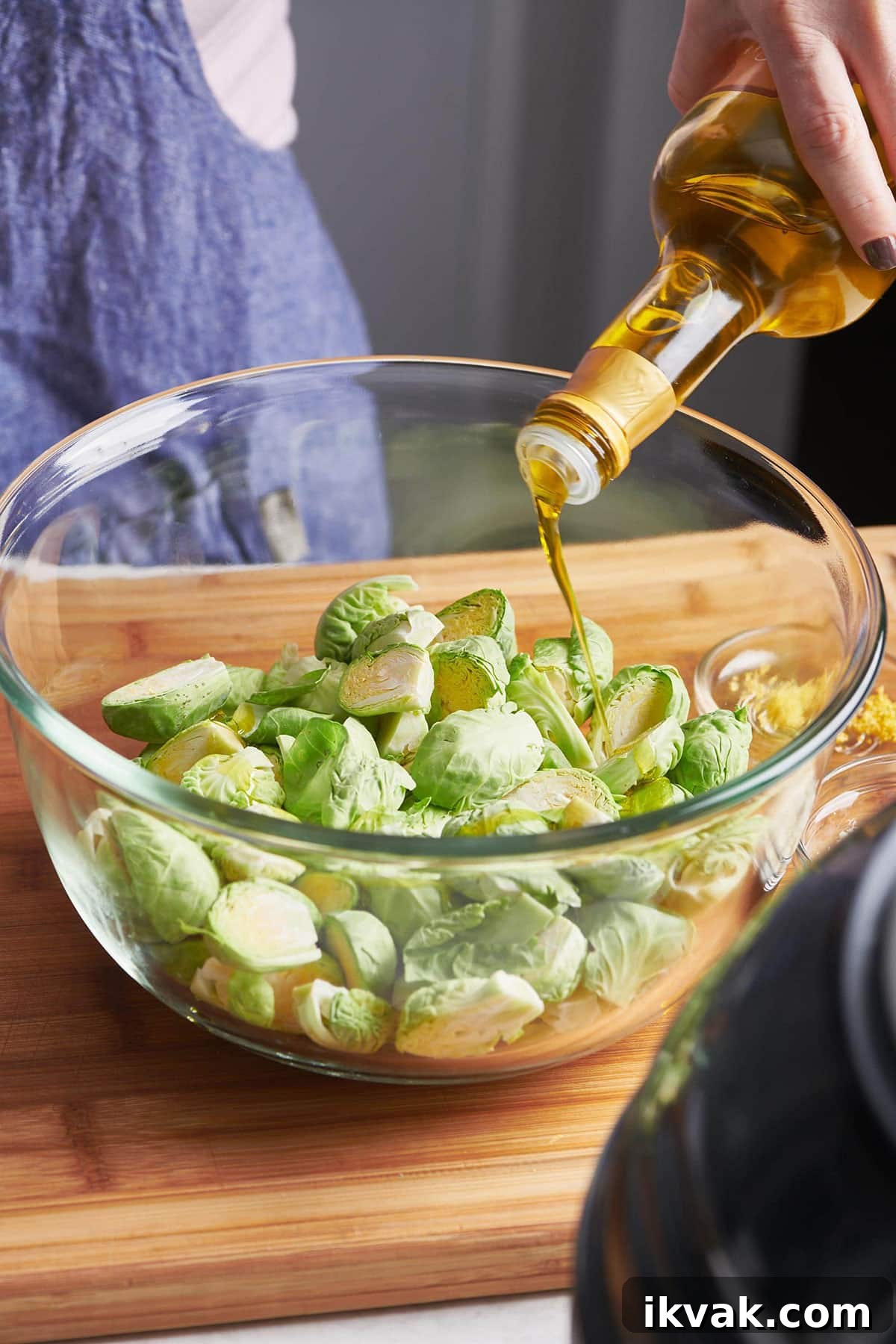
Everything you need to know about how to buy, store, prepare and cook with Brussels sprouts. Plus lots of Brussels sprouts recipes
What Are Brussels Sprouts?
Brussels sprouts are small, compact buds that resemble miniature cabbages. They belong to the same cruciferous family as cabbage, cauliflower, broccoli, kale, and collards. Historically linked to the Brussels region of Belgium, they were later cultivated widely in North America—California remains the largest U.S. producer.
On the plant, sprouts grow along a thick stalk in a spiral pattern. At markets you’ll usually find the individual buds harvested from the stalk, sold loose, bagged, or occasionally still on the stalk at farmers markets.
FAQs
They are small, round, bright green mini-cabbages made of many tightly packed leaves. On the plant they appear as layered buds along a central stalk.
Often it’s because they were steamed or boiled and overcooked, which can result in a bitter taste and mushy texture. Roasting, sautéing, air-frying, or braising brings out a sweeter, nuttier flavor and a much better texture.
Buying and Choosing Brussels Sprouts
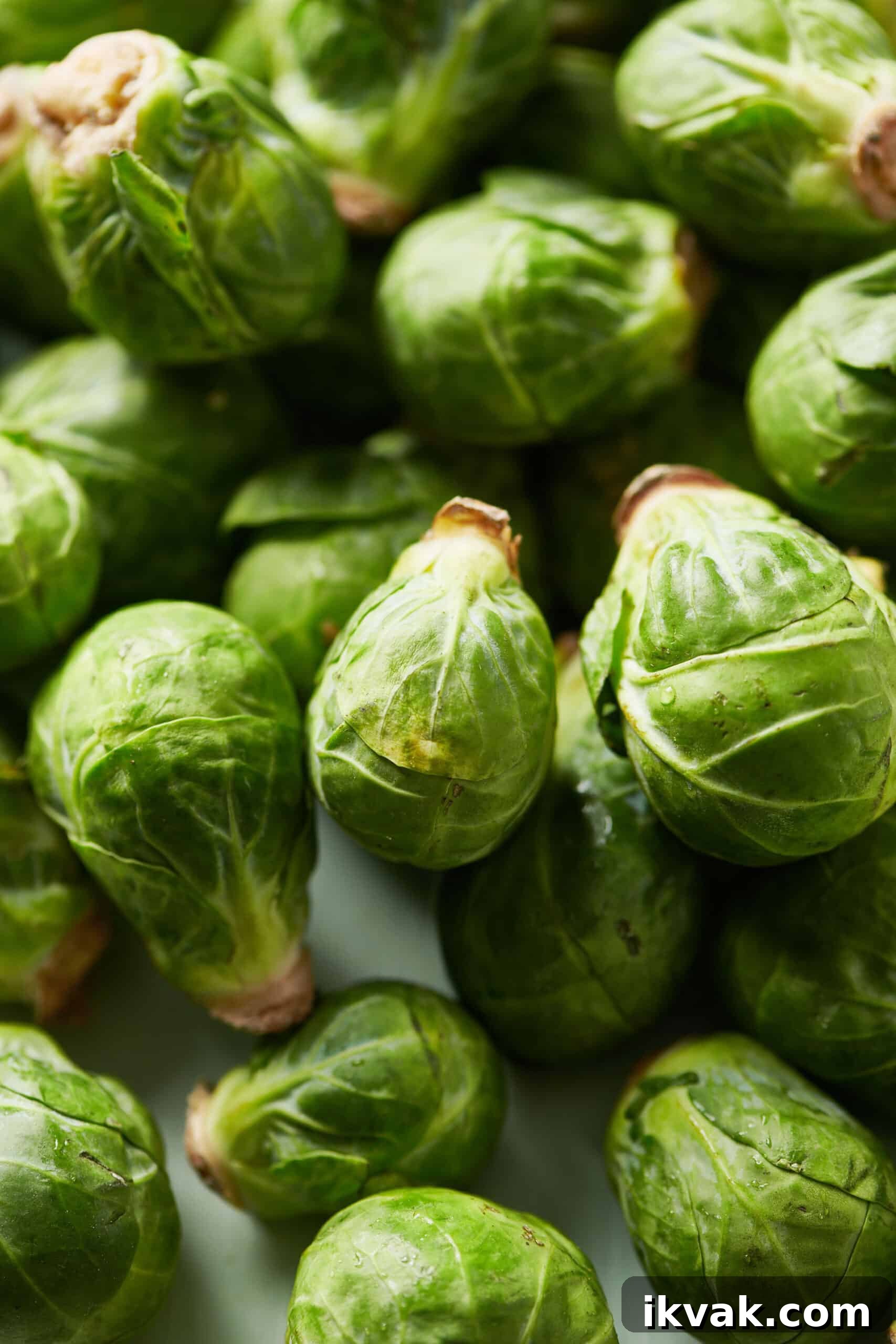
You can find Brussels sprouts year-round in most supermarkets and in the frozen aisle. In growing regions and during peak season you may find them at farmers markets, sometimes still attached to the stalk. Look for firm, bright green sprouts without wilted leaves or bruises. Smaller sprouts tend to be sweeter and more tender; larger ones have a stronger, more cabbage-like flavor.
They are a cool-weather crop and are often more abundant in the fall. In places like California they’re commonly harvested June through December, but they’re generally available year-round.
Choose firm, bright green sprouts with no yellowing or excessive blemishes. Remove any loose or damaged outer leaves. Match sizes for even cooking.
What do Brussels Sprouts Taste Like?
Flavor varies with size and cooking method. Smaller sprouts are generally sweeter and tender, while larger ones can be more assertive and cabbage-like. Cooking method matters most: roasting and sautéing bring out sweet, nutty notes; boiling tends to produce a more “cabbagy” flavor.
Yes. They’re high in vitamins A and C, a good source of fiber, iron, and antioxidants, and offer many health benefits associated with cruciferous vegetables.
How to Prepare Brussels Sprouts
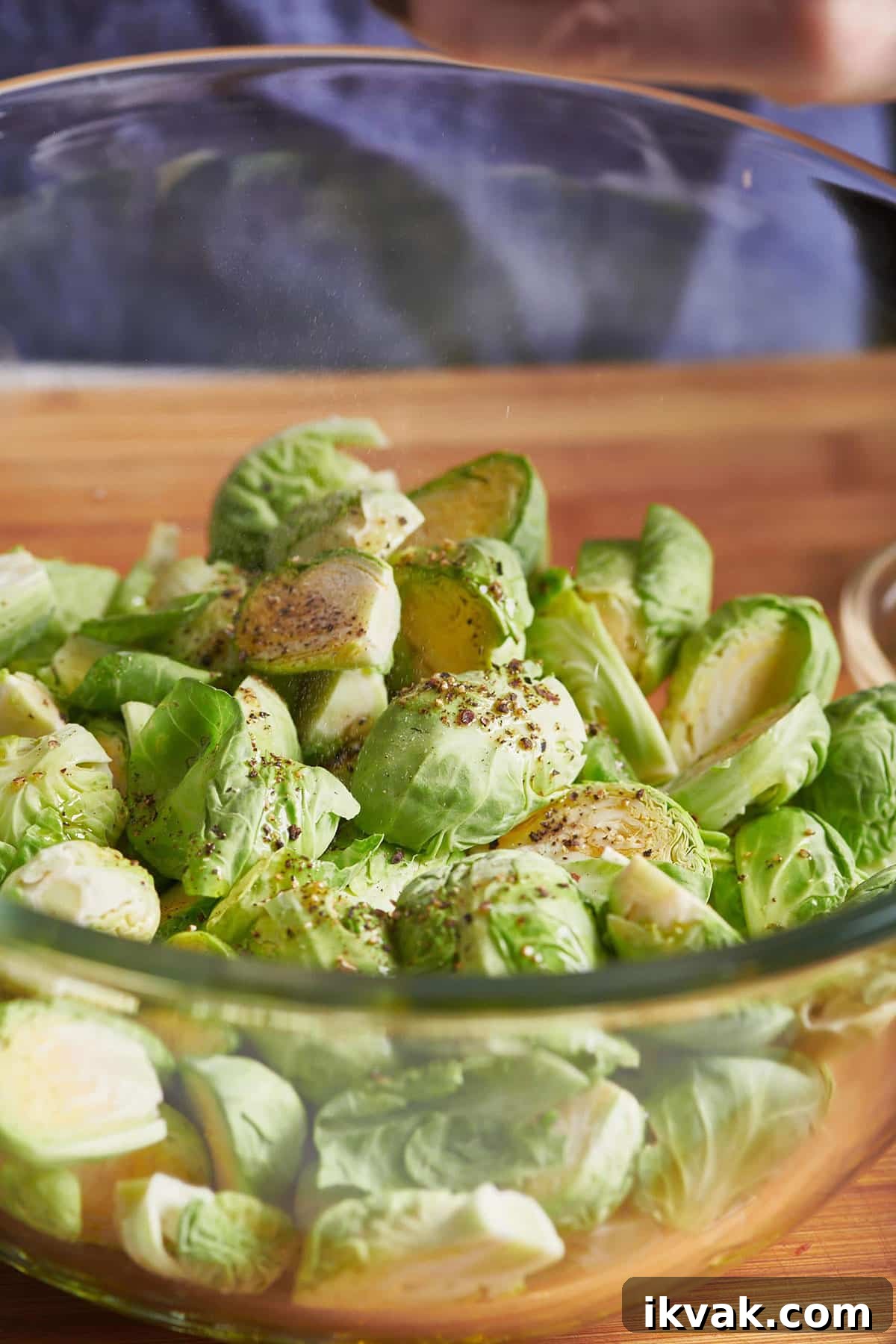
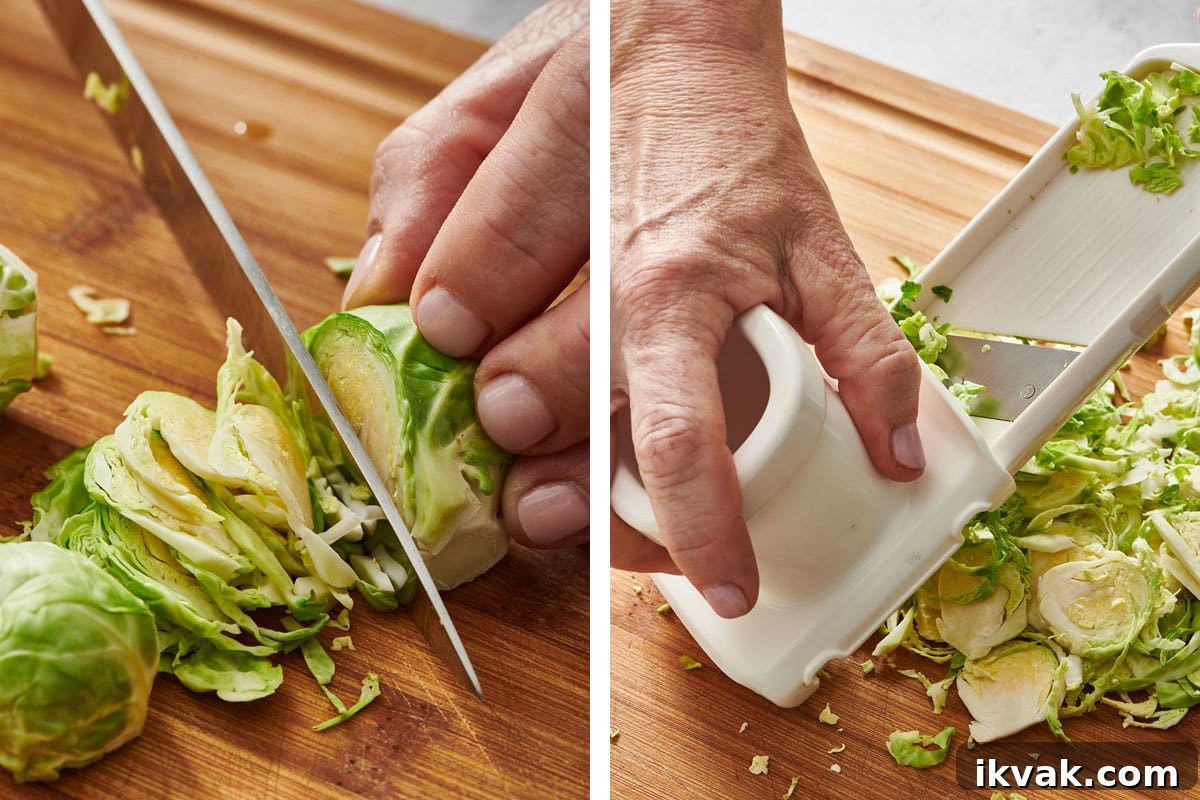
Remove any browned or wilted outer leaves and trim the stem end. If sprouts vary in size, cut the larger ones in half or quarters so they cook evenly. For whole large sprouts, a small X cut in the base helps heat penetrate. You can shred, slice thin, halve, or quarter them depending on the recipe. A sharp knife, mandoline, or food processor slicing blade makes quick work of shredding.
The Best Ways to Cook Brussels Sprouts
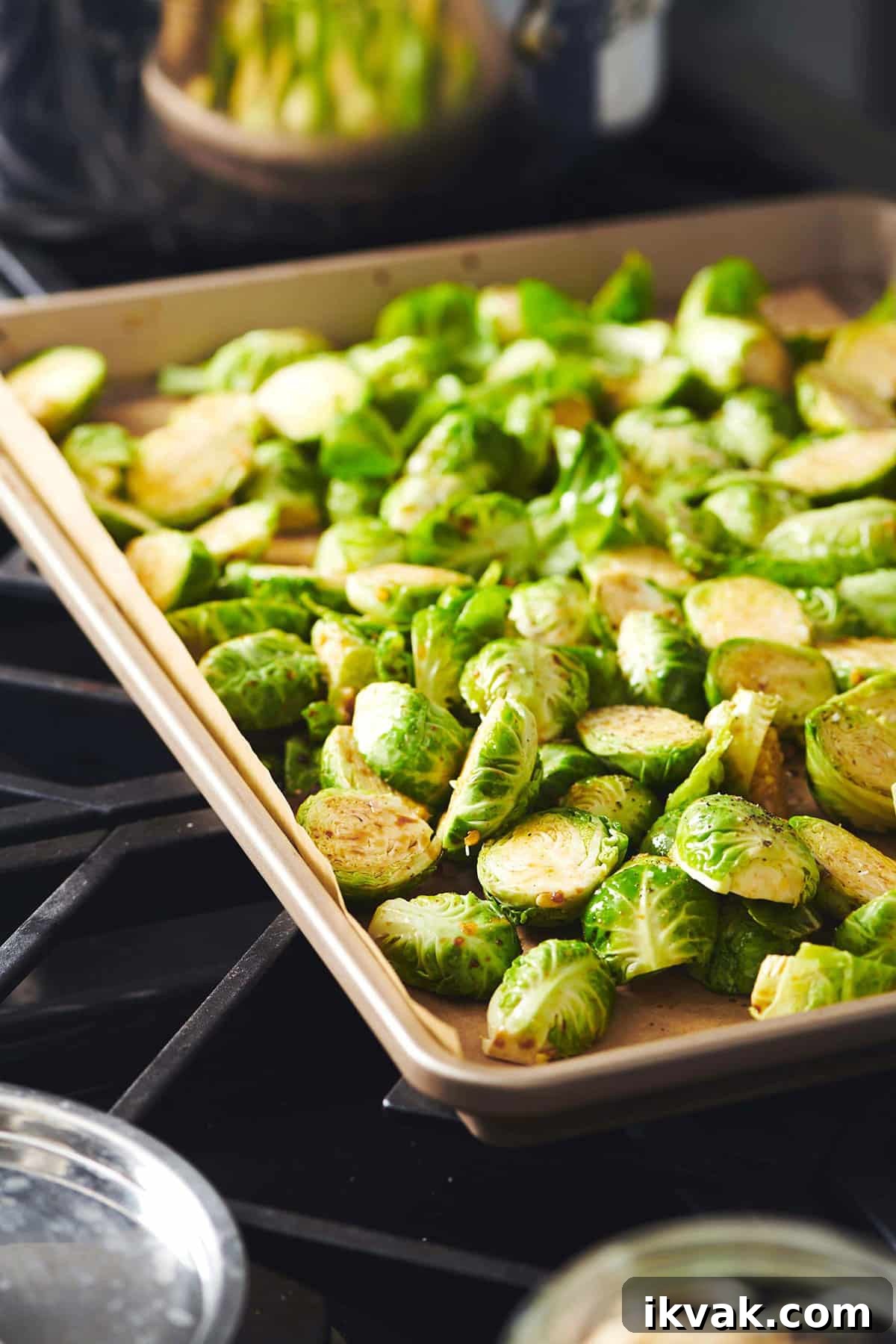
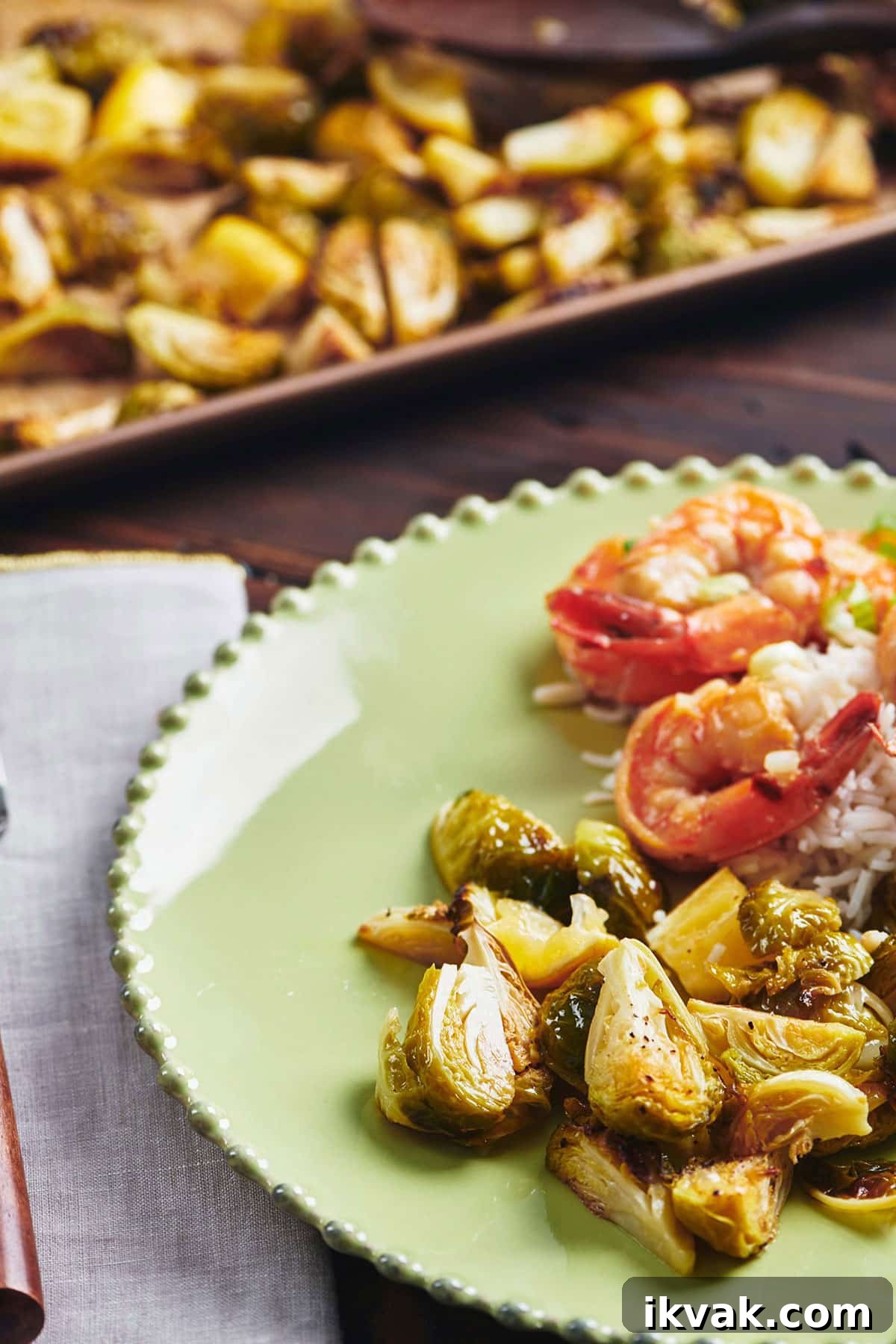
Roasting and sautéing are favorite methods because they concentrate sweet, nutty flavors and add appealing texture. Toss sprouts with olive oil or melted butter, salt, pepper, and a little garlic before roasting or sautéing. Complement them with ingredients like bacon or pancetta, Parmesan, balsamic vinegar, lemon, shallots, or toasted nuts. Shaved raw sprouts also pair beautifully with light vinaigrettes.
Storage
Stored on the stalk in the refrigerator, Brussels sprouts can keep for about two weeks; loose sprouts stored in a bag or airtight container last around a week. They also freeze very well—blanch briefly in boiling water, shock in ice water, dry, and freeze for up to a year. Many commercial Brussels sprouts are sold frozen for convenience.
17 Brussels Sprouts Recipes
Here’s a selection of recipes that showcase different ways to enjoy Brussels sprouts: salads, roasted sides, air-fried crisps, slow-cooker dishes, and more. These recipes highlight the versatility of the vegetable and include options for quick weeknight meals and hands-off holiday sides.
Crispy Brussels Sprouts Salad
Warm Brussels Sprouts Salad with Anchovy Vinaigrette
Air Fryer Brussels Sprouts
Slow Cooker Maple-Dijon Brussels Sprouts
Warm Brussels Sprouts with Bacon and Mustard Vinaigrette
Brussels Sprouts Slaw
Best Parmesan Brussels Sprouts
Shredded Sautéed Brussels Sprouts
Kung Pao Brussels Sprouts
Kimchi Brussels Sprouts
Pan-Roasted Brussels Sprouts with Chorizo and Toasted Breadcrumbs
Cheesy Baked Brussels Sprouts
Bacon-Wrapped Brussels Sprouts
Roasted Honey Mustard Brussels Sprouts
Brussels Sprouts, Pecorino, and Apple Salad
Roasted Lemon Brussels Sprouts
Chili Crunch Brussels Sprouts
Pin this now to find it later
Pin It