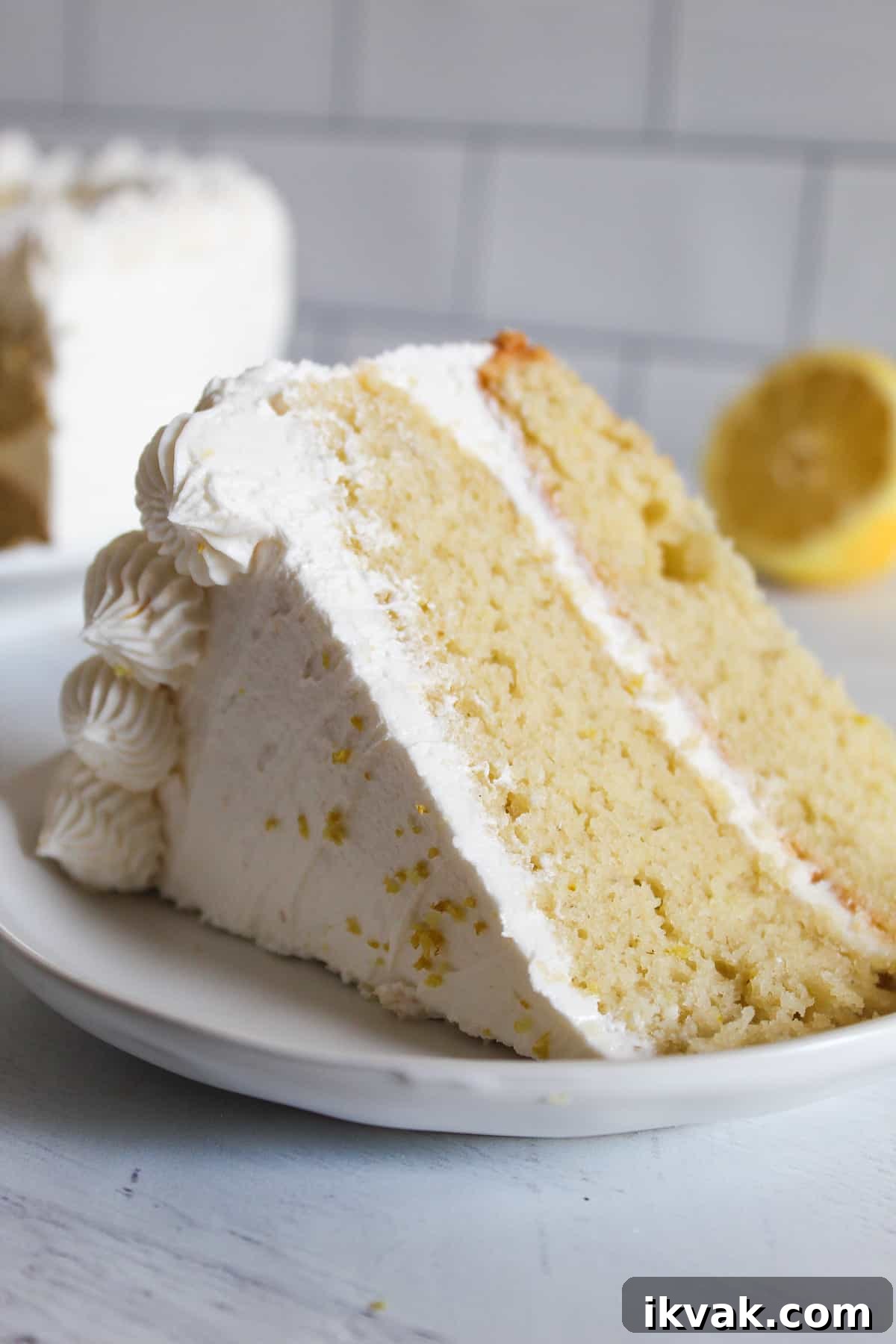
Many gluten-free lemon cake recipes end up dry, dense, or bland. This recipe is different.
Light, tender, and full of fresh lemon flavor, it tastes like a bakery cake but is simple to make at home. Each slice stays moist and delicate, finished with a silky lemon buttercream that complements the crumb perfectly.
Table of Contents
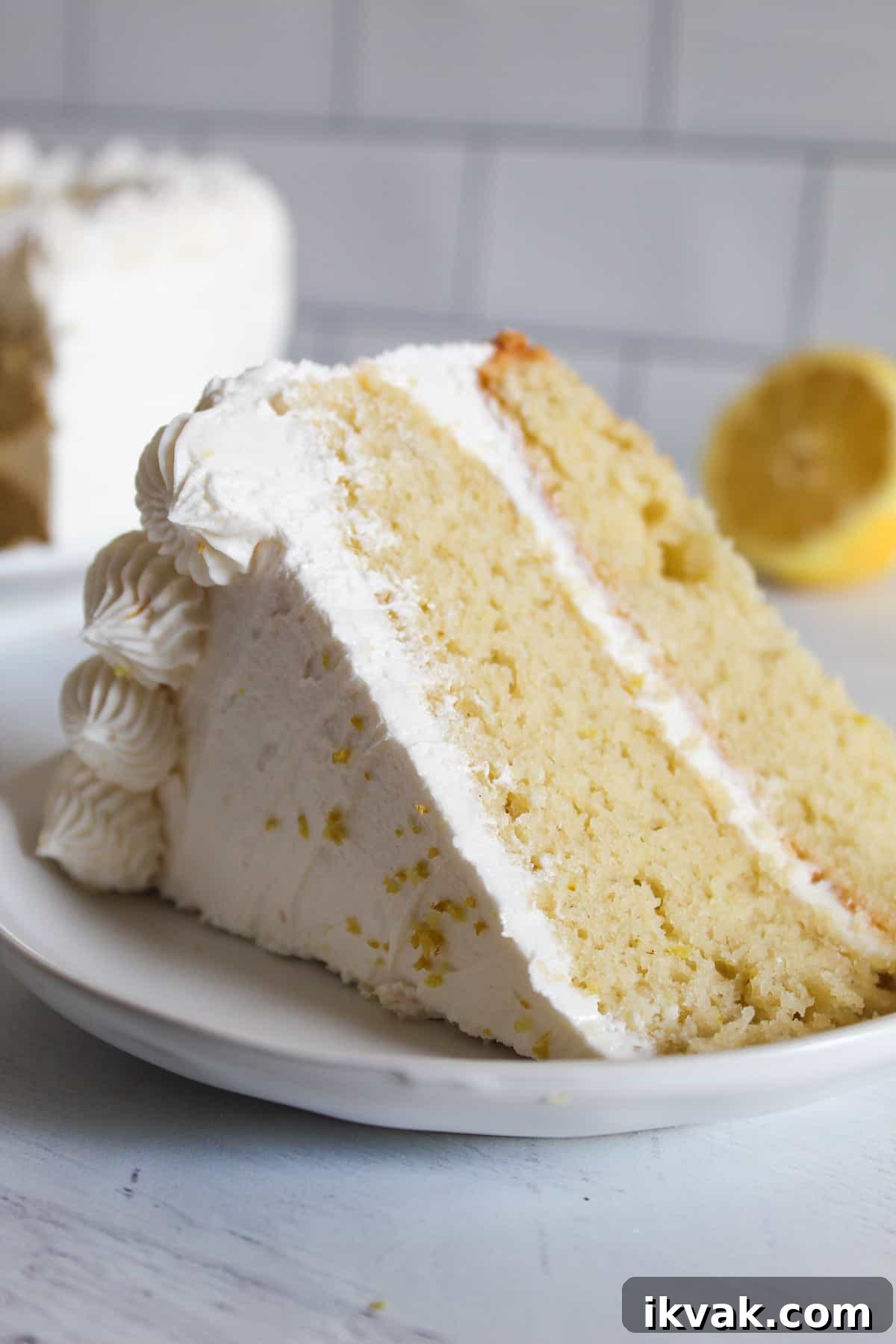
This cake works for birthdays, showers, spring gatherings, or casual weekend treats. It’s the kind people will ask you to bake again and again.
Why You’ll Love This Gluten-Free Lemon Cake
- Soft, moist, and surprisingly fluffy for a gluten-free cake, with a stable crumb that slices cleanly.
- Bright lemon zest in every bite and a light lemon buttercream that adds tang without being overpowering.
- Simple ingredients and a straightforward technique—no obscure items, minimal cleanup, and quick assembly.
- Adaptable to dietary needs with an easy dairy-free option.
- Makes about 12 slices—perfect for celebrations and gatherings.
Ingredient Quick Scan List
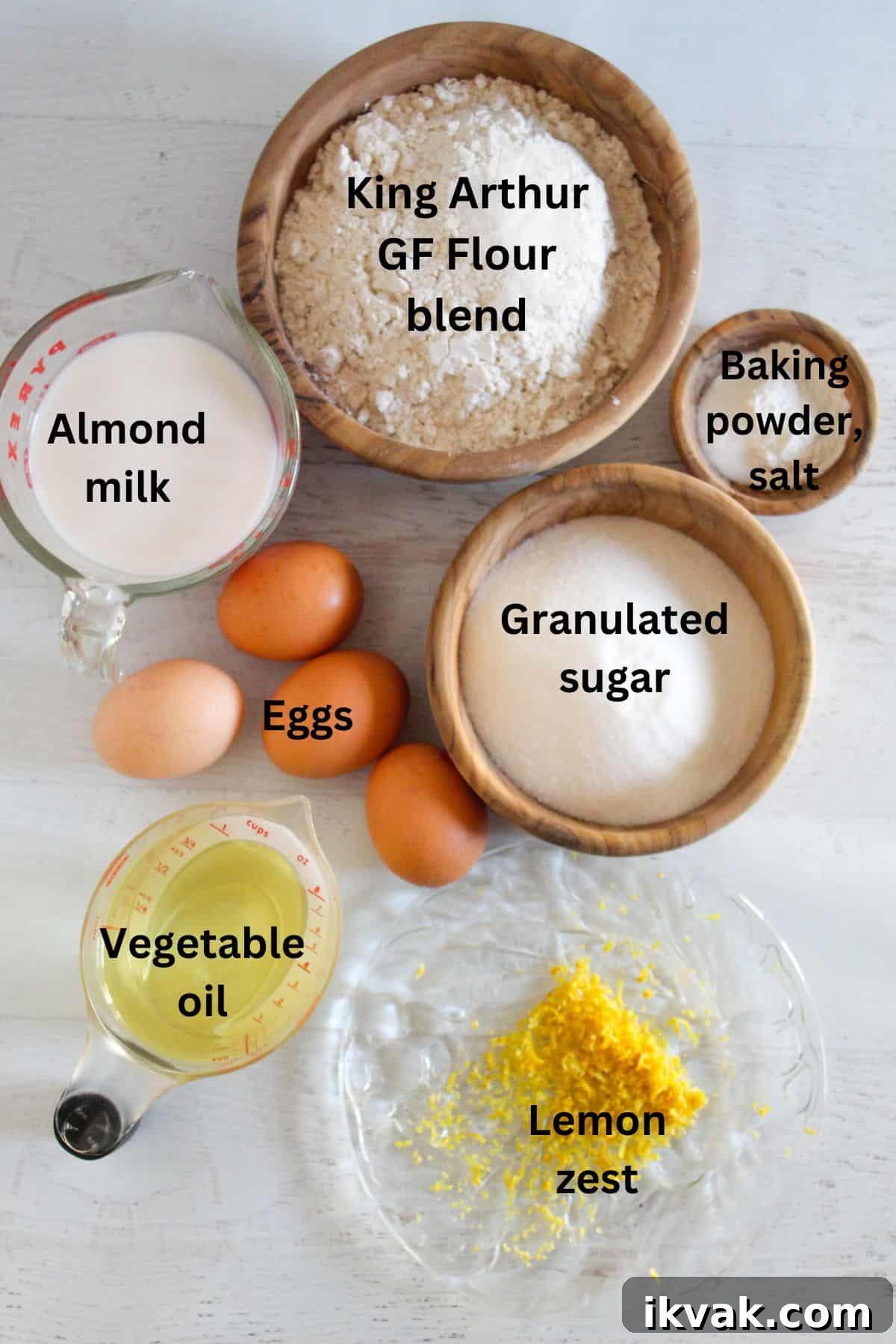
The recipe is refreshingly simple. You only need eight basic ingredients:
- Vegetable oil
- Granulated sugar
- Eggs
- Gluten-free flour mix
- Salt
- Baking powder
- Almond milk
- Lemon zest
Ingredient Roles And Their Best Substitutes
Understanding what each ingredient does helps you get consistent results and choose suitable swaps when needed.
Gluten-free flour mix
This blend provides structure and bulk and lets the lemon shine. For best texture, use a light, all-purpose cup-for-cup mix; avoid substituting single flours.
Vegetable oil
Oil keeps the cake moist and tender without the firmness butter can create. It coats dry particles evenly for a soft crumb.
Granulated sugar
Sugar brightens the lemon flavor and balances acidity. If desired, maple syrup, honey, or coconut sugar can be used but will alter texture and sweetness levels.
Eggs
Egg yolks add richness and emulsification while beaten whites help aerate the batter for lift. For vegan options try chia or flax eggs or commercial egg replacers—expect a slightly denser cake.
Salt
Salt balances sweetness and enhances flavor. Reduce or omit for a low-sodium diet, but a small amount improves the overall taste.
Baking Powder
Baking powder creates lift by releasing carbon dioxide during baking. Use it as directed for the lightest texture.
Almond Milk
Almond milk thins the batter and contributes gentle nuttiness that complements lemon. You can swap coconut or oat milk if preferred.
Lemon Zest
Zest adds concentrated citrus oil for vivid lemon flavor without extra liquid—blooming the zest into the sugar releases those oils and spreads the flavor through the cake.

Printable Gluten-Free Lemon Cake Recipe Card
Ingredients
- 1 cup vegetable oil
- 250 grams granulated sugar (about 1½ cups)
- 4 large eggs
- 330 grams gluten-free flour mix (about 2½ cups)
- ½ teaspoon salt
- 3 teaspoons baking powder
- 1 cup almond milk
- 3 teaspoons lemon zest (about 2 lemons)
- extra lemon zest for decorating
Instructions
- In a large bowl, combine the oil and granulated sugar and mix on low for 1 minute.
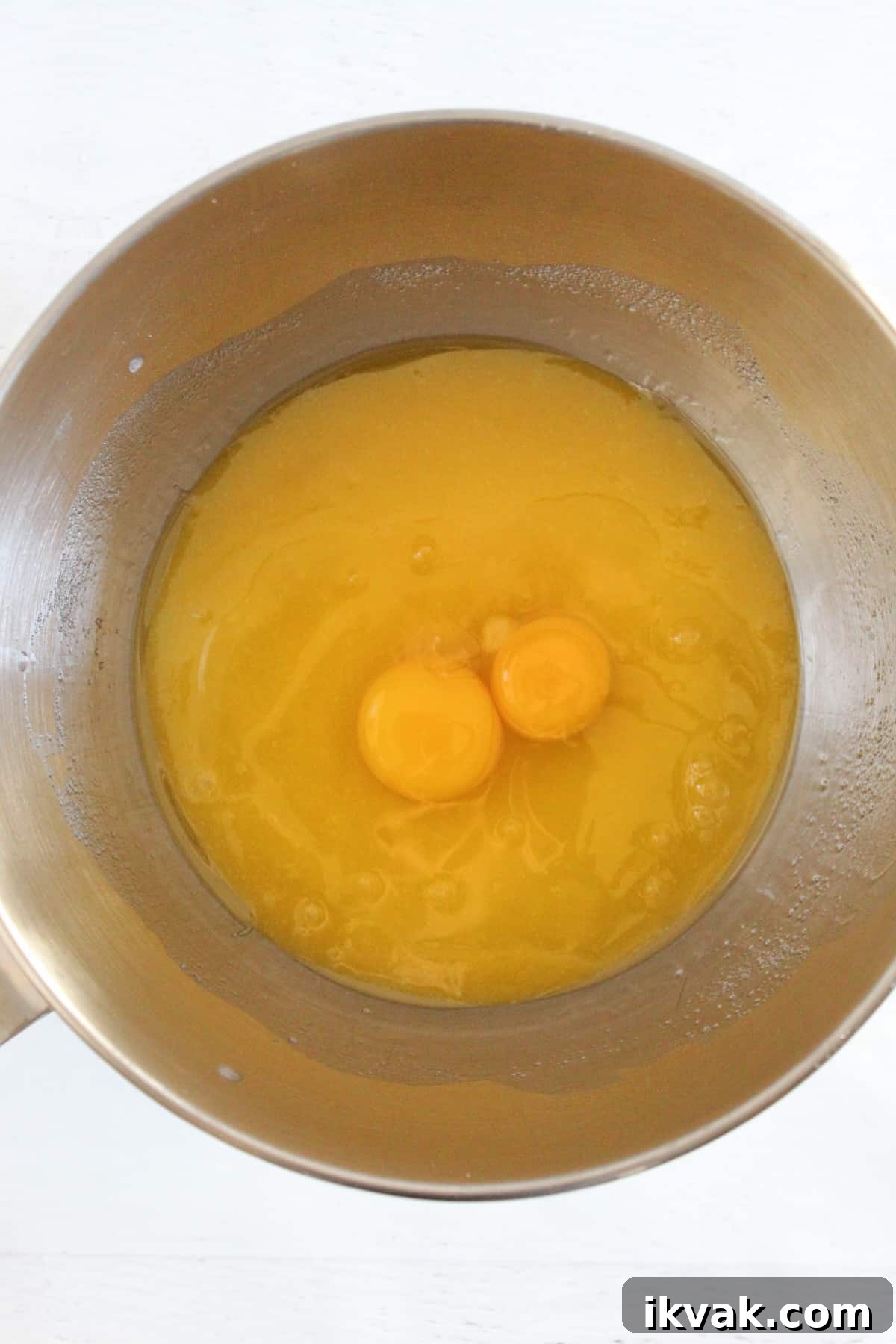
- Add two eggs, mix on medium for 10 seconds, then add the remaining two eggs and mix another 10 seconds.
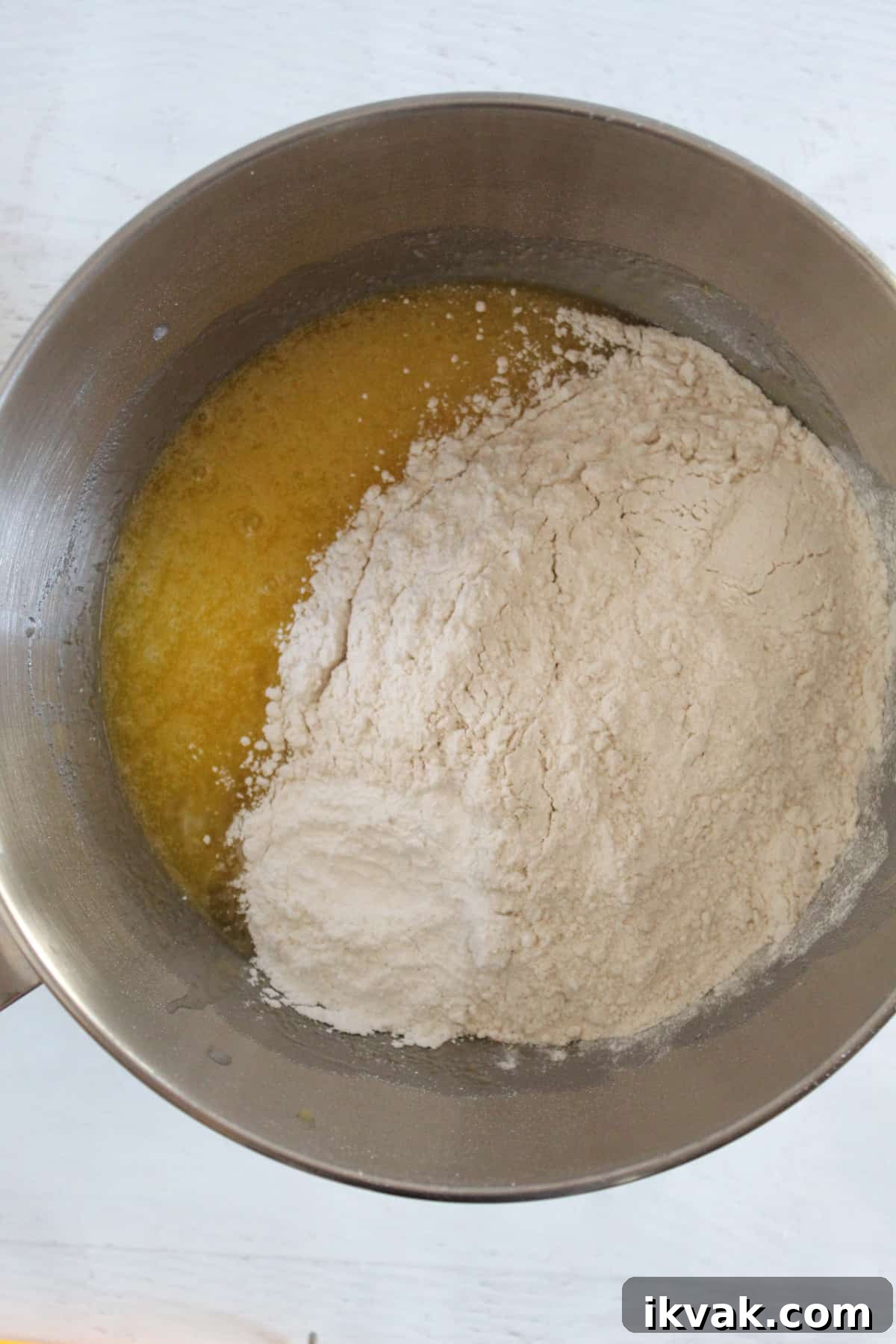
- Add the gluten-free flour mix, salt, and baking powder. Mix on low for about 15 seconds, then scrape down the sides.
- Add almond milk and lemon zest and mix on low until smooth, about 15 seconds.
- Let the batter rest for 30 minutes to hydrate the flour.
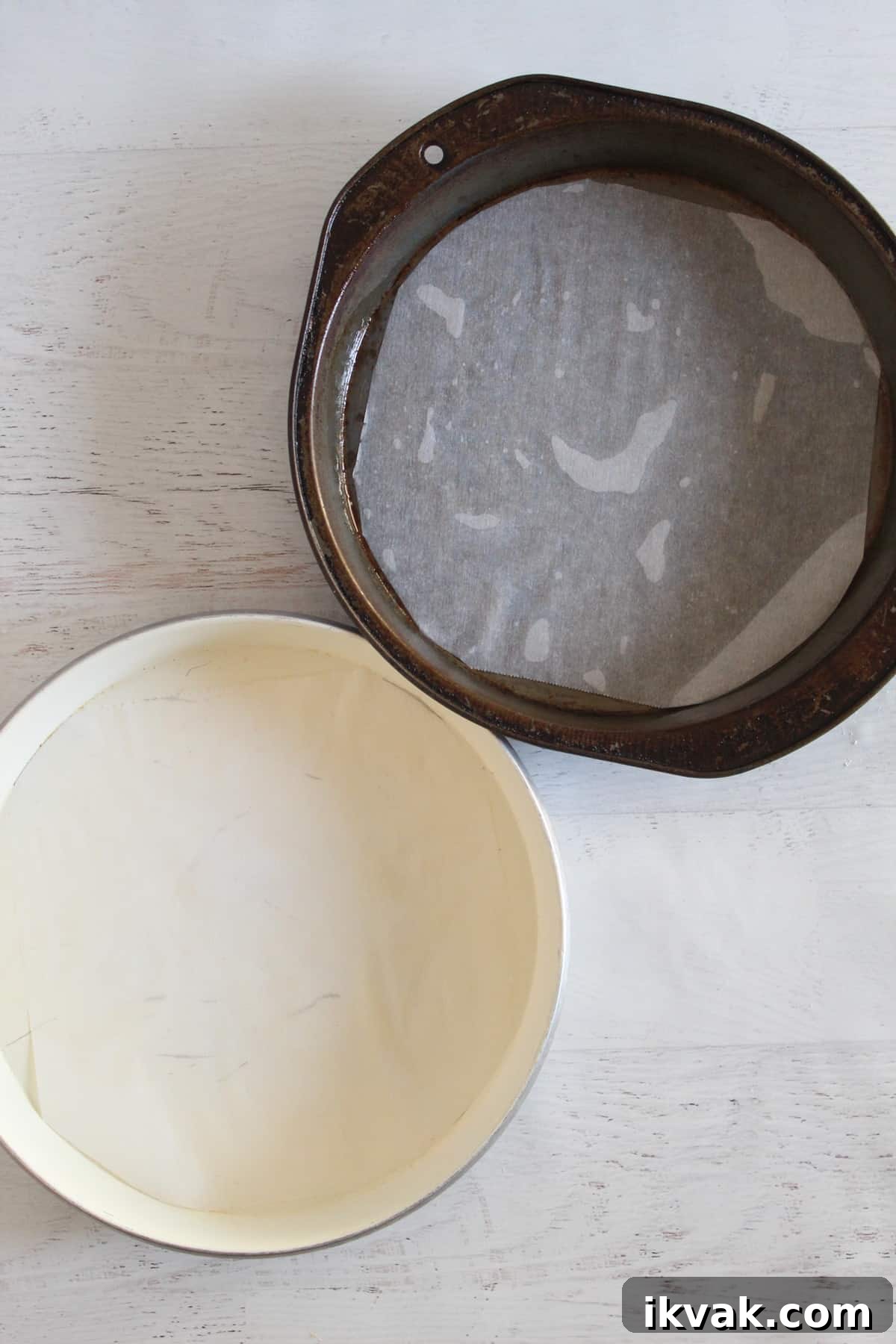
- Preheat the oven to 350°F. Spray two 9″ cake pans and line the bottoms with parchment circles.
- Divide the batter evenly between the pans and bake 25–30 minutes, or until a toothpick comes out clean.
- Cool the cakes in the pans on a wire rack for 15 minutes, then invert and finish cooling until they release from the pans.
- Cool completely before frosting.
Notes
- Bring ingredients to room temperature for best results.
- Mix briefly after adding flour—overmixing can make the cake dense.
- Fit parchment to the bottom of the 9″ pans for easy release.
- Cool completely before frosting; use a lemon buttercream for the best balance.
- This batter makes about 24 cupcakes—bake at the same temperature and check at 22 minutes.
- Alternatively bake in a 9″ x 13″ pan; start checking for doneness around 30 minutes.
Storage Notes
- Bake layers a day ahead and frost the next day if needed.
- Store frosted cake in the fridge up to 2 days; freeze individual slices for longer storage.
Nutrition
|
Calories: 368kcal
|
Carbohydrates: 44g
|
Protein: 5g
Did you make and love this recipe? Leave a review and rating below!
How to Make Moist Gluten-Free Lemon Cake
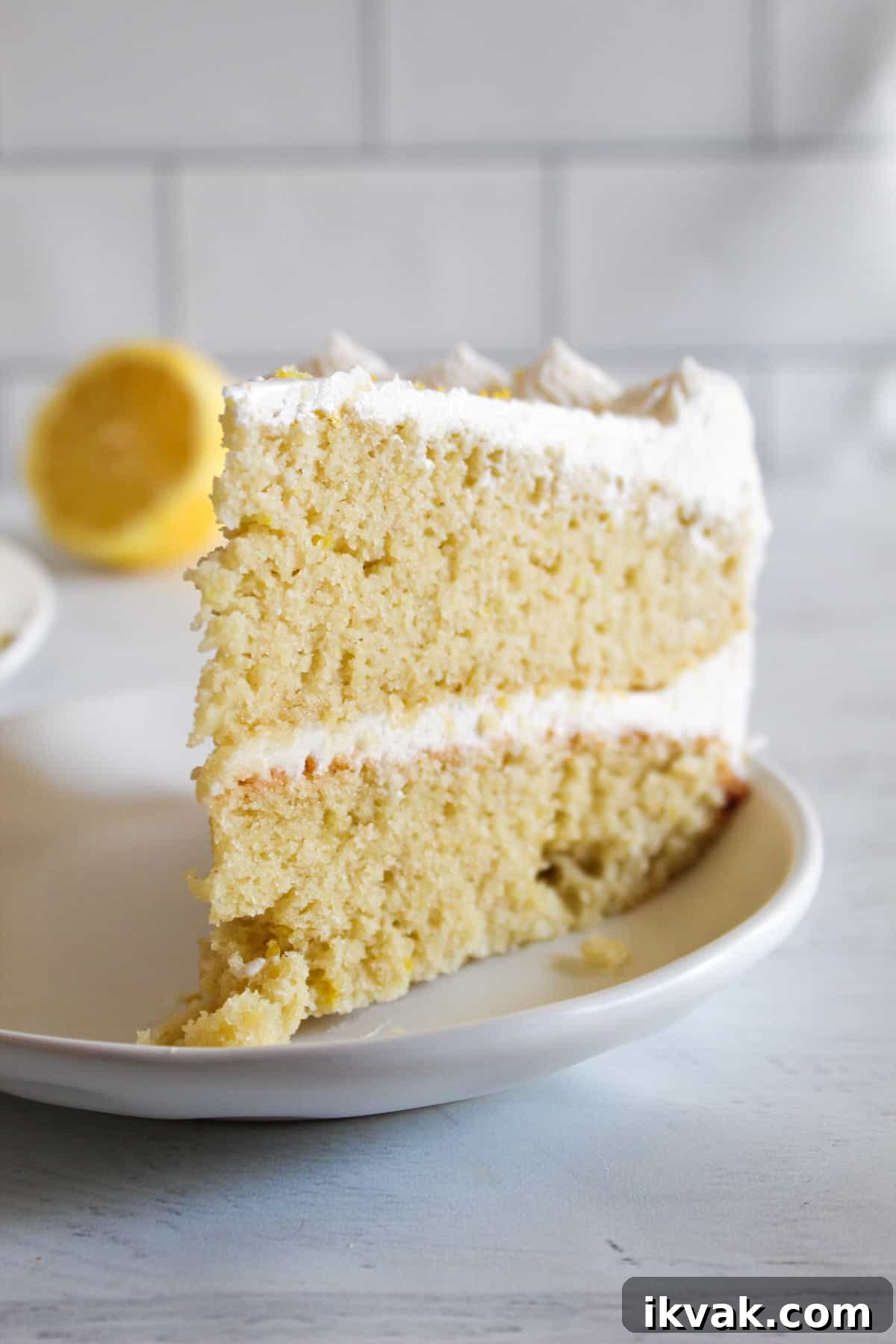
Follow these steps for a moist, tender cake with vibrant lemon flavor.
Essential Kitchen Tools
Have these on hand for best results:
- Electric hand mixer or stand mixer
- Large mixing bowl
- Measuring cups and spoons or a kitchen scale
- Microplane or fine grater for zesting
- Two 9″ round cake pans and parchment
- Wire cooling rack
- Toothpick to test doneness
- Rubber spatula for scraping and folding
Step 1: Prep The Oven
Preheat the oven to 350°F. Spray two 9-inch pans and line the bottoms with parchment.
Step 2: Zest The Lemons
Zest the lemons and rub the zest into the granulated sugar with your fingertips to release the citrus oils for maximum flavor.
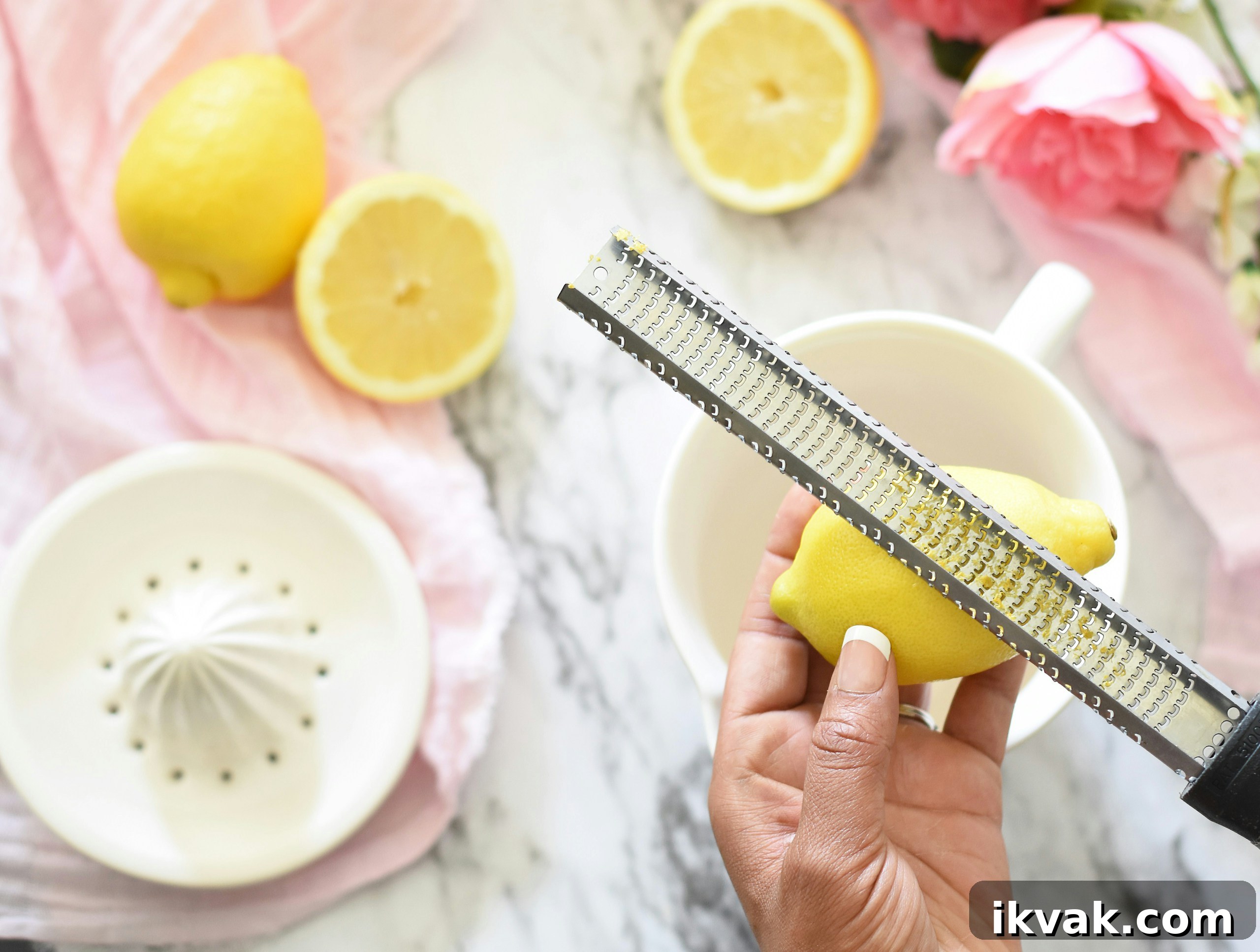
Zesting a Lemon
- Wash and dry the lemon.
- Use a fine grater or microplane and remove only the colored peel—avoid the bitter white pith.
- Zest just before using to capture the freshest aroma and oils.
Step 3: Mix The Wet Ingredients
In a large bowl, beat oil and the zested sugar until light, then add eggs and mix briefly until combined.
Step 4: Add The Dry Ingredients
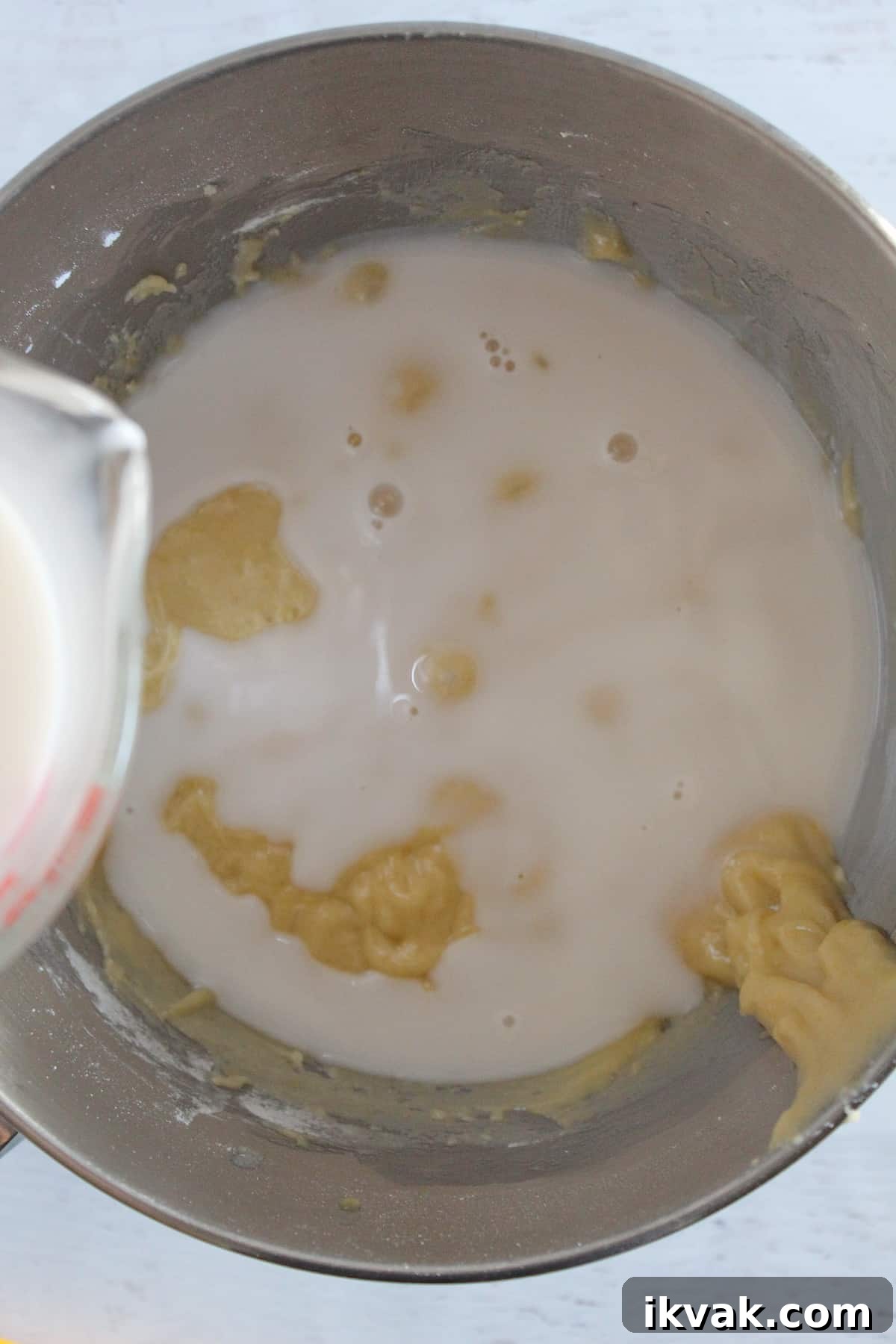
Fold in the gluten-free flour mix, salt, and baking powder on low speed until just combined. Scrape the bowl, then add milk and zest and mix until smooth.
Add the milk and lemon zest and mix only until no lumps remain.
Step 5: Let The Batter Rest
Scrape the bowl and let the batter rest for 30 minutes so the flours fully hydrate and the texture improves.
Step 6: Bake
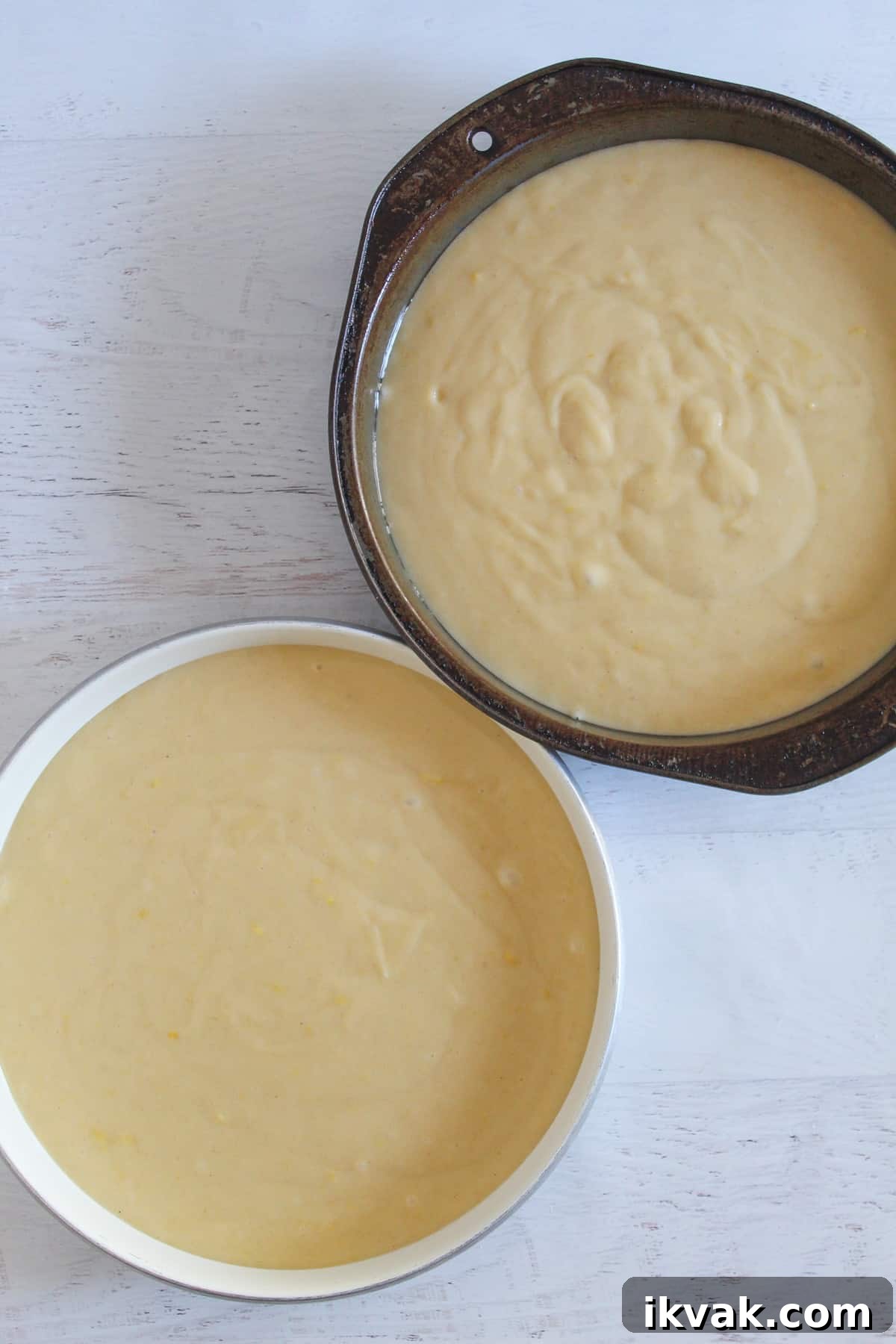
Pour batter into prepared pans and bake at 350°F for 25–28 minutes, or until a toothpick inserted into the center comes out clean.
Step 7: Cool The Cake
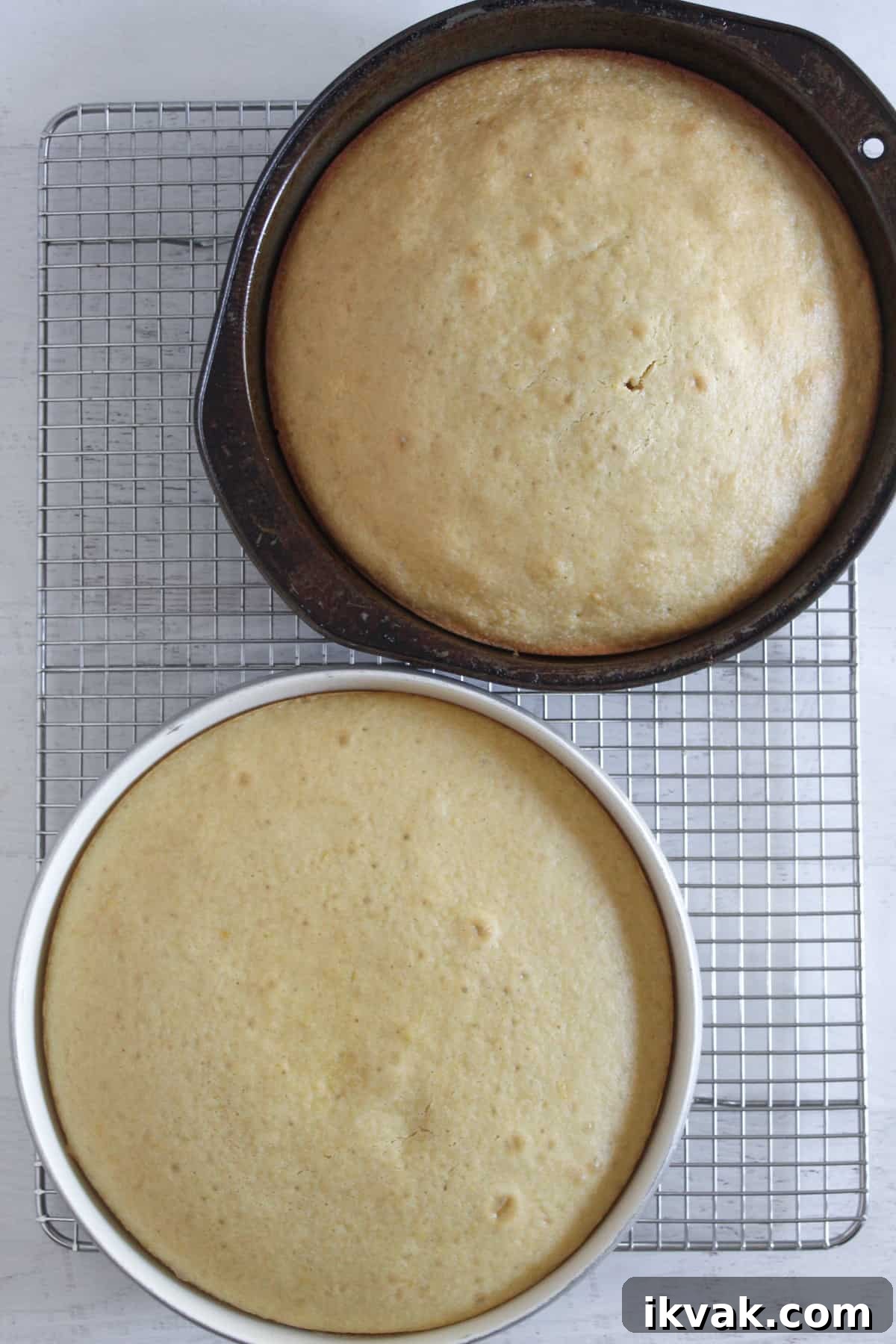
Let the cakes cool in the pans for 15 minutes, then invert onto a wire rack and cool completely before frosting.
Step 8: Frost The Cake
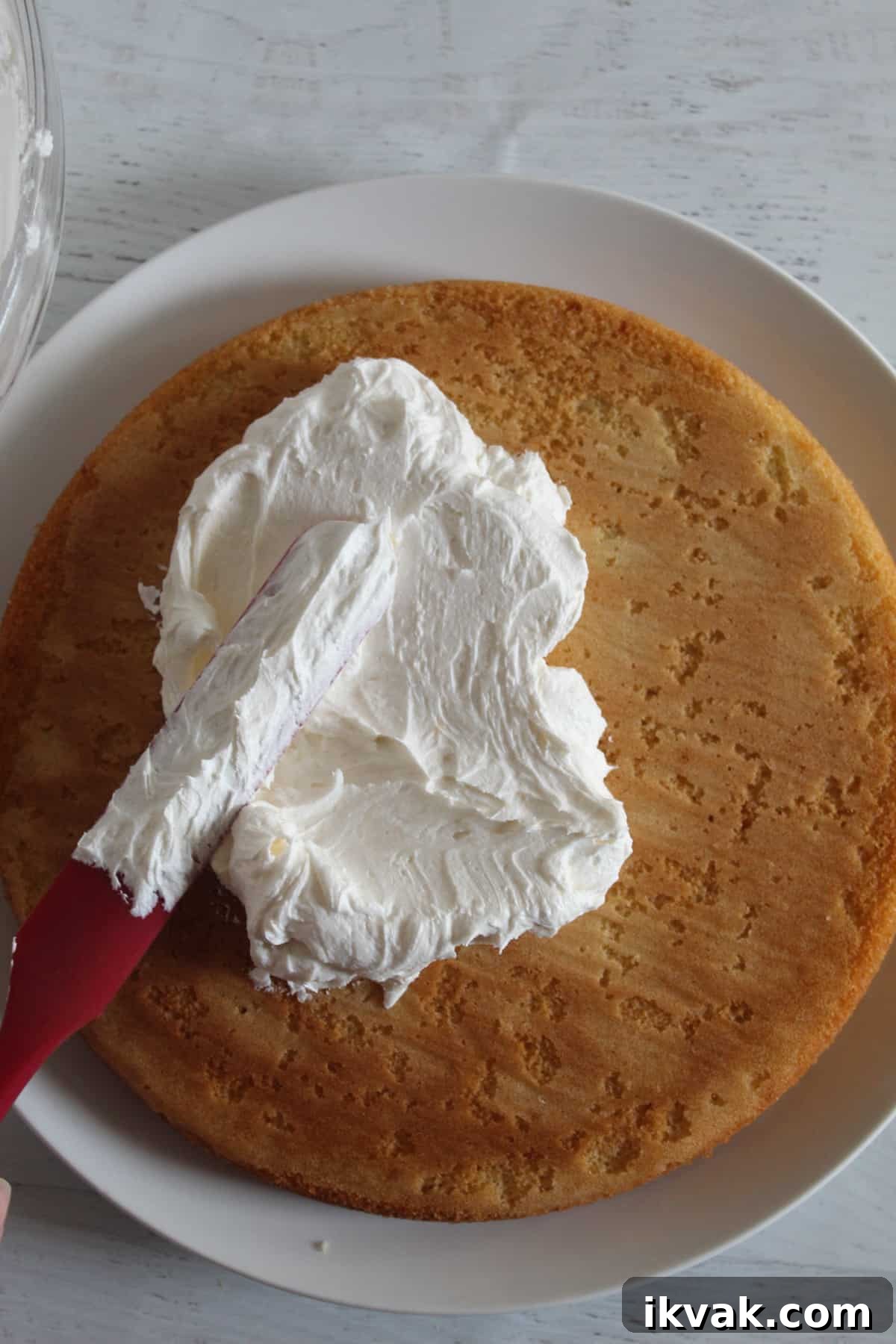
Cool completely before frosting. Spread a dollop of lemon buttercream between layers and use 2/3–1 cup of frosting for the middle layer, reserving the rest to frost the top and sides.
Lemon Buttercream Frosting and Decorating
A simple lemon buttercream pairs ideally with the cake. It’s creamy, tangy, and quick to make—about four ingredients and ten minutes.
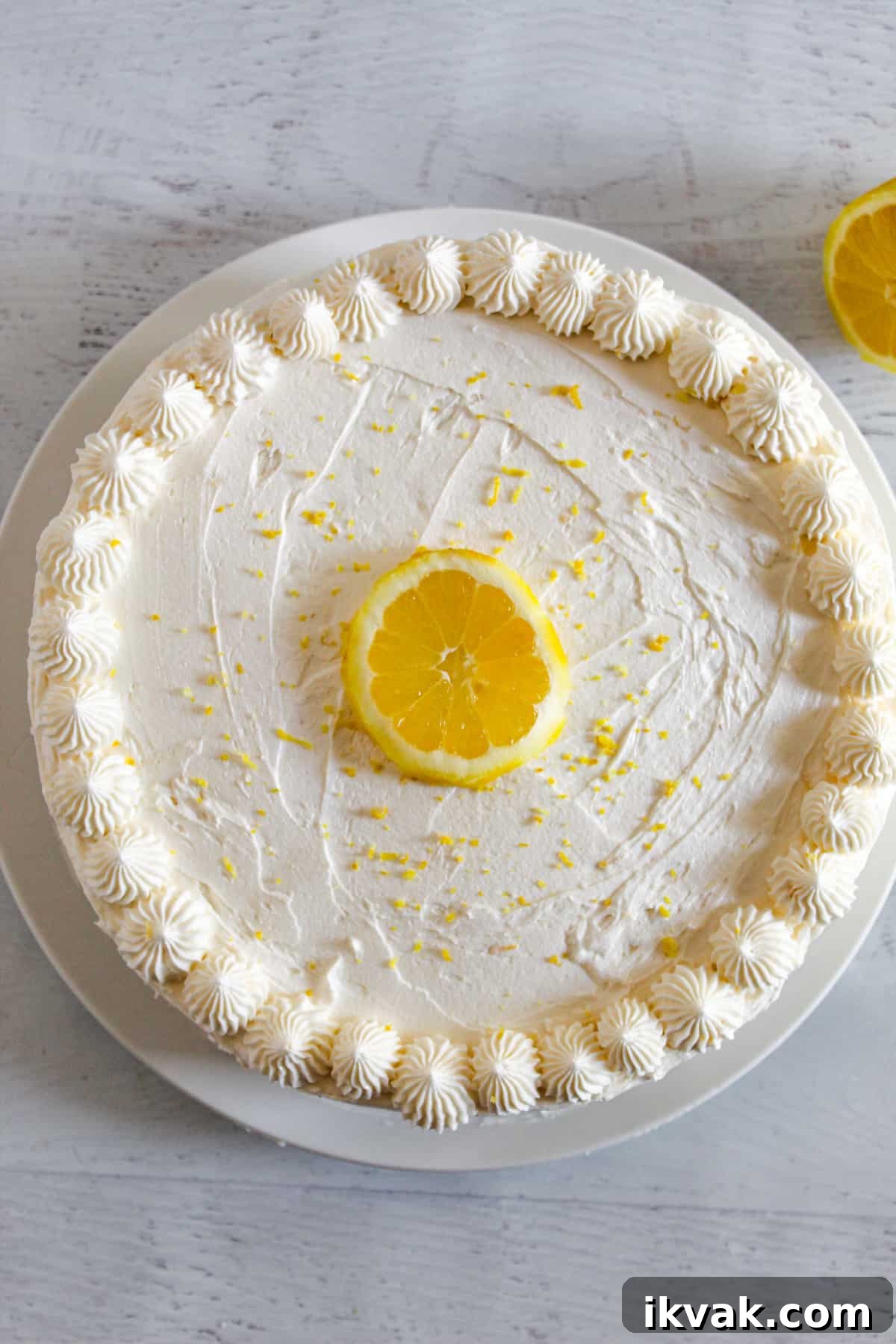
To finish: place one layer on the serving plate, spread frosting, top with the second layer, frost the top and sides, and pipe decorative stars if desired. Finish with extra lemon zest or a light dusting of colored sugar.
Expert Tips for Baking The Perfect Gluten-Free Lemon Cake
These tips help ensure consistent success:
- Choose a cup-for-cup gluten-free blend that includes xanthan gum to mimic gluten’s elasticity.
- Weigh ingredients where possible for accuracy.
- Rub lemon zest into the sugar to release essential oils and boost flavor.
- Mix just until combined to avoid a heavy crumb.
- Let the batter rest briefly to hydrate the flours before baking.
The Secret to Well-Balanced Lemon Taste
Balance is key: enough sugar and fat to round the lemon’s brightness without dulling it, and a lemon buttercream to add a fresh top note.
1. Bloom the zest in the sugar.
Rub zest into sugar until fragrant so the oils disperse evenly through the batter.
2. Balance acidity with sweetness and fat.
Sugar and oil tame sharp acidity and make the lemon flavor rounded and pleasant.
3. Finish with the lemon buttercream.
A lemon buttercream adds concentrated citrus without making the baked cake soggy, enhancing each bite.
Effective Solutions for Common Baking Problems
Here are quick fixes for common issues so you can troubleshoot with confidence.
Cake Dry
Prevent dryness by checking early for doneness, measuring flour accurately, and avoiding overbaking. Reduce oven temperature slightly if your oven runs hot.
Cake Sticking to Pan
Grease and line pans with parchment and cool briefly before inverting to avoid tearing.
Cake Sinking
Avoid opening the oven in the first 20–30 minutes and ensure baking powder is fresh.
Weak or flat lemon flavor
Use fresh zest and rub it into the sugar to amplify flavor. Finish with lemon buttercream for extra brightness.
Why Is This Gluten Free Lemon Cake More Beneficial?
This gluten-free version offers a safe option for those avoiding wheat and allows you to control ingredients, sugar, and flour choices for a potentially more nutritious dessert.
Gluten‑free and grain‑sensitive friendly
Using a gluten-free blend makes this cake suitable for people with coeliac disease, gluten sensitivities, or wheat allergies.
Opportunity for better ingredient choices
Choose flour blends higher in fiber and protein, reduce sugar if desired, and rely on fresh zest to keep flavor bright with less added sweetness.
Source of micronutrients
The recipe supplies modest amounts of protein from eggs and micronutrients like calcium and iron depending on ingredient choices; lemon zest adds a small boost of vitamin C.
Creative Variations for This Gluten-Free Lemon Cake
Try these variations to change the cake’s format or flavor while keeping the lemon core.

Lemon‑filled layer cake
Bake extra layers and fill with lemon curd before frosting for a showstopping, tangy center.
Lemon drizzle or loaf version
Bake in a loaf or bundt pan and pour a warm lemon syrup or glaze over the hot cake for a moist, intensely lemony finish.
Vegan variation
Replace eggs with flax or chia eggs or a commercial egg replacer to make the cake vegan; expect a slightly different crumb.
Flavor‑pairing twists
Combine lemon with berries, poppy seeds, or a light chocolate accent to create seasonal or festive variations.
How to Properly Store, Freeze, and Reheat Your Cake
Store and reheat with care to preserve moisture and flavor.
Storing At Room Temperature
Wrap cooled cake or place in an airtight container. Unfrosted cake keeps 1–2 days, frosted cake 2–3 days depending on the frosting.
Fridge Storage
If you won’t finish the cake quickly or the frosting is dairy-based, refrigerate in a sealed container or tightly wrapped.
Freezing Unfrosted Layers & Cakes
Cool completely, wrap layers in plastic and foil or place in a freezer bag. Freeze up to 3 months and thaw before frosting.
Freezing Frosted Cake Or Slices
Flash-freeze uncovered for 15–20 minutes to set the frosting, then wrap tightly. Freeze slices in airtight bags for 1–3 months.
Reheating Tips
Thaw frozen cake at room temperature for 2–4 hours or in the fridge overnight. Serve at room temperature for best texture.
Frosting Storage
Store buttercream in an airtight container; press plastic wrap on the surface to prevent a crust. Most buttercream lasts about two weeks refrigerated.
Frequently Asked Questions (FAQs)
Short answers to common questions about this gluten-free lemon cake.
Can I make this cake vegan?
Yes. Use an egg substitute such as flax or chia eggs or a commercial replacer.
Can this recipe be made into cupcakes?
Yes. The batter yields about 24 cupcakes; bake at 350°F and check for doneness at 22 minutes.
Can I freeze lemon cake?
Yes. Slice and freeze in airtight bags. Thaw at room temperature or in the microwave when ready to serve.
Can I use any gluten‑free flour mix?
Use a light, all-purpose cup-for-cup blend that contains xanthan gum for best cake texture.
Can I Make This Ahead?
Yes. Bake the layers a day ahead and frost just before serving for the freshest results.
More Desserts You’ll Love
If you enjoy lemon desserts, try other lemon-forward bakes like scones, poppy seed muffins, or lemon shortbread for more citrus inspiration.
Let Us Know in the Comments!
Try the recipe and share your results: did you frost it or enjoy it plain? What flavor combinations did you try and for what occasion? Your notes help other bakers adapt and enjoy this cake.