
Awareness of a keto diet has surged as more people discover lasting health improvements from simple changes to what they eat. Many report relief from long-standing issues and a steady upgrade in day-to-day wellbeing.
Why is it so popular?
Because a well-formulated ketogenic diet works.
Recommended: A simple overview on a ketogenic diet
A ketogenic diet is very low in carbohydrates. In the absence of glucose the body shifts its metabolism to burn fats and produce ketones for fuel. In short, we become fat burners rather than sugar burners.
For a diet to be sustainable it must deliver multiple benefits, not just weight loss. While keto is an effective and enjoyable way to lose fat, it also supports energy stability, metabolic health, and cognitive function.
Jump To:
What are the Benefits of a Ketogenic Diet?
Many people report four core benefits from following a ketogenic approach:
Fat loss
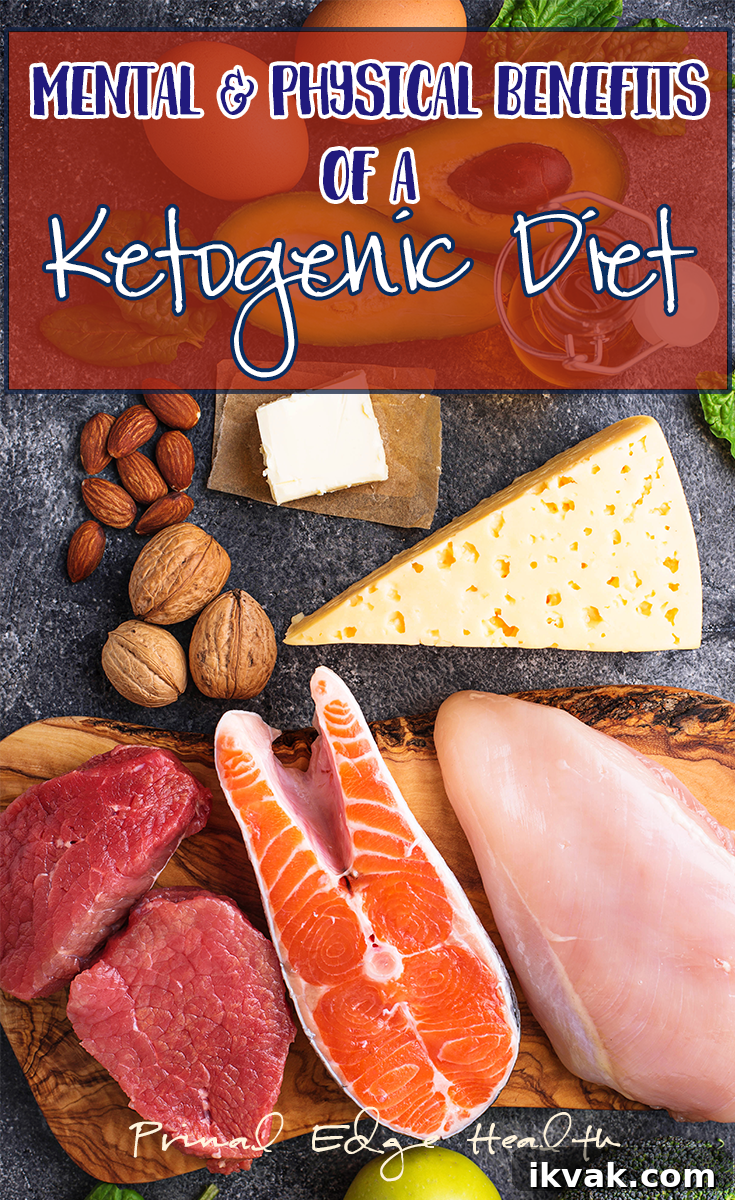
Clinical comparisons of low-carb versus low-fat diets consistently show greater short- to medium-term weight loss on low-carbohydrate plans. Protein is the most satisfying macronutrient, so build meals around quality protein, add healthy fats for steady fuel, and include non-starchy, low-carb vegetables—salad greens, cucumbers, bell peppers, and avocado—to provide fiber and micronutrients.
Stable Blood Sugar Levels
Switching to proteins and fats stabilizes blood sugar and prevents the frequent spikes and crashes that cause energy swings and cravings. This steady energy profile supports daily productivity and mood.
For many people with type 2 diabetes or prediabetes, carbohydrate reduction is an effective strategy to manage—and in some cases reverse—the condition. As blood glucose and insulin demands fall, medication needs often decrease.
Improved Biomarkers of General Health
On many high-fat, low-carb plans, HDL (the “good” cholesterol) tends to rise while triglycerides fall—changes associated with reduced cardiovascular risk. Some people also experience reductions in LDL and improvements in blood pressure after cutting refined carbohydrates.
Recommended: Learn more about cholesterol and ketogenic diets here
Increased mental health and performance
The brain runs very well on a fat-based metabolism. Many people adopt keto specifically for cognitive benefits: reduced brain fog, better focus, and clearer thinking. Some also report improvements in mood and reductions in anxiety or depressive symptoms.
Researchers are exploring low-carb and ketogenic approaches for neurodegenerative conditions like Alzheimer’s disease. Ketones have been associated with improved memory and cognitive function, and therapeutic ketosis has long been used to control epilepsy in certain patients.
Improve Mood, Cognition, and More
Other Benefits of a Ketogenic Diet
Improved digestion
Reducing grains, refined sugars, and ultra-processed foods often eases gastrointestinal symptoms like gas, bloating, constipation, cramps, and heartburn. Some people with IBS or inflammatory bowel conditions notice improvements after removing high-carb processed foods and additives from their diets.
Clearer skin
Acne, rashes, and eczema can reflect dietary and environmental stressors. Many people see clearer skin as they remove refined carbohydrates and highly processed foods. Low-glycemic and ketogenic approaches have been linked to improved acne symptoms in some studies.
Lower hunger
Protein and fat together provide lasting satiety and steady energy, reducing cravings and the need for frequent snacks. Keto is not a low-calorie crash diet—it emphasizes nutrient-dense, satisfying foods that support longer-term adherence.
One of my favorite aspects of KETO
Appetite suppression
Nourishing the body with nutrient-dense whole foods instead of processed, low-quality options naturally reduces appetite and the urge to overeat. Proper protein and fat at meals keeps you satisfied longer.
Elimination of sugar cravings
Over time, many people report that sugar cravings fade as their taste preferences adapt to savory, fatty, and salty foods that provide steady fuel and satisfaction.
Heal disordered eating
Shifting toward real, unrefined foods can stabilize energy and stress responses—two common triggers for binge and emotional eating. Recovery can require patience, experimentation, and support. If tailored guidance is needed, professional coaching or community programs can help refine the approach.
Less migraines
Ketogenic diets have shown therapeutic benefit for some neurological conditions, including migraine in certain individuals. Improved metabolic stability and reduced inflammation may underlie these effects.
Long-term success and results
For many, keto ends cycles of yo-yo dieting. As a sustainable lifestyle focused on real food, it supports lasting weight management, improved energy, and a more consistent relationship with food.
Recommended: Read a personal story about overcoming binge eating
The benefits of a ketogenic diet are broad and interrelated: gut health influences mood, energy levels affect cognitive performance, and reduced inflammation supports overall physiology. Many people experience weight loss, less pain, improved mood, and steadier energy across the day.
Transitioning into ketosis usually takes a few days of adaptation. After that initial period, many find fat loss and improved energy become easier to maintain. For personalized support, private coaching and community-based programs are available to help with tough situations and plateaus.
If you’re ready to go – check out our cookbook!
The Ketogenic Edge Cookbook offers practical advice and more than 130 recipes using whole-food ingredients to simplify your ketogenic lifestyle and support long-term success.
Footnotes
1. https://www.ncbi.nlm.nih.gov/pubmed/26485706
2. https://onlinelibrary.wiley.com/doi/full/10.1002/osp4.23
3. https://www.ncbi.nlm.nih.gov/pubmed/29522789
4. https://www.ncbi.nlm.nih.gov/pubmed/16652223
5. https://www.ncbi.nlm.nih.gov/pmc/articles/PMC2716748/
6. https://www.ncbi.nlm.nih.gov/pubmed/23651522
7. https://openheart.bmj.com/content/1/1/e000167
8. https://www.sciencedirect.com/science/article/pii/S2213453016301355#sec0040
9. https://blogs.plos.org/neuro/2016/07/16/ketones-to-combat-alzheimers-disease/
10. https://www.ncbi.nlm.nih.gov/pubmed/21130529
11. https://www.ncbi.nlm.nih.gov/pmc/articles/PMC3321471/
12. https://www.ncbi.nlm.nih.gov/pubmed/29610033
13. https://www.ncbi.nlm.nih.gov/pubmed/28915401
14. https://www.ncbi.nlm.nih.gov/pubmed/17448569