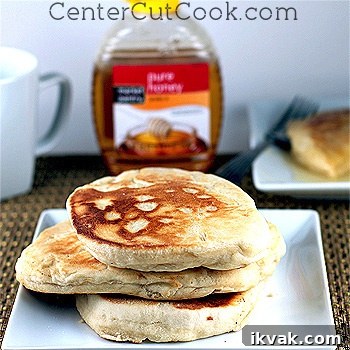
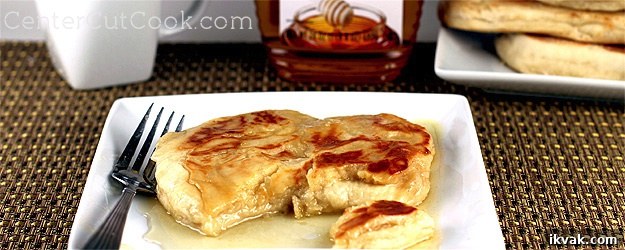
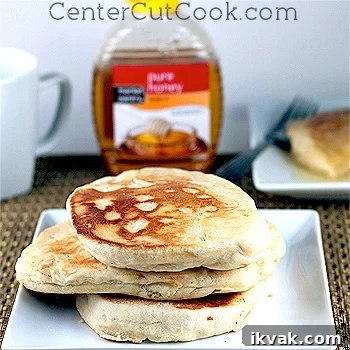
When you hear the word “scone,” you might picture the cake-like pastries behind a coffee shop counter—sweet, often studded with blueberries, apples, pumpkin, or cinnamon. Those familiar scones tend to be more like a dense, tender cake. The scones in this recipe are very different: they are a treasured family tradition, pan-fried from a yeast dough and best enjoyed warm with butter and honey.
This recipe comes from my Granny, passed down to my mother and then to me. After some digging I discovered that this style of scone likely originated in Utah, which makes sense given my grandmother’s roots there. These scones are especially popular for holiday breakfasts or any morning you want something comforting and special.
Unlike the baked, quickbread-style scones many people expect, these are made from a yeast dough and cooked in a skillet. The texture is more roll-like than cake-like, with a crisp golden exterior and a soft, airy interior. Serve them hot with a generous pat of butter and a drizzle of honey—though jams and jellies also work, honey is the classic pairing.
The dough is essentially a yeast dinner-roll dough, which also makes excellent rolls. You can use almost any basic yeast roll recipe, but the version below is the one our family uses and loves. The dough will be slightly sticky; that’s normal and helps give the scones their tender crumb.
If you haven’t tried a pan-fried scone before, it’s worth making the dough now. Cook them slowly over moderate heat so they brown evenly and cook through without becoming doughy in the center.
INGREDIENTS
- 2 packages active dry yeast
- 1/2 cup warm water
- 1 tablespoon sugar (for activating yeast)
- 1 cup scalded milk, cooled
- 1/3 cup shortening, melted and cooled
- 1/3 cup sugar
- 2 teaspoons salt
- 2 eggs, beaten
- About 5 cups all-purpose flour
DIRECTIONS
- Combine yeast, warm water, and 1 tablespoon sugar. Let sit 10–15 minutes until foamy.
- Scald the milk and allow it to cool slightly. Stir in the melted shortening, 1/3 cup sugar, and salt.
- Add the beaten eggs, the activated yeast, and the flour one cup at a time, mixing well. The dough will be sticky—this is expected.
- Lightly flour a countertop or board. Divide the dough into 8–10 equal portions, depending on desired size.
- Shape each portion into a round disc about 1/2 inch thick.
- Heat a large skillet over medium-low heat and melt about 1 tablespoon of butter. Adjust the heat so the scones cook through without burning.
- Place scones in the skillet. Cook until the bottom is golden brown, then flip and cook the other side until golden and cooked through.
- Serve hot with butter and a generous drizzle of honey. Jams or jellies are fine alternatives, but honey is traditional and delicious.
- If the pan is too hot the exterior will brown before the center cooks. Keep the heat moderate so the scones bake through evenly with a tender interior.