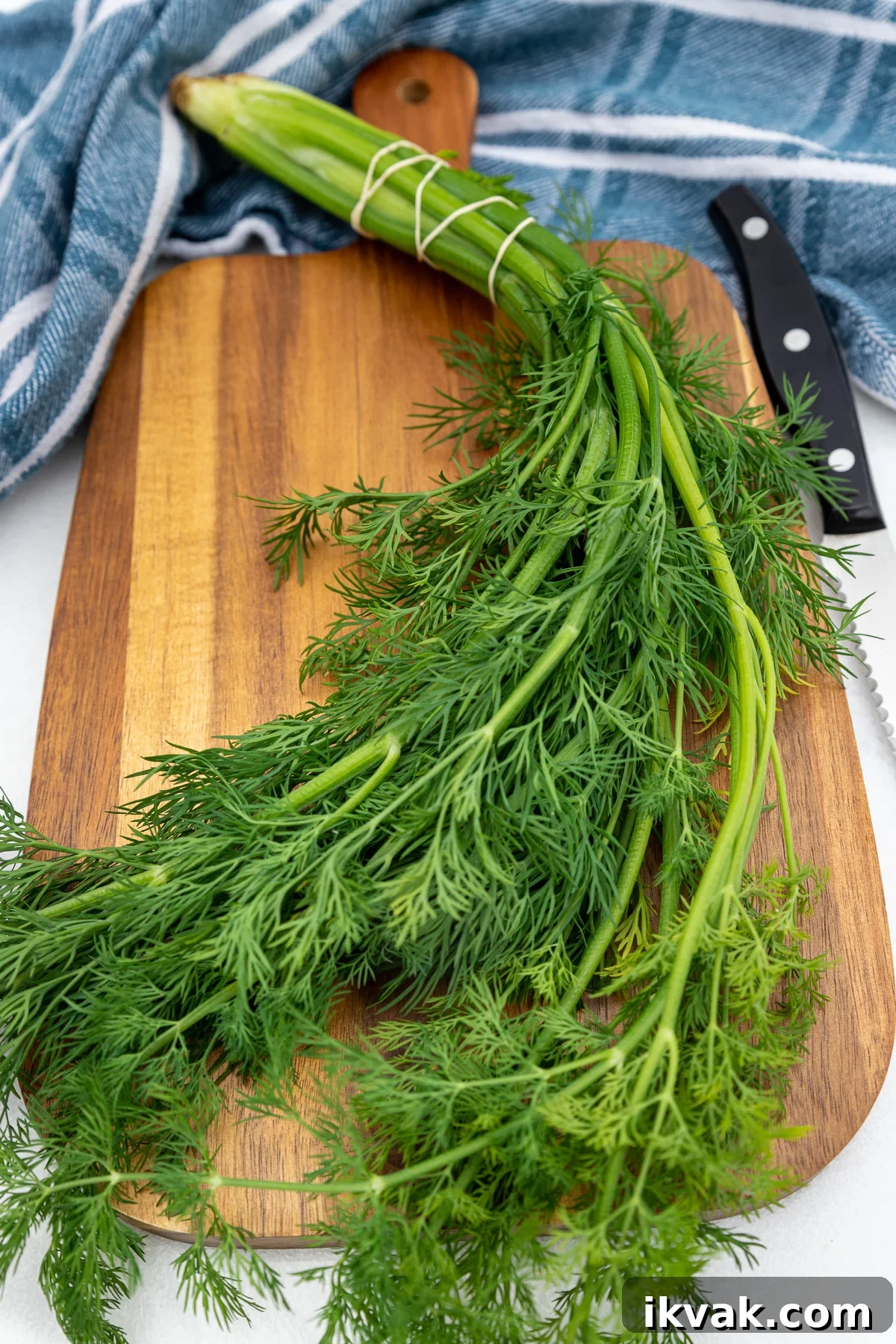
What do you do when a recipe calls for dill—the feathery Mediterranean herb with a subtle anise-like flavor—but you don’t have any, or you simply don’t like it? Dill is distinctive, but there are plenty of practical alternatives you can use without ruining your dish.
Here are 20 easy and effective substitutes for dill.
First, a quick primer…
What is dill?
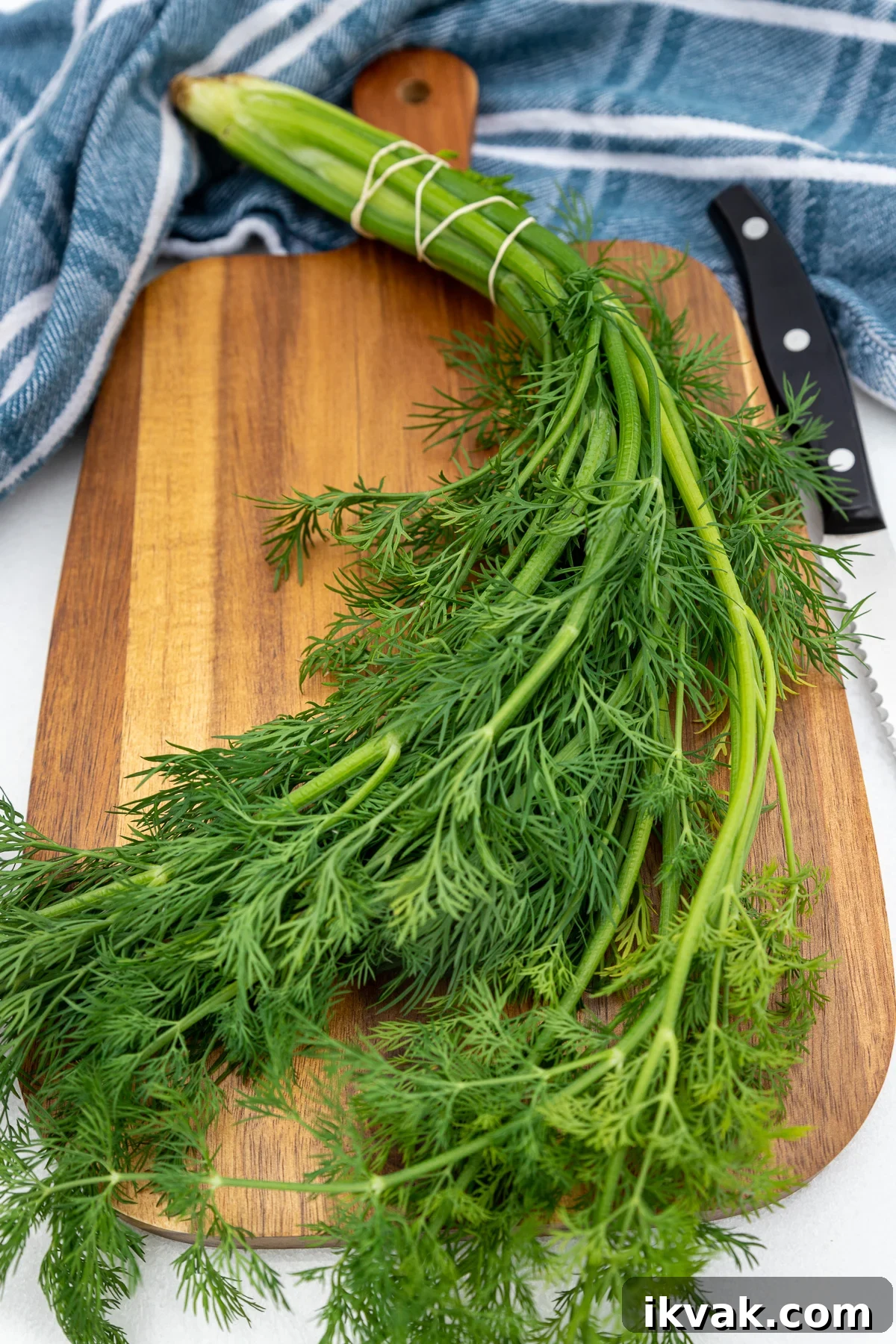
Dill, often called dill weed, is an aromatic herb native to the Mediterranean region. Its thin, feathery fronds look like delicate grass and offer a bright, fresh green appearance.
Flavor-wise, dill is often described as having anise or licorice notes with hints of grass and citrus. It pairs well with fish, lamb, eggs, dips, sauces, potato salads and breads, and is widely used in European, Mediterranean, Middle Eastern and some Asian cuisines. You’ll find dill in classic recipes like Scandinavian gravlax, Russian borscht, tzatziki, ranch dressing and, of course, dill pickles.
Dill has a pronounced taste, so a small amount goes a long way. While it’s best to use the real herb when possible, many substitutes can work well depending on the recipe and desired result.
Fun fact: Dill belongs to the same family as celery.
If you’re in a pinch, these are the top dill alternatives to try.
Fresh dill vs. dried dill or seeds
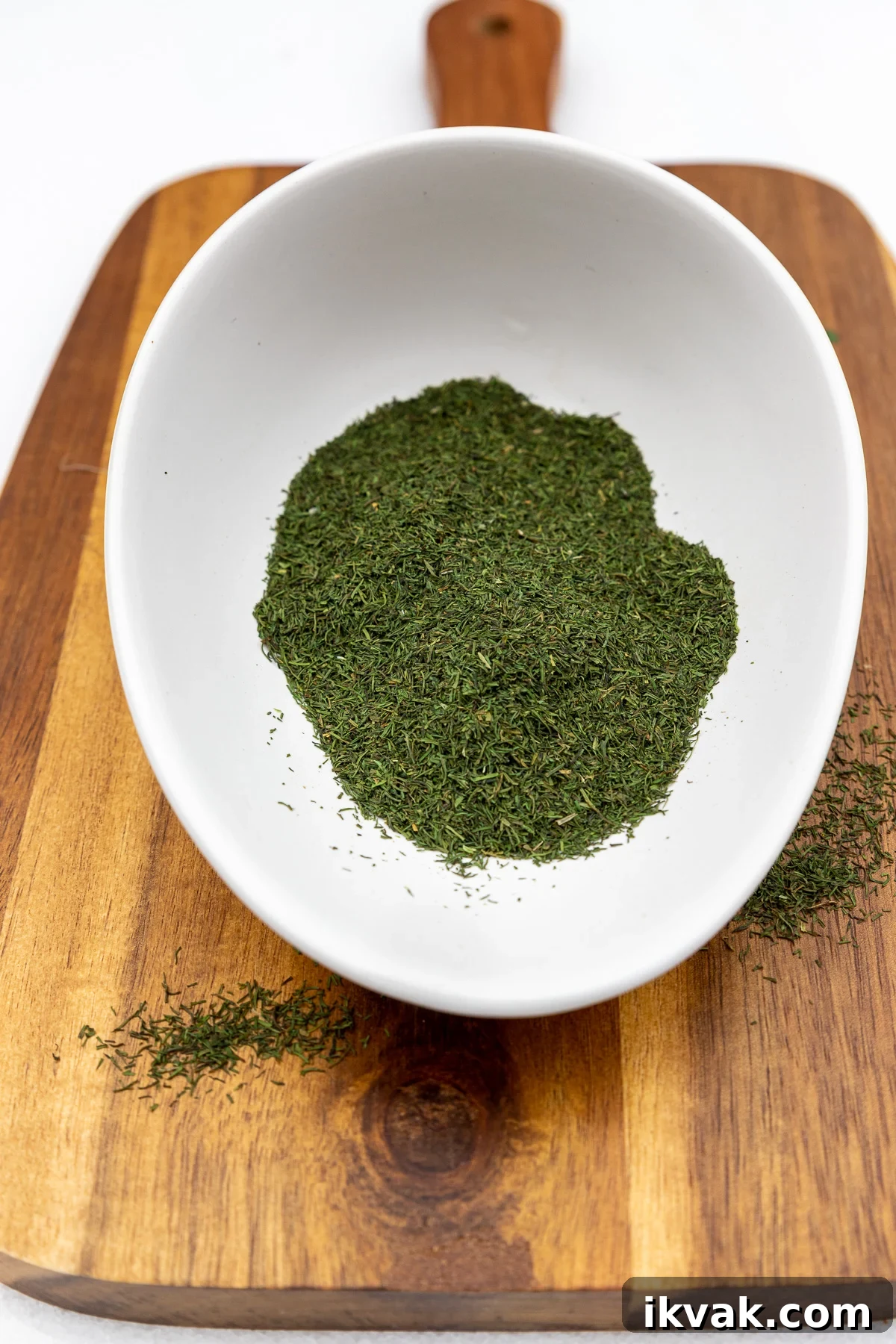
If you don’t have fresh dill, dried dill is the easiest swap. Use the general conversion for herbs: 1 tablespoon fresh = 1 teaspoon dried. Dried dill will be less vibrant in flavor and color but is perfectly acceptable in cooked dishes, dressings and dips. For visual impact—like garnishes or salads—choose a substitute that looks fresher.
Dill seeds are much stronger and more resinous than the fresh herb. They can work in hearty dishes such as soups, breads, pickles or sauces, but start with a pinch and adjust carefully.
Top tip: Add fresh dill near the end of cooking to retain its delicate flavor; dried dill can be added earlier so it has time to release its aroma.
Fennel
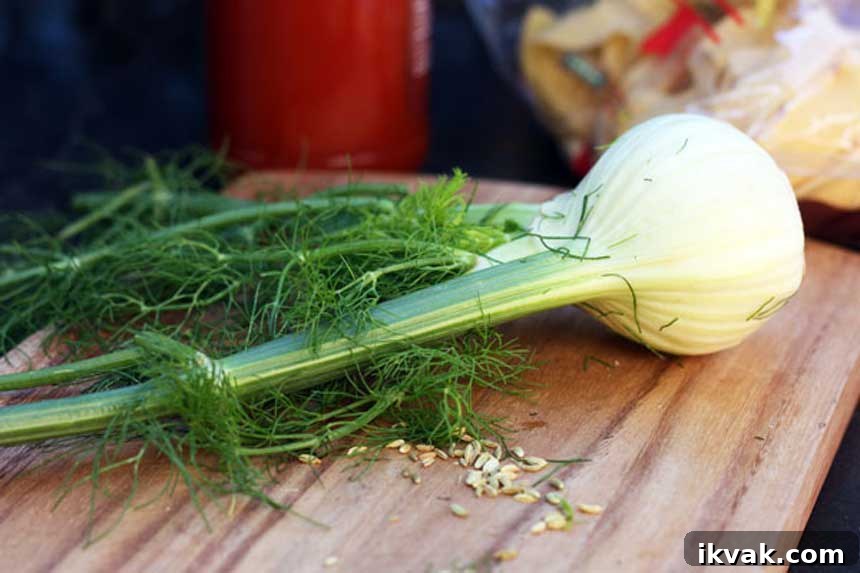
Fennel fronds are one of the best fresh dill substitutes. They resemble dill visually and share an aniseed character, though fennel’s flavor is more pronounced. Use fennel fronds as a 1:1 garnish swap. Fennel seeds provide similar notes but are stronger—use sparingly. You can also use chopped fennel bulb or stalks in cooked dishes where dill would be added.
Use fennel fronds as a 1:1 substitute for garnishes.
Tarragon
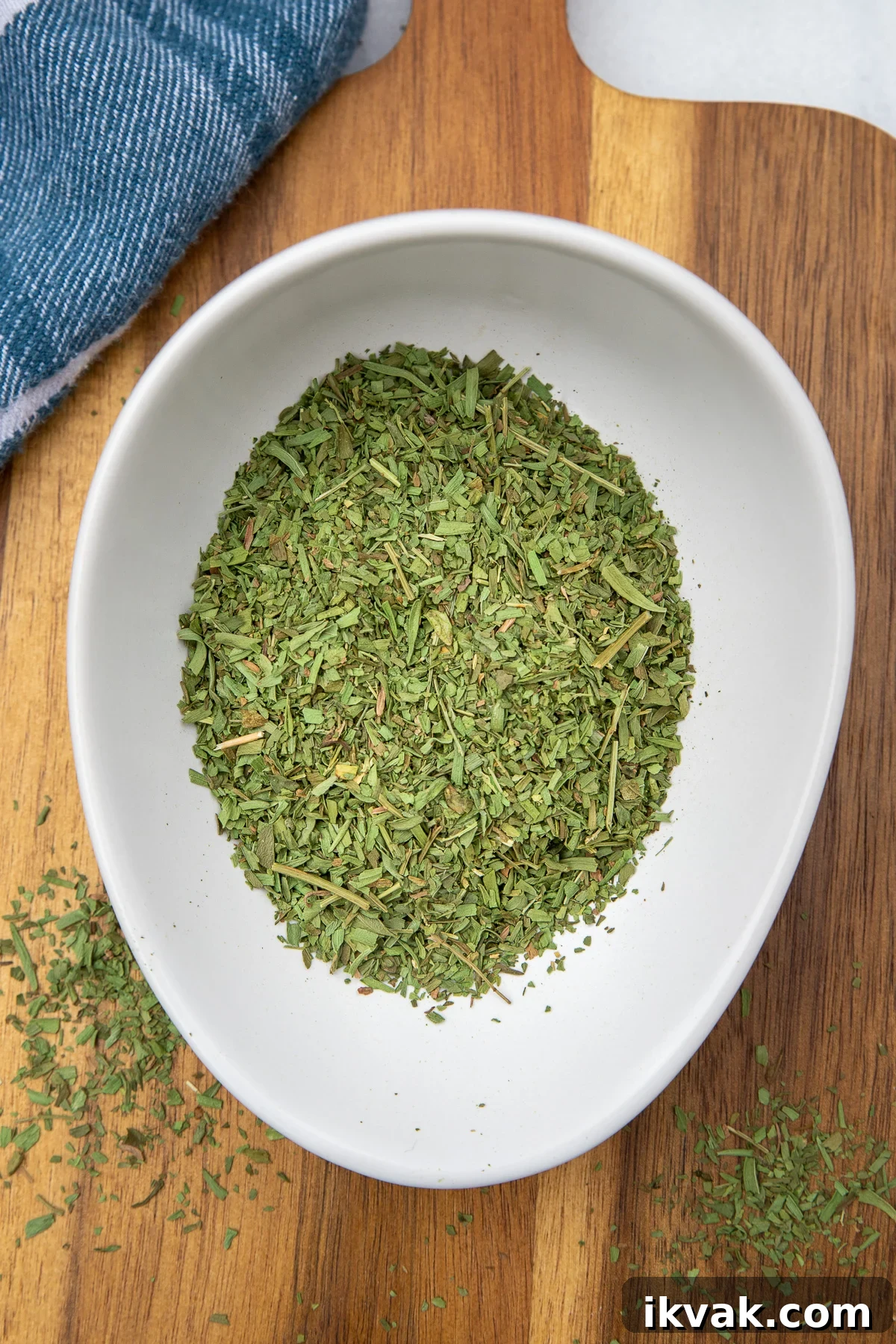
Tarragon is perhaps the closest match in scent and taste, with a pronounced licorice note similar to dill. Fresh tarragon works well as a 1:1 swap. Dried tarragon is more concentrated—start with half a teaspoon for every tablespoon of fresh dill called for. Tarragon holds up better to cooking than dill, so add it earlier in the process if needed.
Basil
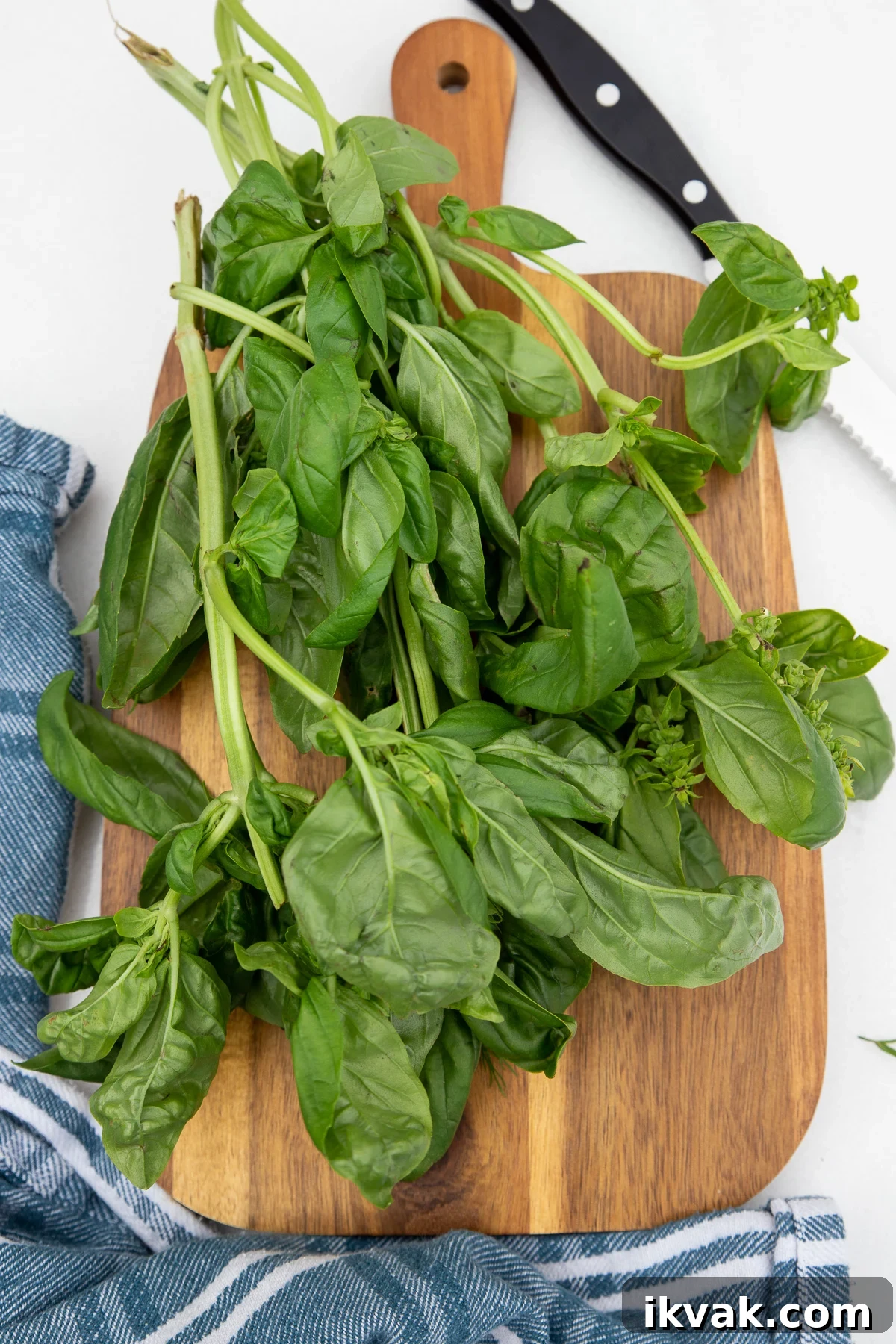
Basil’s sweet, aromatic profile makes it a useful substitute in soups, stews, marinades and salads. It won’t mimic dill’s licorice notes, so it’s a good option if you prefer a different flavor direction. Use fresh basil 1:1; with dried basil start at half the amount and adjust to taste.
Use fresh basil as a 1:1 substitute; use half the amount if dried.
Parsley
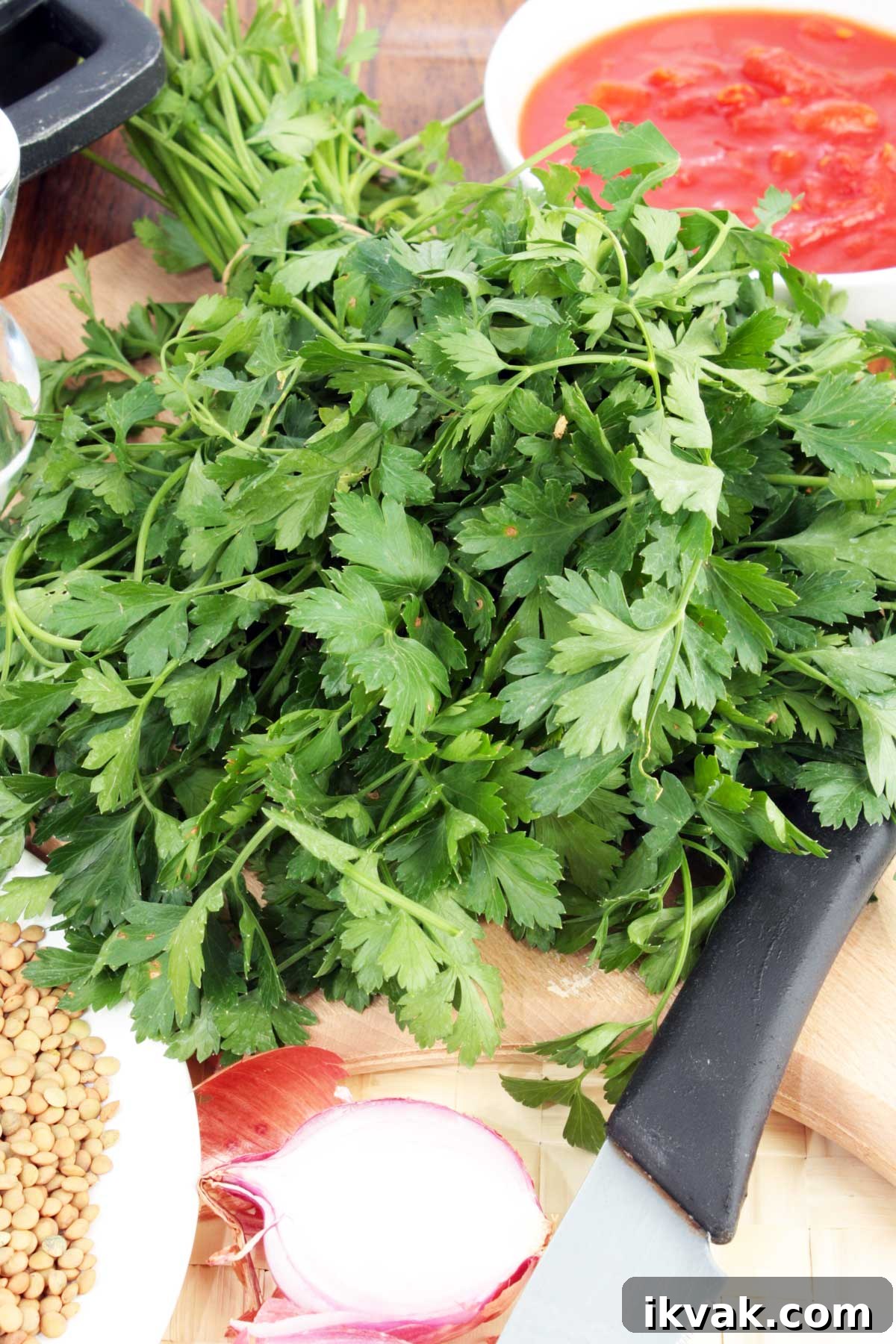
Parsley is mild, fresh and available year-round, making it a versatile dill alternative. It won’t replicate the anise notes but provides a clean green flavor that complements fish, meat, eggs and vegetables. Use fresh parsley as a direct 1:1 substitute for dill.
Chervil
Chervil, a member of the parsley family used often in French cuisine, has a faint licorice undertone and gently enhances other flavors. It makes a good fresh 1:1 replacement for dill in delicate dishes.
Cilantro (Coriander)
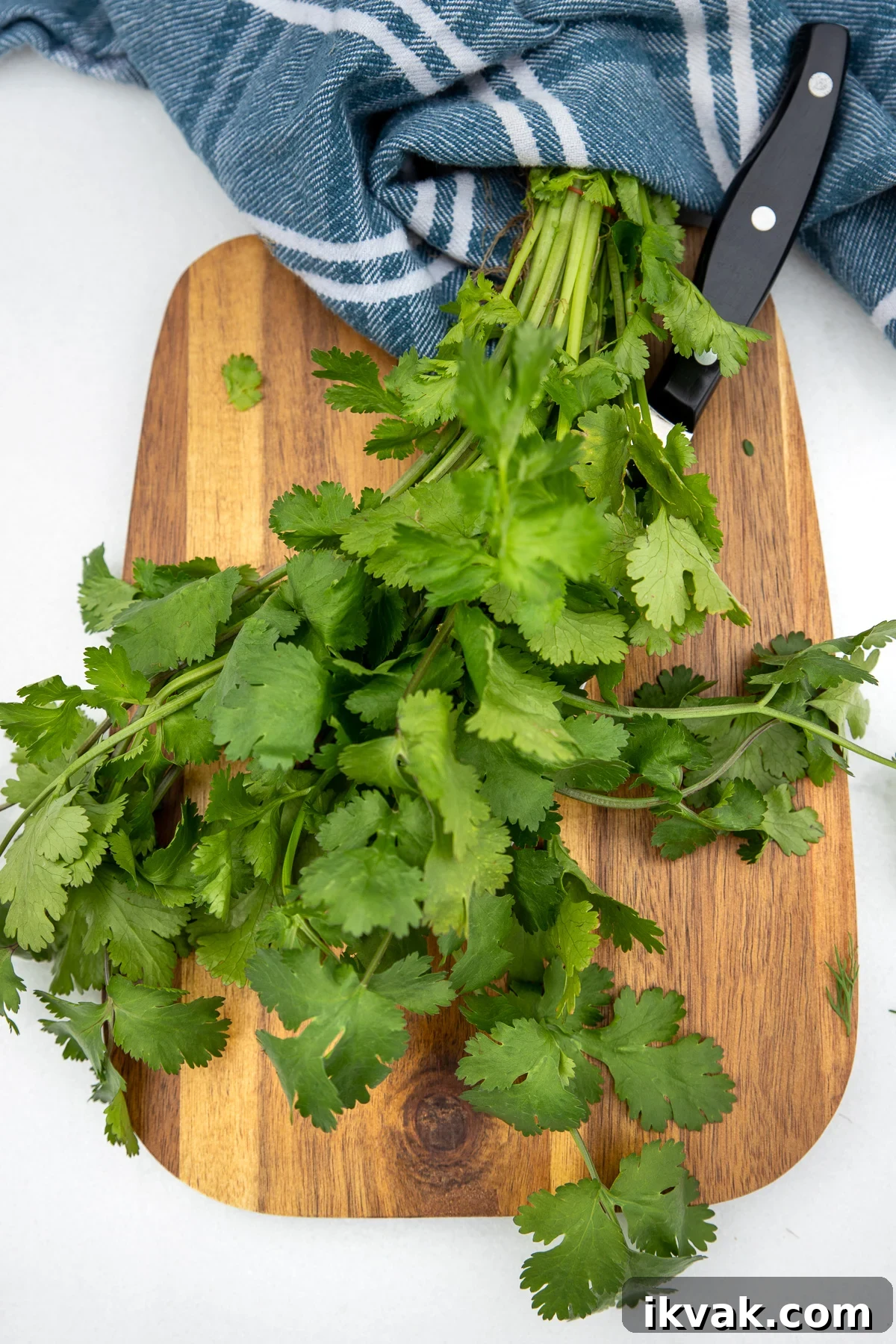
Cilantro is bolder and more peppery than parsley, with a distinctive flavor that some describe as soapy. It can work well in dressings and dips as an alternative, but start with half the amount of cilantro compared to the dill the recipe calls for and adjust to taste.
Chives
Chives give an onion-garlic freshness and a visual appeal similar to dill when used as a garnish. They won’t reproduce dill’s licorice tones but are excellent for adding bright, savory notes. Use chives 1:1 as a garnish substitute.
Substitutes for dill seeds
Dill seeds are more intense than the herb, so replacing them requires spices with similar depth. They’re common in breads, pickles, soups and dressings. If you don’t have dill seeds, consider these alternatives.
Fennel seeds
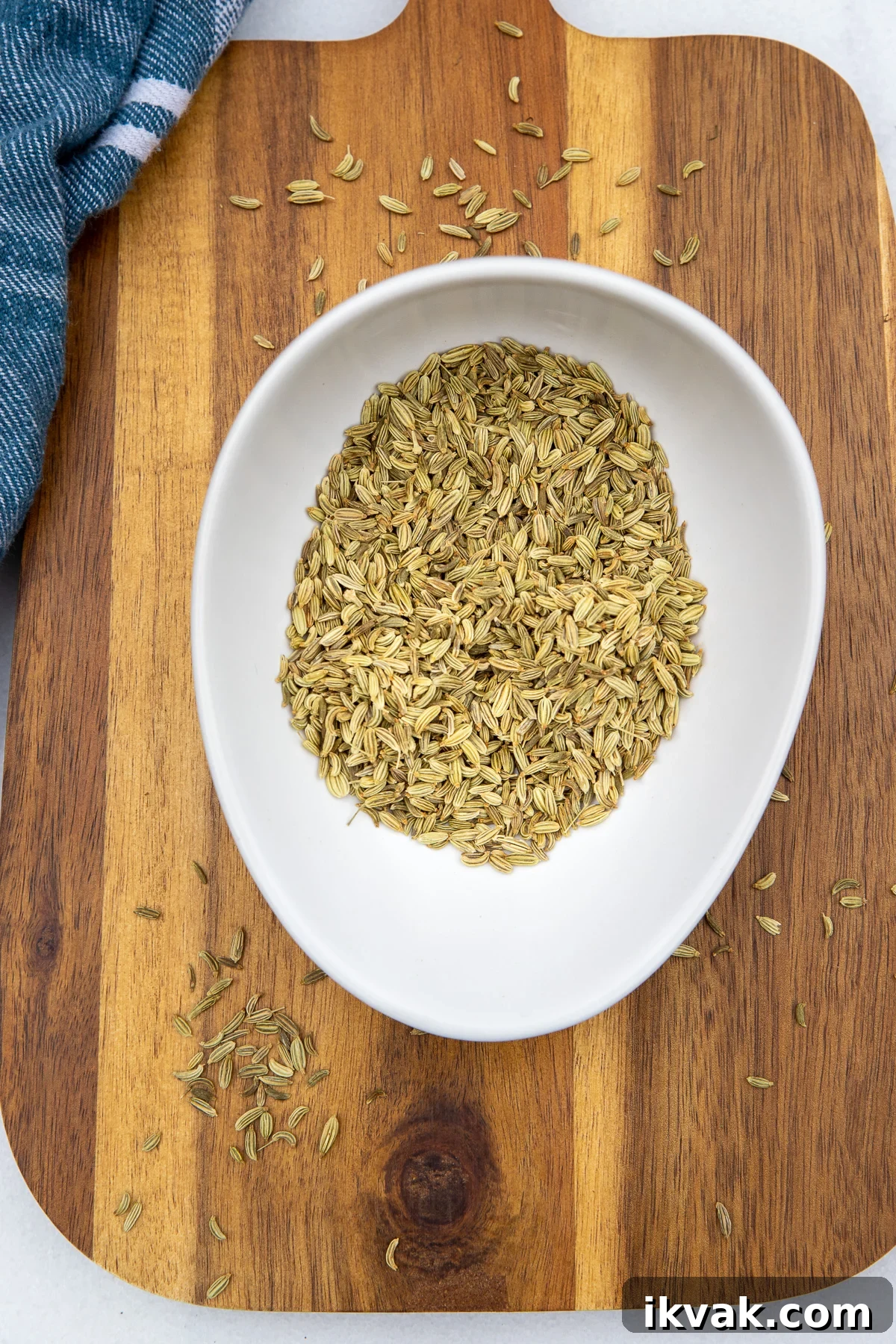
Fennel seeds offer a sweet, licorice-like flavor stronger than dill seeds. Use less than the recipe asks for and adjust to taste. Ground fennel is also common in spice blends and adds a warming anise note.
Star anise
Star anise gives a sweet, aromatic licorice flavor ideal for soups and stews. Start with one or two pods to avoid overpowering the dish.
Anise seeds
Anise seeds are intensely licorice-flavored and should be used sparingly. Begin with a small pinch and increase if you want a stronger anise presence.
Caraway seeds
Caraway has a peppery, mild anise note and is a suitable one-to-one substitute for dill seeds in many European-style dishes.
Celery seeds
Celery seeds have an earthy, slightly bitter flavor that works well in dry rubs, potato salads and coleslaw. Use as a 1:1 swap for dill seeds where that flavor profile fits.
Coriander seeds
Coriander seeds offer floral, citrusy notes. Toasting them briefly brings out more aroma. If appearance matters but flavor is less important, small neutral seeds like sesame or poppy can substitute visually.
Substitutes for dill when you don’t like the flavor
If you’re among those who dislike dill’s grassy, licorice-like taste, simply omit it and use another herb to lift the dish. Here are several flavorful alternatives that steer away from dill’s signature note.
Mint
Mint adds a bright, sweet freshness that complements many Mediterranean and Middle Eastern dishes where dill might be used. Finely chopped mint works well in yogurt sauces, rice and potato dishes, and pairs nicely with lemon. Use mint 1:1 for salads, sauces and garnishes, starting lightly so it doesn’t dominate.
Oregano
Oregano brings a warm, herbaceous flavor suited to many of the same dishes as dill. It’s versatile but stronger, so start with a tablespoon fresh or a teaspoon dried and adjust. Oregano is especially useful in Mediterranean cooking.
Garlic
Garlic powder can add depth and savory flavor when you want to skip dill. It won’t mimic dill’s brightness, but it enhances the overall profile. Keep in mind that 1/8 teaspoon of garlic powder approximates one fresh clove.
Onion powder
Onion powder is concentrated and adds bold flavor without extra moisture. It’s ideal in rubs, stews and sauces; use sparingly and adjust to taste like you would with garlic powder.
Thyme
Thyme is robust and holds up well to cooking, making it a good substitute in baked and roasted dishes. Use fresh thyme leaves sparingly as a garnish or add sprigs early in cooking for stews and soups.
Bay leaves
Bay leaves contribute an earthy, slightly minty depth to long-simmered dishes. Add one or two leaves at the start of cooking and remove before serving.
Rosemary
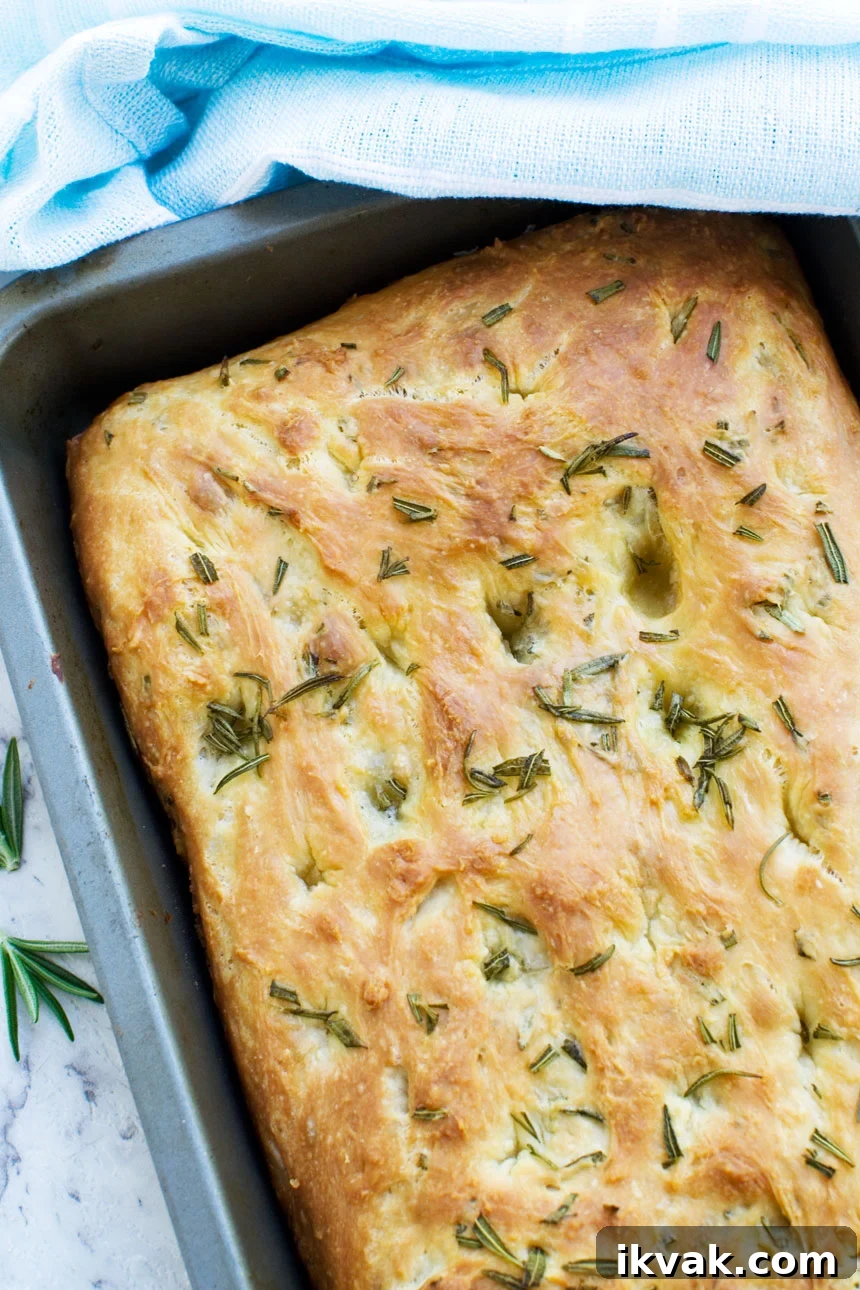
Rosemary offers a woody, pine-like flavor that’s excellent on roasted potatoes, meats and breads. It doesn’t resemble dill’s anise quality, so use it when you want a distinctly different but assertive herbal note. Start with a tablespoon chopped fresh or 1/2–1 teaspoon dried.
In summary
When you don’t have dill or prefer not to use it, choose your substitute based on whether you want to retain the herb’s anise character or simply add fresh herbal brightness. For a flavor closest to dill, use fennel fronds or tarragon. For seed substitutions, fennel, caraway or anise-family seeds work well. If you want to avoid the licorice note entirely, try thyme, oregano, mint or parsley.
Bear in mind no substitute will exactly replicate dill’s unique flavor, but these options will help you create delicious results that fit the style of your dish.
A few great recipes that use dill
Here are a few recipes where dill shines; swap in any of the alternatives above if needed.
- 10-minute Greek tzatziki sauce—simple and fresh, perfect for gyros, dips and Mediterranean dishes.
- Greek lemon rice with chickpeas—an economical, bright side dish ready in about 20 minutes.
- Greek spinach and feta filo pie—a savory, flaky favorite that benefits from a touch of fresh herb.
- Crispy fish pie—try stirring chopped fresh dill into the filling or use a suitable substitute for a different flavor profile.
- Swedish-style meatballs—fresh parsley and dill (or parsley with another herb) add classic depth to the mixture.
- Greek filo parcels with tzatziki—little parcels filled with feta, spinach, sundried tomatoes and herb freshness.
Use these suggestions to adjust herbs and seeds to taste, and enjoy experimenting to find the best match for your recipe and palate.