
A simple guide to help you understand and cook with the best cooking fats and oils for your health!
When shopping for cooking fats and oils, the choices can feel overwhelming. This guide will help you choose healthier options, understand how to use them, and identify ones to avoid.
CHOOSING YOUR COOKING FAT
Great
Choose whole, minimally processed fats and oils when possible:
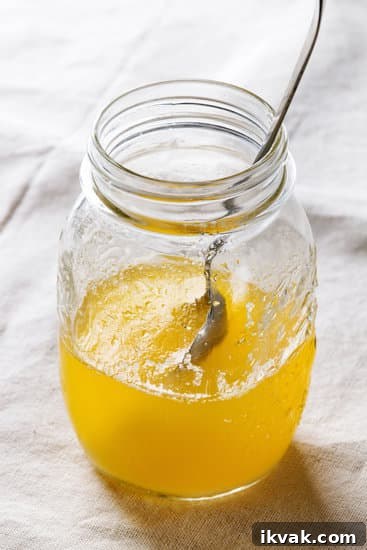
- Raw butter and ghee
- Tallow from grass-fed cows, bison, or lamb
- Lard from pasture-raised pigs
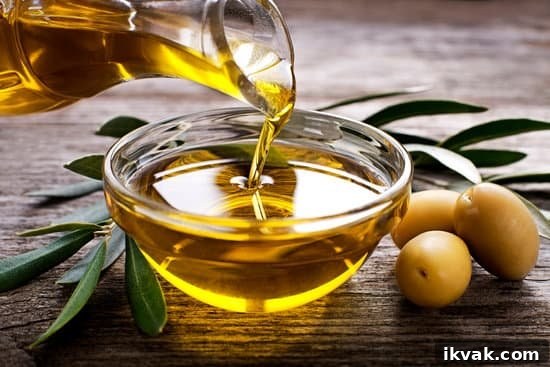
- Single-source organic extra virgin olive oil
- Organic, sustainably produced coconut oil
- Organic cold-pressed sesame and other nut oils
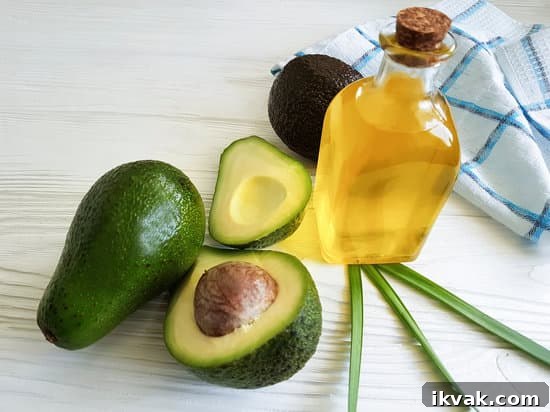
- Avocado oil
- Fair-trade, organic cocoa butter
Good
These are generally fine for everyday use, especially when selected from reputable sources:
- Cultured butter (from organic, pasteurized milk)
- Conventionally produced extra virgin olive oil
- Refined coconut oil
- Refined avocado oil
Acceptable
Okay for some uses, but pay attention to labels and blends:
- Conventional butter
- Light olive oil (ensure it’s not blended with canola or other vegetable oils)
- Peanut oil
Limit or Avoid
These oils and fats are best limited or avoided due to processing, stability, or potential health concerns:
- Margarine
- Corn oil
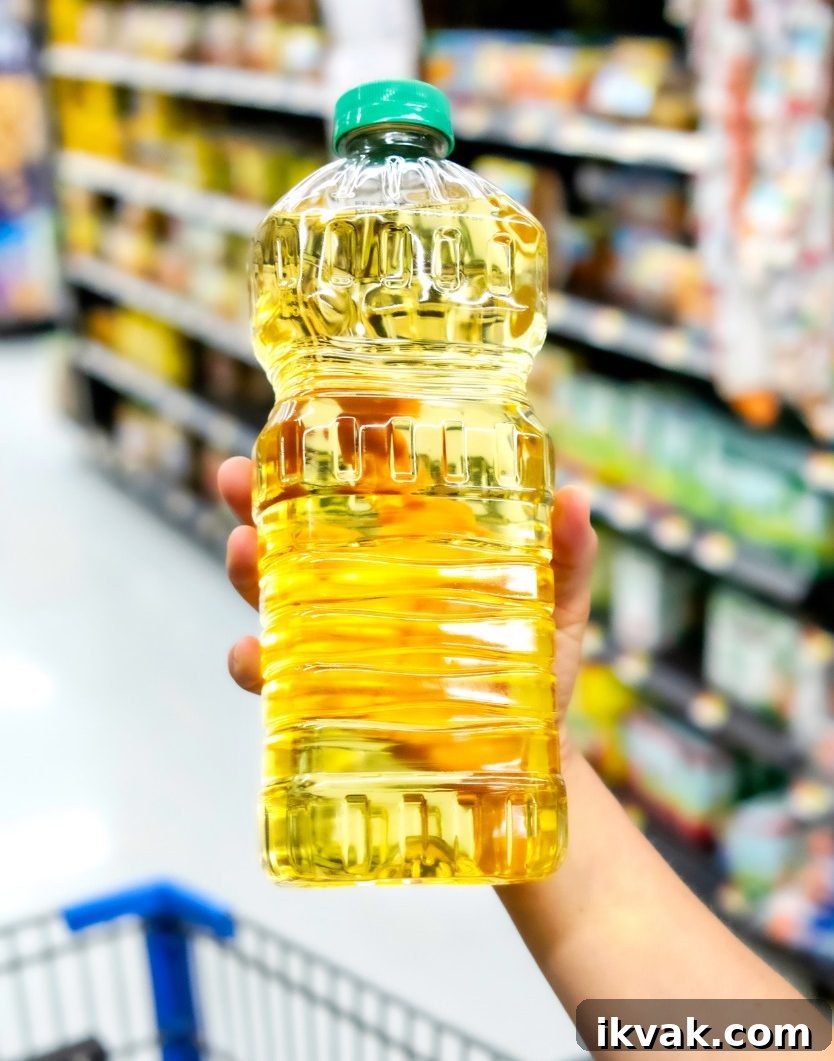
- Soybean oil
- Canola oil
- Cottonseed oil
- Many other refined vegetable oils
- Shortening and hydrogenated fats
Different fats—saturated, monounsaturated, and polyunsaturated—have different heat tolerances. Use each type where it performs best to preserve flavor and nutritional value.
HOW TO USE YOUR COOKING FAT

Best fats for high heat – Saturated fats
Saturated fats are heat-stable and suitable for baking, frying, and other high-temperature cooking:
- Grass-fed ghee
- Grass-fed butter
- Coconut oil
- Rendered animal fats (tallow, lard)
Great fats for moderate heat – Monounsaturated fats
Monounsaturated oils are ideal for pan-frying, sautéing, and quick stir-fries—techniques that use moderate temperatures:
- Cold-pressed avocado oil
- Cold-pressed olive oil
- Cold-pressed peanut oil
Not great in heat – Polyunsaturated fats
Polyunsaturated oils can offer health benefits but are sensitive to heat. Use them raw or add them at the end of cooking to preserve their structure and nutrients:
- Seed oils (when unrefined)
- Delicate nut oils
Avoid
Avoid highly processed and hydrogenated fats, and minimize use of refined vegetable oils. These can oxidize during cooking and may contain trans fats or other unwanted byproducts.
- Shortening, hydrogenated fats, margarine
- Refined vegetable oils such as corn, soybean, canola, and cottonseed oil
Choose whole, minimally processed fats when possible and match the fat to the cooking method for better flavor, stability, and health outcomes.