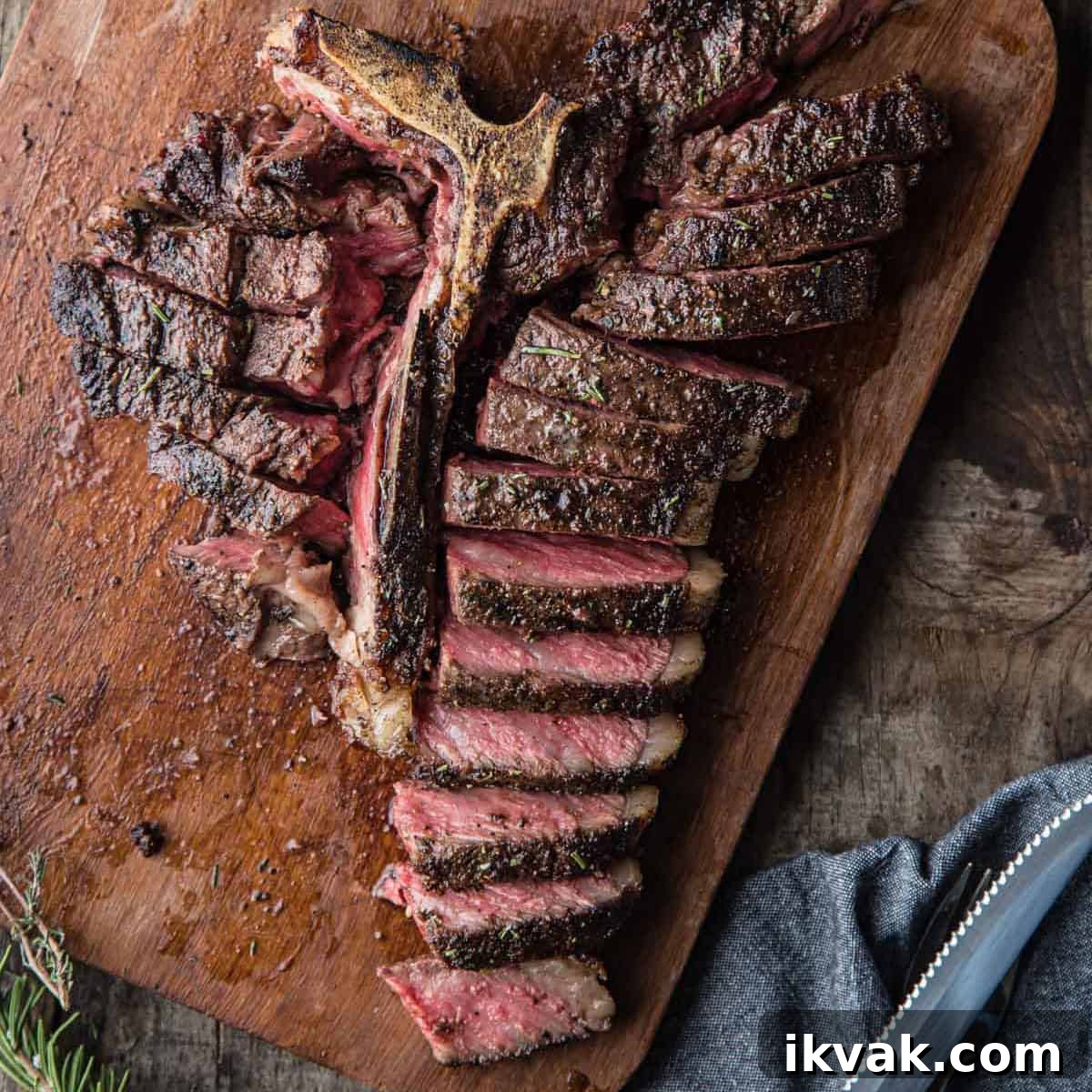
Carry Over Cooking is a core concept in food science that every cook should understand. It refers to the rise in internal temperature that continues after food, especially meat, is removed from its heat source. Knowing how carry over cooking works helps you hit the desired doneness for steaks, roasts and other cuts while preserving juiciness and texture.
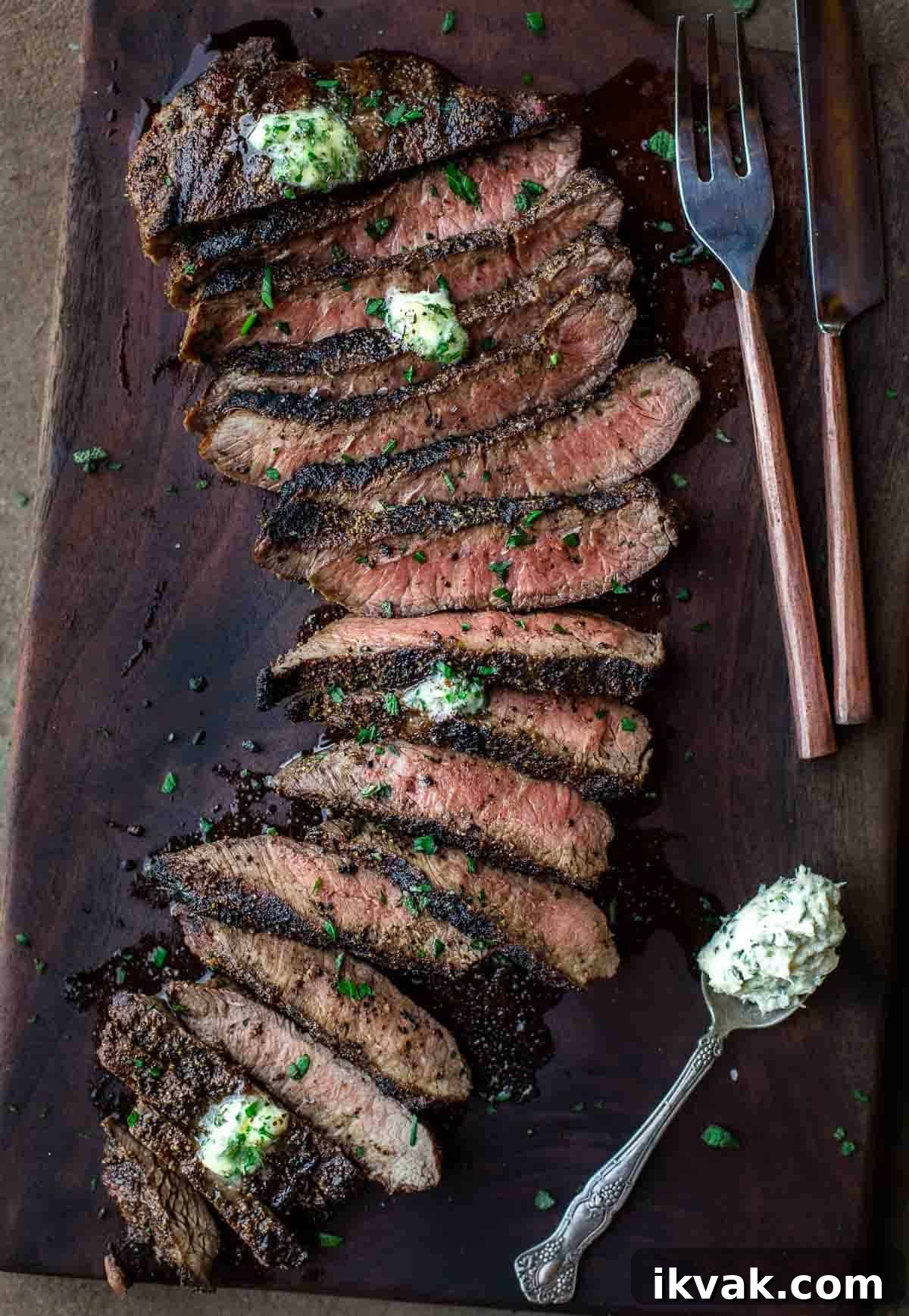
The aim of any recipe is to help you control temperature and flavor so you can confidently cook on the grill, in the oven, or over a fire pit. To do that reliably you need to account for residual heat and how it continues to move through the meat after you take it off the heat.
Table of Contents
- The Science Behind Carry Over Cooking
- Factors Influencing Carry Over Cooking
- Carry Over Cooking in Steaks
- The Importance for Roasts
- Other Meats
- Tips for Perfectly Cooked Meats
- Cooking At Lower Temperatures
- Frequently Asked Questions
- Tools Needed To Measure Temperature
The Science Behind Carry Over Cooking
Carry over cooking is driven by heat transfer. During cooking, the exterior of a piece of meat becomes hotter than its center. After removing the meat from the heat source, thermal energy continues to move inward from the hotter outer layers to the cooler core, raising the internal temperature for a short period. That rise is what cooks the meat a few degrees beyond the temperature reached while on the heat.
Factors Influencing Carry Over Cooking
Several variables determine how much carry over cooking occurs:
- Size and thickness: Larger, thicker cuts like roasts retain more heat and will experience a greater temperature rise during resting.
- Cooking temperature: High-heat methods cause a bigger gradient between surface and center, often resulting in more carry over cooking.
- Type of meat and composition: Different meats and fat distributions change how heat moves and how much the temperature increases as the meat rests.
Carry Over Cooking in Steaks
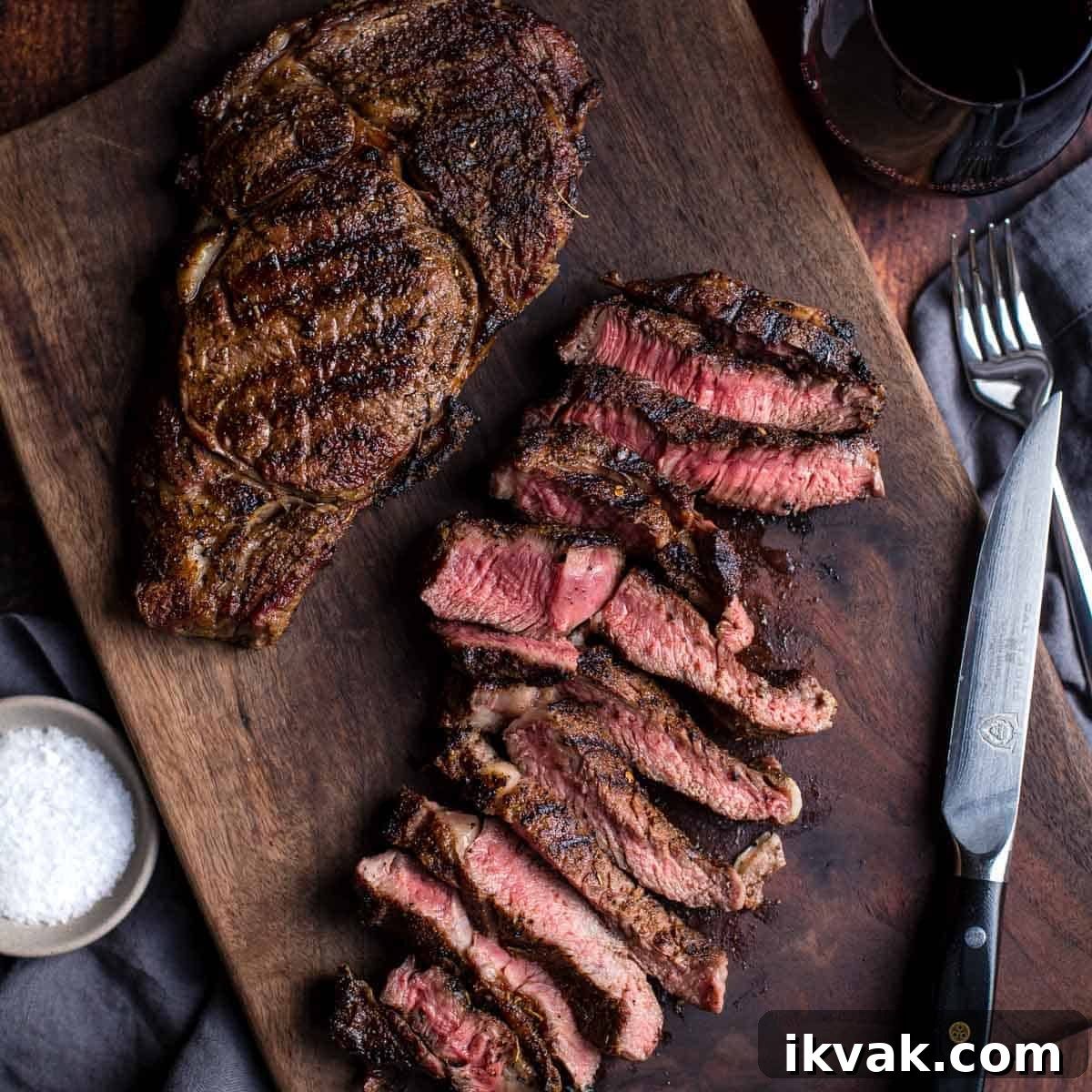
Steaks are a practical example of why understanding carry over cooking matters. Since steaks are judged by internal temperature for doneness, you should remove them from the heat a few degrees below your target. For instance, if you want a medium-rare steak at about 135°F, pull it when the thermometer reads approximately 130°F. Resting will bring it to the intended temperature without overcooking.
The Importance for Roasts
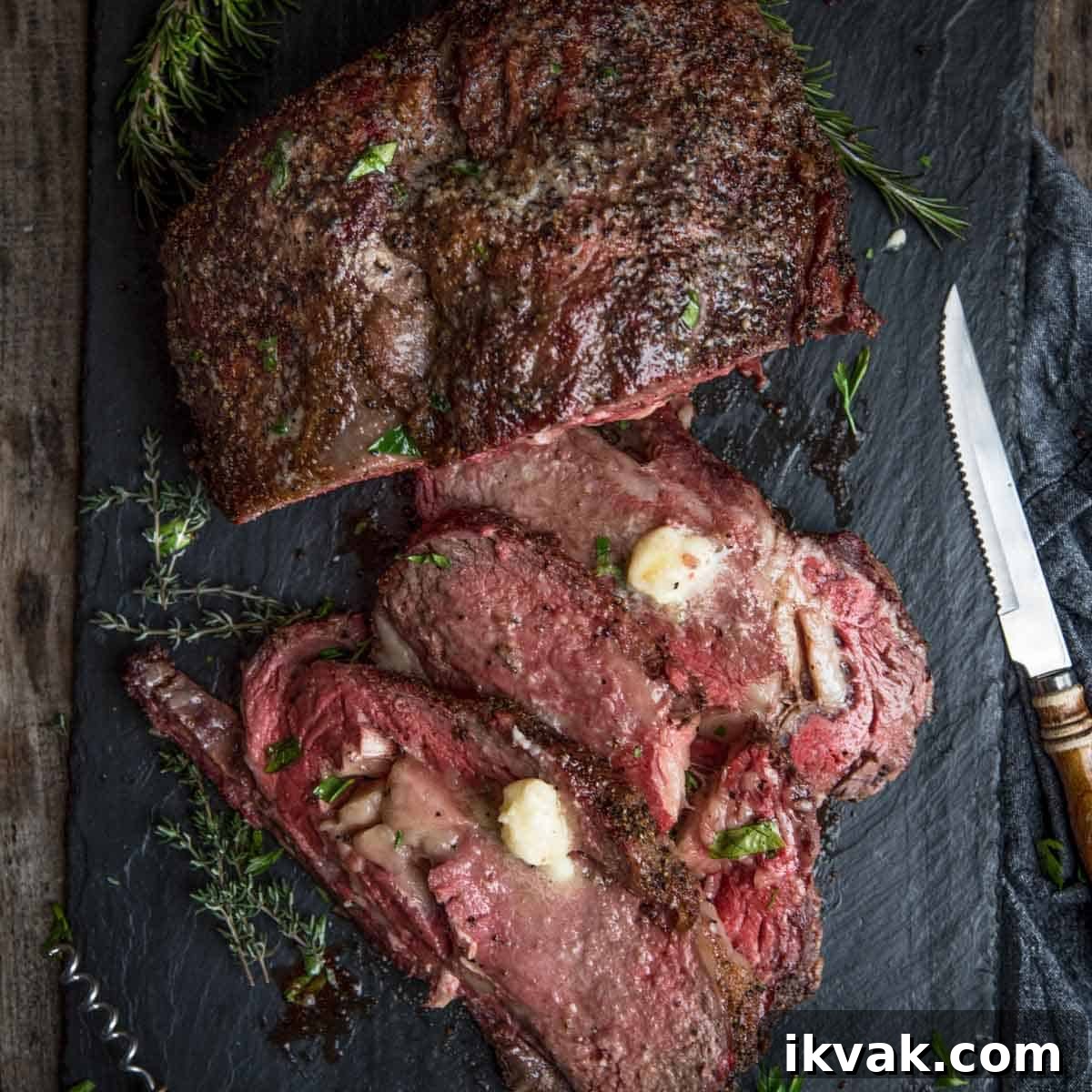
Roasts commonly show significant carry over cooking because of their mass. If you wait until a roast reaches the exact target temperature before removing it, it will often end up overcooked. Pull the roast early and let residual heat finish the cooking gently. This approach protects texture and moisture, especially for large cuts like prime rib.
Carry Over Cooking Chart
| Target Finishing Temperature | Remove Steak At: | Remove Roast At: |
| Black and Blue (120°F) | 110°F | 100°F |
| Rare (120-130°F) | 115 – 120°F | 110°F |
| Medium Rare (130-135°F) | 125 – 130°F | 120°F |
| Medium (135-145°F) | 130 – 135°F | 125 – 130°F |
| Medium Well (145-155°F) | 140 – 145°F | 135 – 140°F |
| Well Done (155°F and above) | 150°F | 145 – 150°F |
Other Meats
Carry over cooking applies to poultry, pork, lamb, bison and other proteins. The important step is knowing the proper finishing temperature for the specific cut and factoring in the additional rise during resting. For poultry, for example, different pieces such as breast or thigh will have different target temperatures, and you should account for the short increase during rest.
Tips for Perfectly Cooked Meats
- Use a meat thermometer: Accurate temperature readings are the most reliable way to achieve your preferred doneness. Use both instant-read and leave-in thermometers as needed.
- Measure the thickest part: Always take temperature readings from the thickest section of the cut to know the true internal temperature.
- Allow adequate resting time: Resting not only lets carry over cooking finish the job, it also allows juices to redistribute, improving texture and juiciness.
- Follow recipes with carry over cooking in mind: Many recipes assume you will pull the meat early and let it finish resting; read instructions carefully and adjust based on the cut size.
Cooking At Lower Temperatures
Low-and-slow methods—smoking brisket, cooking pork shoulder, or braising short ribs—also involve carry over cooking. Although the temperature gradient may be smaller, large cuts that retain heat will still rise in temperature as they rest. For smoked or braised meats that finish at high internal temperatures (for example, brisket often targets well over 200°F), removing the meat and allowing it to rest still affects the final result and should be considered when planning cook time.
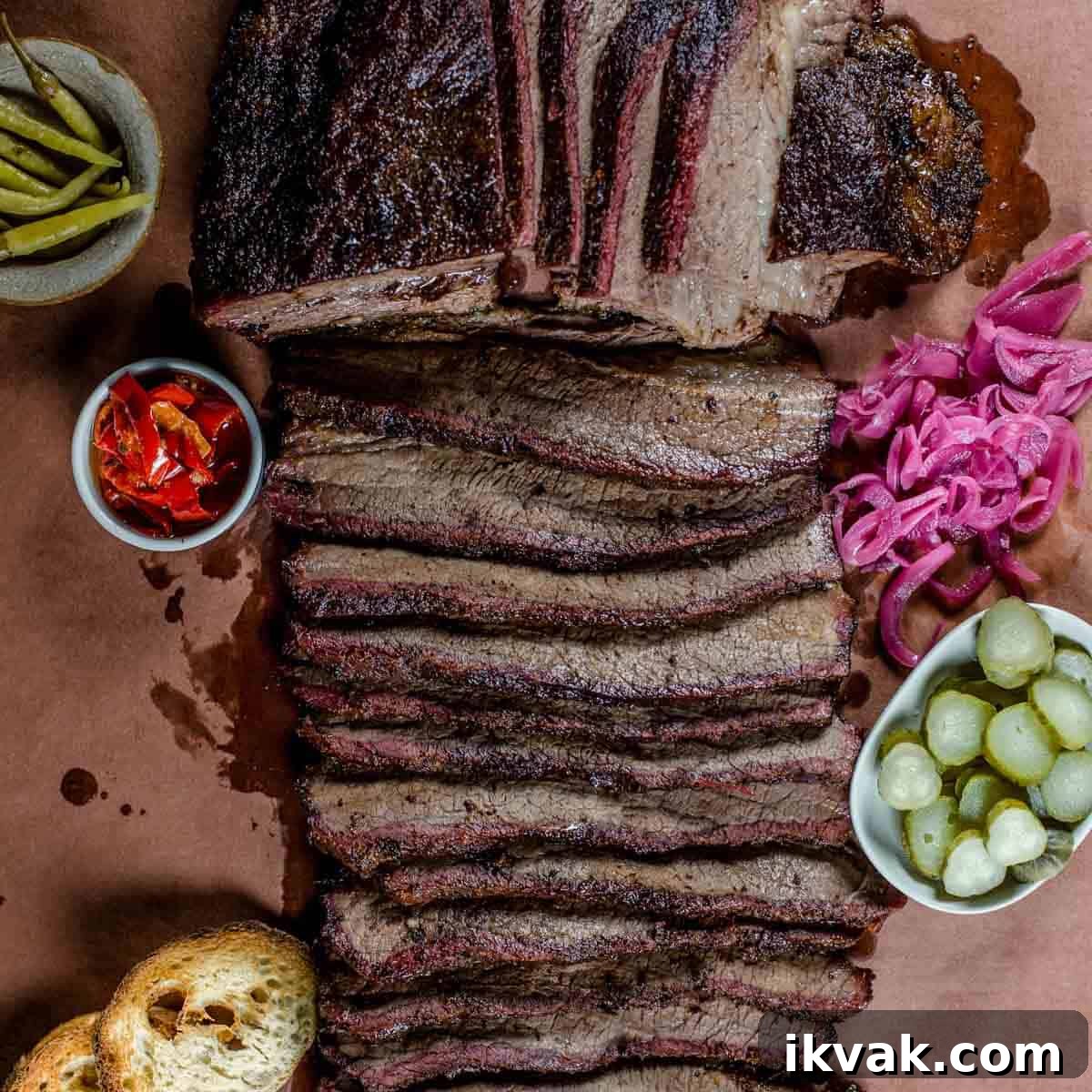
Even with long cooks, resting time is essential. For large, dense cuts you can expect several degrees of carry over warming while the meat sits, and that rise can be meaningful for the final texture.
Frequently Asked Questions
If you remove a steak at 135°F, the internal temperature can continue to rise to around 140°F during resting. That increase can shift the steak from medium-rare toward medium if not accounted for.
You generally cannot stop carry over cooking without rapid cooling techniques. The practical approach is to anticipate it: remove the meat a few degrees below your target so the resting rise lands you at the desired temperature.
Steaks typically rise 3–6°F while resting, depending on thickness. Many cooks plan for about a 5°F increase when deciding when to remove a steak from the heat.
Large roasts (over about 3 pounds) commonly carry over cook 5–10°F. For example, a prime rib removed at 125°F can finish near 135°F during resting.
Tools Needed To Measure Temperature
- Instant-read meat thermometer: A quality instant-read thermometer lets you check internal temperature quickly and accurately so you can pull meat at the right moment.
- Leave-in probe thermometer: A probe thermometer that stays in the meat and transmits readings to a display or phone is useful for long cooks. Combine a leave-in probe for monitoring with an instant-read for spot checks.
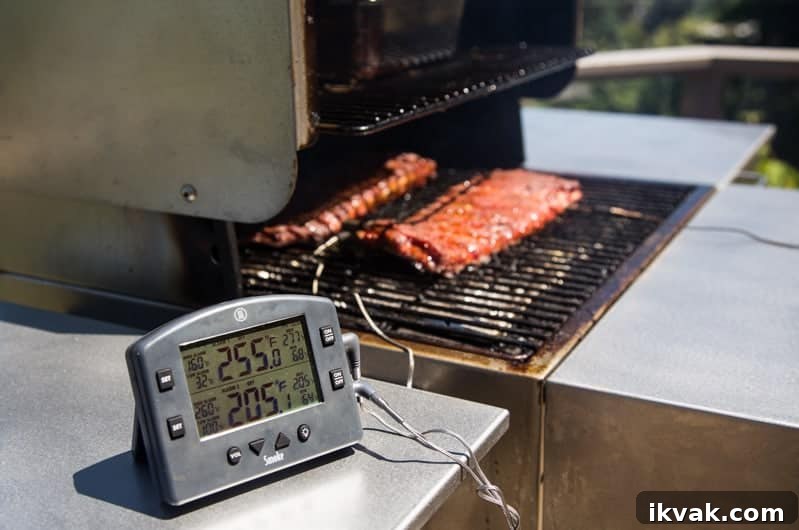
Chef’s note: Avoid slow, imprecise dial thermometers for critical temperature checks; modern digital instant-read models are faster and more accurate.
Get Cooking
Understanding carry over cooking will help you produce more consistent, flavorful results. By accounting for the residual heat that raises internal temperatures during resting, you’ll avoid overcooking and enjoy juicier, better-textured meats. With the right thermometers and a bit of planning, you can confidently hit the target doneness every time.

Get a signed copy of our cookbook! Order Now