All it takes is a few simple modifications to adjust a recipe for the Instant Pot. Follow these tips for slow cooker to pressure cooker recipe conversion!
Note: This post may contain affiliate links. See site policies for details.
If you’re new to pressure cooking, you may be looking for quick Instant Pot recipes to use in your weekly meal plan or wondering whether you can adapt some of your favorite slow cooker dishes for the pressure cooker. The good news is that most slow cooker recipes can be converted for the Instant Pot; you just need to make a few thoughtful adjustments.
After I bought my Instant Pot, I discovered this out of necessity: one evening I forgot to start the slow cooker but still wanted the same dinner. I tried the pressure cooker instead and was surprised at how easily the recipe adapted. The Instant Pot also offers a slow cooker setting if you prefer the traditional method, but switching to pressure cooking significantly reduces total cook time when you need dinner on the table faster. You can even program a delayed start so the pot begins cooking at a set time.
New to pressure cooking? Helpful Instant Pot resources
- Beginner-friendly Instant Pot recipe guides and tips can help you build confidence and plan meals.
- Look for basic cooking time charts and conversion advice to estimate pressure-cooker cooking times for common ingredients.
- Search for simple, tested Instant Pot recipes similar to the slow cooker dish you want to convert — they provide useful benchmarks for timing and technique.
How to Make Crock Pot Recipes in the Instant Pot
Below are the most important considerations when converting slow cooker recipes for the pressure cooker. There’s no single perfect formula; experience with your appliance helps. Start by finding a similar pressure cooker recipe as a reference point for timing and liquids.
Things to keep in mind:
Pressure cookers and slow cookers behave differently. Pressure cookers reach higher temperatures and cook much faster once pressure is achieved. Because of this, several adjustments are commonly needed: liquids, fill levels, ingredients that don’t tolerate pressure well, and finishing steps like thickening or adding dairy.
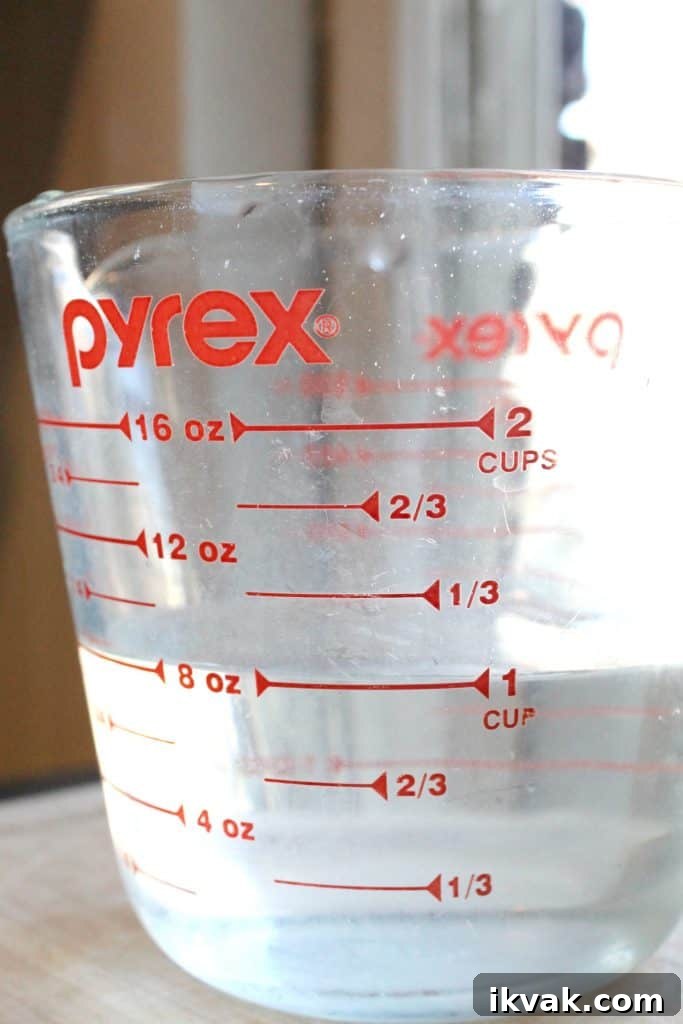
You must have some water or other liquid.
Pressure cookers require a minimum amount of liquid to build pressure — typically about one cup. If a slow cooker recipe calls for minimal liquid (for example, 1/4 cup), increase it to at least one cup unless the ingredients will release sufficient liquid during cooking. Both appliances minimize evaporation compared to stovetop cooking, but meeting the minimum liquid requirement is essential for safe and effective pressure cooking.
Don’t overfill your pressure cooker.
Never fill the pressure cooker past two-thirds full. For foods that expand or create foam — such as rice, grains, beans, or some fruits — limit the fill to half full to avoid clogging the pressure release and to ensure even cooking.
Don’t use wine or liquor under pressure.
Alcohol behaves differently under pressure and may retain a harsh, raw flavor. If a recipe uses wine, reduce the amount by about half and use the sauté function first to evaporate some alcohol and concentrate the flavor before sealing and pressure cooking. Avoid high-proof liquor while pressure cooking because the alcohol can become dispersed in steam and create a flammable situation.
Adjust your cook time.
Pressure cooking times are much shorter than slow cooker times. Keep in mind the pot needs time to reach pressure, and during that time the food is already warming and beginning to cook. The time to reach pressure depends on how full the pot is and the starting temperature of ingredients. When converting, consult trustworthy pressure-cooking time charts or tested Instant Pot recipes for similar ingredients and follow recommended practices such as using natural pressure release for meats to preserve tenderness.
When a recipe contains both meat and quick-cooking ingredients like grains or vegetables, consider cutting meat into smaller pieces or cooking meat first and then adding the other ingredients for a shorter additional pressure cycle.
Save milk and cheese until the end.
Dairy ingredients like milk and cheese can separate or clump when cooked under pressure. Add them after pressure cooking, stirring them in while the food is still hot. In some recipes, a small amount of cheese stirred in at the end works fine, but as a general rule, add dairy last for best texture.
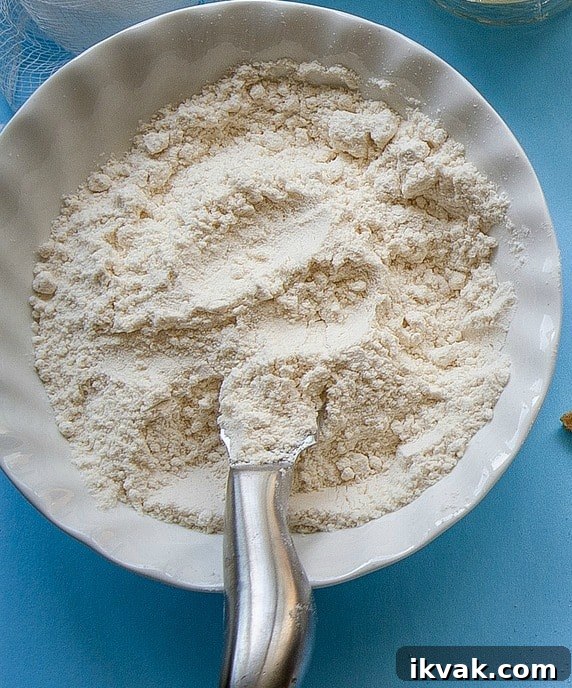
Add thickeners last.
Thickeners such as flour or cornstarch should be added after pressure cooking. If thickening agents are present during pressurization, they can thicken liquids too early and prevent the pot from reaching pressure or cause scorching. To thicken, make a slurry of cornstarch or flour with cold water and stir it into the hot contents after releasing pressure. You can use the sauté function to bring the sauce to the desired consistency.
Pre-packaged ingredients that include thickeners, like condensed soups or seasoning packets, can also cause thickening issues. If you use them, ensure there is enough liquid, and consider adding them on top of other ingredients or after cooking to avoid excessive viscosity during pressurization.
Keep notes.
Every conversion benefits from notes. Record the adjustments you made, cook times, and any texture or flavor changes. Keep a small pressure-cooking notebook or annotate the original recipe so you can refine the conversion the next time you make it.
With a few simple changes — ensuring enough liquid, not overfilling, adjusting cook time, and finishing with dairy and thickeners — you can convert many favorite slow cooker meals to pressure cooker recipes. This allows you to enjoy the same flavors in a fraction of the time and expand your weeknight dinner options.
How to Translate a Slow Cooker Recipe to the Instant Pot
To make conversions even easier, consider keeping a simple cheat sheet with common ingredient cook times and liquid guidelines near your recipe binder or on your phone. A checklist that reminds you to add at least one cup of liquid, avoid overfilling, and delay dairy and thickeners will speed conversions and improve results.
Start with a small batch and take notes — with practice you’ll be able to convert slow cooker recipes confidently and consistently for the Instant Pot.