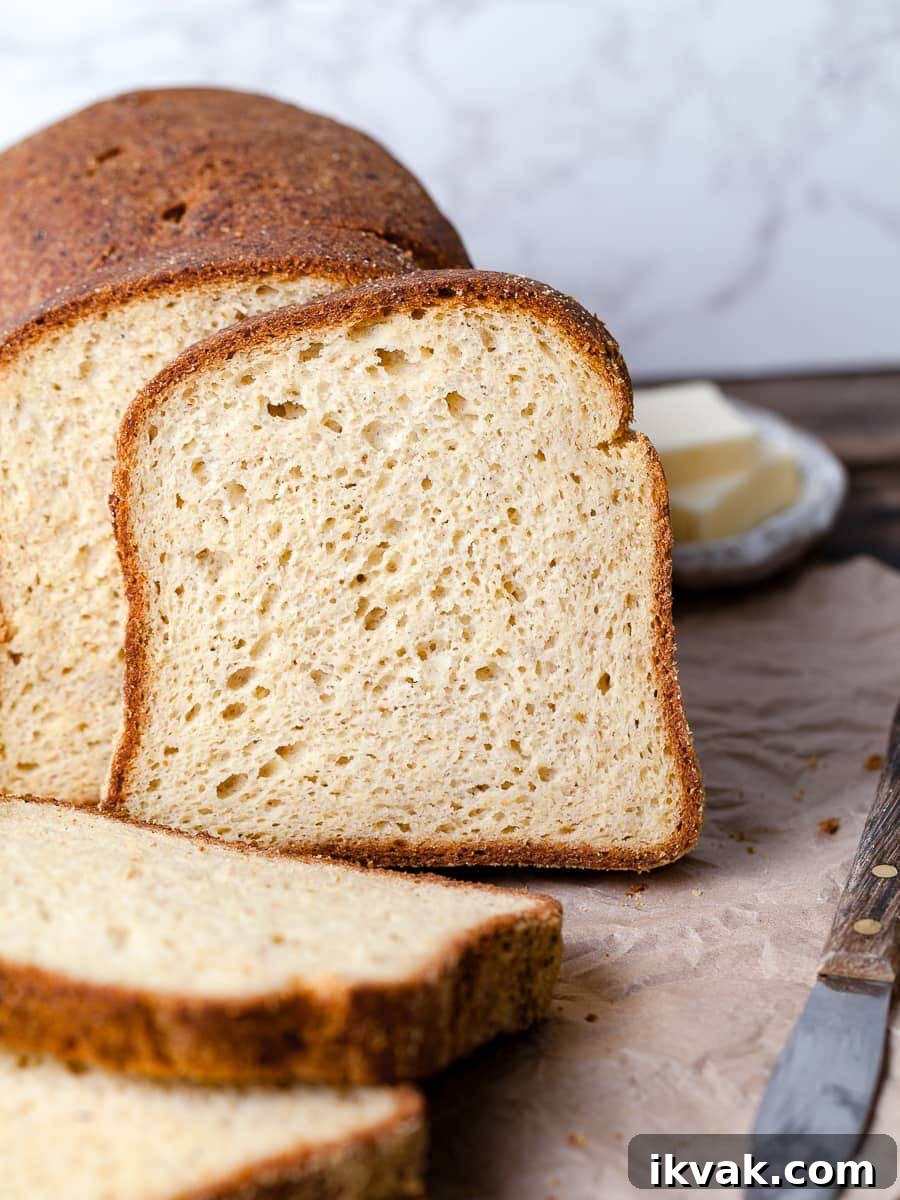
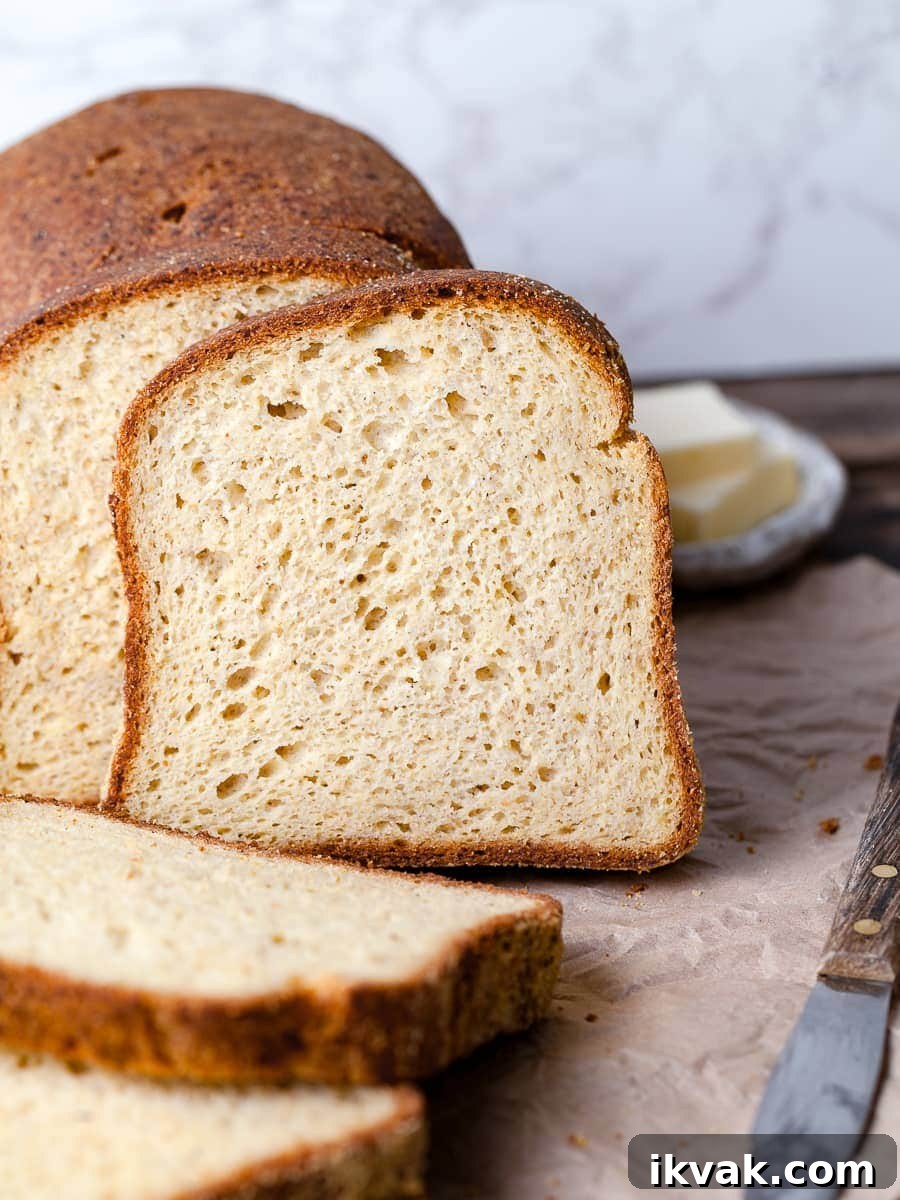
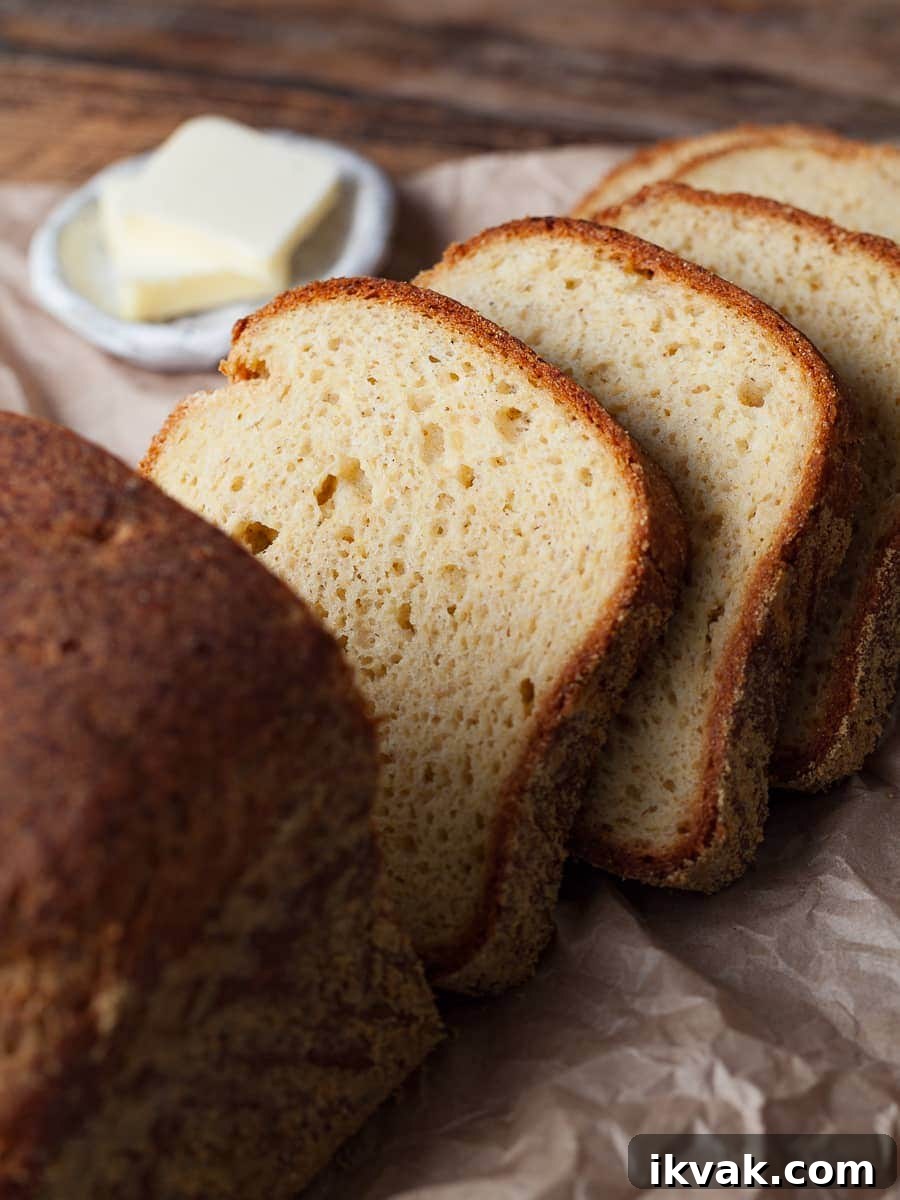
Whether you’re making a classic PB&J, a grilled cheese, or simply toasting a slice with butter and jam, having a reliable Gluten Free Sandwich Bread Recipe on hand is a game changer. This homemade gluten-free bread bakes up with a soft, tender crumb, a slight chew, and just the right amount of structure—no dense, dry, or gummy texture here!
Recipe Ingredient Notes
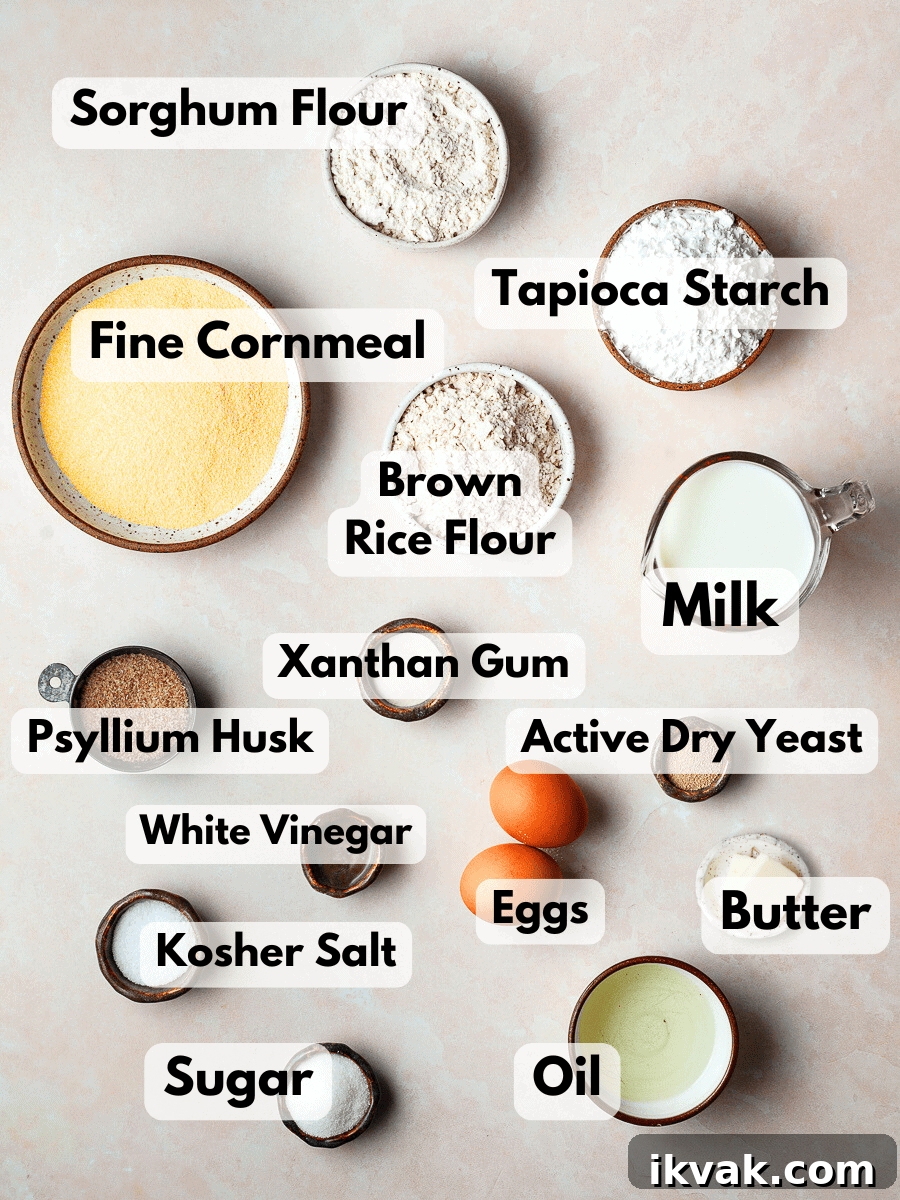
Gluten Free Flour: This recipe requires specific flours. It will not work as intended with generic store-bought 1-to-1 gluten-free blends. Each flour here contributes a distinct function.
- Super Fine Brown Rice Flour: Paired with sorghum flour, it helps form the bread’s structure. Regular ground brown rice flour can be gritty; white rice flour is lower in protein and can make the crumb gummy.
- Sorghum Flour: A higher-protein, light-colored flour that adds strength to the crumb and helps prevent collapse after baking.
- Tapioca Starch/Flour: Adds chew and aids browning. Potato starch can be used as a substitute if needed.
- Fine Yellow Corn Meal: Provides pleasant texture and flavor. This is not cornstarch. If you only have coarser cornmeal, pulse it in a blender until finely ground.
Eggs: Eggs improve structure, tenderness, and moisture; their proteins and fats stabilize and enrich the crumb and help the loaf rise.
Milk: Whole milk is recommended over water for best structure; milk proteins help mimic gluten’s effect in the crumb.
Whole Psyllium Husks: Psyllium helps bind the crumb, reducing crumbliness and giving a wheat-like texture. This recipe was tested only with whole psyllium husks, not psyllium husk powder.
Tools Needed
You’ll need a few common kitchen tools to make this loaf successfully.
Digital Kitchen Scale: Baking by weight gives consistent results; a small precision scale is helpful for tiny amounts.
Stand Mixer: Fitted with a dough hook is ideal for combining and developing this batter-like dough.
Pullman Loaf Pan: A taller pullman pan (used without the lid) supports the sides and reduces the chance of collapse.
Pastry Brush: For greasing the pan and brushing melted butter on the loaf before baking.
Water Spray Bottle: Optional—light mists of water can help during proofing.
Recipe Testing Notes
Getting a sandwich loaf that is both tender and sturdy is more challenging with gluten-free flours. A single protein-rich flour wasn’t enough—the loaf tended to collapse while cooling. Adding sorghum flour improved structure and minimized sinking.
Substituting fine cornmeal with millet flour produced a loaf that rose dramatically then shrank while cooling, resulting in a narrow shape and an off flavor, so cornmeal is preferred.
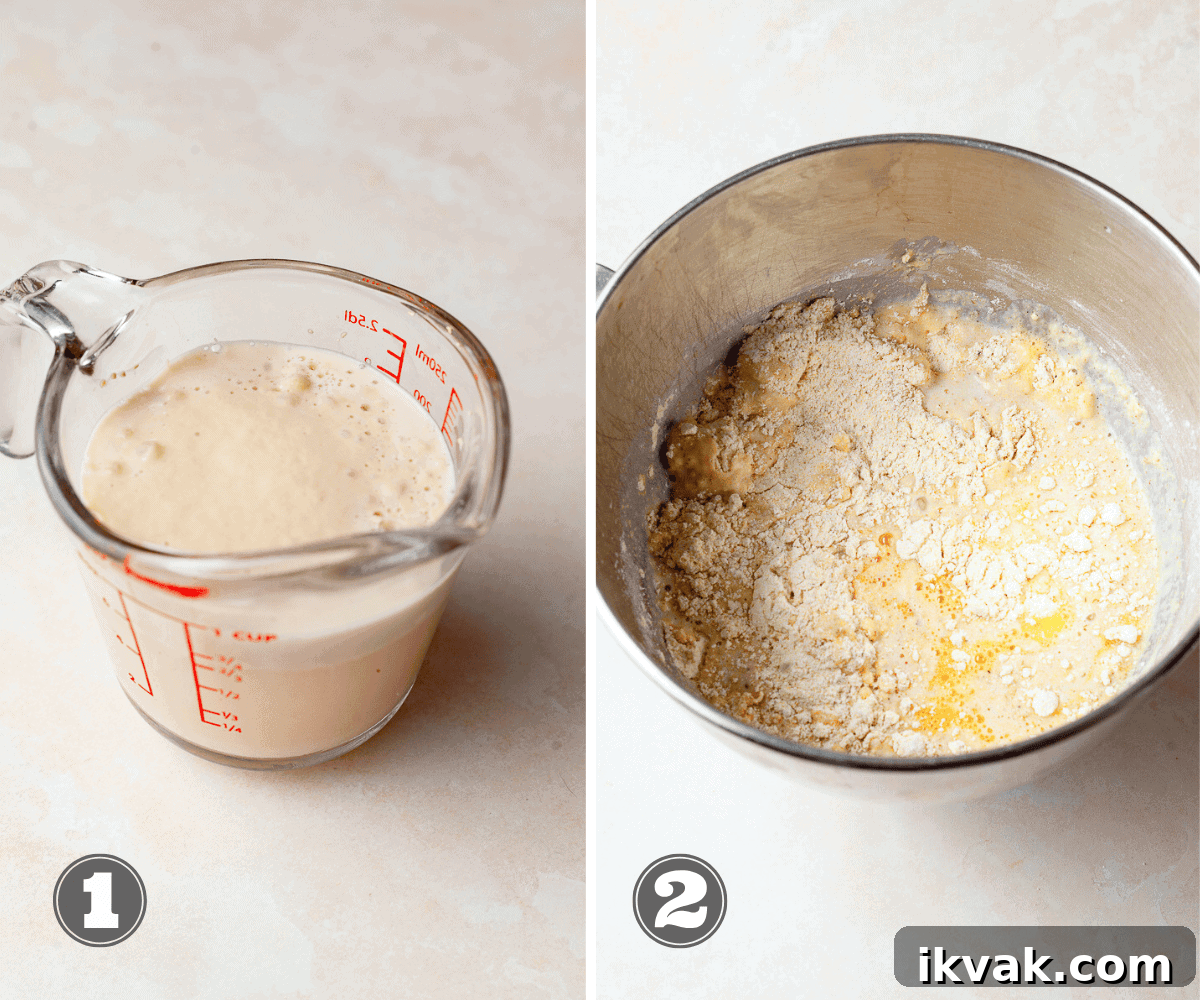
Gluten Free Sandwich Bread Dough
Make the dough in a stand mixer with a dough hook or by hand with a Danish dough whisk. The dough will have a batter-like consistency and cannot be shaped like a traditional loaf.
- Heat the milk to about 110°F (no hotter than 115°F). Sprinkle in active dry yeast and a pinch of sugar, stir, and let sit 10 minutes until frothy.
- In the mixer bowl combine super fine brown rice flour, sorghum flour, tapioca starch, fine cornmeal, whole psyllium husk, xanthan gum, sugar, and kosher salt.
- Whisk the eggs and oil together in a small bowl to help them incorporate more easily.
- Add the frothy yeast mixture, whisked eggs, oil, and vinegar to the dry ingredients. Mix on low until combined, scraping the bowl to capture any dry pockets.
- Increase the mixer to medium-high and mix 3–4 minutes. The dough will be soft and somewhat lumpy—this is normal for gluten-free breads.
- Scrape the dough into a ball with a flexible spatula and let it rest in the bowl for 10 minutes while you prepare the pan.
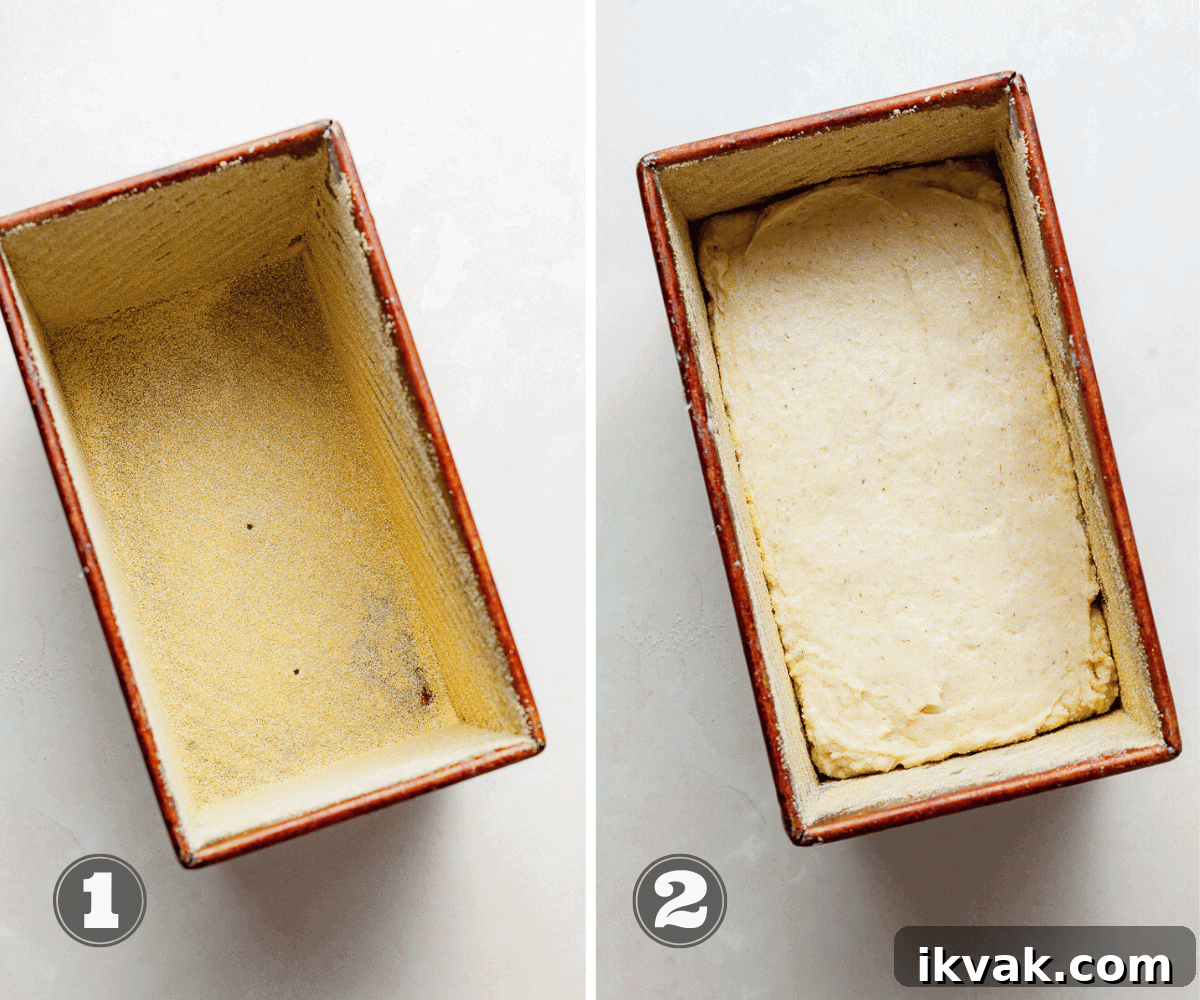
Shaping & Proofing
Prepare the Pullman loaf pan by greasing it and dusting the interior with fine cornmeal for flavor and texture. Alternatively, use a nonstick spray.
- Coat the pan’s interior with melted butter or neutral oil.
- Sprinkle a little fine cornmeal, tilt and rotate to coat bottom and sides, then tap out excess.
- Transfer the batter-like dough into the prepared pan and smooth the top with the back of a spoon (wet the spoon slightly for an easier finish).
- Lightly mist the dough with water to assist proofing, cover with a clean towel, and let rise in a warm spot for about 1 hour or until doubled. Cooler proofing in the fridge overnight is possible but will take much longer.
If your kitchen is warm or humid, proofing will be faster.
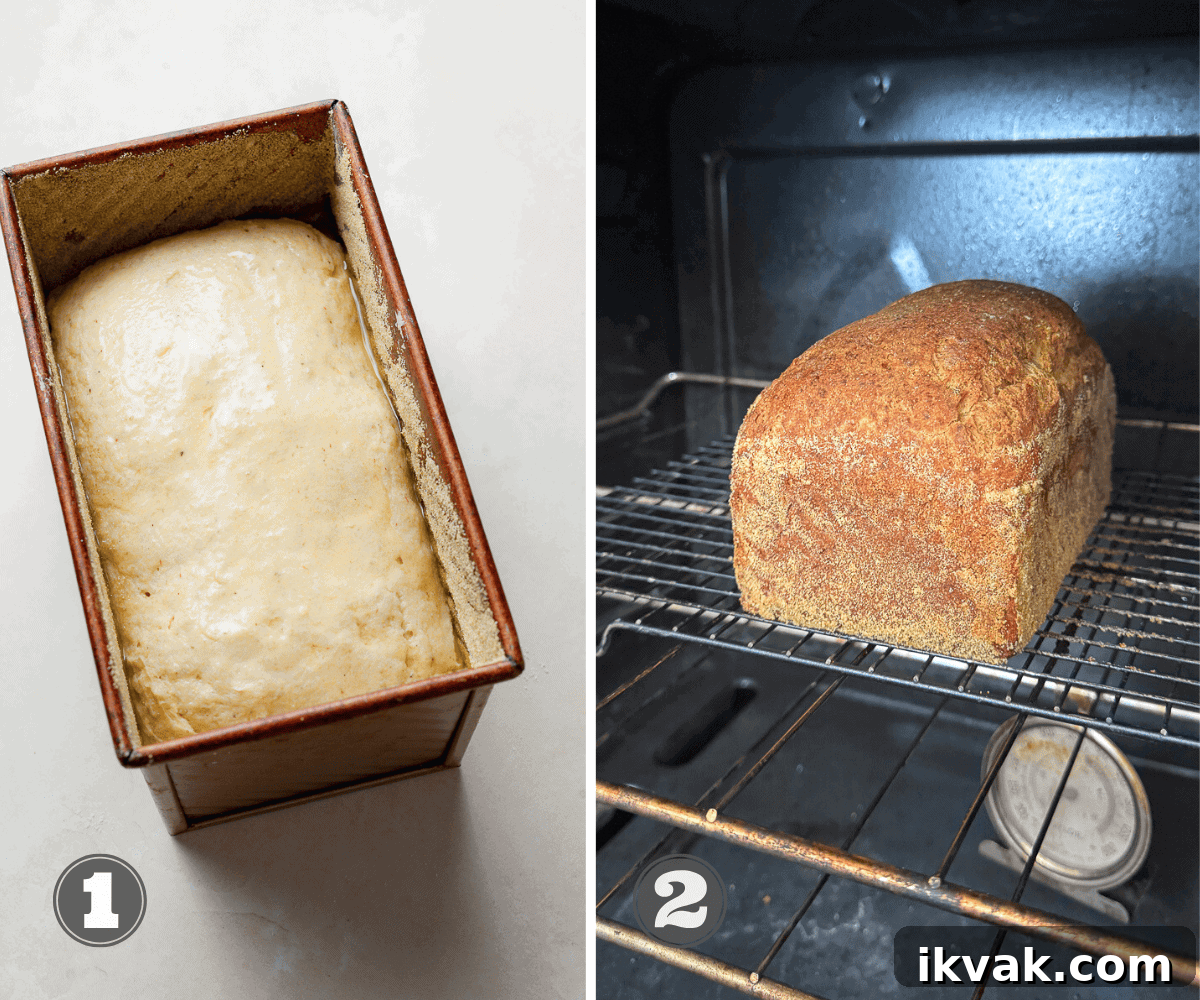
Baking Instructions
Bake the loaf in two stages: first inside the loaf pan, then unmold and bake directly on the oven rack to finish and deepen the crust. Aim for an internal temperature near 210°F (99°C) to ensure doneness.
When tiny rips begin to appear on the loaf’s surface, it’s a sign it’s ready for the oven.
- About 45 minutes into proofing, or when the loaf looks doubled, preheat the oven to 400°F. Proofing times vary by kitchen temperature.
- Melt unsalted butter and brush it over the loaf before baking to promote browning.
- Bake at 400°F for 15 minutes.
- Without opening the oven door, reduce the oven to 375°F and continue baking for 45 minutes until golden brown.
- Remove the loaf from the oven, unmold it, then return it to the oven directly on the rack and bake an additional 10 minutes to develop a deep golden crust.
- Turn off the oven and let the bread cool inside for 30 minutes to reduce the risk of side collapse.
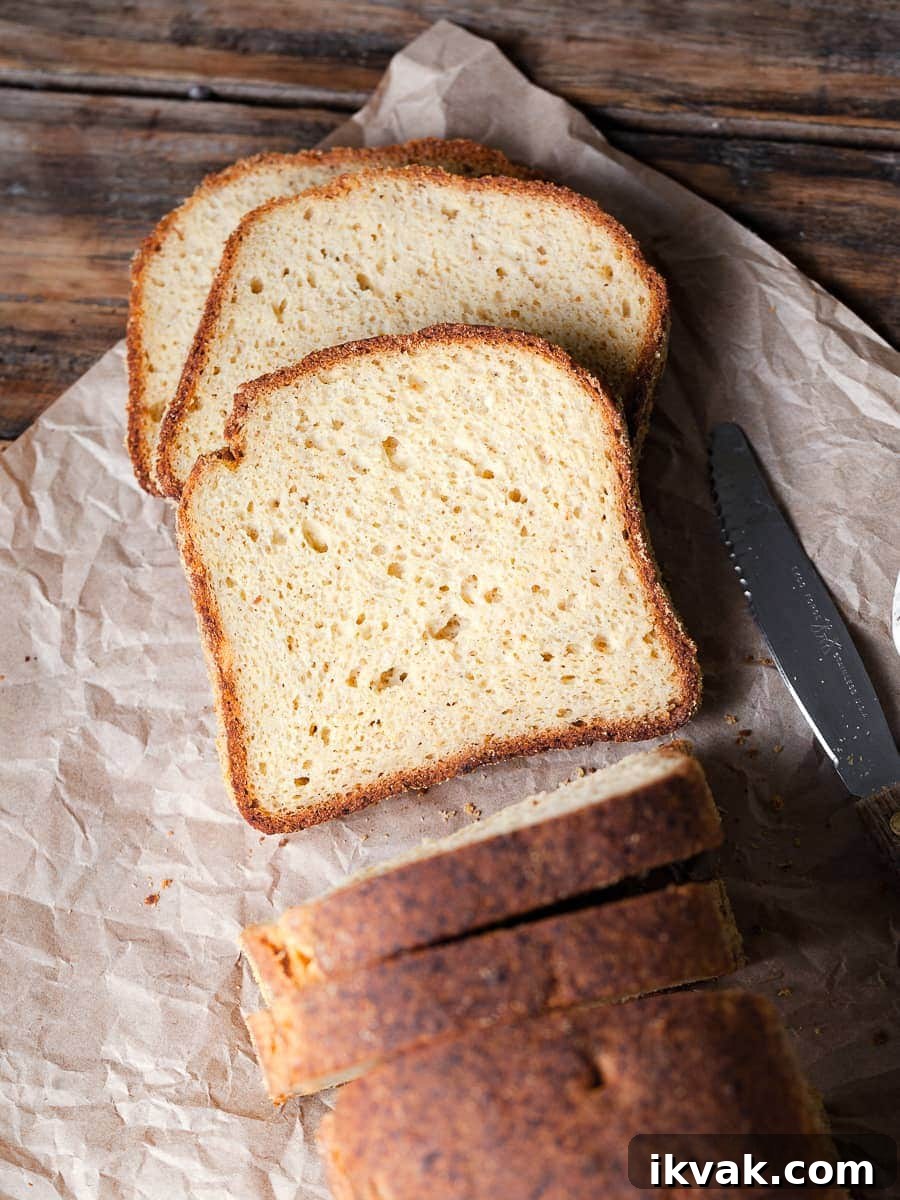
- Transfer to a cooling rack and cool completely before slicing. If impatient, you can slice after about 2 hours, but the center may still be slightly moist.
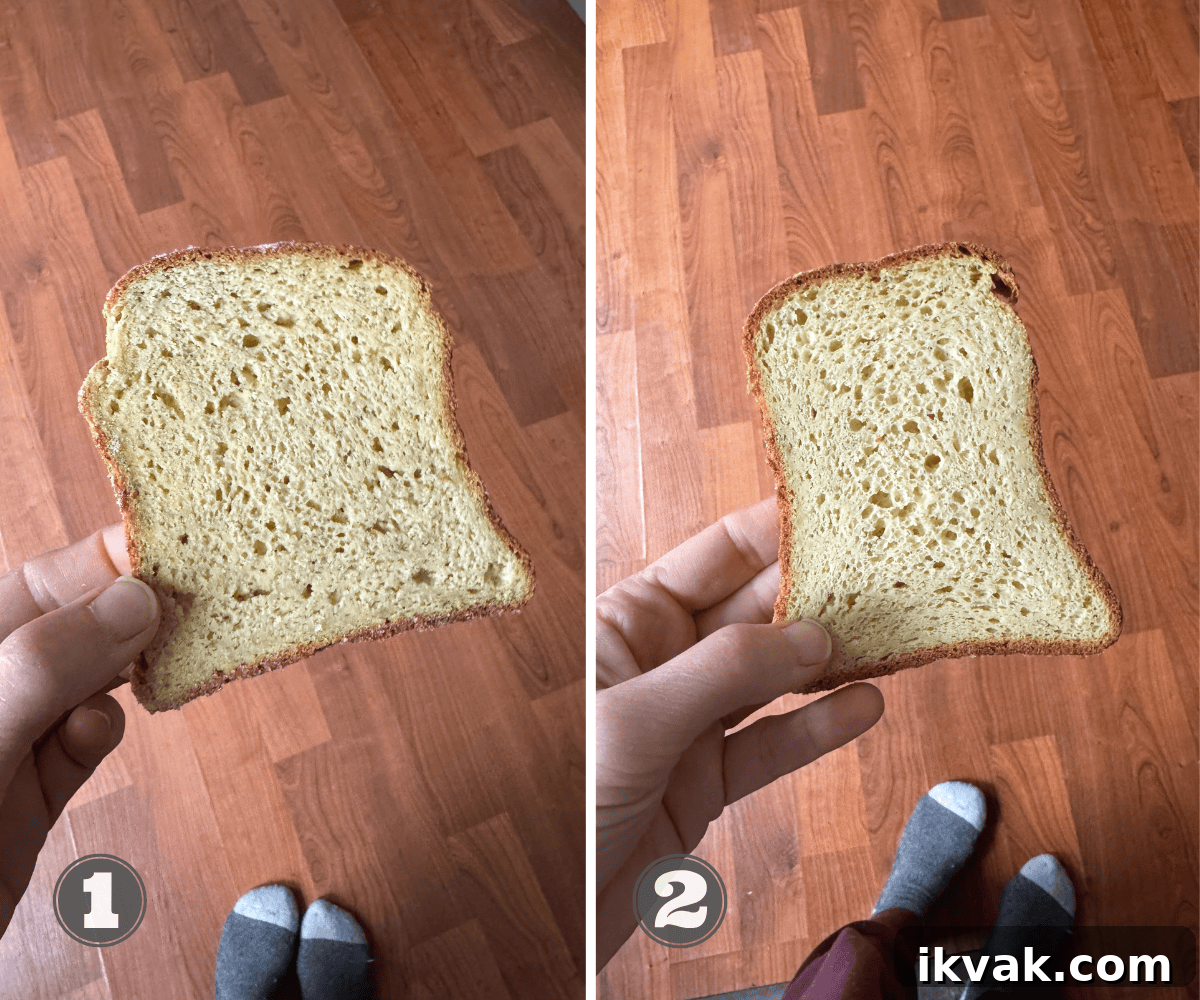
Why cool bread completely before slicing
Resist the urge to cut into the warm loaf. Cooling is important for texture, flavor, and clean slicing.
- Texture Development: The crumb continues to set as the bread cools; slicing too early can leave a gummy interior.
- Flavor Enhancement: Cooling allows fuller flavor development.
- Easier Slicing: A cooled loaf slices more cleanly and holds its shape better.
Storage & Freezing
Gluten-free bread dries out faster than wheat bread. Once the loaf is completely cool, store it in a large zip-top bag inside an airtight container to keep it soft for 2–3 days. Make sure it is fully cooled before sealing to avoid sogginess or mold.
This loaf freezes well. Slice before freezing for easy portioning and store for up to 2 months. Thaw at room temperature or in the refrigerator, or briefly heat in the microwave, oven, or toaster to refresh the texture.
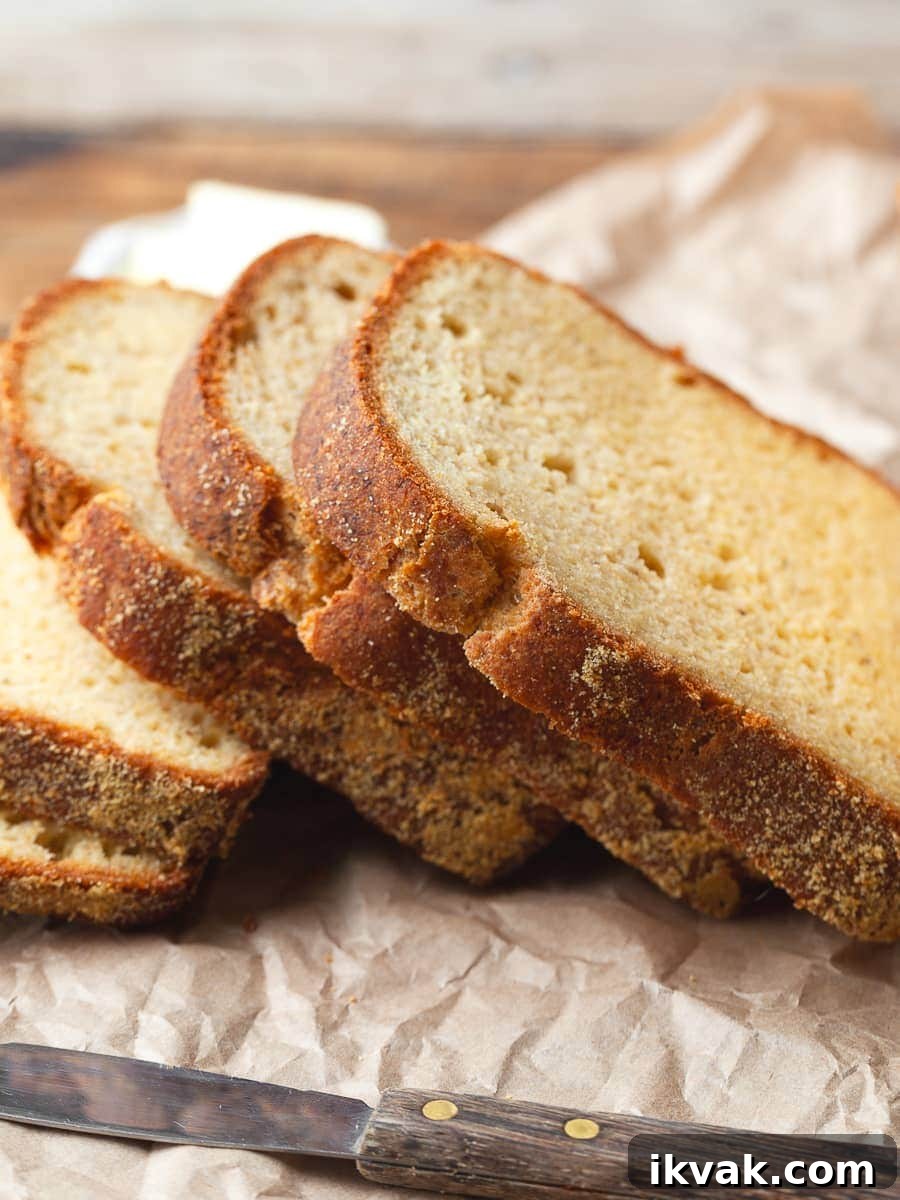
Gluten Free Sandwich Bread with Sourdough Discard
This recipe works well with gluten-free sourdough discard. You can use up to 100 grams of discard by replacing 50 grams of the brown rice flour (if your starter is brown rice-based) and reducing milk by 50 grams. The discard enhances flavor and crumb but does not replace the commercial yeast.
FAQ – Gluten Free Sandwich Bread Recipe
This recipe relies on eggs for structure and rise and will not perform well without them. For an egg-free loaf, seek recipes specifically developed without eggs.
Old or improperly stored yeast may fail to activate. Proof the yeast in warm liquid (100–110°F / 38–43°C) with a pinch of sugar; if it doesn’t foam within 10 minutes, use fresh yeast.
A slight collapse along the sides can be normal as the loaf cools. Baking the final minutes out of the pan and allowing the loaf to cool slowly in the oven for 30 minutes helps prevent dramatic collapse caused by sudden temperature changes.
Note about Salt in my Recipes
The recipe uses Diamond crystal kosher salt as a baseline; if you use a different salt (like Morton’s kosher salt), adjust amounts because salt crystal size affects perceived saltiness.
Baking in grams
Recipes are provided by weight for accuracy. Digital scales are affordable and far more reliable than measuring cups, especially with gluten-free flours that vary in density.
Note about Ovens and Oven Temperatures
Recipes are tested in conventional ovens with the rack in the middle position. Convection ovens can bake faster and drier—adjust temperature and time accordingly. An oven thermometer is useful for accuracy.
Substitutions and Modifications
Substitutions may change the final texture and flavor. Follow tested ingredient lists when possible for best results.
More Gluten Free Bread Recipes to try
-
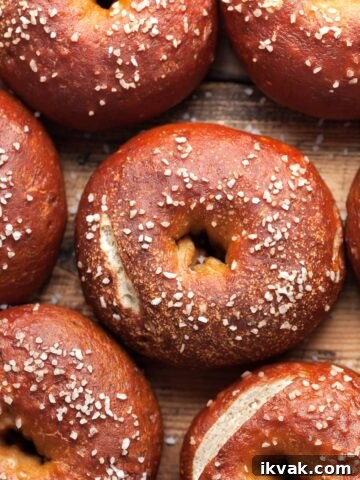
Gluten Free Pretzel Bagels (Sourdough Discard Recipe)
-
Gluten Free Jalapeño Cheddar Bread (Sourdough Discard Recipe)
-
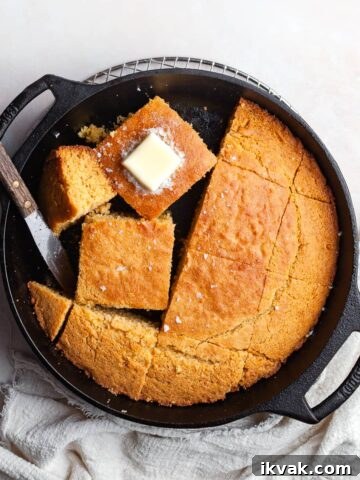
Gluten Free Skillet Cornbread
-
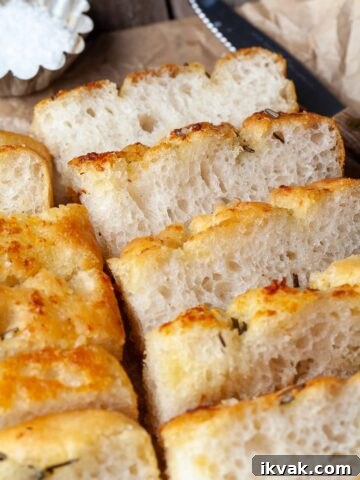
Gluten Free No Knead Focaccia

📖 Recipe
Gluten Free Sandwich Bread
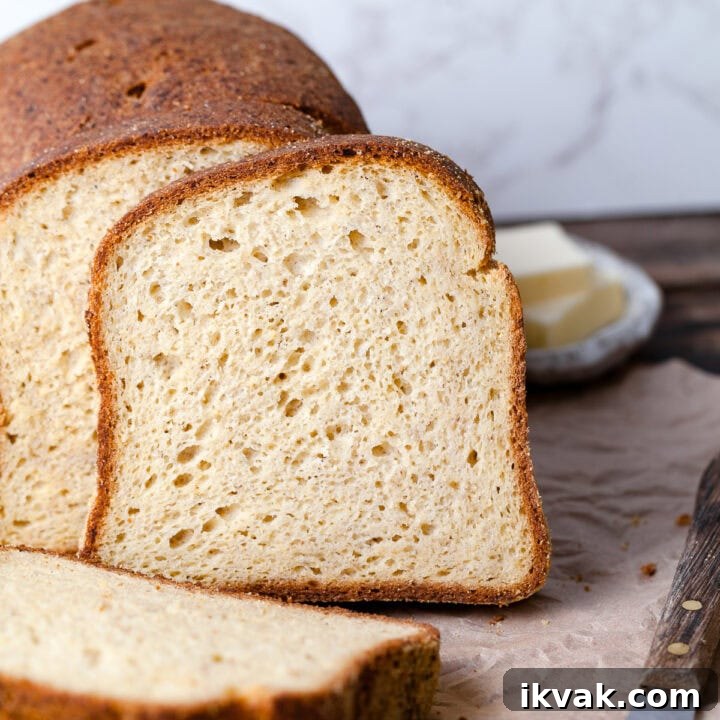
Whether you’re making a classic PB&J, a grilled cheese sandwich, or simply toasting a slice with butter and jam, this reliable gluten-free sandwich loaf offers a soft, tender crumb, slight chew, and good structure without gummy or dense texture.
15 minutes
1 hour 15 minutes
3 hours
4 hours 30 minutes
Ingredients
Gluten Free Sandwich Bread
- 340 grams milk
- 5 grams active dry yeast
- pinch of granulated white sugar
- 70 grams superfine brown rice flour
- 70 grams sorghum flour
- 120 grams tapioca starch
- 110 grams fine yellow cornmeal
- 15 grams granulated sugar
- 12 grams whole psyllium husk
- 8 grams xanthan gum
- 6 grams kosher salt
- 2 large eggs, at room temperature
- 25 grams neutral oil
- 15 grams vinegar (white or apple cider)
For the pullman loaf pan
- Butter as needed to grease the pan
- Fine cornmeal as needed
For Baking
- 30 grams unsalted butter, melted
Instructions
Gluten Free Sandwich Bread Dough
- Heat milk until 110°F (no hotter than 115°F). Sprinkle yeast and a pinch of sugar over the warm milk, stir, and let sit 10 minutes until frothy.
- In a stand mixer bowl, combine brown rice flour, sorghum flour, tapioca starch, cornmeal, whole psyllium husk, xanthan gum, sugar, and kosher salt.
- Whisk the eggs and oil together in a small bowl.
- Add the yeast mixture, whisked eggs, oil, and vinegar to the dry ingredients. Mix on low until combined, scraping the bowl to incorporate any dry pockets.
- Increase the mixer to medium and mix 3–4 minutes. The dough will be soft and batter-like—this is normal for gluten-free bread.
- Scrape the dough into a ball with a flexible spatula and let rest 10 minutes while you prepare the pan.
Shaping & Proofing
- Coat the Pullman loaf pan with melted butter or oil, then dust with fine cornmeal.
- Transfer the dough to the prepared pan and smooth the top with the back of a wet spoon.
- Lightly mist with water, cover with a towel, and proof in a warm spot for about 1 hour or until doubled. Warmer kitchens will proof faster.
Baking Instructions
When tiny rips appear on the loaf’s surface, it’s ready to bake.
- About 45 minutes into proofing, preheat the oven to 400°F.
- Brush the top with melted unsalted butter.
- Bake at 400°F for 15 minutes.
- Reduce the oven to 375°F (without opening the door) and bake another 45 minutes until golden brown.
- Remove the loaf from the oven and unmold it from the pan, then return it to the oven directly on the rack and bake 10 more minutes to deepen the crust.
- Turn off the oven and let the loaf cool inside for 30 minutes, then transfer to a cooling rack and cool completely before slicing. If needed, slice after about 2 hours, but the center may remain slightly moist.
Notes
Dough Consistency: The dough is batter-like and cannot be shaped like traditional wheat dough.
Pullman Loaf Pan: A taller pullman pan without the lid provides sturdier sides and helps prevent collapse.
Storage: Best eaten within a day or two. Freeze sliced leftovers for up to 2 months.
Nutrition Information:
Yield:
12
Serving Size:
1
Amount Per Serving:
Calories: 230
Calories are an estimate.
Did you make this recipe?
If you try this loaf, consider leaving a comment and rating on the blog to share your experience.