Post Updated 5/29/2025
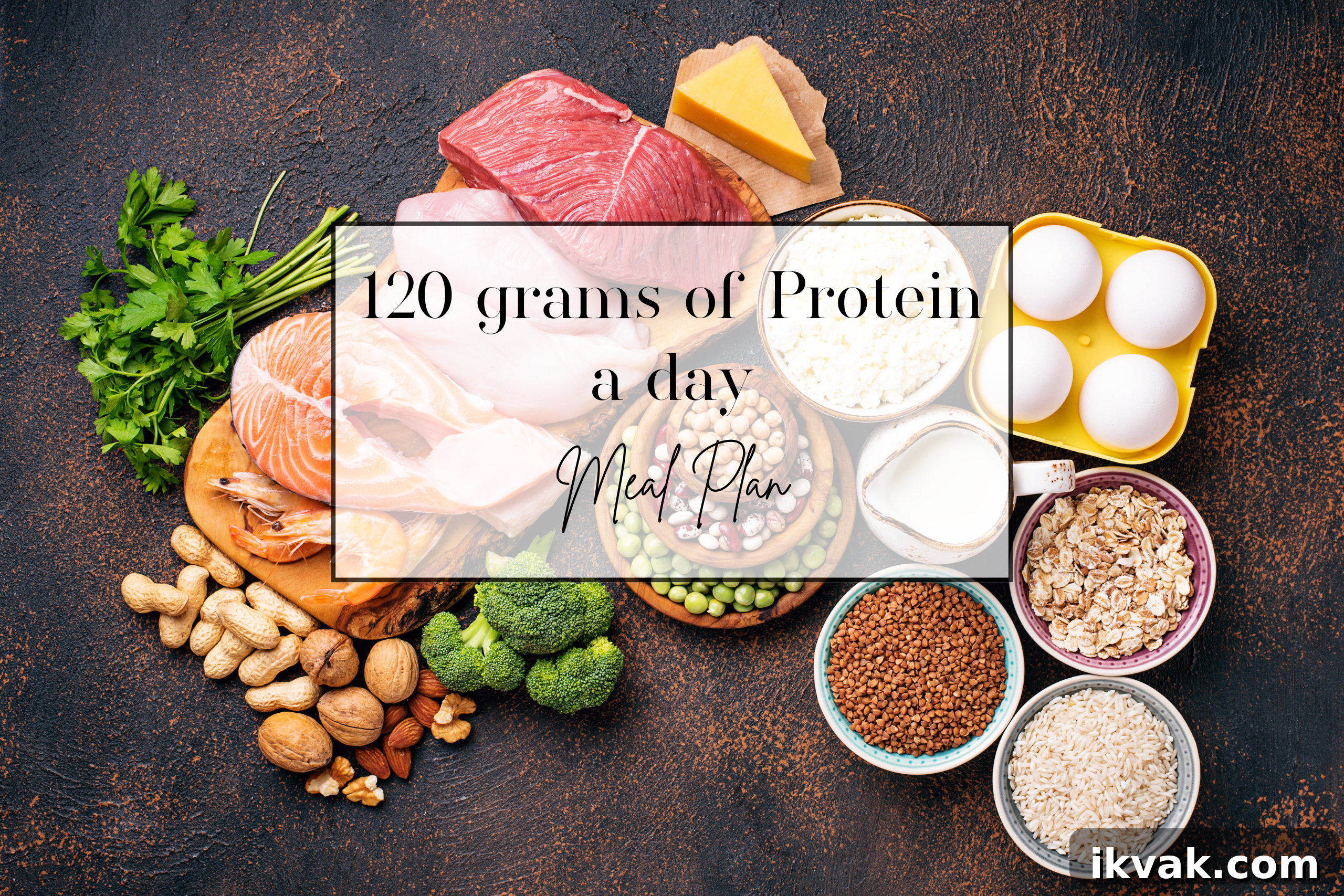
Trying to eat 120 grams of protein a day? Whether your goal is weight loss, building muscle, or simply staying satisfied, this 120 grams-per-day meal plan shows how to reach your protein target with balanced, real-food meals. No extreme dieting—just practical, tasty options you can use every day.
Why Eating Enough Protein Is Important
Protein supports nearly every function in the body: muscle repair, hormone production, immunity, and more. When protein intake is too low, people often experience cravings, fatigue, and stalled progress toward fitness or weight goals. Key benefits of sufficient protein include:
- Builds and preserves lean muscle
- Supports metabolism and fat loss
- Keeps you feeling full longer
- Aids post-workout muscle repair
- Supports bone strength and immune health
- Helps stabilize blood sugar
- Improves skin, hair, and nail health
Beyond fitness, adequate protein helps with hormone balance, cell renewal, and overall recovery from daily wear and tear.
What Kind of Protein Should You Eat?
A mix of animal and plant-based proteins usually works best for most people. Animal proteins tend to be complete and highly bioavailable, while plant proteins add fiber and beneficial nutrients. Here’s a quick comparison:
| Protein Type | Benefits | Examples |
| Animal | Complete proteins, high bioavailability | Chicken, turkey, Greek yogurt, eggs, salmon, cottage cheese, lean beef |
| Plant-Based | High in fiber, lower in saturated fat | Lentils, tofu, tempeh, beans, quinoa, chickpeas, edamame |
If you follow a plant-based diet, combine complementary foods (for example, rice and beans) to ensure a complete amino acid profile. Plant proteins are often more budget- and eco-friendly, while animal proteins provide dense protein per serving.
How Much Protein Do You Actually Need?
The RDA of 0.8 g per kilogram of body weight is a minimum to prevent deficiency. For active people or those aiming to lose fat or build muscle, a target of about 0.8–1 gram per pound of body weight is often more effective.
Example: A 150 lb person may aim for roughly 120–150 g of protein per day depending on goals.
Individual needs vary by age, body composition, training intensity, and health status. Athletes, pregnant people, and those recovering from injury may require higher protein intakes. Consult a healthcare provider if you have medical concerns.
“A good rule of thumb is to consume about 1 g of protein per pound of body weight.”
Julius Miles, B.S. Exercise Science
When Should You Eat Protein
To support muscle maintenance and recovery, spread protein evenly across the day:
- Within 60 minutes after a workout
- Early in the morning to reduce cravings
- Every 3–4 hours to sustain muscle repair
Even distribution of protein across meals helps with muscle synthesis and keeps energy steady throughout the day.
Can You Hit 120 Grams of Protein While Intermittent Fasting?
Yes. If you eat within a reduced window, plan higher-protein meals and use convenient options like shakes or high-protein snacks to meet targets.
Helpful tips:
- Start your eating window with a meal containing 30–40 g of protein
- Include Greek yogurt, protein bars, or smoothies
- Use a post-workout shake if needed
- Build meals around protein first, then add carbs and fats
Fewer meals can work well if each is planned to be protein-dense.
What a 120 Grams-a-Day Meal Plan Looks Like
Here’s a practical sample day that adds up to roughly 120+ grams of protein using everyday foods:
| Meal | Food | Protein (approx.) |
| Breakfast | 2 eggs + 1 slice cheese + 2 slices whole grain toast | 26 g |
| Snack | Greek yogurt with berries | 18 g |
| Lunch | Turkey sandwich on whole grain + side salad | 32 g |
| Snack | Protein smoothie with almond milk + banana + protein powder | 20 g |
| Dinner | Grilled salmon + brown rice + veggies | 40 g |
| Total | 136 g |
This example shows that hitting 120 g daily is achievable without extreme measures—combine protein-rich staples with balanced carbs and healthy fats.
Want a Done-for-You 3-Day Meal Prep Plan?
If you want structured guidance, a simple 3-day meal prep plan with a grocery list and high-protein recipes can remove the guesswork and make hitting your protein goal consistent and convenient.
High-Protein Foods to Keep on Hand
Stock your kitchen with a variety of protein choices so you can assemble meals quickly:
Animal-Based
- Chicken breast
- Ground turkey
- Salmon and tuna
- Greek yogurt
- Eggs and egg whites
- Cottage cheese
- Deli turkey or rotisserie chicken
Plant-Based
- Tofu and tempeh
- Edamame
- Lentils
- Quinoa
- Chia and hemp seeds
- Chickpeas
- Nut butters
Quick Snacks
- Protein bars
- Protein powder (whey or plant-based)
- Roasted chickpeas
- Jerky
- Low-fat string cheese
- Almonds and mixed nuts with seeds
Choose items that fit your routine—prep some proteins in bulk to make meals faster on busy days.
Tips for Reaching Your Daily Protein Goal
- Include a protein source at every meal and snack
- Cook protein in batches (grilled chicken, turkey burgers, baked tofu)
- Use smoothies to top up protein when needed
- Keep protein bars or shakes in your bag for busy days
- Track protein grams briefly to learn what works for you
- Consider supplements if you consistently fall short
Signs You’re Not Eating Enough Protein
Your body may signal low protein intake through several common signs:
- Feeling hungry soon after eating
- Loss of muscle or stalled progress from training
- Brittle hair, fragile nails, or dull skin
- Low energy, mental fog, or poor motivation
- Frequent carb or sugar cravings
- Poor recovery and prolonged muscle soreness
If you notice these signs and aren’t tracking protein, increasing intake modestly can often help.
Common Questions About High-Protein Diets
No—many active women benefit from this level, especially when lifting weights or aiming to lose fat while preserving muscle.
Yes. With planning and variety—using tofu, legumes, lentils, high-protein grains, and plant-based powders—you can reach 120 g from non-meat sources.
For most healthy people, higher-protein diets are safe. If you have existing kidney disease or concerns, consult your healthcare provider before increasing protein significantly.
Whole foods are preferred for nutrients and satiety, but shakes are a convenient way to fill gaps when you need an easy protein boost.
High-Protein Recipes
Here are some recipe ideas to help you reach your protein goals with variety and flavor:
- High-protein quiche
- Air-fryer chicken sausage
- Grilled chicken nuggets
- High-protein berry smoothie
- Asian-style chicken burgers
- Jerk shrimp tacos
You can also use crockpot or one-pan protein-packed dinners for low-effort meal prep. Start with a few repeatable meals and build consistency—moving from 80–90 g toward 120 g daily is a meaningful step for many people.
If you want more ideas, keep a shortlist of go-to recipes and staples that fit your schedule so hitting your protein target becomes simple and sustainable.
Want to stay connected? Follow on social channels or subscribe to updates for recipes, meal plans, and tips to make high-protein eating easy and enjoyable.