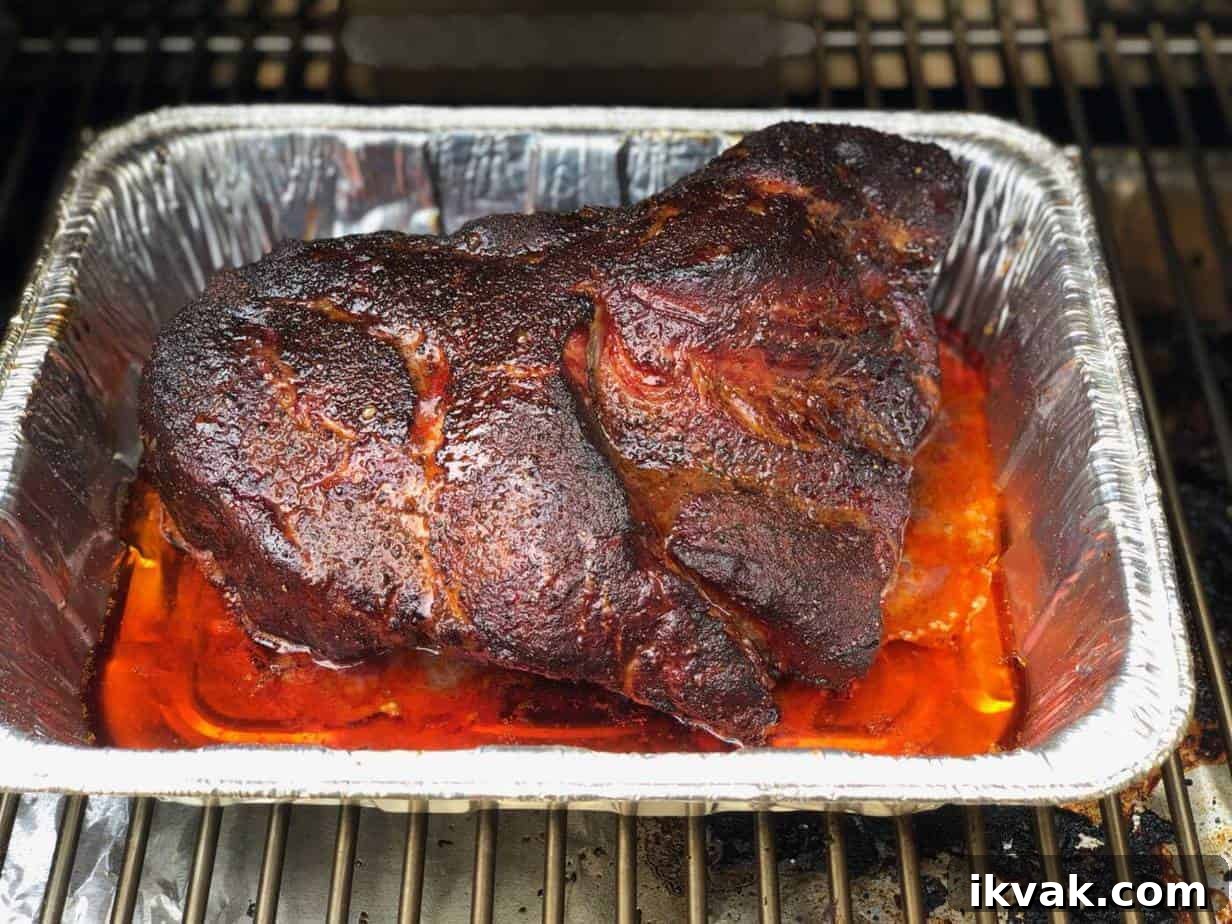
The REC TEC with its PID WiFi controller is among the most accurate cookers available. For its maiden voyage I smoked a boneless pork butt. The result had a beautiful smoke ring and turned out smoky, tender and delicious.
- Prep Time: 10 minutes
- Cook Time: 9 to 14 hours (depends on size and thickness)
- Smoker Temp: 225–250°F
- Meat Finish Temp: 205–207°F
- Recommended Wood: Hickory or a REC TEC blend of red oak, white oak and hickory
- Pork butt (bone-in or boneless)
- Yellow mustard or neutral oil (optional binder)
- Jeff’s original rub
- Jeff’s barbecue sauce (for serving)
- Butter and rub mop (recipe below)
- Foil pan
- Heavy-duty foil
- Digital thermometer (ThermoWorks Smoke, FireBoard, or similar) to monitor internal temperature
Sometimes labeled Boston butt, pork butts typically weigh between 5 and 8 lbs and are sold bone-in or boneless. I usually buy bone-in around 7–8 lbs, but this time I used a 5 lb boneless butt that came secured in a net.
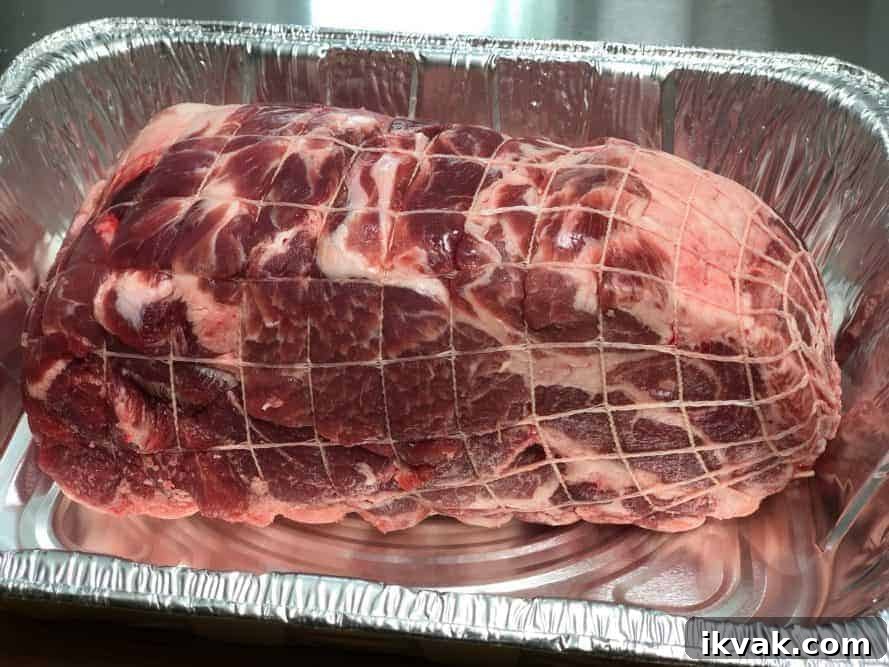
After removing the net, I set the roast in a pan. I didn’t plan to leave it in the pan during the initial smoking stage; I used the pan mainly to keep the rub from ending up on the counter while seasoning.
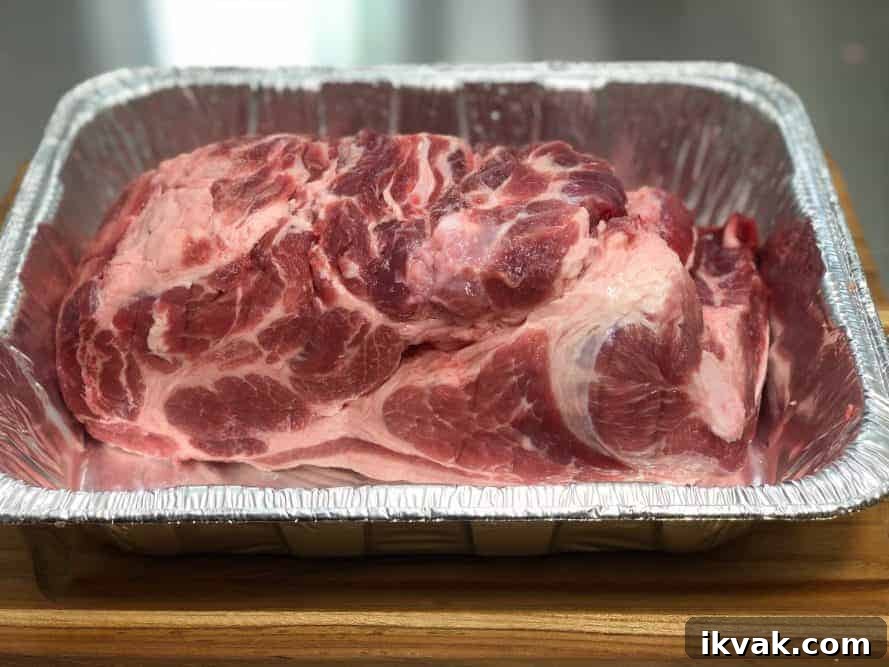
Now it’s ready for seasoning.
You can use a binder like yellow mustard or oil, which helps the rub adhere, but it’s optional. I applied Jeff’s original rub directly to the meat and let it sit until moisture was drawn to the surface so the rub would adhere properly.
I seasoned the top first, waited for that wet sheen, then coated the remaining sides.
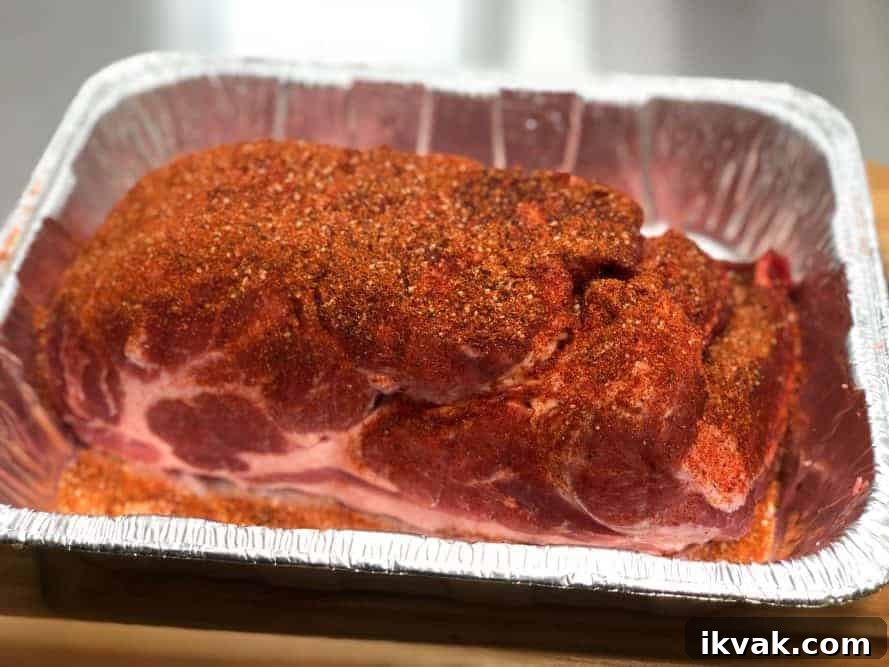
After a few minutes the rub began pulling moisture to the surface.
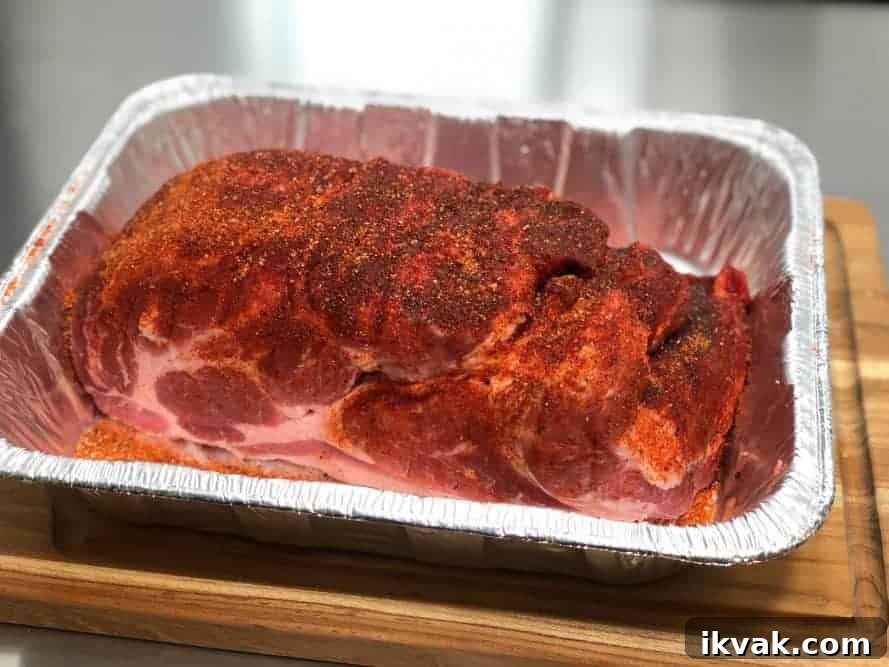
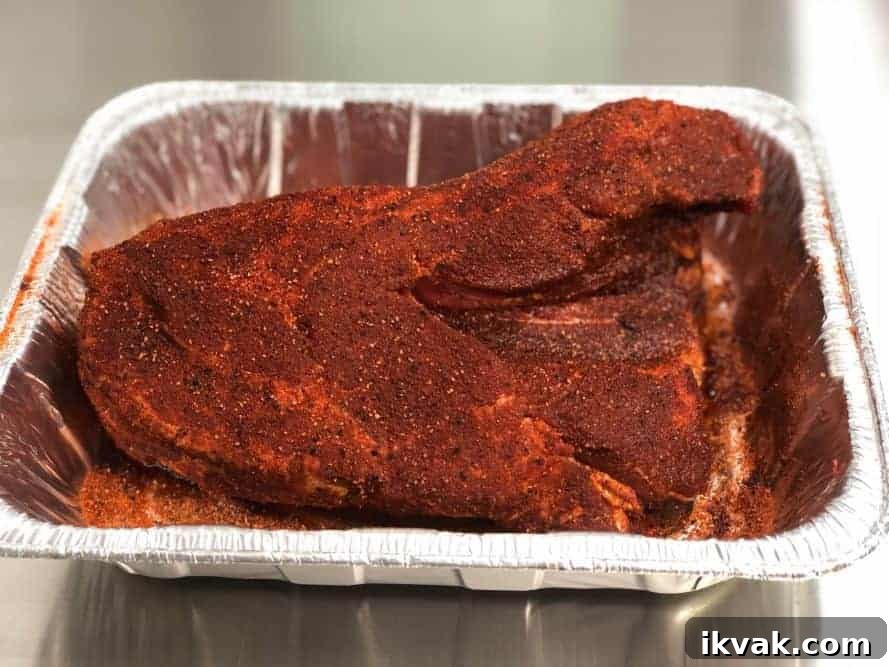
All sides rubbed and ready for the smoker.
You can smoke a pork butt on any smoker that can hold roughly 225–250°F and provide consistent smoke. The REC TEC RT-700 (“the Bull”) is a heavy-duty pellet grill with a PID controller, which uses an algorithm to keep temperature steady despite changing weather. If you want precise temperature control, a PID-driven smoker is an excellent choice.
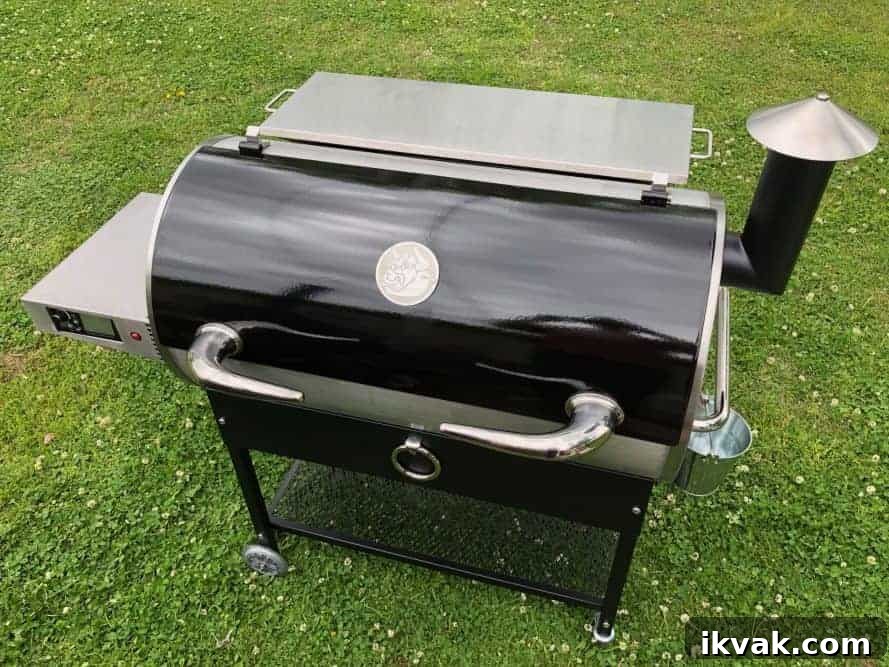
The RT-700 has a large pellet hopper and robust stainless-steel construction. It can hold a lot of pellets and includes WiFi control so you can monitor and adjust temperatures remotely.
Now, let’s get to cooking this pork butt on the Bull.
Set your smoker for indirect cooking at about 240°F. If it has a water pan, fill it. When the smoker is ready, place the pork butt directly on the grate.
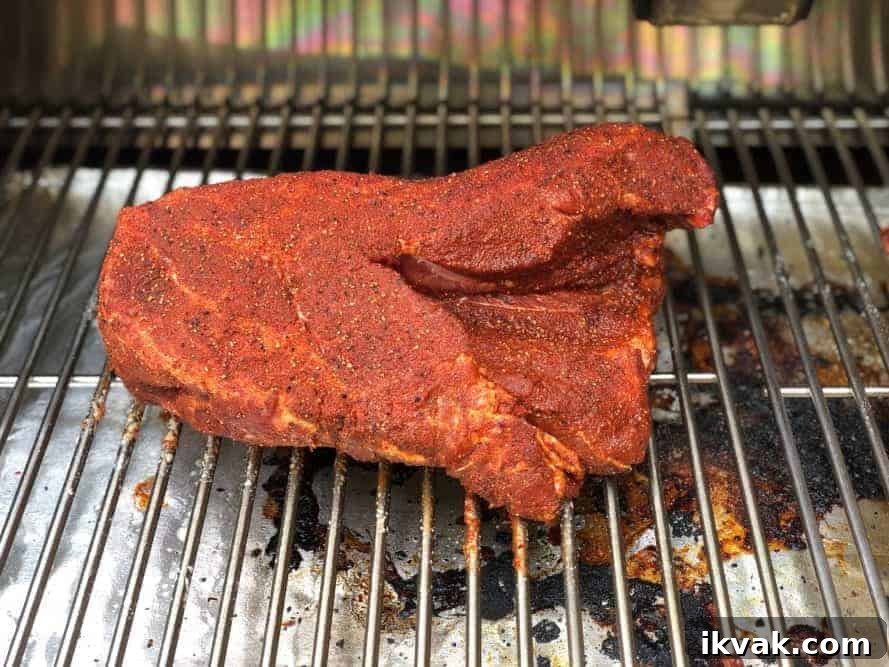
Some cooks place the fat cap up, others fat cap down. I typically put the fat cap down to protect the crust, but try both and use what you prefer.
Maintain steady temperature and a clean smoke. I used an “Extreme Smoke” setting for the first hour, then set the smoker to 250°F for the remainder of the cook.
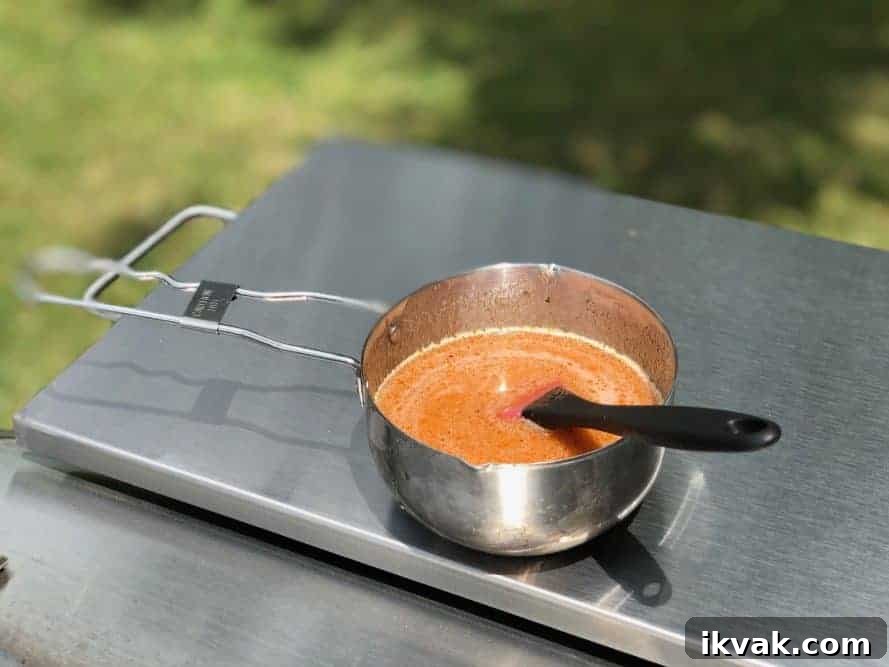
I also made a simple butter and rub mop to brush on occasionally. The mop is:
- 1 stick of butter, melted
- 8 ounces hot water
- 2 heaping tablespoons of Jeff’s original rub
Keep the mop warm and stirred while using. I kept mine on top of the pellet hopper where it stayed melted during the cook.
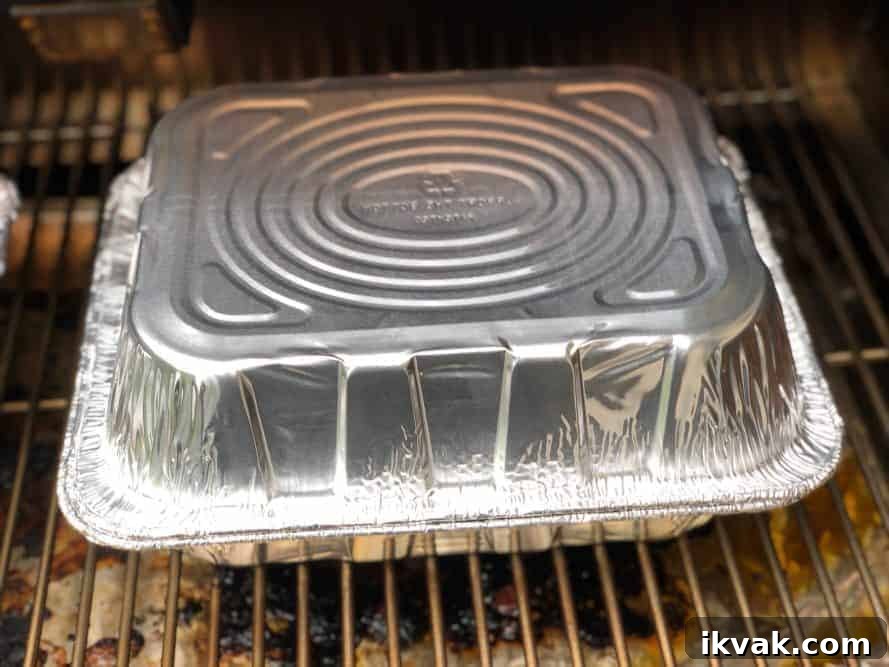
When the pork butt reaches about 160°F, move it into a foil pan or wrap it tightly in heavy-duty foil. Doing so collects drippings and speeds up the finish. I placed the roast in a pan and covered it with another pan to create a closed environment.
After a few hours I removed the top pan and let the roast finish uncovered.
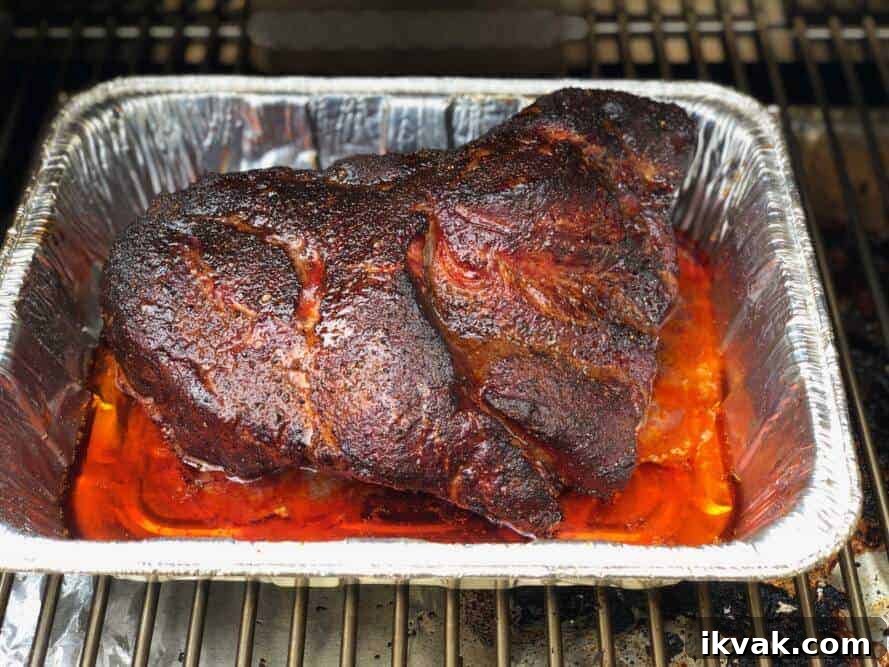
Finish cooking until the internal temperature reaches 205–207°F and the meat is tender.
Bring the meat inside, remove it from the pan and place it on a cutting board. Tent with foil and let it rest for about an hour. Resting allows the juices to redistribute so the pulled pork stays moist.
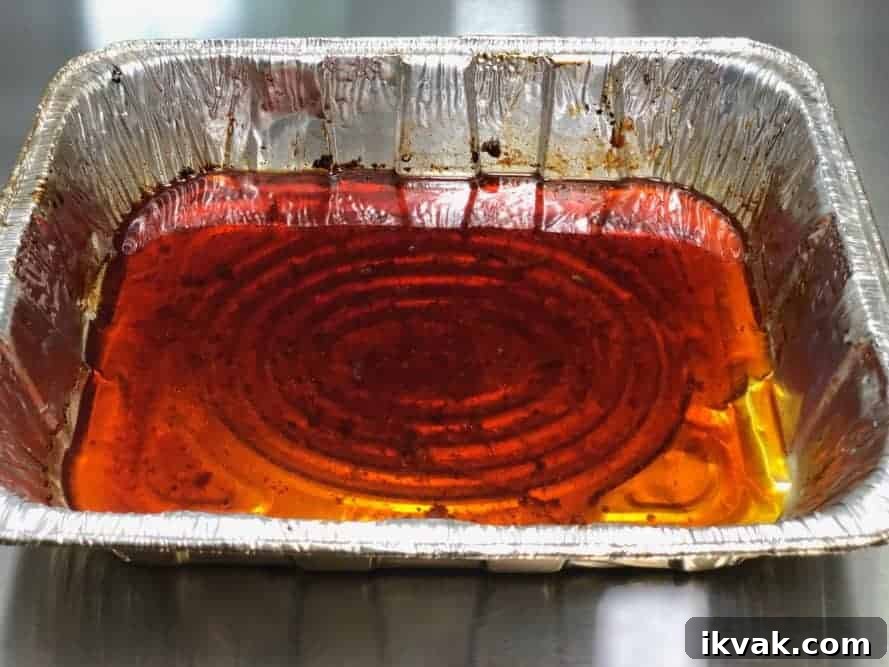
Pour the cooking juices into a jar and refrigerate. Once chilled you can skim off congealed fat and reserve the defatted juices to add back into the pulled pork to moisten it later.
After an hour or two, pull the pork with two forks. Remove any large pieces of fat or gristle as you go. The meat should shred easily if cooked long enough.
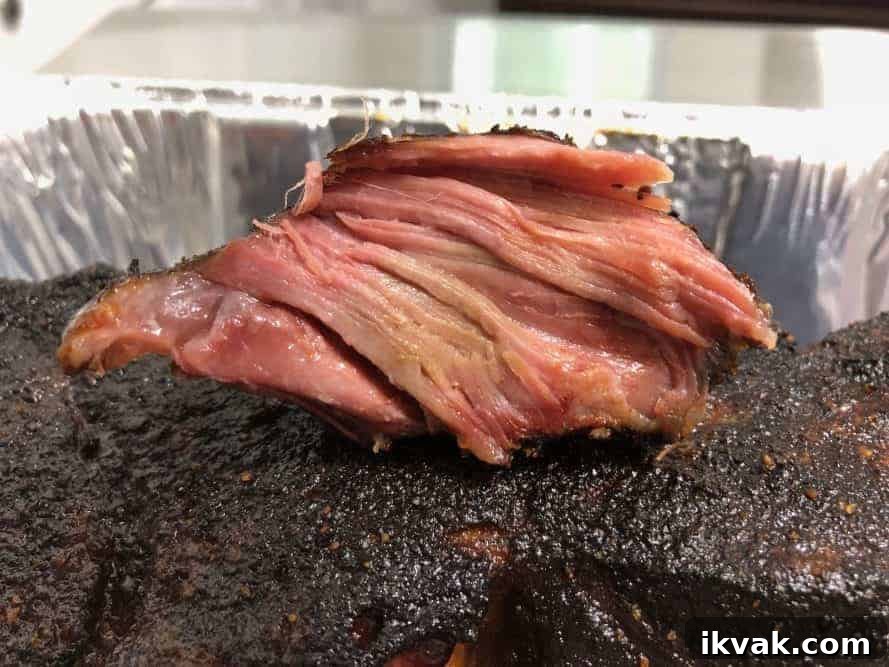
All pulled apart and ready to serve.
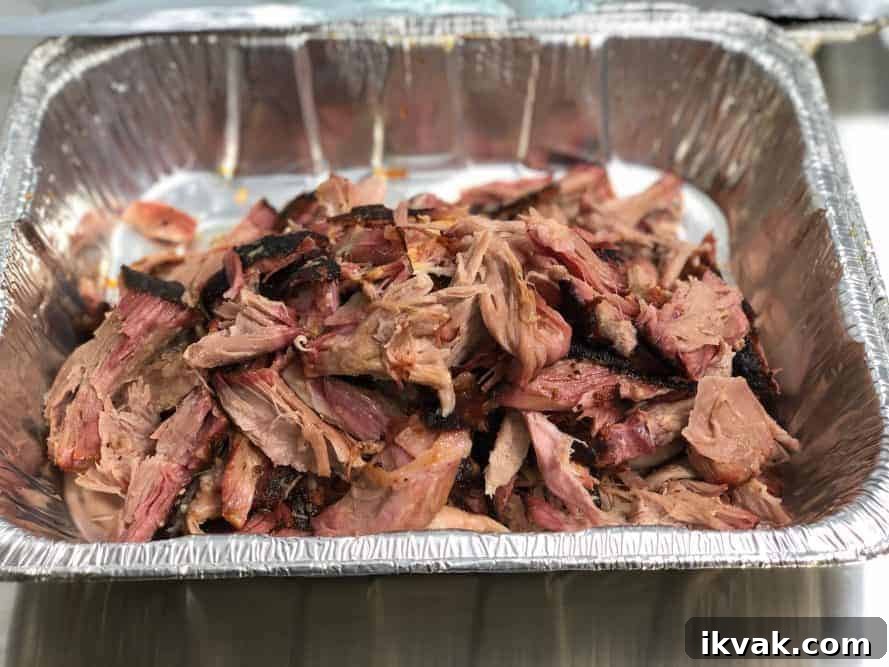
Pulled pork yields roughly 50–60% of the roast’s original weight. An 8 lb pork butt will produce about 4–5 lbs of pulled pork.
To reheat, sprinkle about 1/4 to 1/2 cup of rub over the meat and add roughly 1/2 cup (or more) of defatted juices or a stick of melted butter. Reheat covered in a foil pan at 275°F for about 30 minutes or until warmed through.
Serve with barbecue sauce warmed on the side for dipping or for sandwiches.
REC’n TEC’n Extreme Smoked Pulled Pork
Ingredients
- Pork butt (s)
- Yellow mustard or oil
- Jeff’s original rub
- Jeff’s barbecue sauce
- Butter and Rub Mop (recipe above)
- Foil pan
- Heavy duty foil
- Digital thermometer to ensure proper doneness
Instructions
-
Rub the pork butt with a thin coat of yellow mustard or oil if using. This step is optional but helps the rub stick.
-
Apply Jeff’s original rub to all sides of the roast and set aside while you prepare the smoker.
-
Set up your smoker for indirect cooking at about 225–250°F.
-
If your smoker uses a water pan, fill it.
-
Place the meat directly on the grate and close the lid. On pellet grills start with a smoke setting for about 1 hour, then adjust to 225–250°F.
-
When the roast reaches ~160°F, move it to a foil pan or wrap it to catch drippings and help it finish faster.
-
Monitor internal temperature with a reliable thermometer.
-
When the meat reaches 205–207°F and is tender, it is done.
-
Allow the roast to rest under a foil tent for about an hour before pulling.
-
Pull the meat into pieces with forks, discarding any fat and gristle. Serve with warmed barbecue sauce on the side.